Welcome one and all to Mastication Monologues where I try to try as many different meals as possible while educating the reader about new cultures or the origins of popular foods. One of the most diverse food scenes out there is Mexican cuisine. You can go all over the USA and find some form of taco, burrito, or nachos at least even though some interpretations of these meals (especially nachos) might not be seen south of the border. However, there has been an evolution of Mexican food as of late where different Asian cuisines have been blended to create new and crazy creations like Korean inspired bulgogi (marinated beef) tacos. On the other hand, one of the biggest names in Mexican cooking, Rick Bayless, has been trying to get to the heart of simple Mexican food after decades of living, tasting, and drinking everything from Juarez to Jalisco. Janice and I met him during Taste Talks of Chicago where he talked about the constant evolution of food, and how meals bring people together from different backgrounds or may make them more in touch with their heritage. How does Rick manage to do this? At his restaurant Topolobampo in Chicago, they serve a rotating menu that draws on Mexico’s culinary history starting in the pre-Colombian era and ending in modern Mexican fusion along with different specialty dishes from all corners of Mexico. I had the pleasure of paying Topolobampo a visit for my birthday last year with my lovely girlfriend, so I apologize for the delay for this mouth-watering post.
The front of the restaurant consisted of two different restaurants but both owned by Mr. Bayless.  It was slightly confusing trying to find the entrance because we couldn’t see a clear door for either restaurant, but it turns out they shared a common door. Upon walking in, we were in the lobby for Frontera, the cheaper and more boisterous of the two restaurants. We walked through the hallway past the strains of musica ranchera to the more demure Topolobampo dining room. Instead of lots of kitchy Mexican bric a brac on the walls a la Frontera Grill, there were more oil paintings and softer music.
 I’d also recommend putting on nicer clothes since its a classy kind of joint.
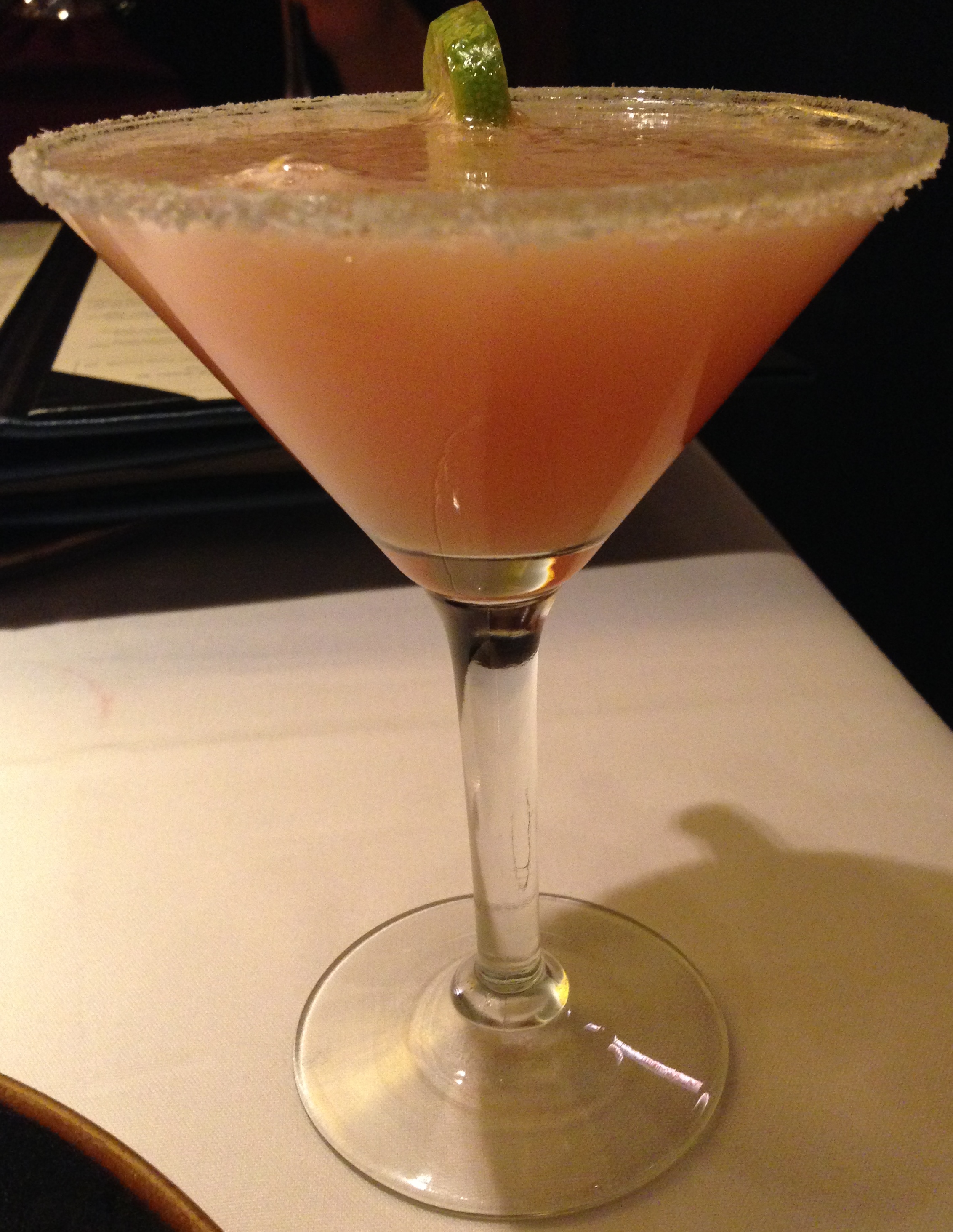
 I could hardly contain my excitement as I looked over the menu, but we started off with some drinks. There weren’t any prices for the food items, but there are for the drinks. So, it seems they operate on the “If you have to ask, you can’t afford it” train of thought. Janice went with a classic glass of red wine that ended up being as big as her head, and I got a mezcal margarita ($12.50).
 Mezcal has become more popular with the rise of tequila, but still isn’t very widespread. It is distilled from the maguey agave plant which is so revered that the Aztecs called the fermented liquid the “elixir of the gods”. Mezcal assumed its current form when Spaniards took the Aztec agave drink called “pulque” and found a distilling process to increase its alcohol content. While in Mexico mezcal is consumed straight, I had it mixed with the Spanish Torres 10 year brandy, bitters, lemonade, and mezcal from the very home state in Mexico that started it all, Oaxaca. It was shaken and served tableside with much pomp, and it was one of the best mixed drinks I’ve ever tasted.
 It was super potent, but not too sweet.
  The hight quality mezcal and Spanish brandy left my palate with a smooth caress with each sip, and there was no burning sensation when it was going down compared with some tequilas I’ve tried. Once we got our drinks, we got to figuring out what food to order. At Topolobampo, diners have the option of doing a three, five, or seven course tasting menu with the eaters choosing the dishes. A fourth option is doing a “Perfect Seven” chef-chosen seven course meal. We each went for a 5 course tasting menu since we were starving and ready to sample everything Chef Bayless had to offer. We expected nothing less than magic after hearing him talk about his pre-Colombian menu where he made Mexican food with no beef, chicken, cilantro, lime, or even pork! Long story short, we were blown away. Our meal started with an off-the-menu item that we got for free. It was a tiny stack of radioactive pink disks resting in a similarly colored liquid.
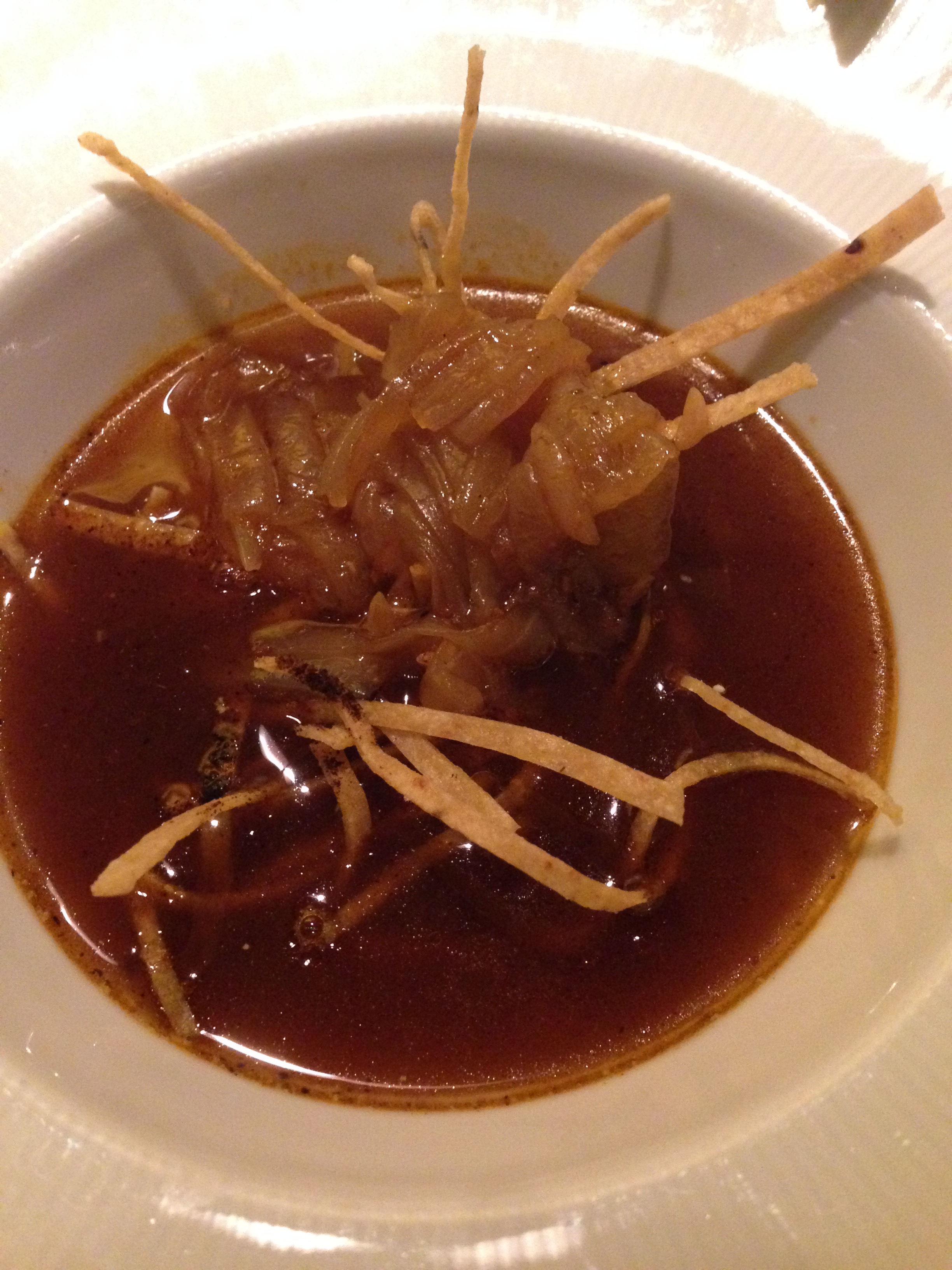
 Our waiter explained that it was pickled watermelon and radish topped with cayenne pepper. It was cool, sour, yet slightly spicy that primed our tastebuds for what was next. I got the sopa azteca (Aztec soup) that consisted of a medium heat pasilla pepper infused beef stock, incredibly tender chicken, cheese, and tortilla strips.
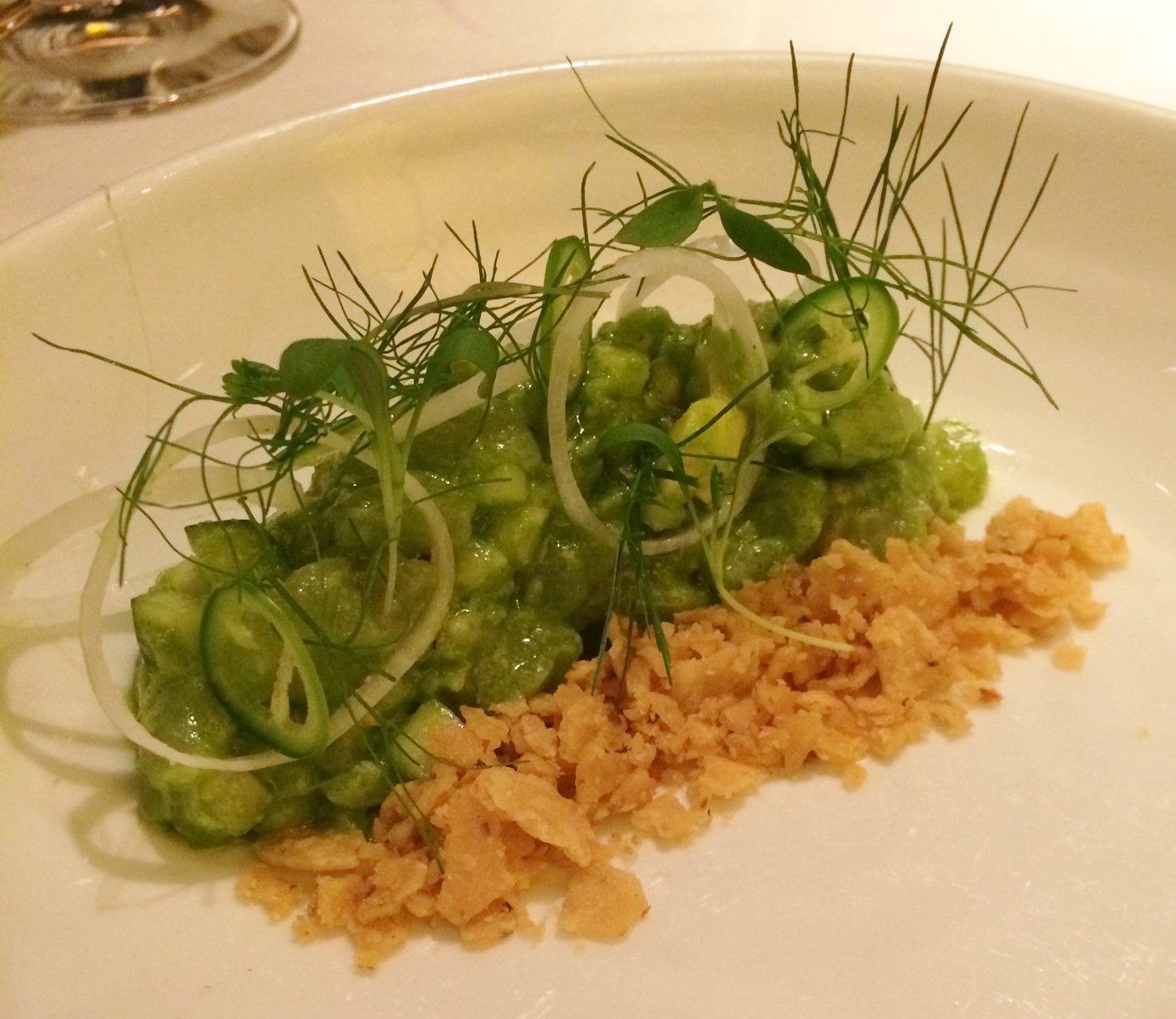
 It was simple yet warmed my soul on that dark and cold night. It kind of reminded me of a Mexican take on French onion soup. Janice’s first plate was a surprise knockout in terms of flavor. She got the Sand and Sea which was green ceviche on a bed of tortilla sand. If you’ve never had ceviche, it’s basically a room temperature salad made of tomatoes, onions, some kind of whitefish, and lime juice. In true Rick Bayless fashion, he turned this Mexican coastal favorite on its head with chunks of summer flounder, serrano chiles, lime, jicama, and avocados to give it that Hulk green hue.
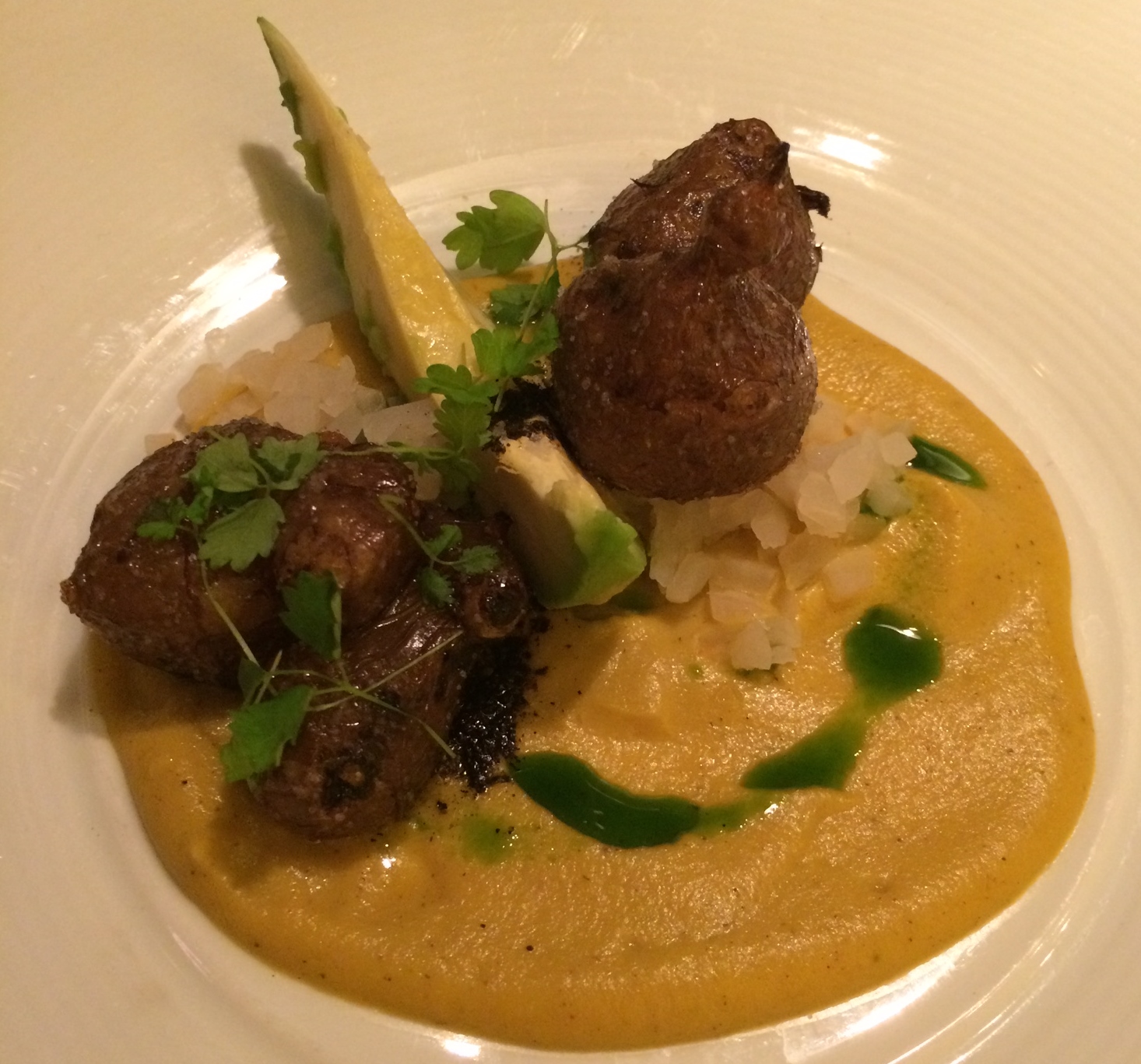
 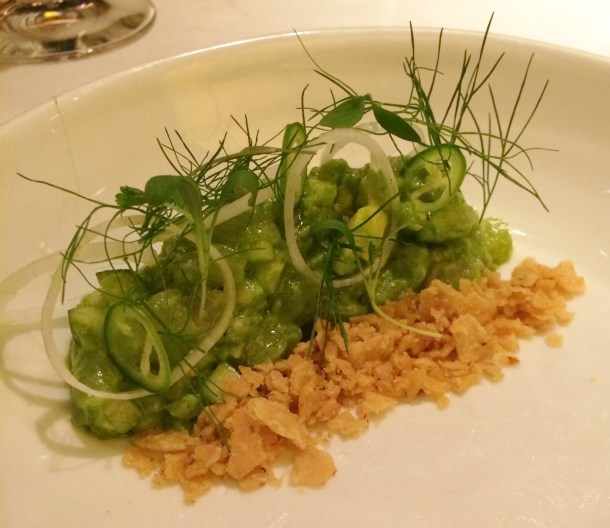 Coming from someone who is not a huge fish person, I loved it, and Janice, a bigger fish lover than I, loved it as well. It didn’t have that super “fishy” taste that might accompany some dishes; I’d liken it more to a lighter and thinner guacamole in terms of taste and texture. Next up was my beautiful girlfriend’s sunchokes. The name “sunchoke” was invented for this tuber that is kind of like a potato in terms of appearance in the 1960’s to revive the sales of this very old plant. However, the sun part supposedly comes from the Italian name for it “girasole” or “sunflower” due to the similar yellow flowers that grew wherever sunchokes could be found. As for the “choke” part, that came from famous French explorer Samuel Champlain sending back samples of the veggies to France from Canada and America noting a “taste like an artichoke”.
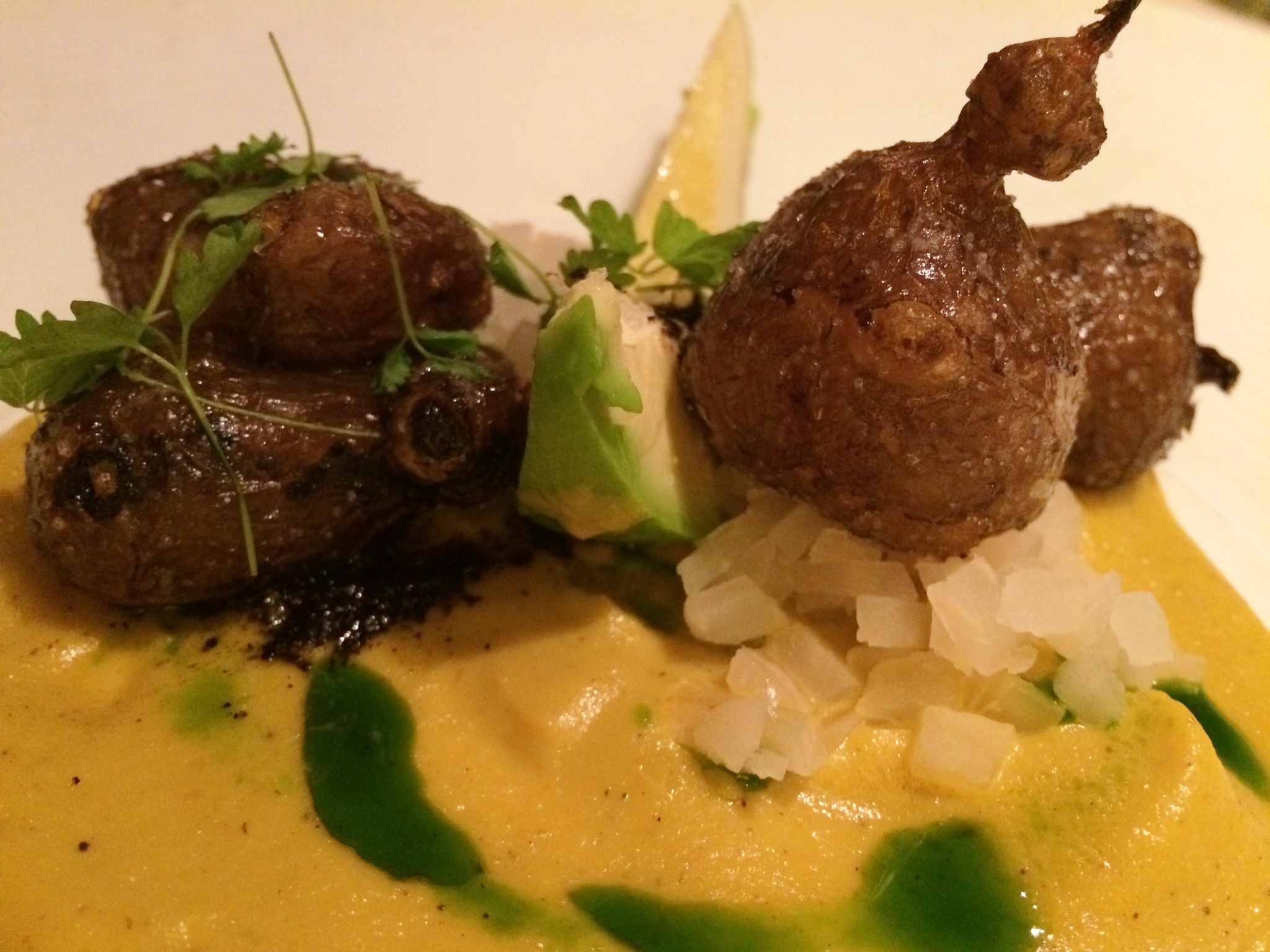
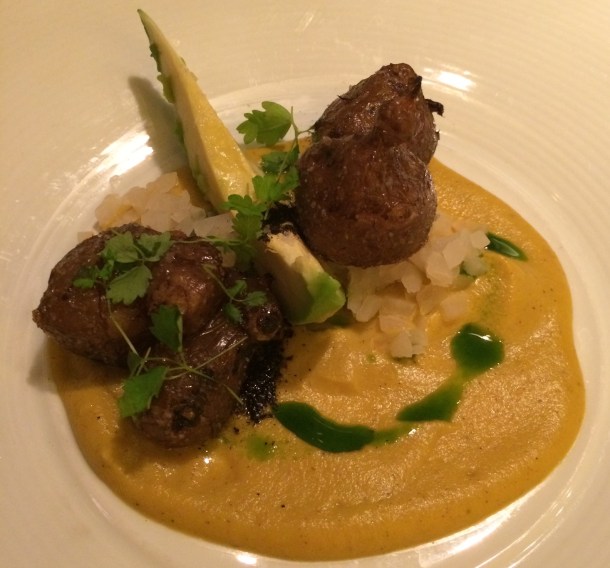 They were served in a recado blanco sauce from the Yucatan peninsula, a.k.a. the home of the Maya and every high schoolers’ Spring Break plans. It was a simple sauce that had some garlic, oregano, and some sweet spices to give it a semi-curry character with a guero chile mixed in to give it a vibrant yellow hue.
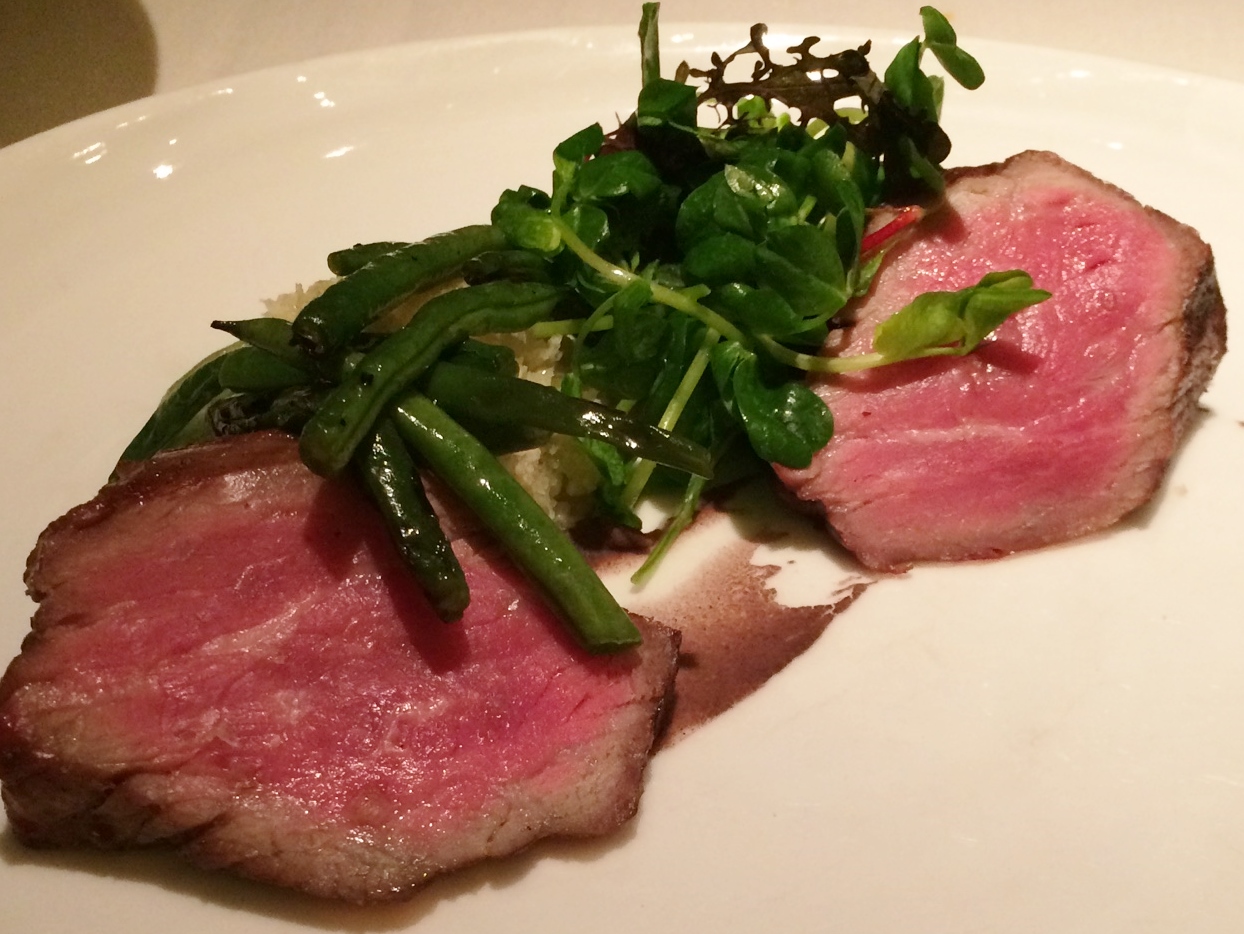
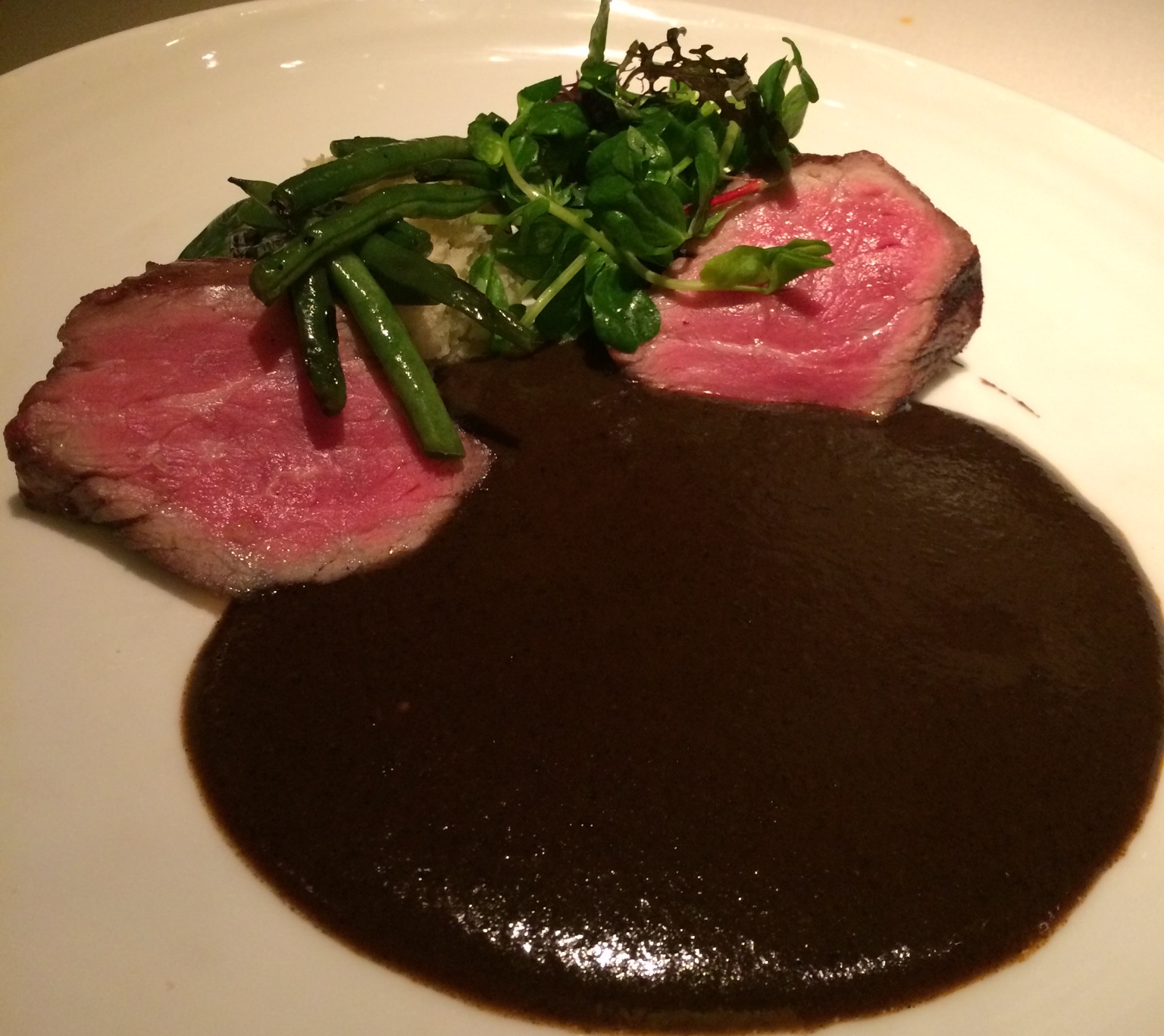
 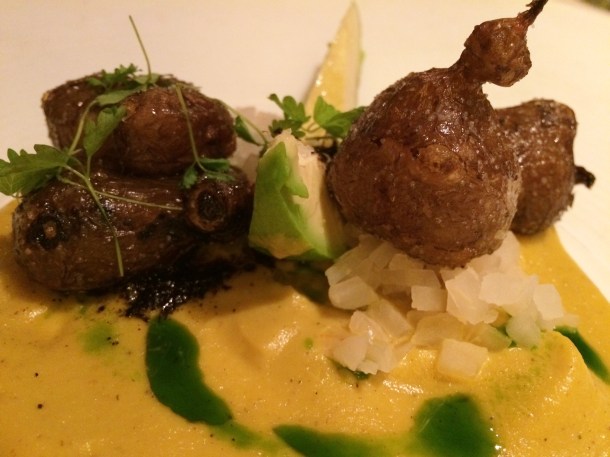 Underneath them were resting fermented kohlrabi pieces which were basically pickled turnips. It was both spicy yet savory and slightly sweet. The cool slice of avocado on the side cut down the spice when necessary. They were ok but not amazing in comparison to my second dish: the carne asada in mole negro. Now, a lot of people love the chocolatey, spicy sauce on their enchiladas, and much to my own surprise, I am not one of them. I love chocolate in all forms, but I normally shy away from mixing sweet and savory items. Topolobampo made me see the upside of this pre-Colombian sauce. First, there were the firewood-roasted pieces of ribeye that were small but extremely lean, and these exemplary cuts of meat were surrounded by smoked green beans and a small tamal of chipilin herbs.
 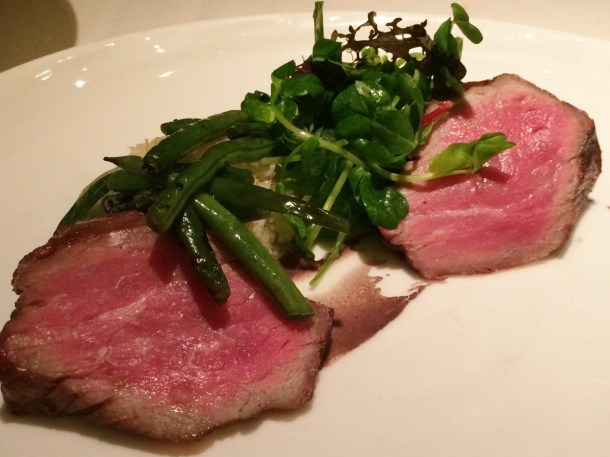 Mole comes from the Aztec word for “sauce”, and legend has it that a group of nuns threw a bunch of spices together with some chocolate to make sauce for the archbishop’s meal. He loved it and wanted to know what it was. One of the nun’s said, “I made a mole”, and thus the legend was born. For once, I was like the archbishop in a divine state of being when eating this plate.
  The Oaxacan mole wasn’t overly sweet like other moles I have tried; the chihuacle chili peppers really brought a little fire to each bite which I appreciated along with the other 28 ingredients that went into the delicious sauce. As for the meat, it was astoundingly tender and smoky to compliment the mole. The same could be said for the green beans. Next, I got goat barbacoa which was served two ways. The lower layer was slow cooked goat that could be found in a Jalisco birria stew while the top was a panchetta or cured piece of goat that was crunchier.
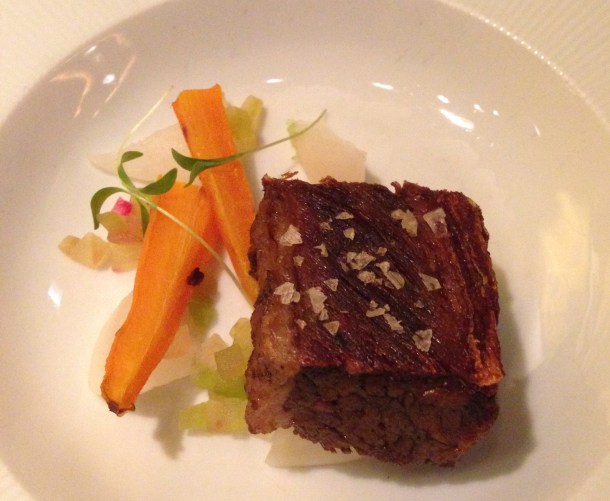 It was served with garnishes on the side that were fresh, but the goat when it was coated in the red chili sauce was rich, almost too rich for its own good.
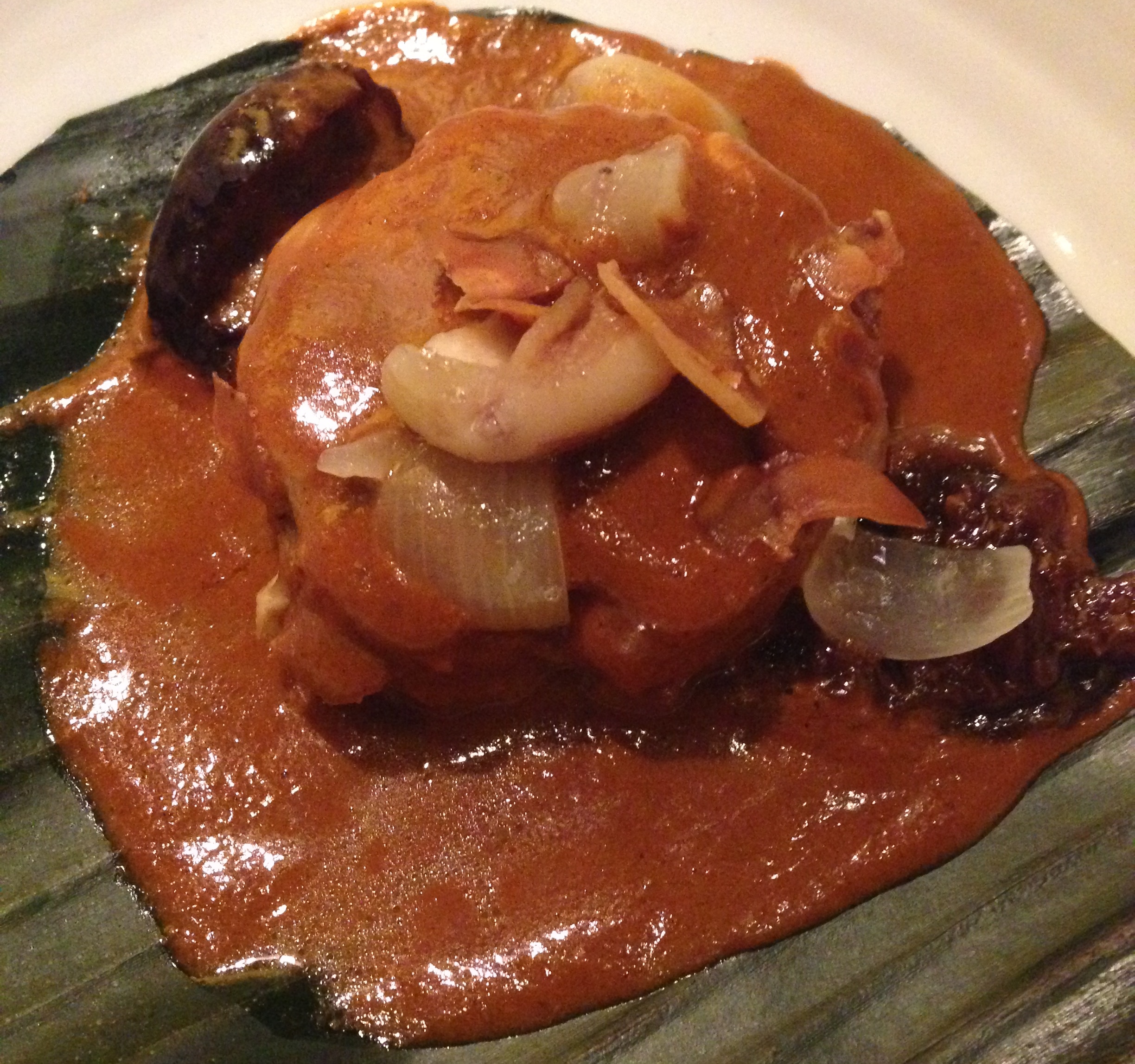
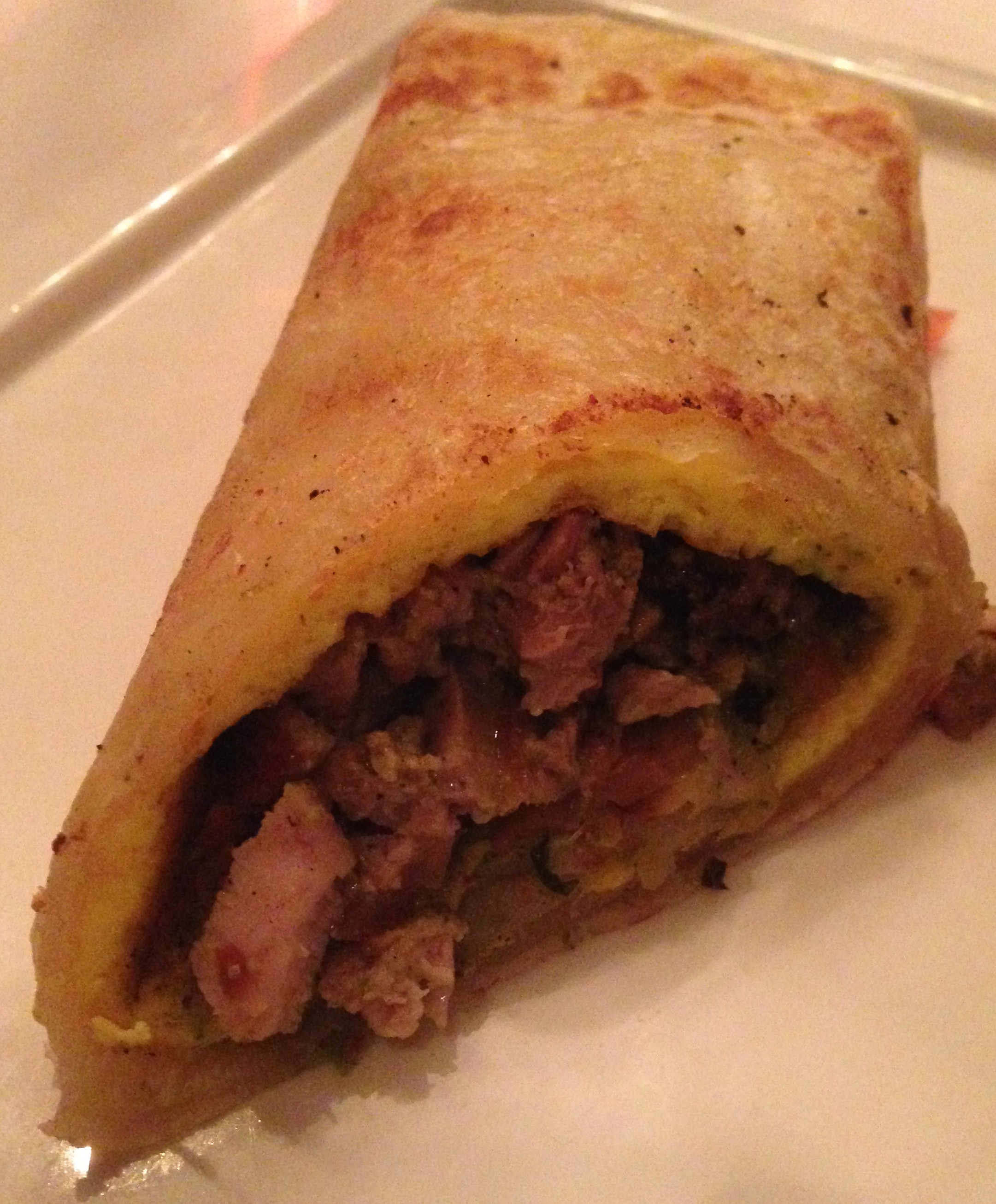
 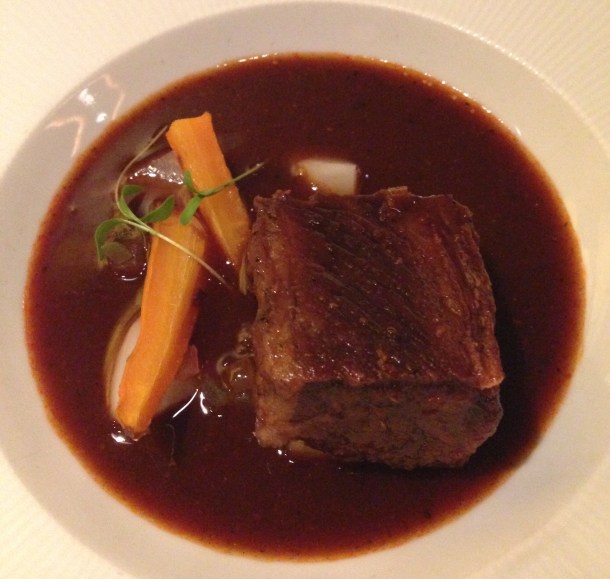 While the barbacoa was melt-in-your-mouth quality, it was a bit too salty for my liking. Janice’s tamal festivo that was stuffed with turkey, chestnuts, and coated in a red mole sauce was like a Mesoamerican take on a traditional American Thanksgiving dinner.
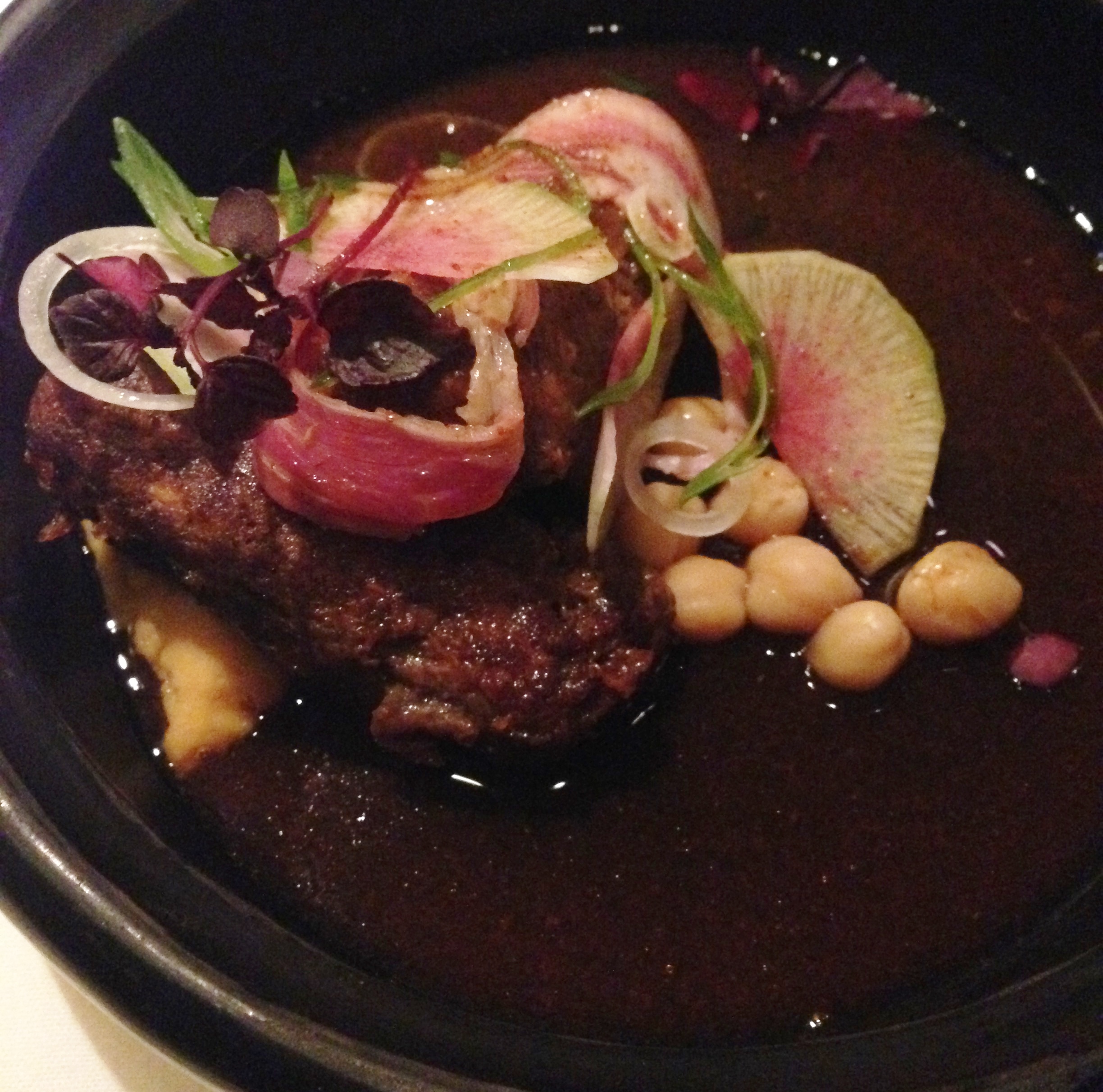
 I was very thankful she ordered it because it was extremely comforting and hearty. Our final round of savory plates took us to two stewed dishes. I got the mole de olla or (pan mole) which consisted of beef short ribs wallowing in a ancho and guajillo mole while being topped with some zesty and sour prickly pear fruit
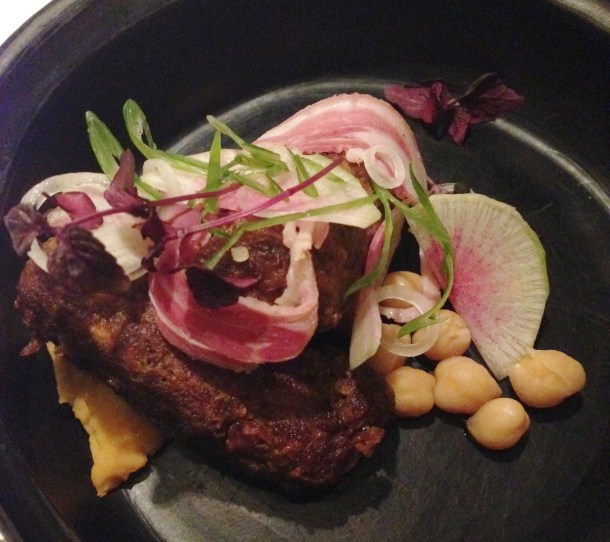 .
.  It covered every taste bud with an explosion of flavors, and I highly recommend this dish. Janice’s suckling pig was equally decadent.
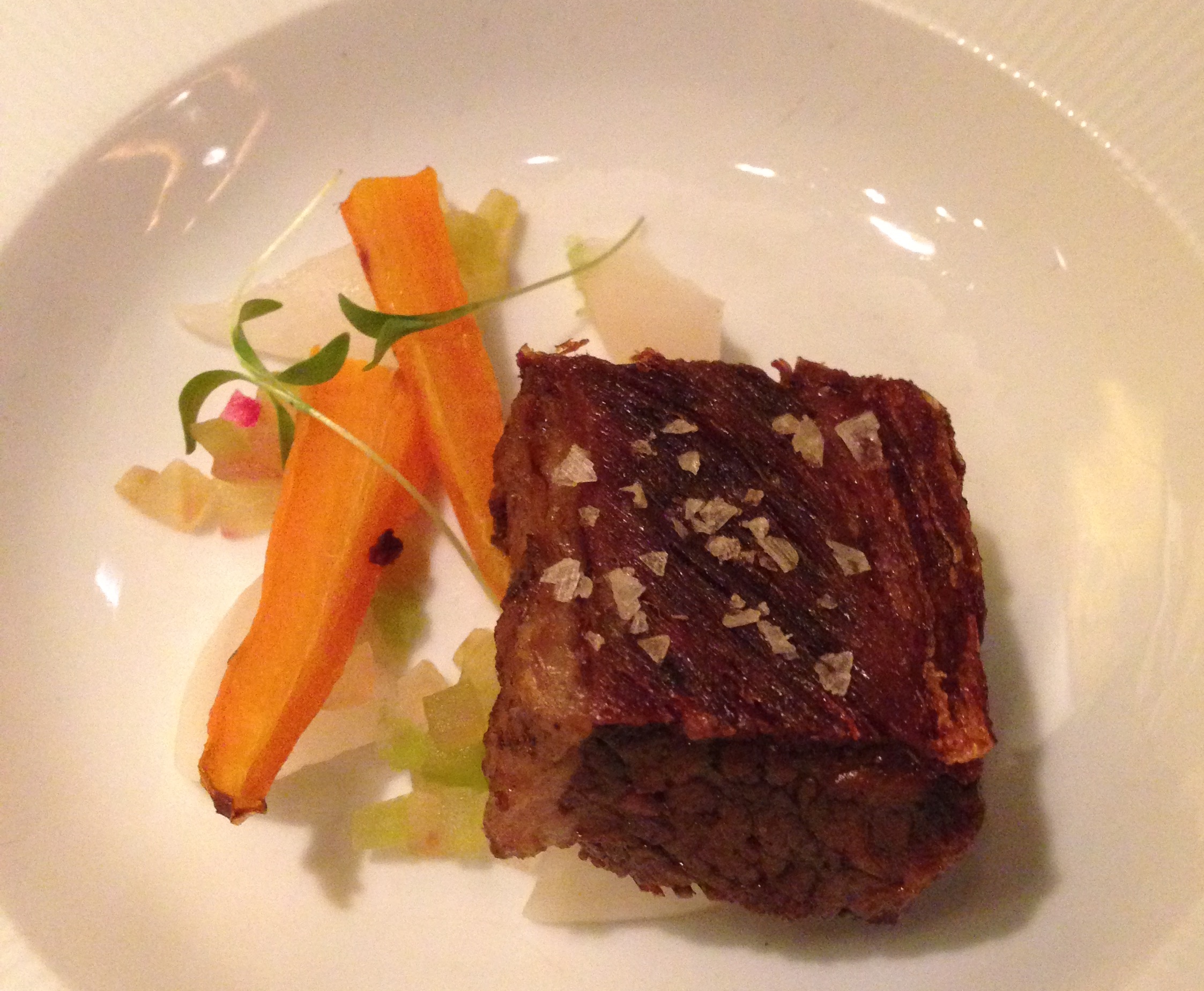
  The braised pork was succulent, overshadowing the greens, and further embellished with the extremely thin veils of 14-month dry cured ham resting softly atop this tiny nugget of greatness. Even after all of these dishes, we still had room for dessert because as the maxim of high end dining held true where it was a series of small but high quality ingredients that satisfied us, but we didn’t feel stuffed.
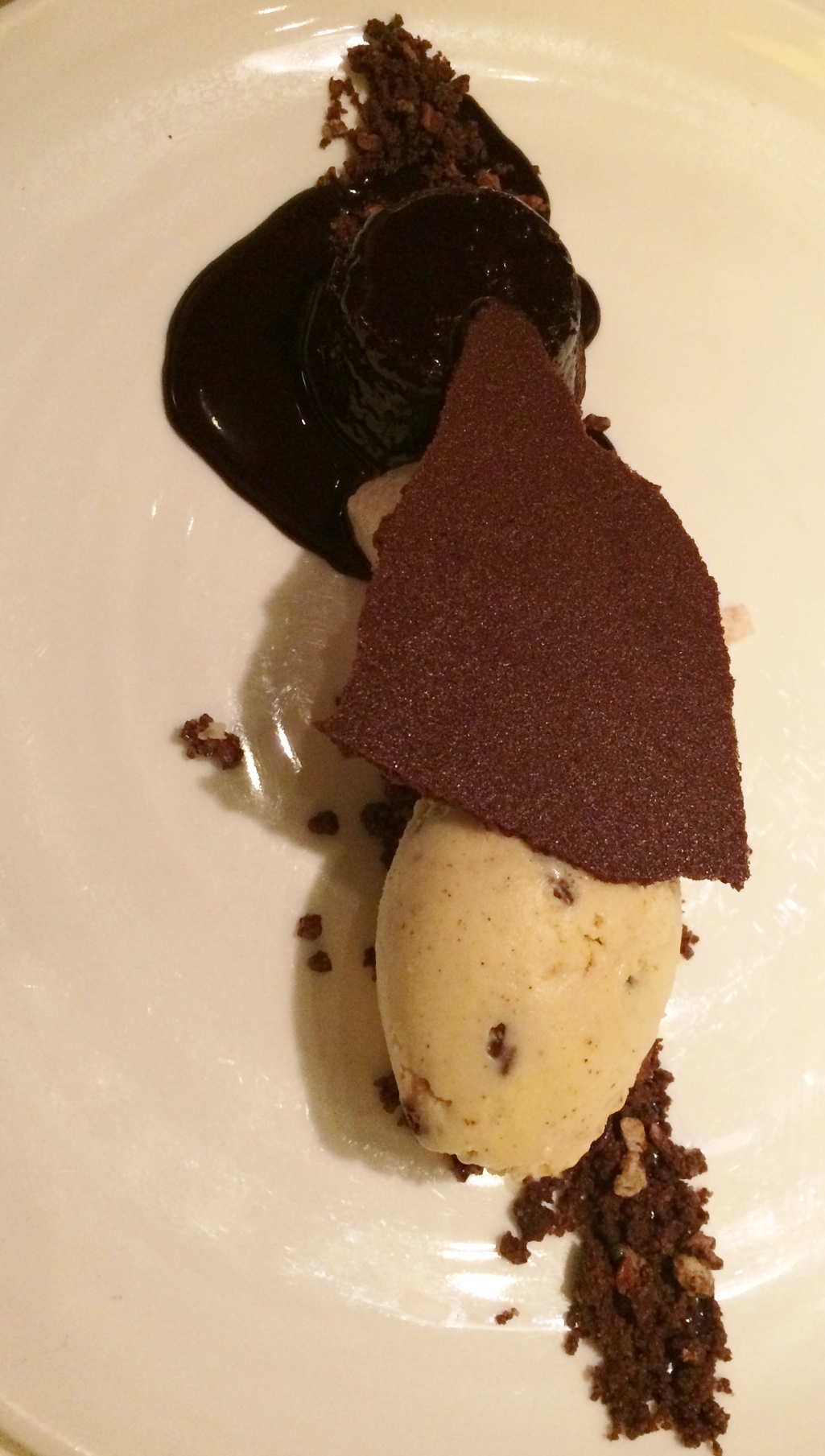
Dessert was just as over the top and true to its Mexican roots. The cacao tree was an homage to the sacred cacao bean that was considered a drink and food only reserved for Aztec emperors and gods. A piece of milk chocolate bark lay across three different forms of the dark stuff. 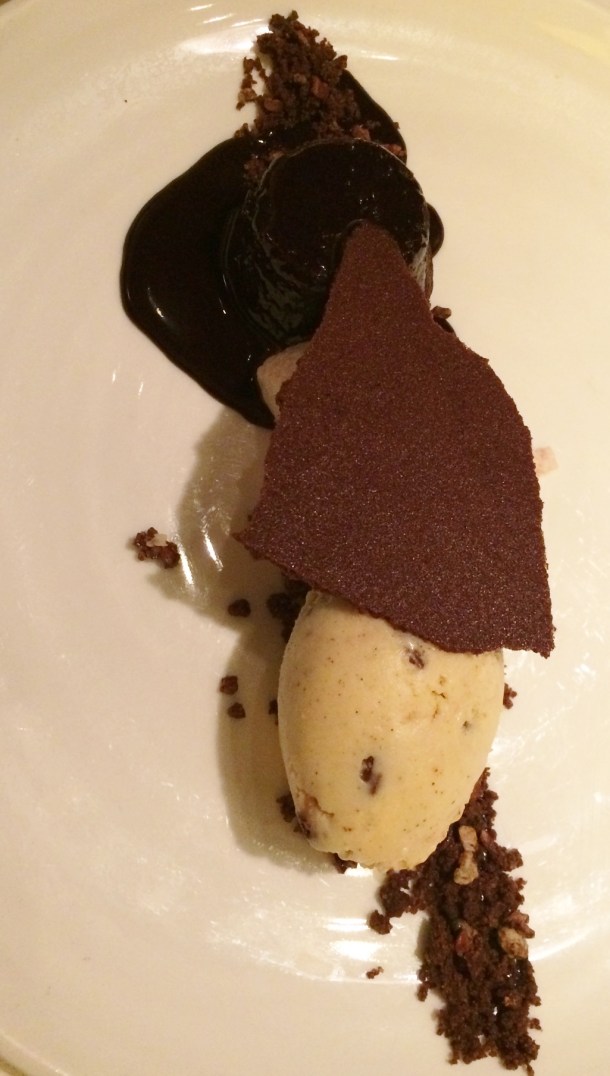
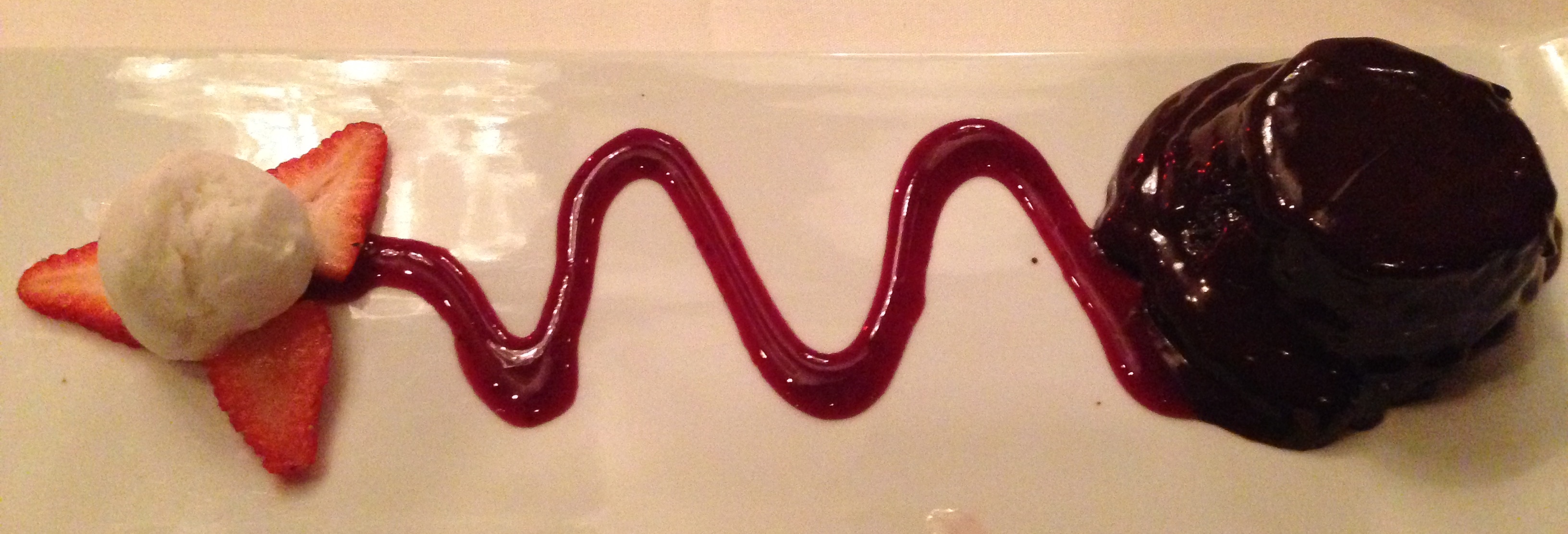
 First, there was the moist lava cake that was made with house-made chocolate straight from Tabasco, Mexico. Words cannot describe how delicious this element was.

Clearly she liked it.
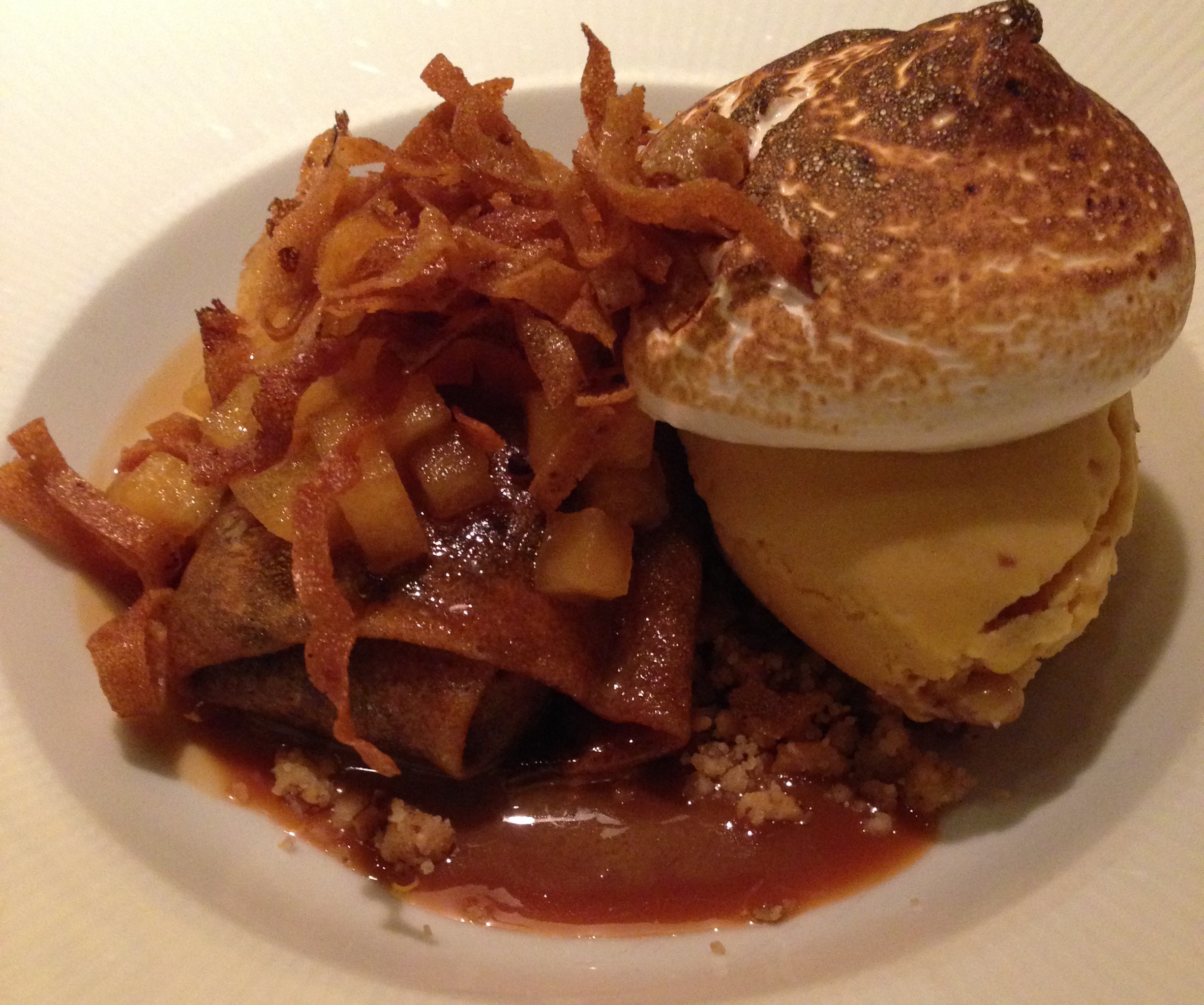
Next, the cacao fruit mousse was the opposite in the sense that it wasn’t extremely rich but rather a smooth and sweet raspberry and chocolate cream. Finally, there was the rosita de cacao ice cream that was like a lip-smackingly great French vanilla combined with a generous helping of chocolate chunks from Chiapas, Mexico. Janice got the crepas con cajeta (crepes with cream) which was just as great. 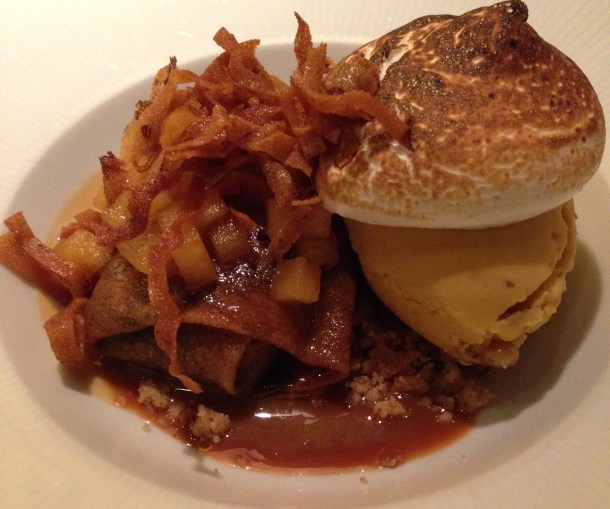 The crepes were slightly warm and filled with bittersweet dark chocolate ganache that became gooey due to the heat, and the pumpkin spice and pecan toffee ice cream on the side started to melt that made it perfect for the Fall. On top of all of this, there was a meringue and warm apples that made it a mixture of European and pre-Colombian influences to make my stomach very happy. The final two desserts were the winter buñuelo de viento and the guava atole. The former was the antithesis to the cacao tree since it was all white errthang.
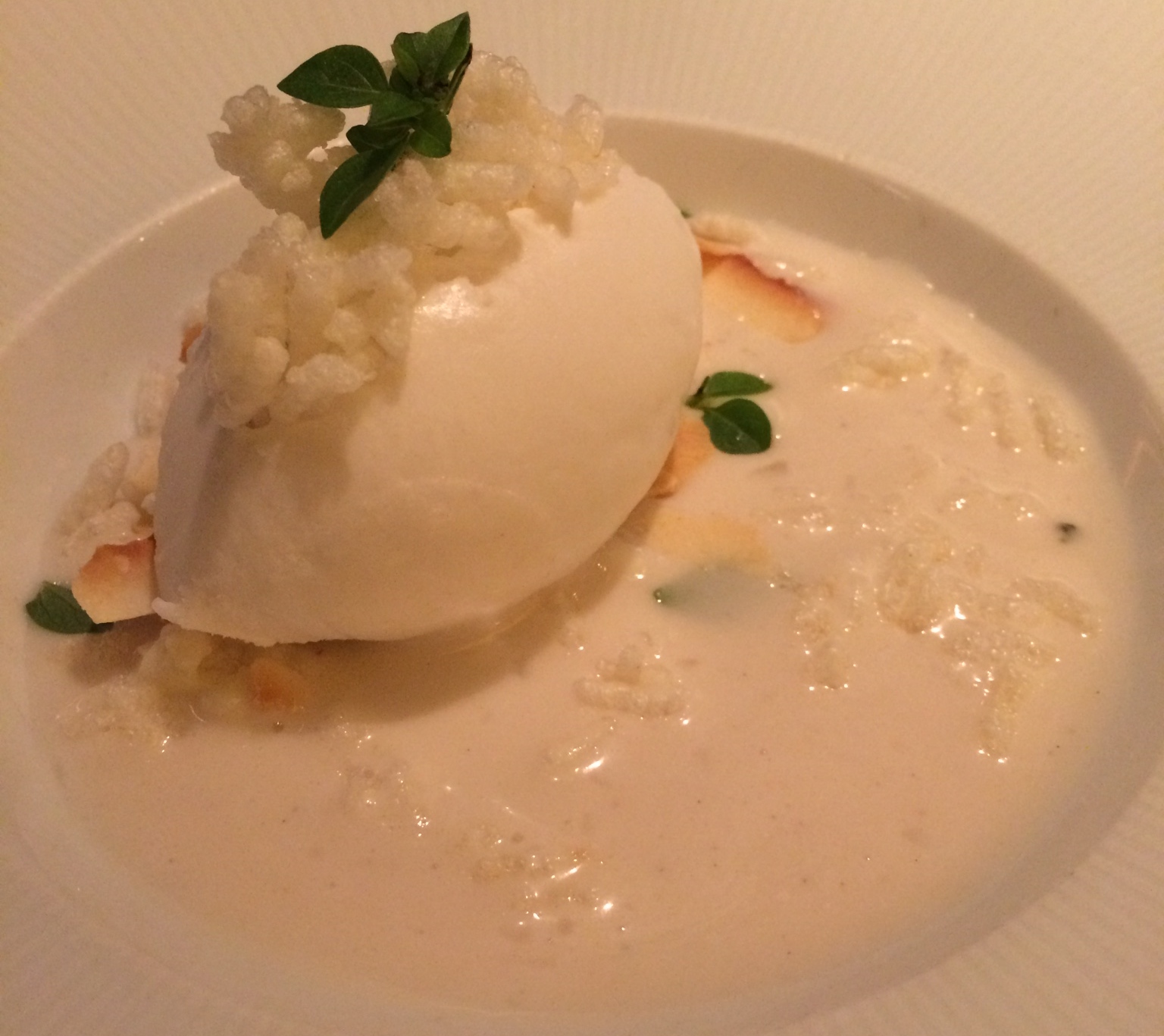
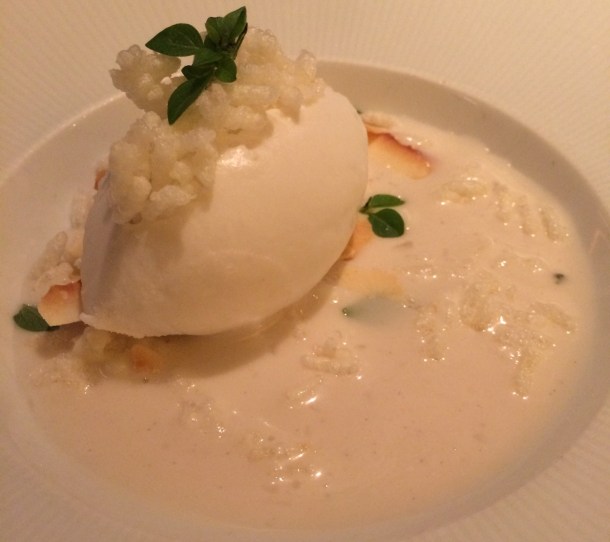 It consisted of a scoop of vanilla-brandy ice cream topped with puffed rice stewing in a warm traditional Mexican ponche or “punch” infused with hibiscus, tamarind, brandy, sugarcane, and tejocote apples. The latter, the guava atole, was a complete nod to the Aztecs who invented the corn and flour drink.
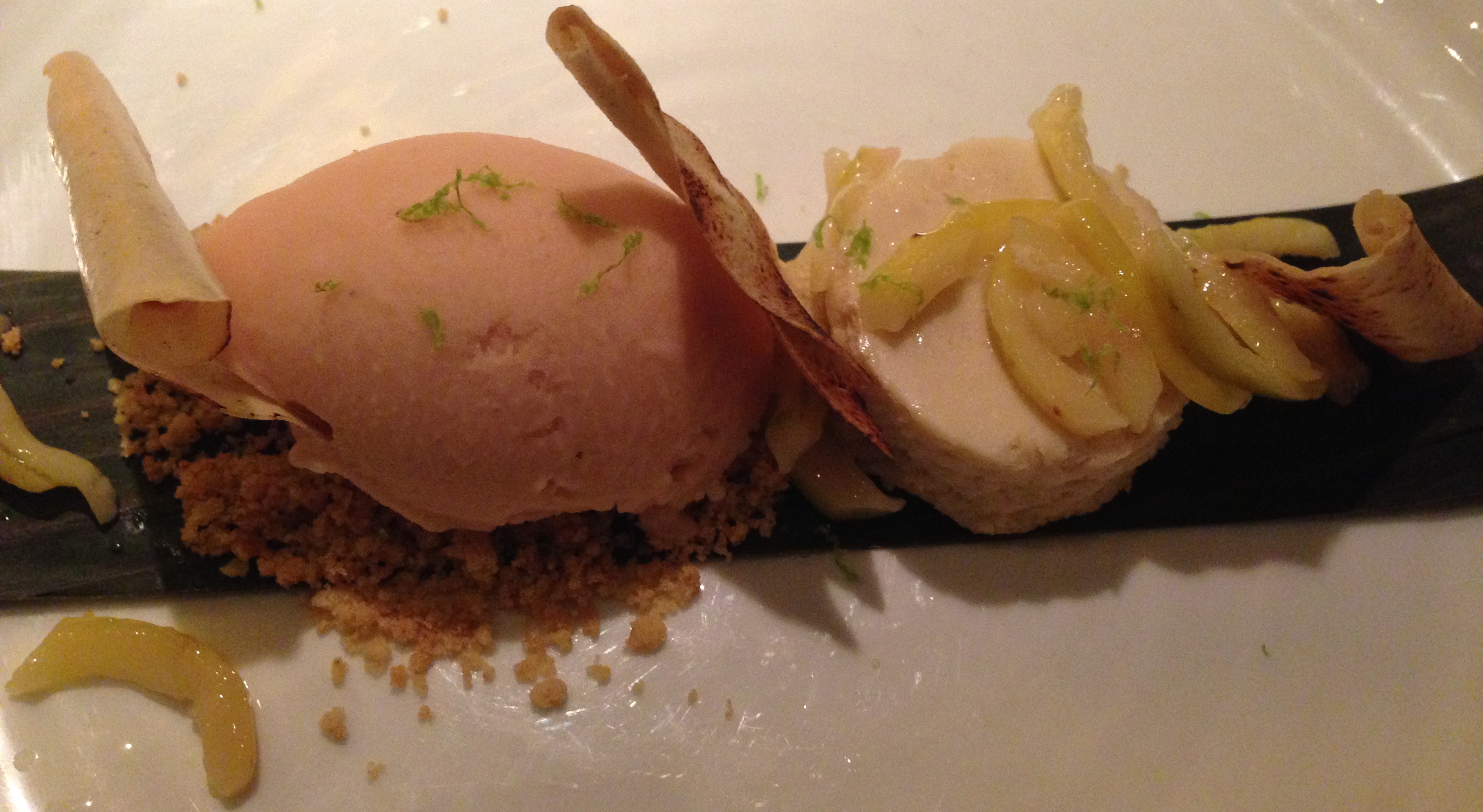
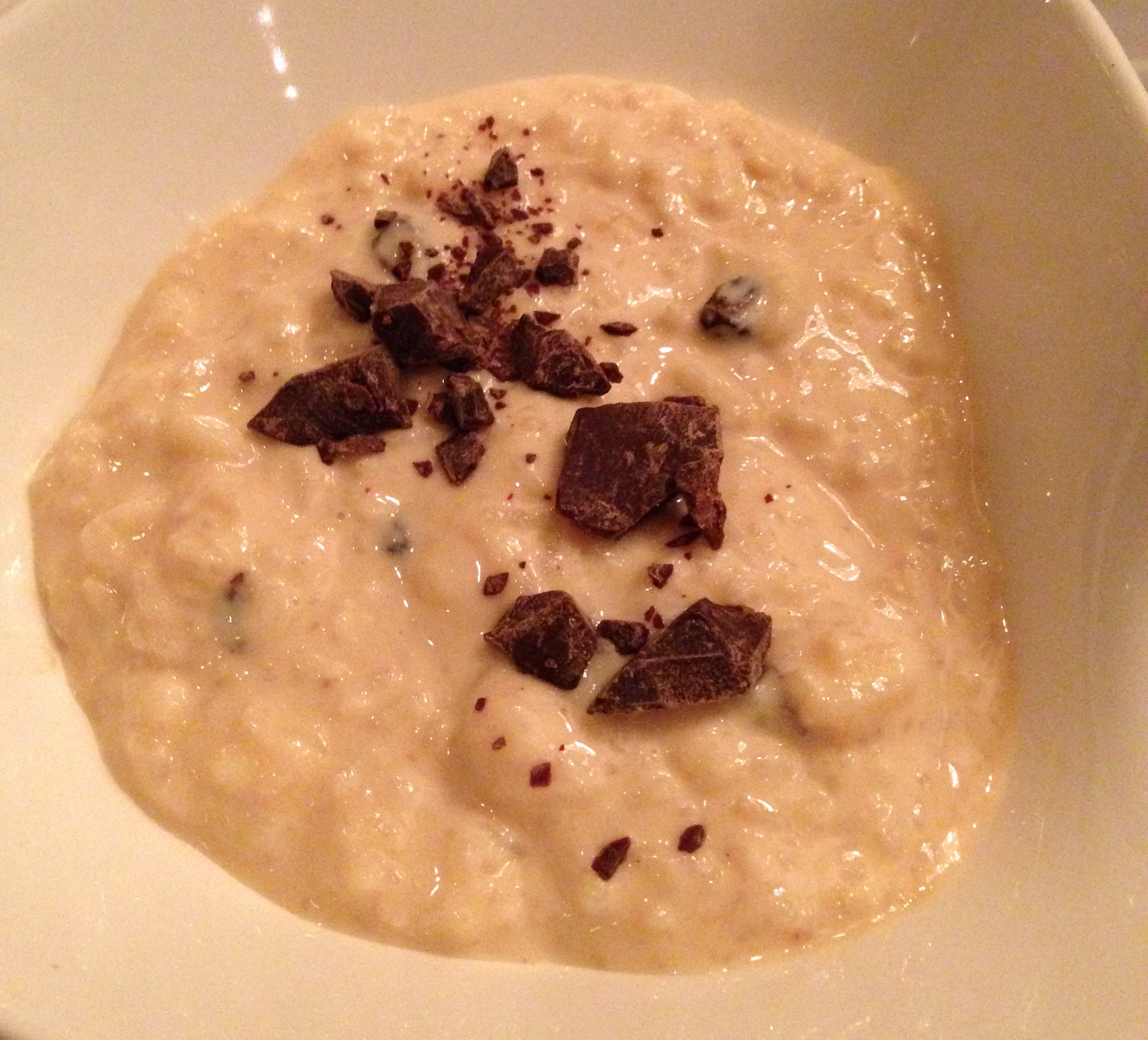
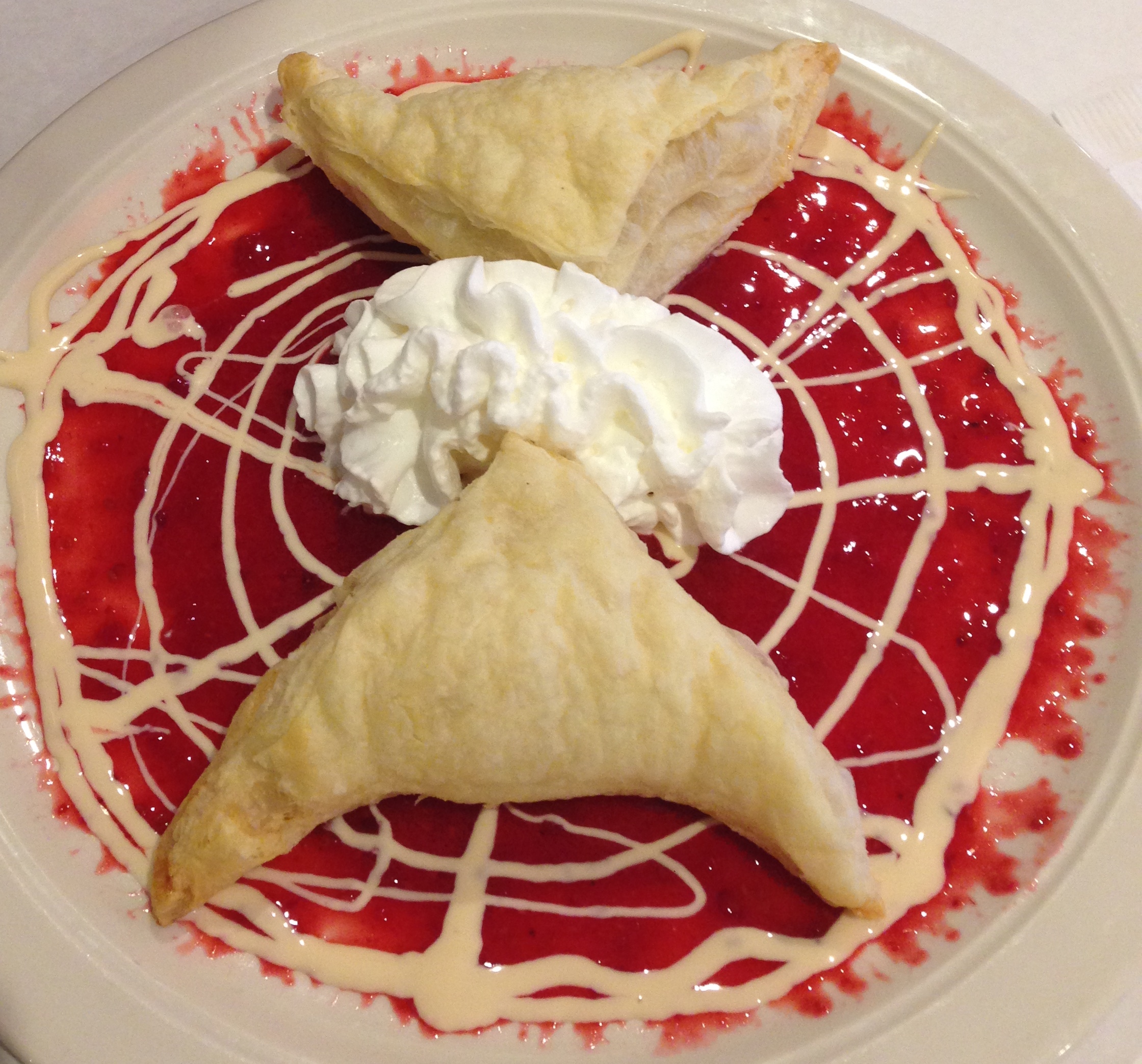
 On one side there was a steamed masa corn cake that was semi-sweet and moist. Then the atole guava ice cream was on the other side where the sweetness of the tropical guava mixed with a slightly starchy element. I liked the crunchy masa strips and flour crumbles because they brought both a change of texture along with an almost pie a-la-mode feel with the ice cream combined with the crumbles. It was my second favorite dessert behind the cacao tree.
By the end of the meal, we were greatly satisfied, and it was a fantastic birthday from the beginning to the end even though I never found out how much everything cost haha. If you want some gourmet Mexican cuisine at reasonable prices for high end diners, I highly recommend Topolobampo!

Winter bunuelo de viento
guava atole

 So, I put our name in and got a post it with a number on it. It’s a simple but functional system they have for alerting customers when their tables are ready. You have to try and hear your number on the Post-It note being shouted out first in Chinese and then in English above the din of the restaurant. Eventually, they yelled out my number, and they quickly seated me.
 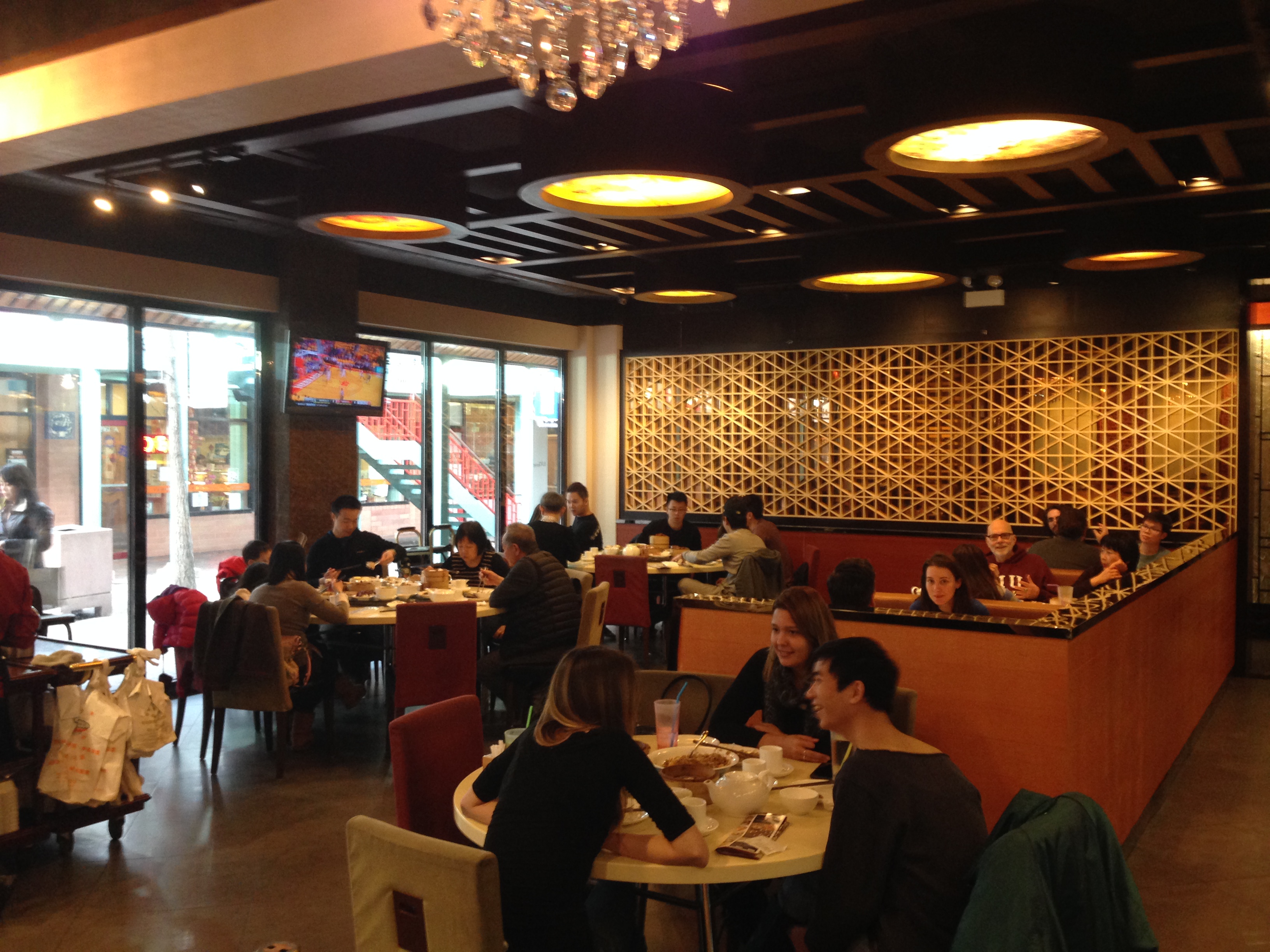 They offered me a selection of teas to sample while I was waiting, so I plumped for a pot of chrysanthemum tea. Janice took a seat opposite me soon thereafter, and we sipped on the tea that oddly looked like urine.
  Thankfully, there was no trick to be had there, but it wasn’t Janice’s cup of tea. I found it to be quite interesting with its earthy and highly herbal personality, but a bit more intense than the green or black teas I’m used to. While the tea was warming our bellies, we looked over the two different menus on the table.
 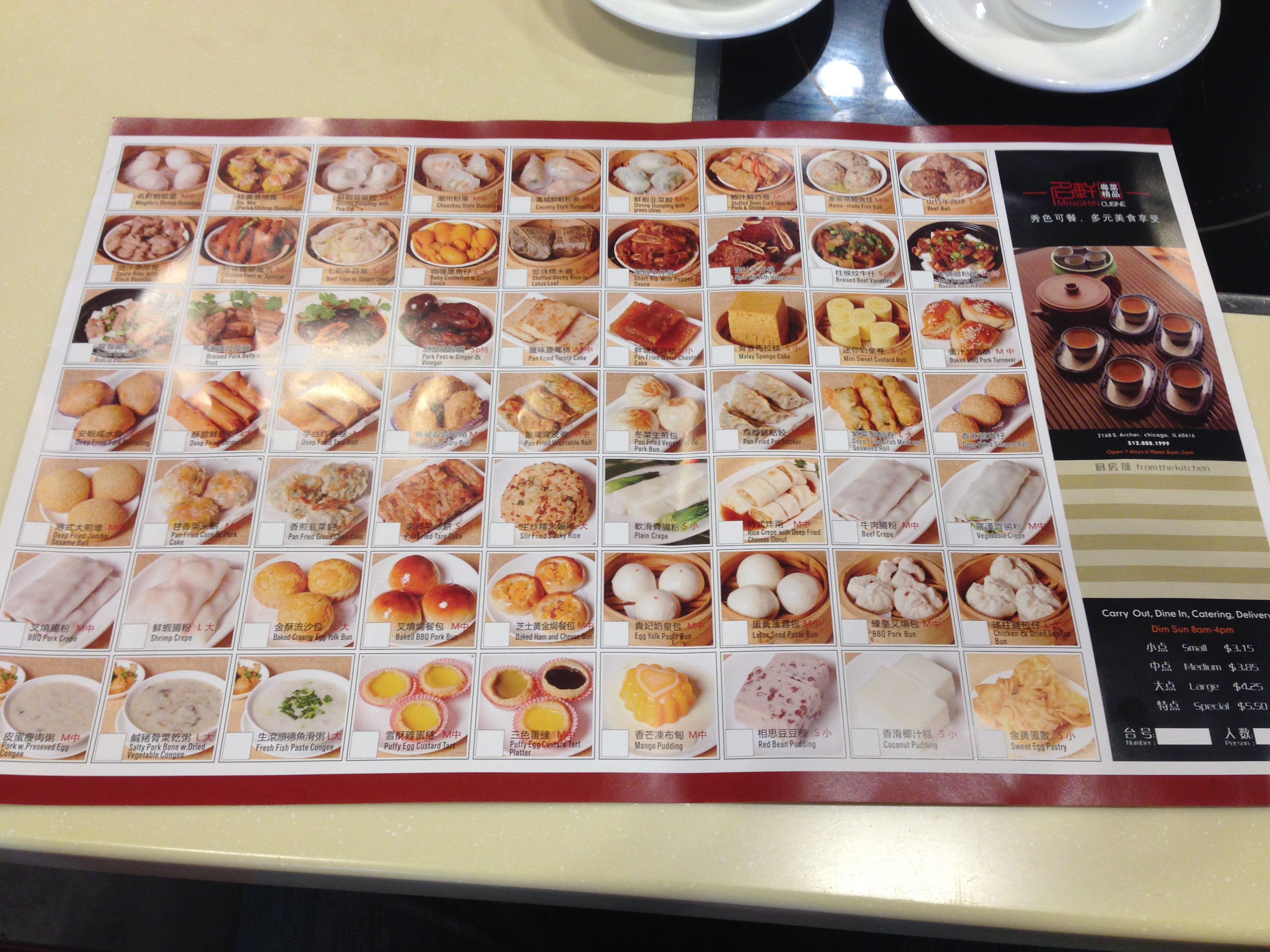 One consisted of the dim sum options we could pick from while the other menu was more focused on barbecue. After much intense deliberation and taking into account Janice’s recommendations from her previous visits, we made our choices.
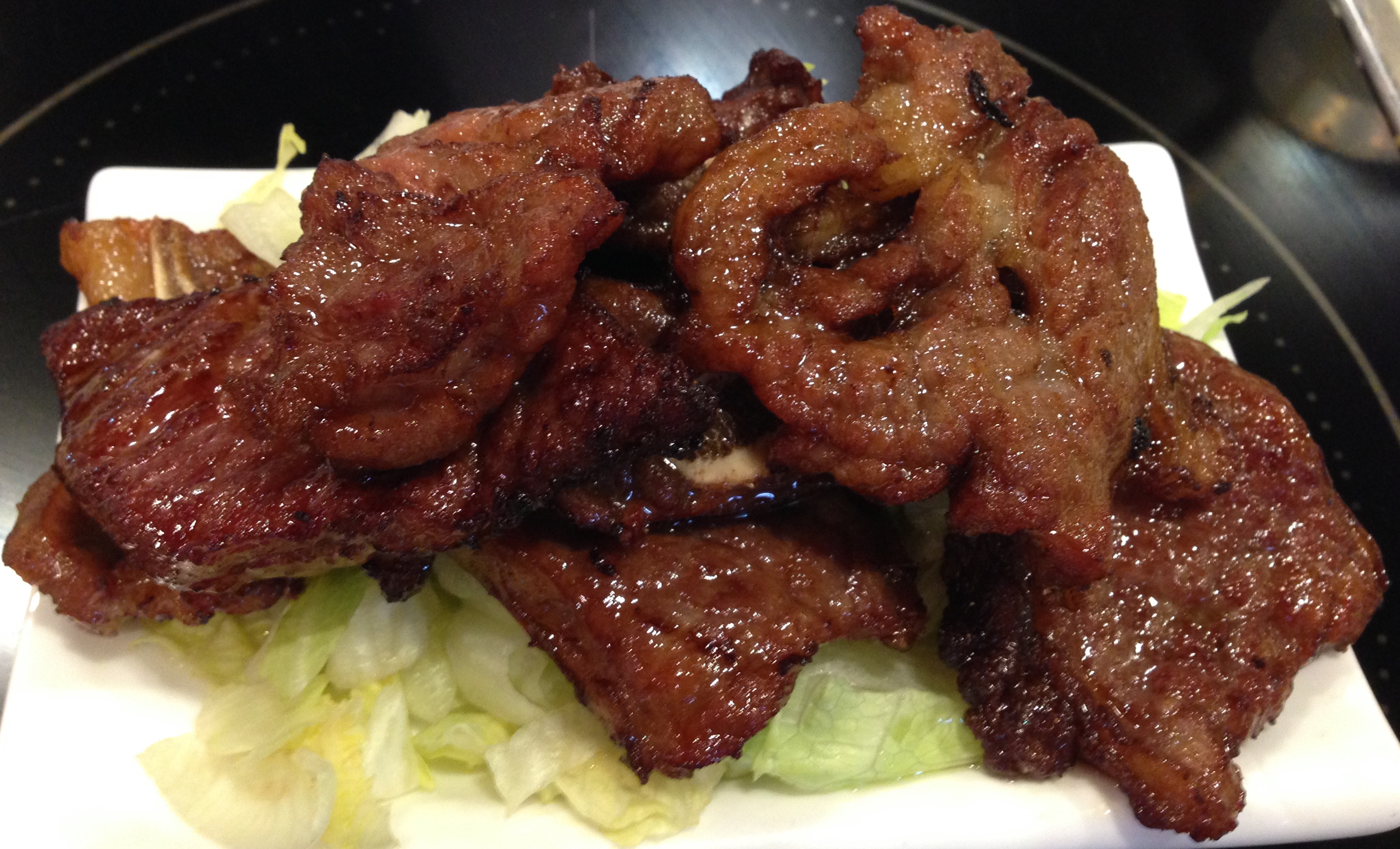 The honey spare ribs were lip-smacking good minus the bones, but the taste was similar to Korean kalbi ribs with a soy marinade that was both sweet with a little salt mixed in. Then there was the pork belly.
  Talk about a contrast of flavors and textures. The top of the meat had a thin yet crunchy skin of sugar and perhaps a bit of cinnamon that was the perfect compliment to the multi-layered and uber-tender and juicy pork.
 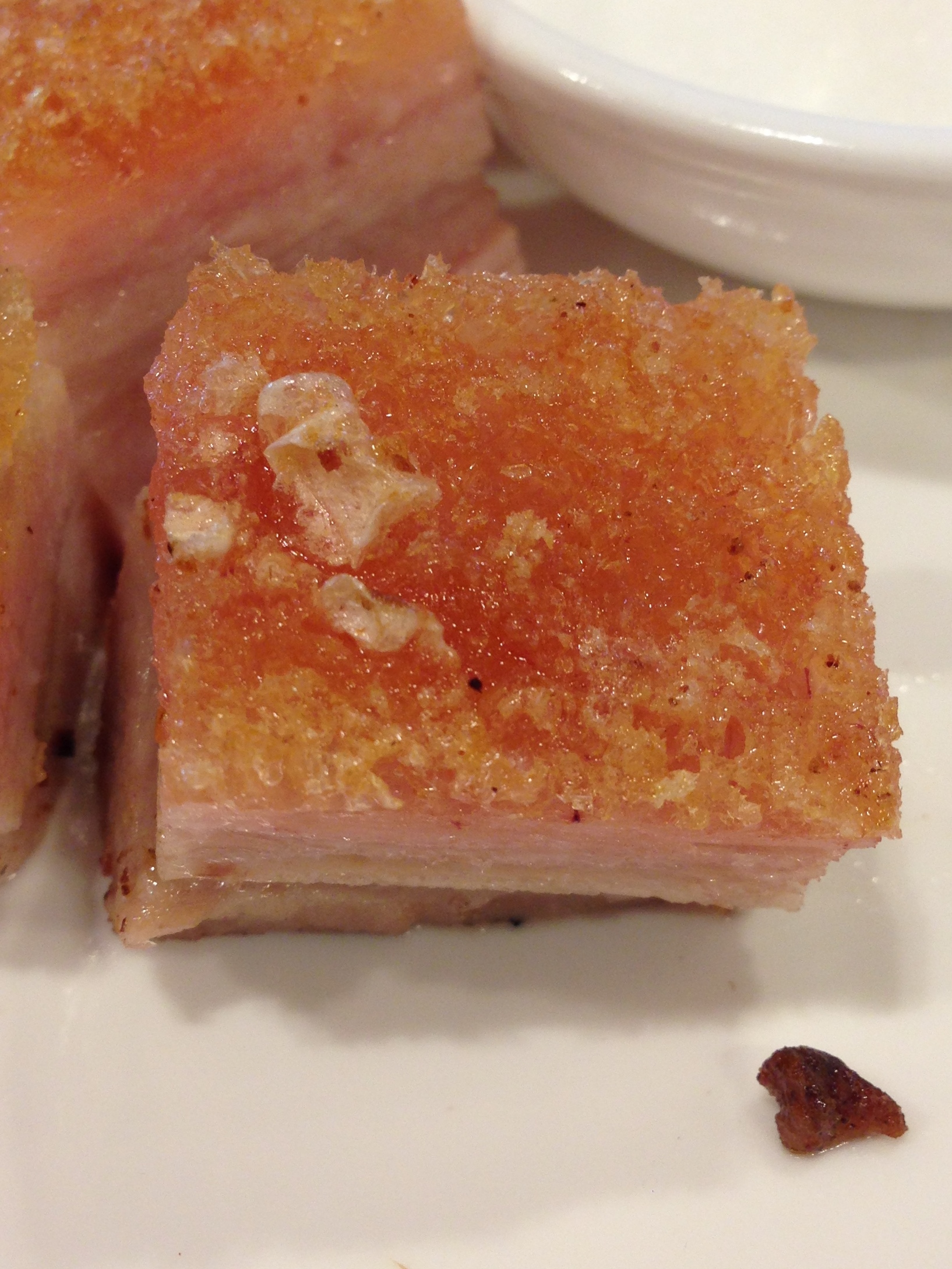 These nuggets came with a side bowl of sugar to dip them in, but I found it to be a bit excessive. We also had a side of fried sticky rice, but I was not impressed at all by this bland and flavorless pick. We moved on from the meaty opening salvo to more traditional dim sum options like the barbecue pork buns, fried sesame balls, siu mai, shrimp egg rolls, and chao zhou dumplings.
 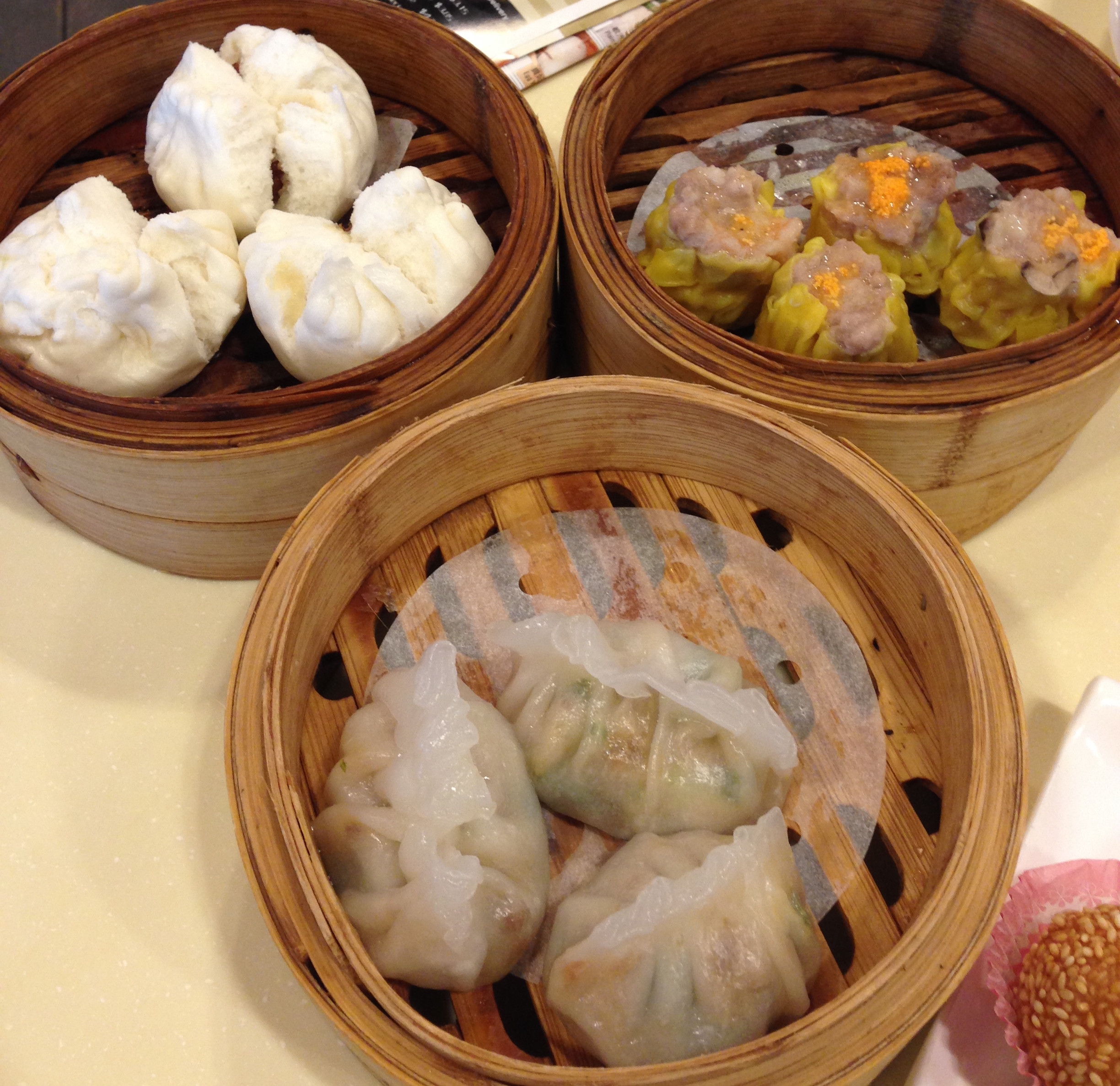 All of the dim sum plates are priced based on size with small ($3.15), medium ($3.85), large ($4.25), and special ($5.50). I won’t go into tons of detail with most these plates since I’ve tried these a million times over. I did love my bbq pork buns because they were fluffy and filled with that sweet sweet char siu style pork. As for the sesame balls, the ones at MingHin are my new favorite ones because they aren’t filled with my old enemy of the Far East: red bean paste.
 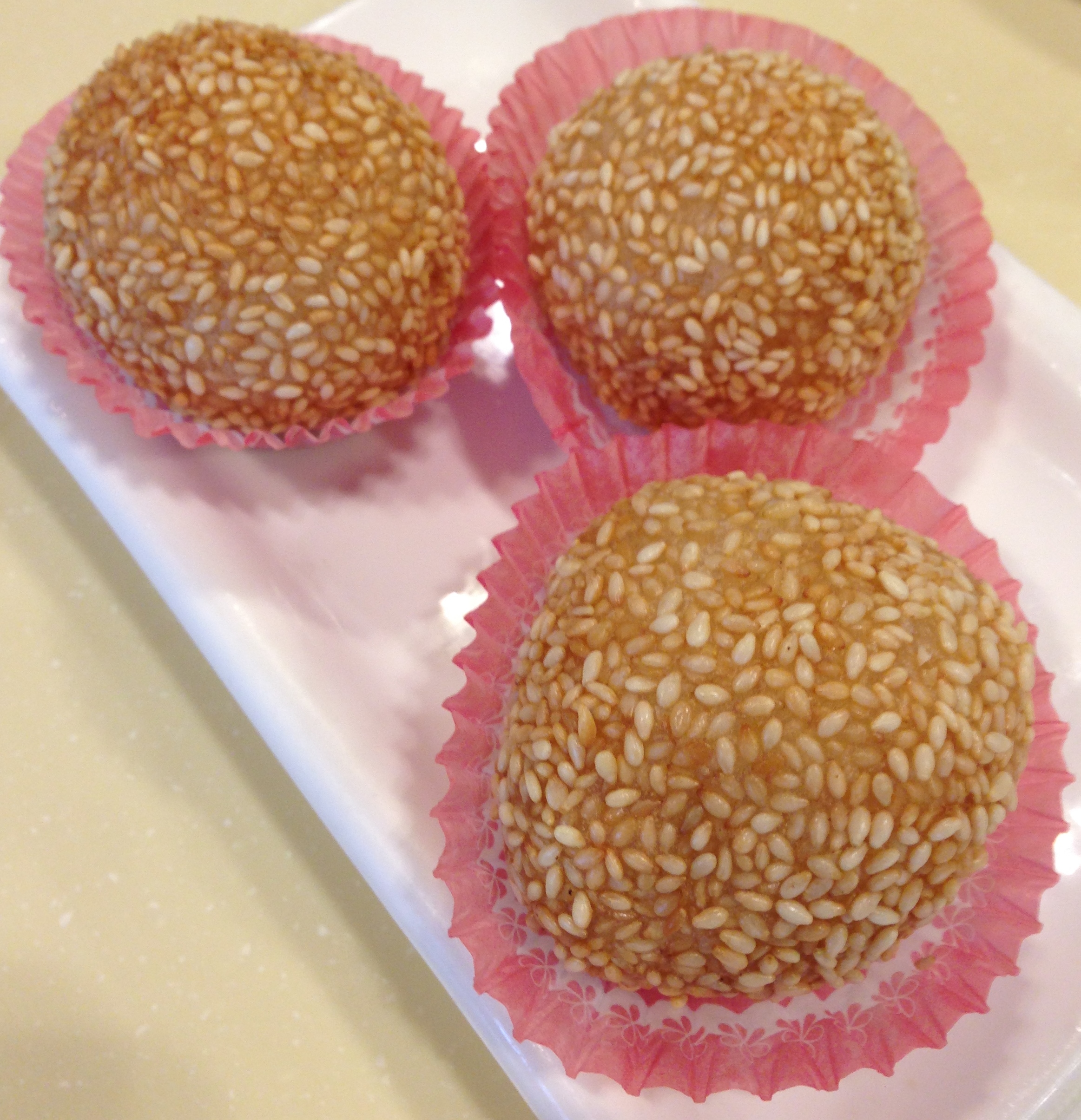 Instead, they are filled with a more neutral and less obnoxious white bean paste. What I found out at a later visit is that if you get the giant fried sesame ball, they just give you fried slices of the chewy rice paste that is coated with plenty of savory sesame seeds and no beans to be found. Another stand out in this meal were the chao zhou dumplings I ordered. They were filled with pork, but two huge surprises were the crunchy peanuts and the slightly spicy kick with each dumpling. Another great pick were the shrimp egg rolls.
  They were slightly addicting with their crunchy, golden-brown exteriors that were light and not greasy at all with plenty of shrimp inside. While all of these choices were quite standard, I knew I had to try something new, something slightly frightening to those who are happy to stick with the tried and true favorites. Enter the pork knuckle and lotus root.
 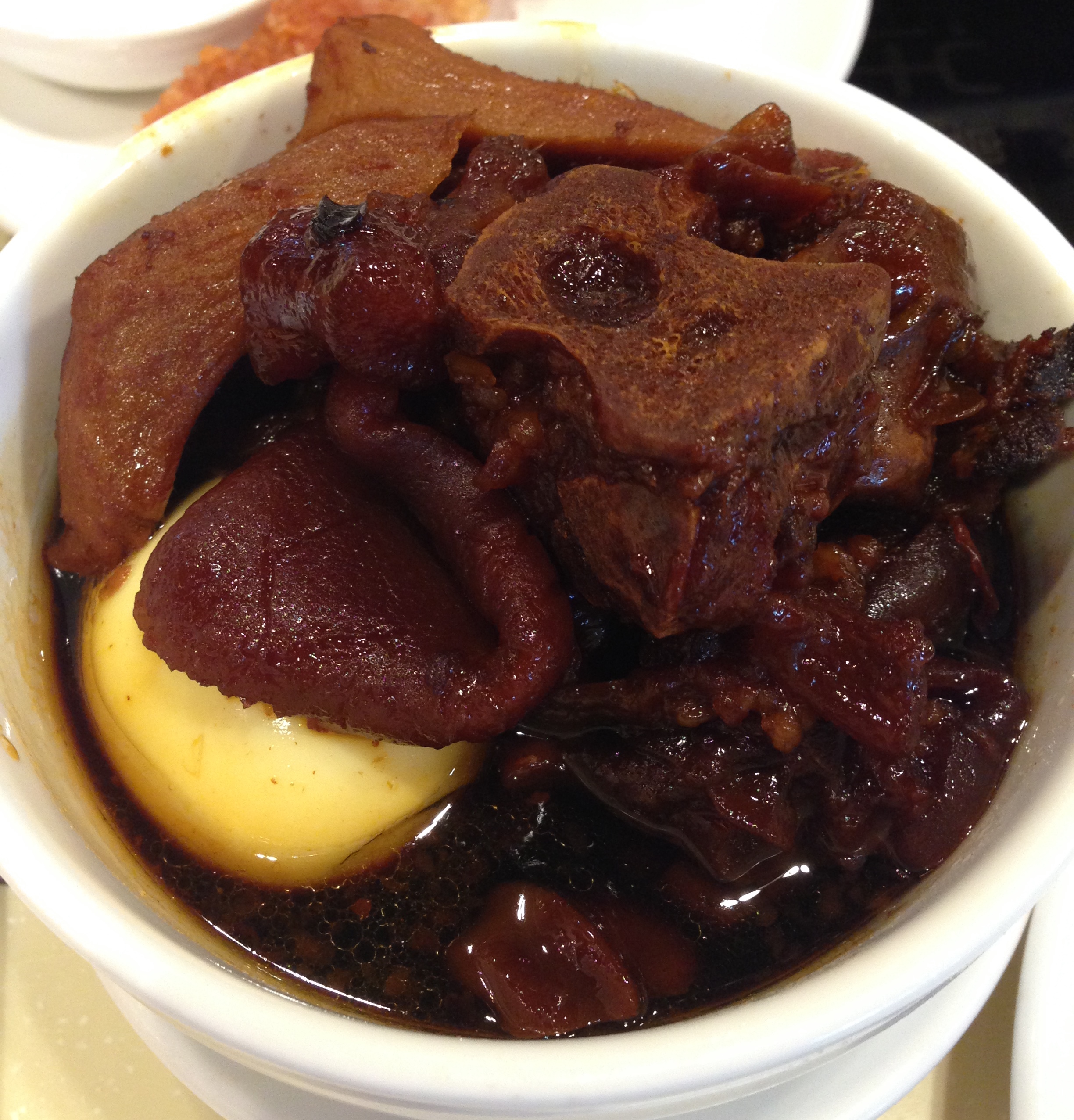 When it was placed in front of me, it looked intimidating, but I’m not one to back down from a culinary challenge. I picked up a piece of the burgundy flesh, and it was oddly soft.
 It was like eating ginger-flavored jelly.
 It was slightly unsettling but not terrible once I got used to it. I also tried one of the lotus roots as well, but it left me with a sour taste in my mouth. I’m glad I tried it, but I won’t get it again. I’ll just stick to chicken feet. By the end of the meal, we were quite happy with the food we got and for the reasonable price.






























 Mastication Monologues