An Elephant Never Forgets 100 Posts

Posted on

Hey y’all!  So this is another installment of Mastication Monologues from my recent vacation for the Korean Thanksgiving holiday.  Actually, now that I think about it, this is my 100th post!  I never thought I would keep up with my blog for this long, and I would be trying so many different types of food and sharing my findings with the world.  Thanks for all of your support!!  Yet I regret having not started it earlier to record some great restaurants I visited in Europe whose names escape me now.  Alas, the show must go on, and this will be epic!  So that brings me to today’s post where I traveled to the island of Macau.

Before I left, my friends told me to read up on the Vietnam visa on arrival program and to consider a work visit, I considered it for a long time before I decided to keep with my initial plans. I started my day again at a cha chaan teng where I had a Hong Kong breakfast of oats with milk and crispy buns with sweetened condensed milk.   If you don’t know what a cha chaan teng is, check out my last post.
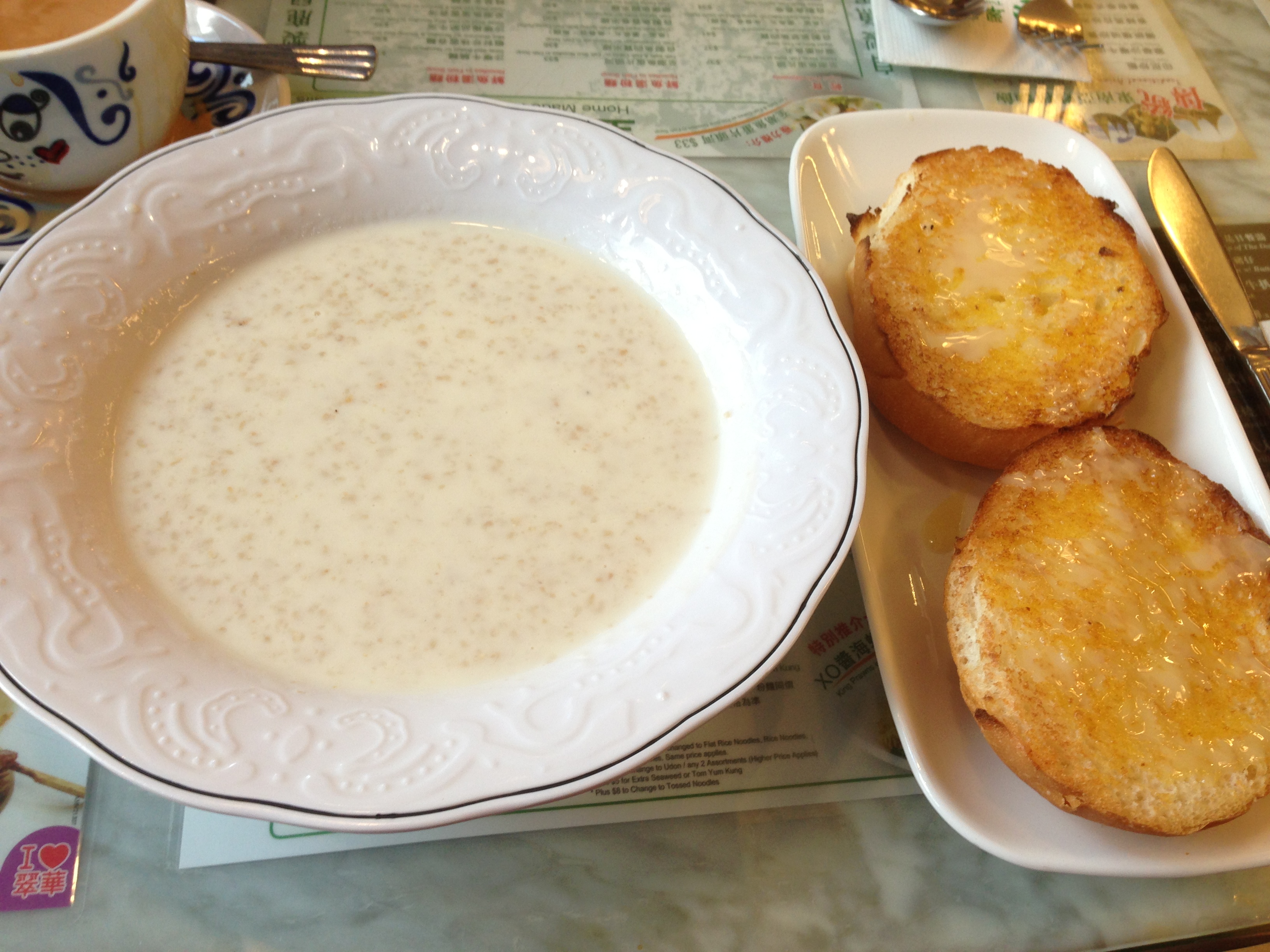
Hong Kong's odd couple

Hong Kong’s odd couple

The oats were unfortunately more milk than oats, so I jazzed up the bland concoction with some sugar that was on the side.  As for my crispy buns with sweetened condensed milk, I should have just gotten two orders of these toasted nuggets of heaven.  Not only were they crunchy yet soft, but the salty butter mixed with the extremely sweet condensed milk definitely beat any doughnut I’ve probably ever had.  They were that good.  Once I downed that satisfying meal, I was ready to catch my boat to Macau.

I was originally drawn to Macau ever since my mom told me about her exhilarating ride on the hydrofoil, and how the island was a mix of both Portuguese and Chinese cultures.  So, I was determined to see this cosmopolitan island for myself while vacationing in Hong Kong.  Naturally, the food was another driving factor for me to go the extra mile and see the island.  I’ve always loved Portuguese and Brazilian culture whether that be Fado vs. a birimbao for a capoeira  roda or some Nando’s spicy piri piri chicken vs. some pao de queijo and brigadeiro.  One of the first noms that I sought out were the pasteis de nata or more commonly known as egg custard tarts.  I really wanted to try them in Macau because I had some in the Santa Maria de Belem neighborhood of Lisbon.

The original bakery.

The monastery next to the original bakery in Lisbon.

I bought them at the first bakery (Casa de Pasteis de Belem) that began mass producing these egg desserts in 1837 when the original producers, the Jeronimos monks, were driven out by the Liberal Revolution of the 1820s.
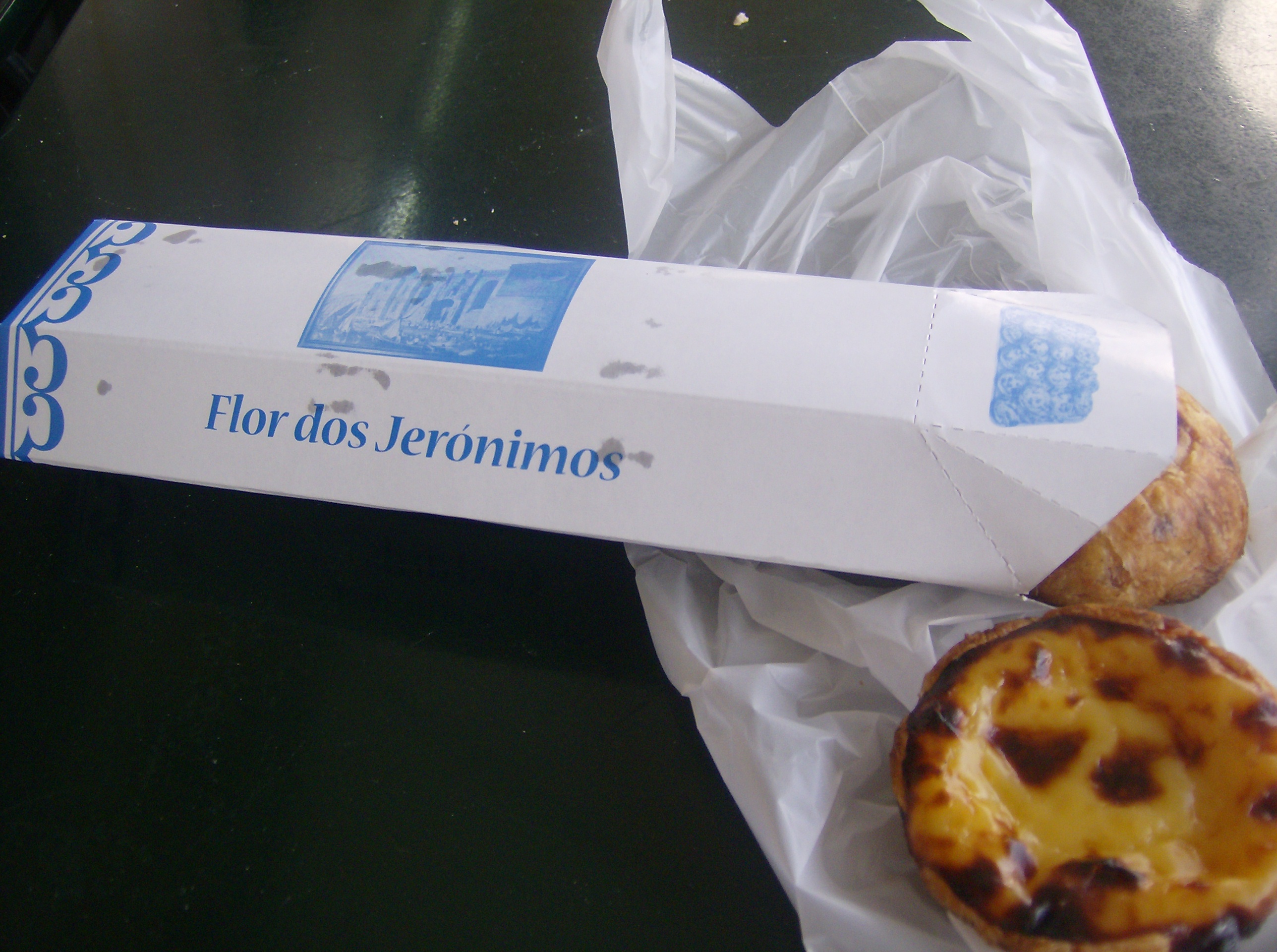
Ain't nothing like the real thing.

Ain’t nothing like the real thing.

They were amazing there with a little powdered sugar and cinnamon on top, so I was gunning to see if they were worth the boat ride.
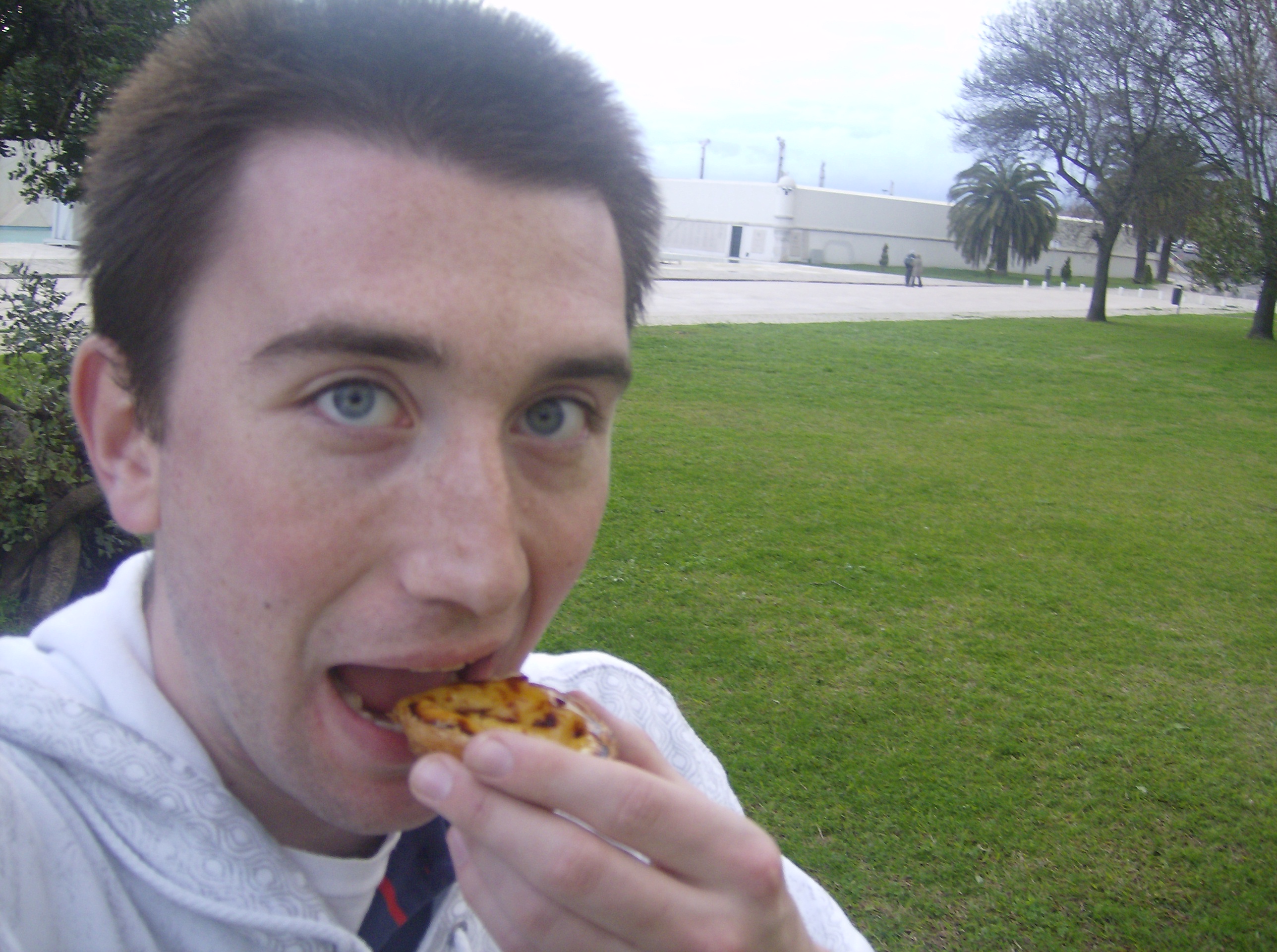
I was a fatty even five years ago.

I was a fatty even five years ago.

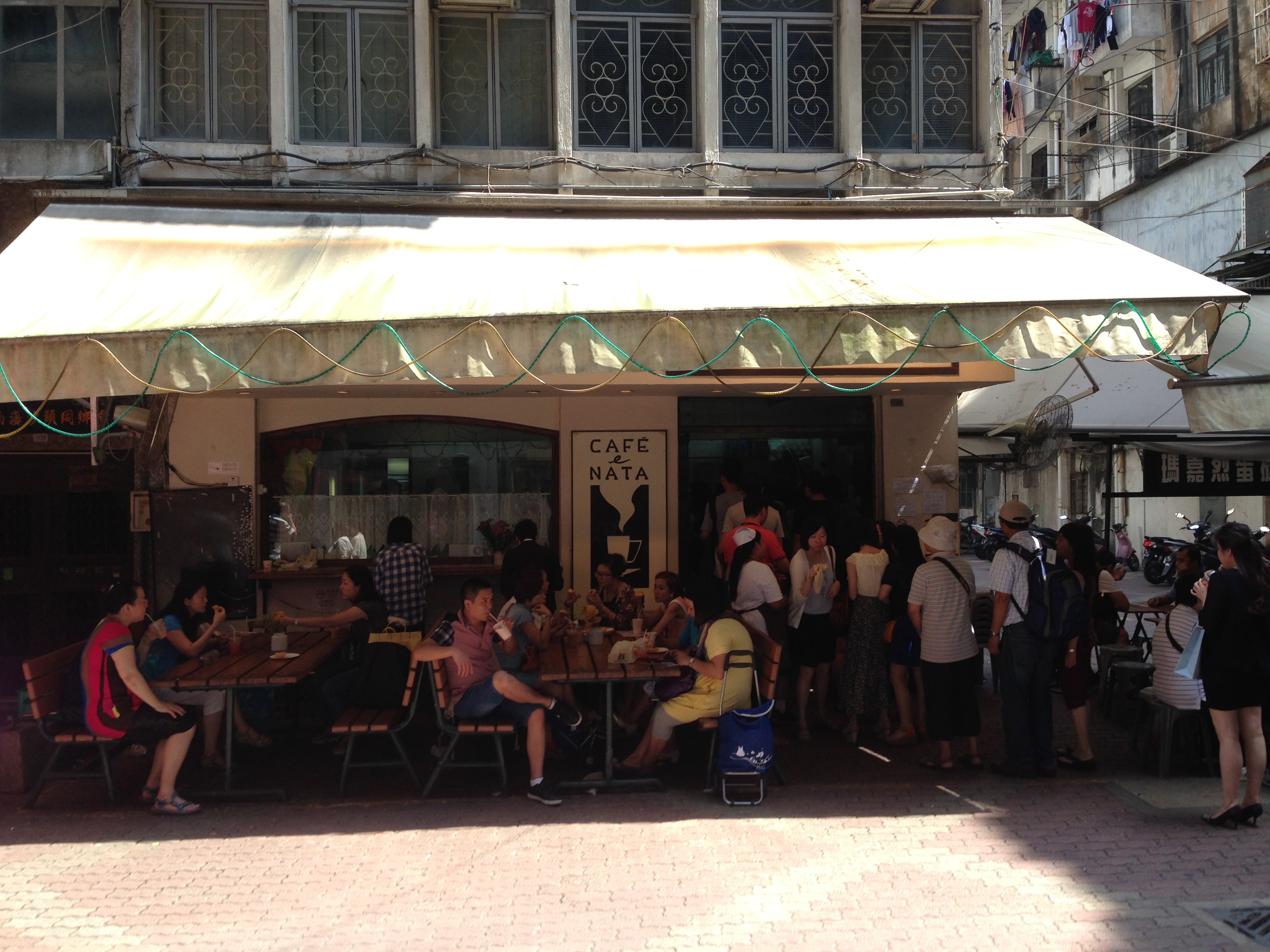
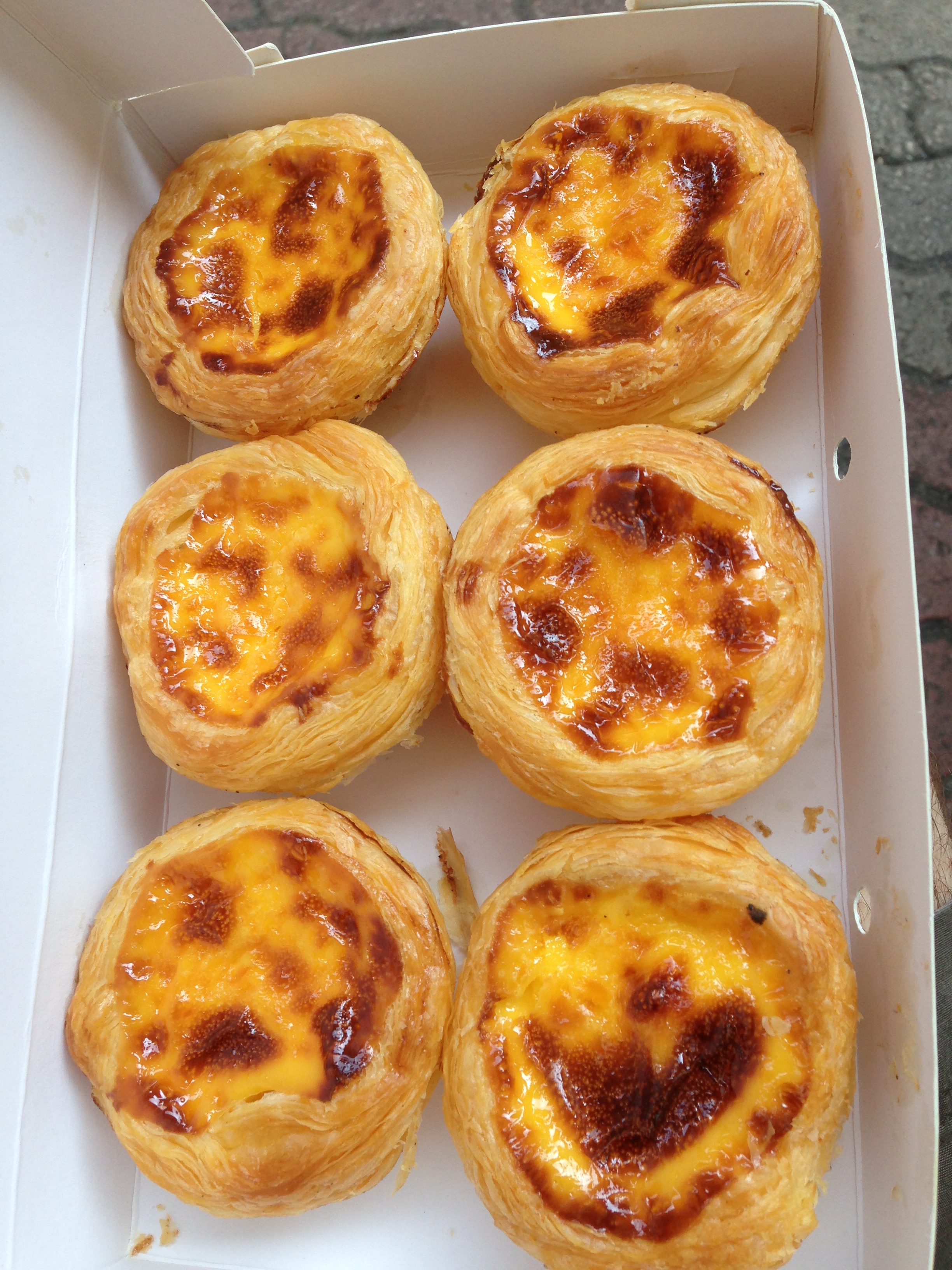
In Macau, I ended up going to Margaret’s Cafe e Nata which is located at Gum Loi Building, Rua Alm Costa Cabral R/C Avenida de Almeida Ribeiro, Macau.IMG_0777  I saw there was a line, and a woman was directing the traffic for what seemed to be a sandwich line and a pastry line.IMG_0776  She looked at me, and I asked for “pasteis de nata“.  She looked at me like I was an alien.  I said it again, and she said, “Ohhhhhhhhhhhhhhh, egg tarts” and then led me to the line on the left.  I thought she was just an oddball who didn’t speak Portuguese, but I told the woman behind the register, “Quero seis pasteis de nata, por favor“.  She was less incredulous, but still had trouble understanding.  I held up six fingers, and she rung me up.  Then when she gave me change, she said “obrigado” which only men should say.  I guess Wikitravel really was right when it said people don’t really speak Portuguese in Macau even though everything is written in it…so strange.IMG_0779  Anyway, I quickly opened the box to find six golden mini-pies that would eventually fuel my intense day of hiking and sightseeing.IMG_0780  The first bite revealed a crispy top with a smooth, vanilla taste accompanied with a slightly gooey egg interior and an extremely flaky yet sweet pastry crust.  Overall, they were pretty good, but they were a bit too gelatinous for my liking.  The originals in Lisbon were better since the egg custard was a lot creamier and didn’t feel like you were eating a sweet omelet.  While walking to the Sao Paulo Cathedral, I also have to mention the free beef jerky samples I got in the street.
A real meat market

A real meat market

These stalls are mainly by the cathedral.  I tried the spicy and honey bbq flavors, and it’s different than jerky back in the States.  The Maccanese version was flavorful and surprisingly moist like it was just cut off the cured hog.

After running all over Macau and hiking up a mountain to see a temple, I decided I needed to go to Rua da Cunha on Cotai Island.  IMG_2475This street is known for its Portuguese bakeries and restaurants, so I decided to go to Restaurante Dumbo.IMG_0786  It’s very well furnished inside, and the prices are a bit more expensive compared to Hong Kong restaurants. IMG_0783 I ended up getting a quarter of gallina a la portuguesa which arrived in a small pot at my table. IMG_0784 It was delicious as the top was crusted over with cheese, and then beneath the surface lurked large chunks of chicken along with potatoes, black olives, and carrots.  It was a hearty dish that obviously came from humble origins with the ingredients. IMG_0785 I would highly recommend this place to anyone who wants to try Maccanese cooking.  Then I got serradura for dessert.  Serradura means “sawdust” in Portuguese, and it probably was pretty apt since the crushed cookies on top looked literally like it should be on a steakhouse floor.IMG_2478  However, the taste was phenomenal.  It was like a rich vanilla ice cream cup covered with cookie crumbs.  It was a good end to my visit to Macau.
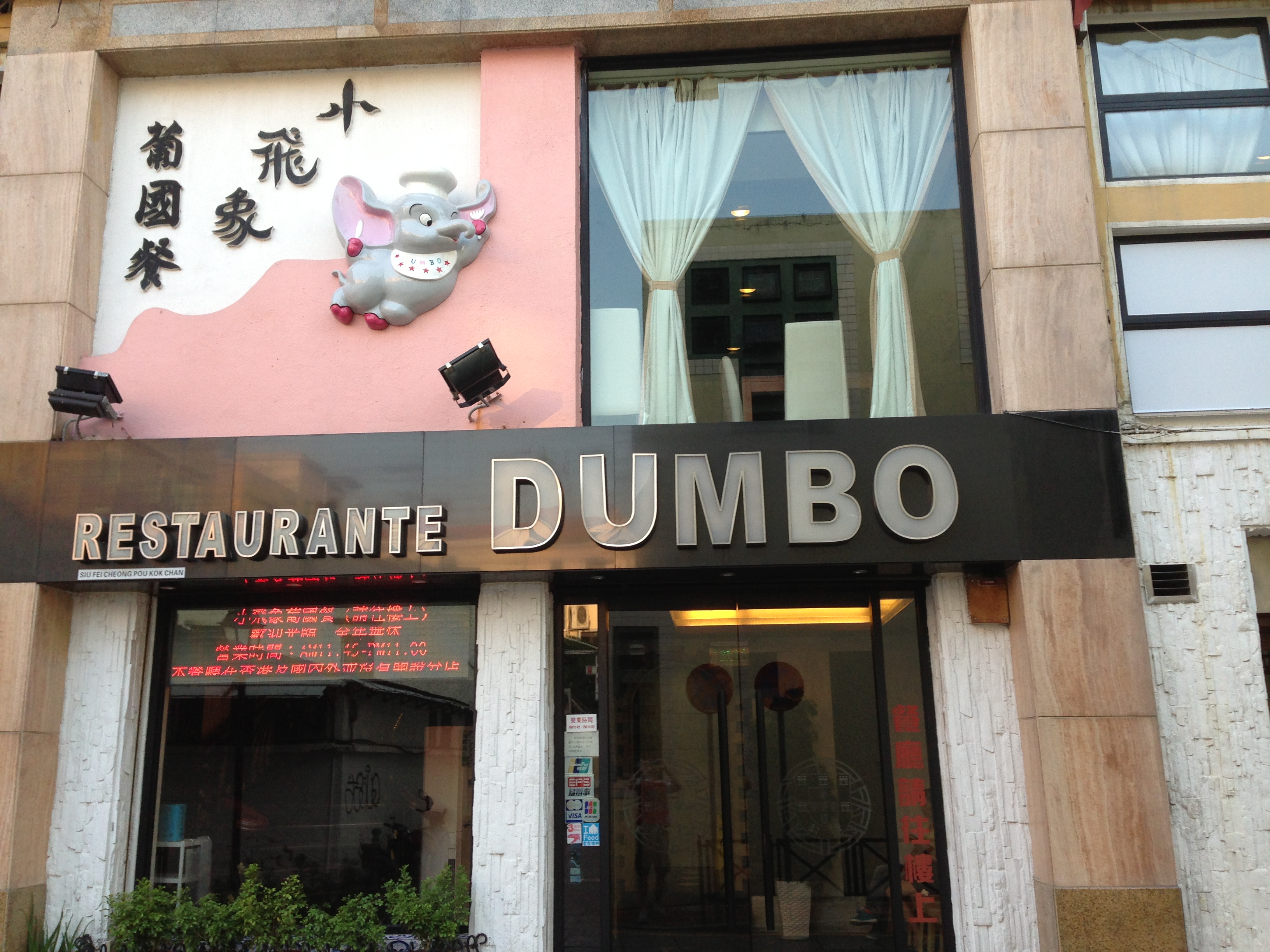
IMG_0798

Hey girl, can I take you home?

At the end of the night back in Hong Kong, a couple of the guys and I went out in the Wanchai neighborhood and found Big Pizza located at 89 Lockhart road.  I ended up getting a piece since what goes better with beer than pizza?  I opted for the chicken tikka pizza, and it was a slice as big as my head for only 20 HK.  Needless to say, the pizza was just what the doctor ordered.  The chicken was tender and had the proper Indian spices while the crust was firm, slightly chewy, and baked to a golden-brown.  A great way to end a great night.

Next up, my last night in Hong Kong with sum dim sum action.
Hong Kong (Part 2)- Stank Bomb and Russian Gangsters

Posted on

In continuance with my previous post, Hong Kong Part 1, I bring you another installation of Mastication Monologues!  This post features some a very odd food along with some just plain tasty Turkish cuisine.  However, I’m going to start at the beginning of my day where I started it off right with a proper Hong Kong breakfast.

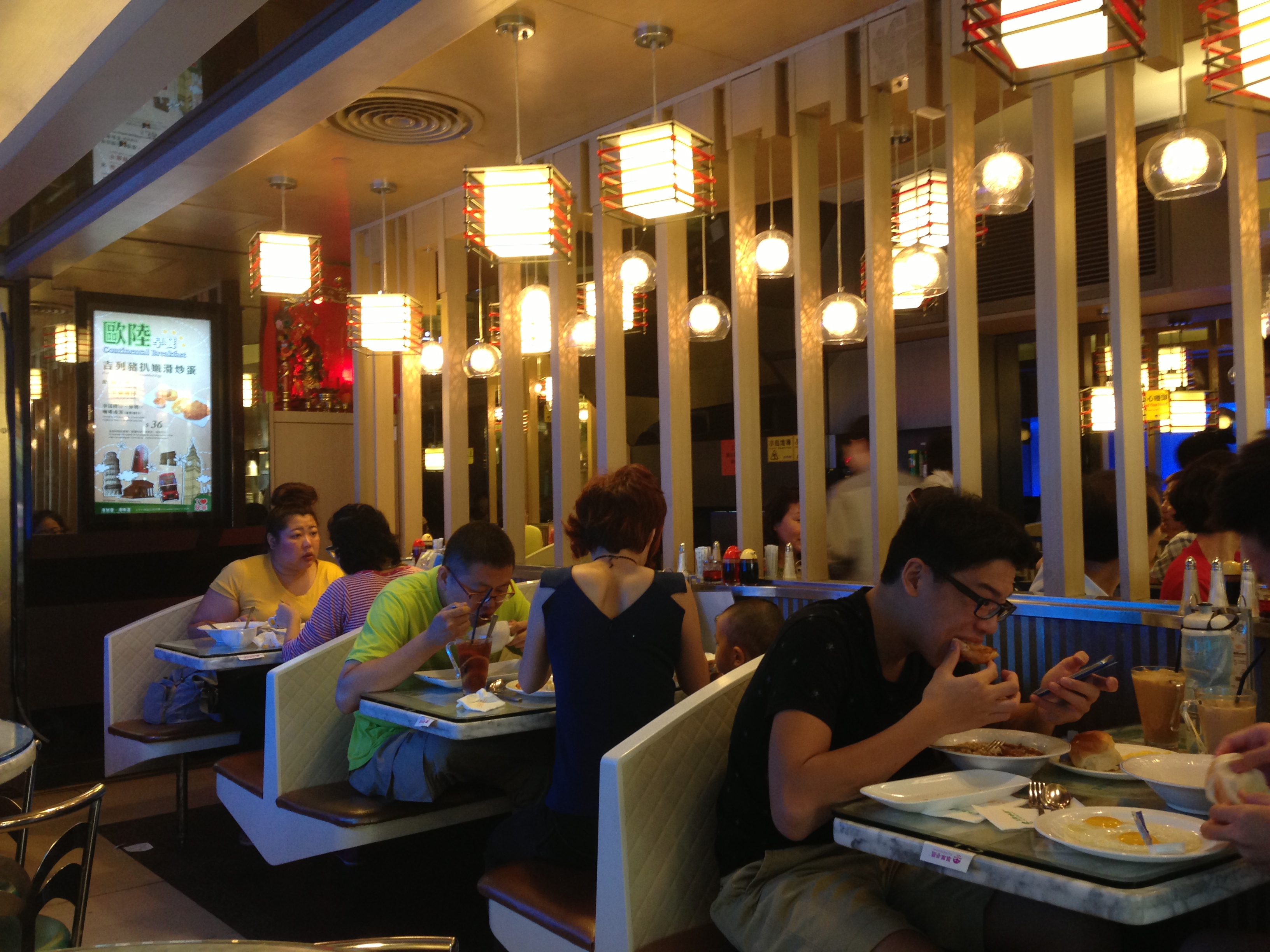
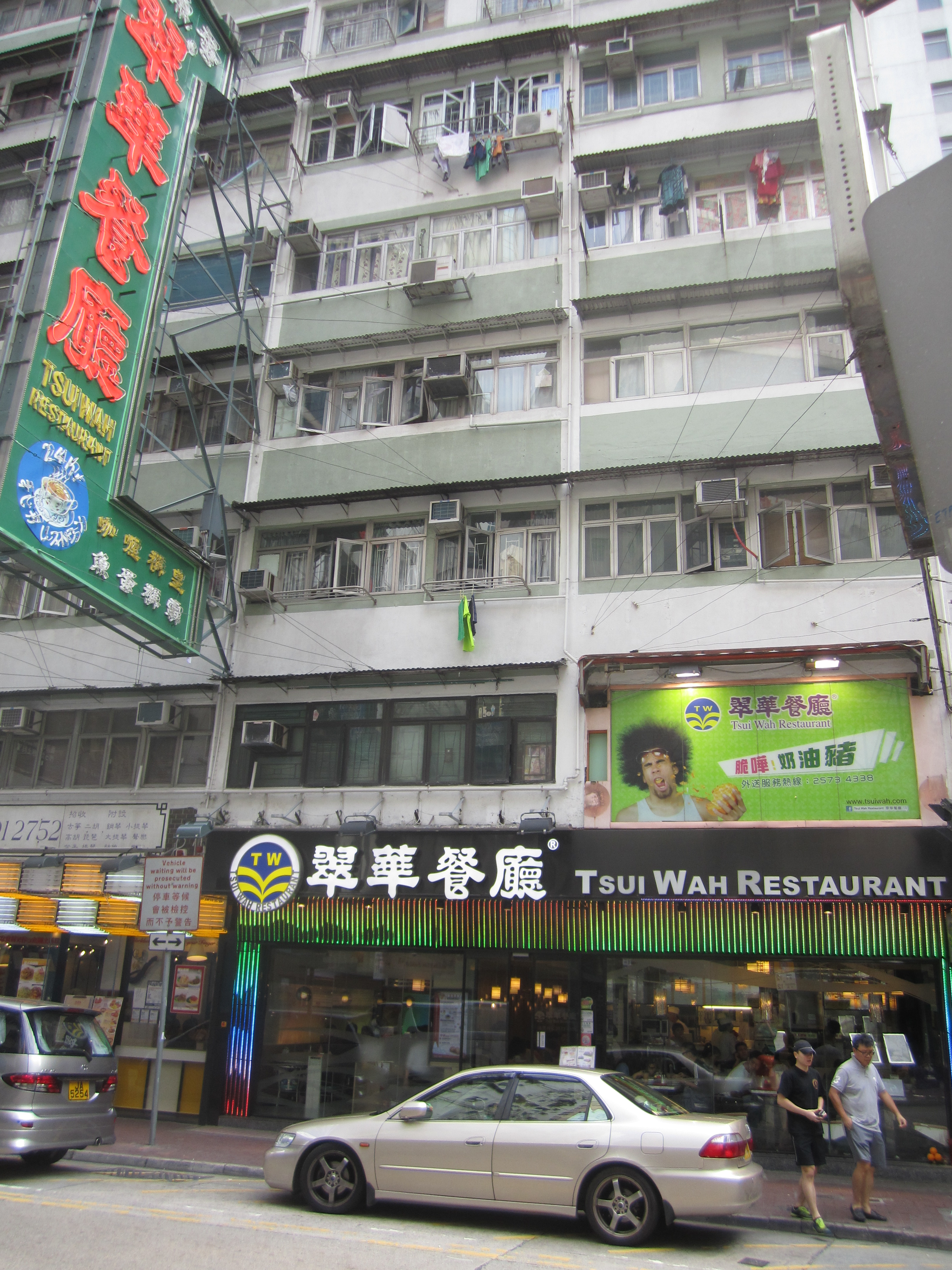
Now most tourists wouldn’t really know where to go to get breakfast in Hong Kong since it really isn’t a city known for its flapjacks and French toast.  This is where I found the glory that is known as 茶餐厅 or a cha chaan teng or literally “tea food hall”.  What these cozy little restaurants are known for are their plates that combine both western and eastern staples to create the original Asian fusion scene in Hong Kong.  Before World War II, Western foods were considered luxury items, so no one could afford them.  However, after WWII, locals wanted to emulate their British rulers by offering cheap versions of Western food for the common people.  Thus, the cha chaan teng was born providing the once rare Western food items like cakes and breakfast items to the public along with cheap Cantonese favorites.   The cha chaan teng I went to was called Tsui Wah Restaurant, and they are all over Hong Kong. IMG_2310 I was quickly seated, and there were no other foreigners in the dining room aside from myself.  I knew I came to the right place again. IMG_0750 I picked the 31 HK satay beef and ramen noodle breakfast platter.  With this eastern entree came a side of scrambled eggs, a western bun with butter, and a cup of “silk stocking” tea or milk tea which is called the former because of its color and smoothness.  It consists of black tea and condensed or evaporated milk, and is a key part of any Hong Kong citizen’s daily life which is just another carry over from the British colonial legacy.  I was quite happy with the meal overall. IMG_0747 The eggs were pretty good although somewhat on the buttery side which was kind of odd, but the roll was slightly warm which became even better with the salty butter.  Coming from Korea and their terrible bread that’s filled with sugar, this roll tasted like heaven.  As for the beef satay with noodles, it was a hearty and savory meal for the long day ahead of me.  I also appreciated that the cha chaan teng provided deep red chili flakes soaked in spicy oil on the side with salt and pepper.  I could get used to that very quickly.  The beef was tender and slightly seasoned with some cumin while the broth was salty and contained all of the juices from the meat.  The noodles were piping hot and al dente which showed that the cooks didn’t just put some boiling water in a cup and hope for the best.  As for the silk stocking tea, it was unlike any tea I’ve ever tried.  It was silky smooth like the name implies, but with a flavor profile that ranged from earthy to herbal to the more obvious milky notes from the key ingredient aside from the tea.  Overall, it was a great deal for a big meal in a real piece of Hong Kong life, but hurry to one because they’re being phased out as new chain restaurants are taking over.  For dessert, I chose one of the most bizarre foods on earth:  durian.

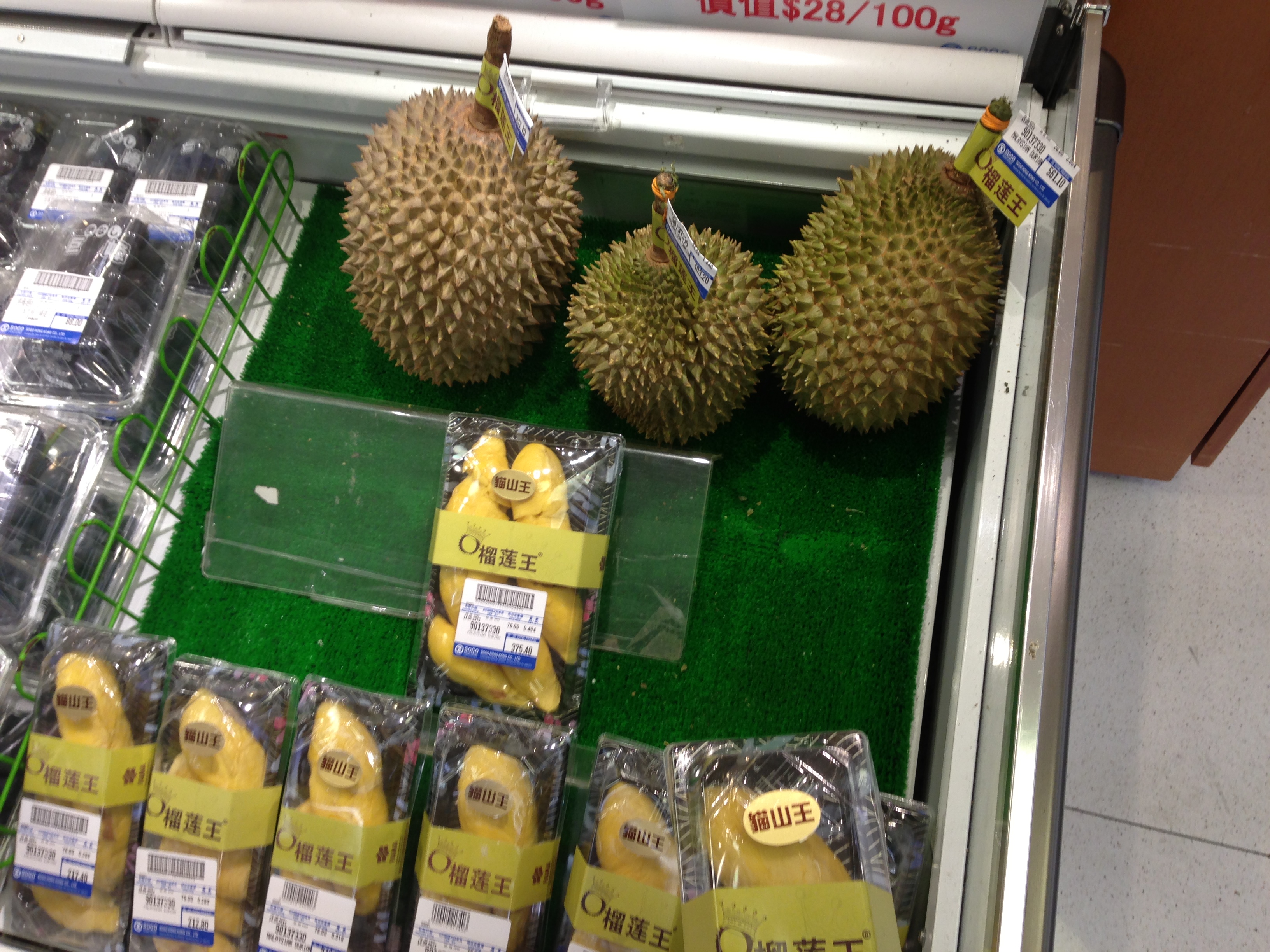
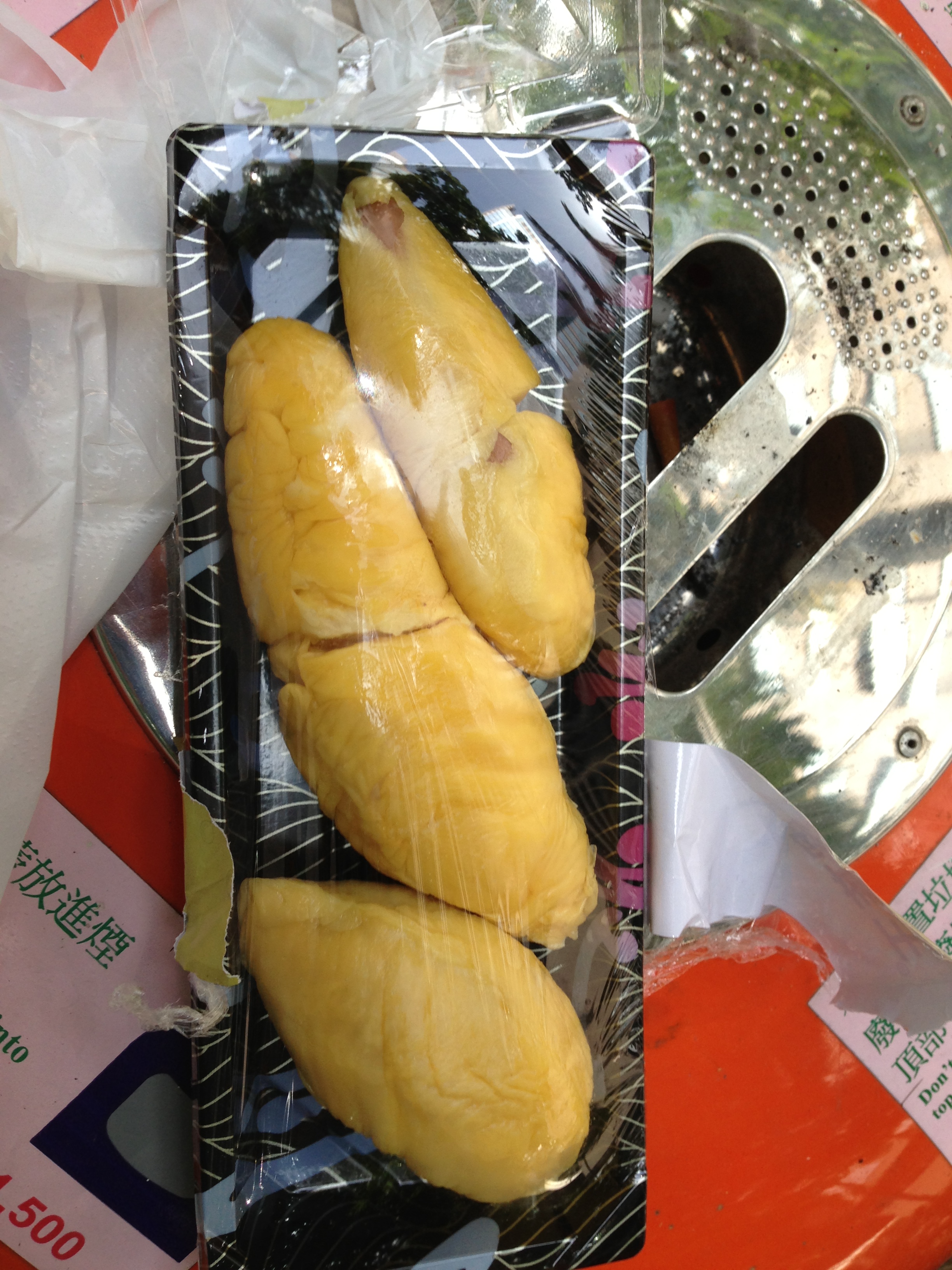
For those unaware what a durian is, it’s considered the “king of fruits”, and is notorious as a foodstuff that people either love or hate.  One of durian’s chief haters is the country of Singapore where it’s illegal to possess one under a fine of 5,000 dollars.  Plus, Andrew Zimmern of Bizarre Food’s fame who has eaten everything from anuses and penises could not finish one bite of this fruit.  On the other hand, one of my heroes, Anthony Bourdain, loves the fruit.  So, I took it upon myself to finally get my hands on this spiky devil fruit.  I went to the Sogo department store in Central, and as soon as I walked into the supermarket in the basement, I came face to face with the enigmatic fruit.  It cost me about 24 HK for a date with foodie destiny. IMG_0751 It was already packed up in plastic, but the cashier insisted on wrapping it again and taped my bag up.  Oh boy….while walking I could still smell it through all of those precautions.  I decided it would only be fair to eat it in an open place instead of my hostel room.  I didn’t want to be subject to a blanket party like Pvt. Pyle in Full Metal Jacket.  Still, I sat down on a bench on my way up to the Peak and opened up the container. IMG_0752 I was immediately smacked in the face with a smell I could only liken to the worst body odor you could imagine combined with burnt hair and manure.  Appetizing, right?  So I started chowing down on the pieces, and first there was the texture.  It was like eating a gooey Camembert cheese, but it was fruit somehow.  Then there was the taste.

It was kind of hot outside as well.  Not the best compliment to the smell.

It was kind of hot outside as well. Not the best compliment to the smell.

I seriously enjoyed eating it because it reminded me of some really strong blue cheeses I ate before yet mixed with some slight notes of open sewer smell and roadkill just to keep it real with my adventurous palate.  If you are not an adventurous eater, I’d recommend trying durian ice cream or custard before deciding to dine with the king.  If you do take the plunge, bring a lot of gum with you if you don’t want to offend anyone for the next six to eight hours.  The stank follows you no matter what.

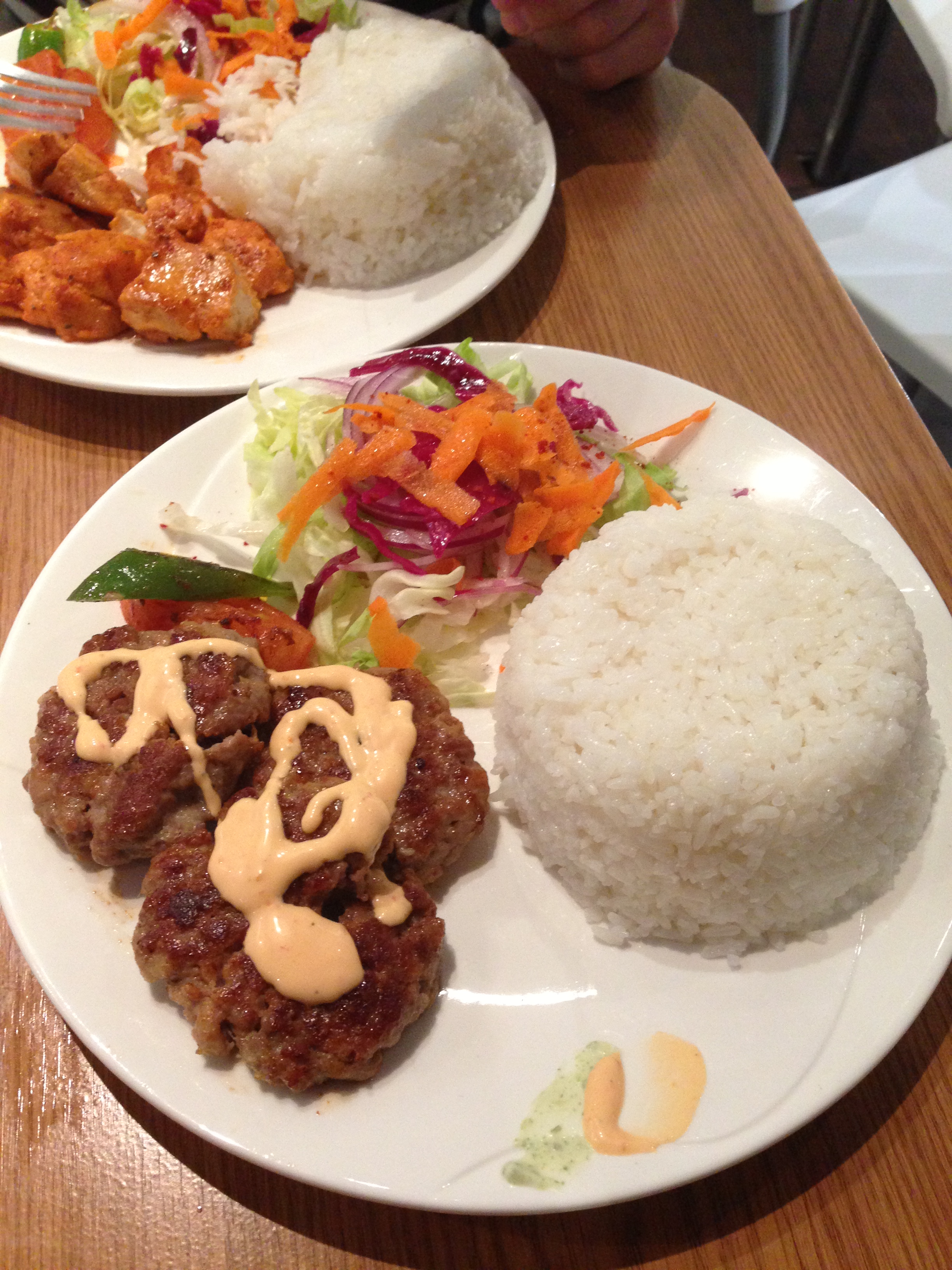
Finally, there was the more normal part of my day when I had dinner with my friend Tom at Turkish Kebab House in Kowloon located at G/F, 104 Woosung Street, Jordan, Hong Kong. IMG_2367 We thought about eating at Chungking Mansions, but it seemed like we’d get an intestinal worm from the open air Pakistani stalls or get rolled by the large Nigerian gentlemen selling second hand cellphones.  Instead, we opted for the small Turkish eatery which became even cozier with our fellow patrons at the table next to us.  We were pretty sure they were Russian gangsters since they had necks as wide as their heads, were constantly making calls on multiple cell phones, had tattoos, and gold chains.  It was hilarious to watch them demand that the waitress immediately clean their table off even though they weren’t done eating.  Bratva members aside, I ended up getting the kofte lamb meatballs for 55 HK which came with a side of rice or French fries.

The menu.

The menu.

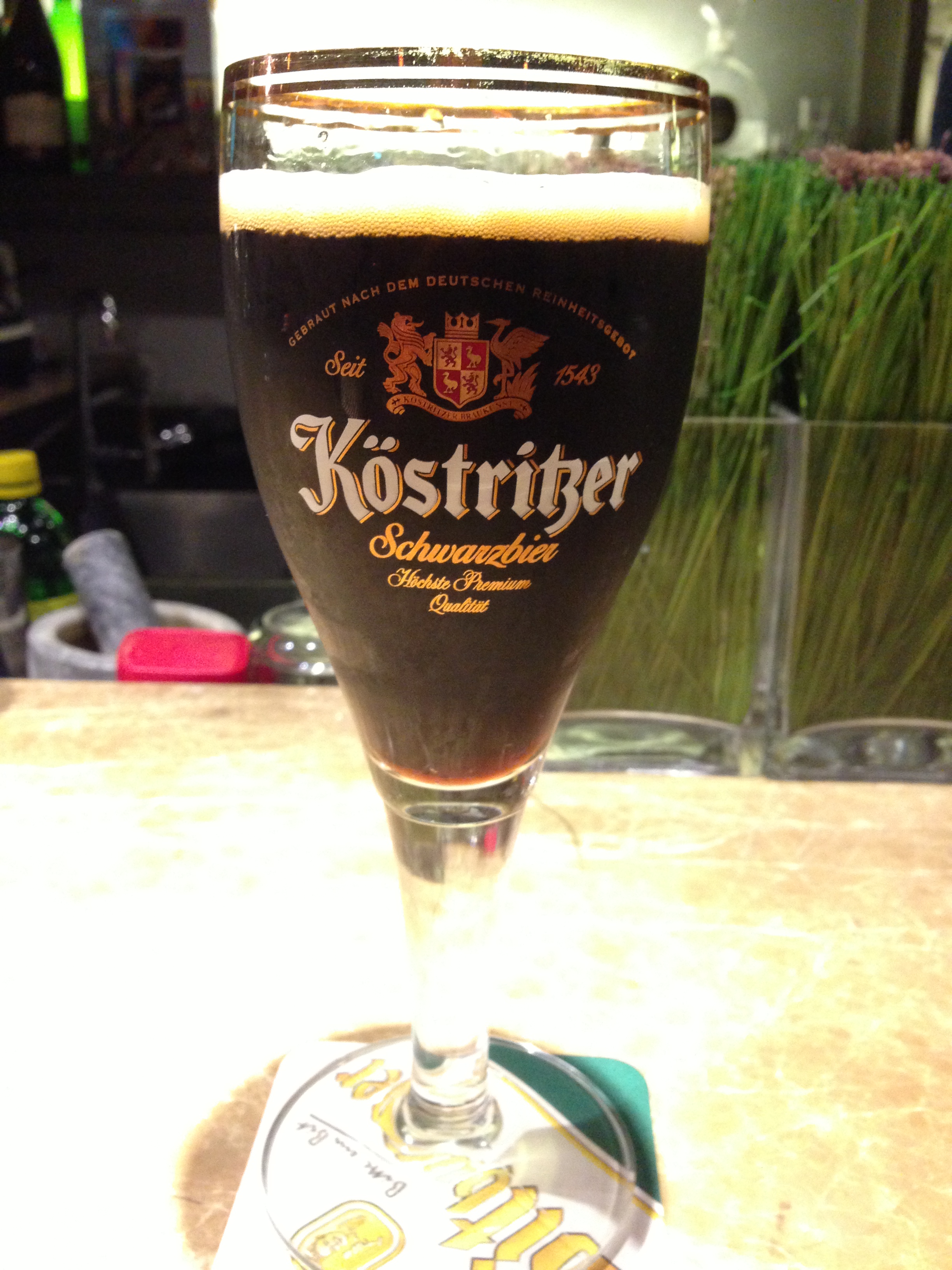
I ended up getting the rice since that’s the only proper way to eat Mediterranean/Middle Eastern food, and overall it was a fantastic dinner.IMG_0765  The rice was the only downside though since it could have been at least seasoned or perhaps a pilaf, but it was just steamed white rice.  The meatballs were juicy, spiced with some chili and rosemary along with some garlic which all nicely complimented the distinctive flavor that only lamb brings to a dish.  The salad on the side was a good compliment to the savory lamb since it contained fresh greens and some roasted peppers on the side.  Another great part of the restaurant were the sauces that came with the food.  Two were tzatziki inpired creations while my favorite was the orange chili sauce that heated up the night while we watched our Eastern European comrades make deals and the typhoon rains blew past the open door.  It was a great meal only equaled by the light show which brought us eventually to a German beer hall called Biergarten located at 5 Hanoi Street, Tsim Sha Tsui (Use MTR Exit N1 or N2.) to close out the night.  Here’s their menu: http://biergarten-hongkong.com/contactus/.   I got the Kostritzer black beer which was just right after the lamb since it was full bodied and filled to the rim with deep caramel tones.

Goethe's favorite beer and just as dark as his philosophy

Goethe’s favorite beer and just as dark as his philosophy

They also had some interesting tables which would be fun to dine in for a date night or something like that.

Barrels of fun downstairs.

Barrels of fun downstairs.

Next episode involves me going to Macau and trying some classic Portuguese cuisine.  Stay tuned!

Hong Kong (Part 1)- 10 Points For Slytherin For Going Hog Wild

Posted on

Hey everyone!  Sorry for the long hiatus on the posts, but I have just returned after a whirlwind adventure through the Far East for the Korean Thanksgiving holiday.  During my travels, I sampled many different foods that ranged from the more standard fare to the downright bizarre and frightening at times.  Today I will be talking about the first day of foods that I sampled when I touched down in Hong Kong.

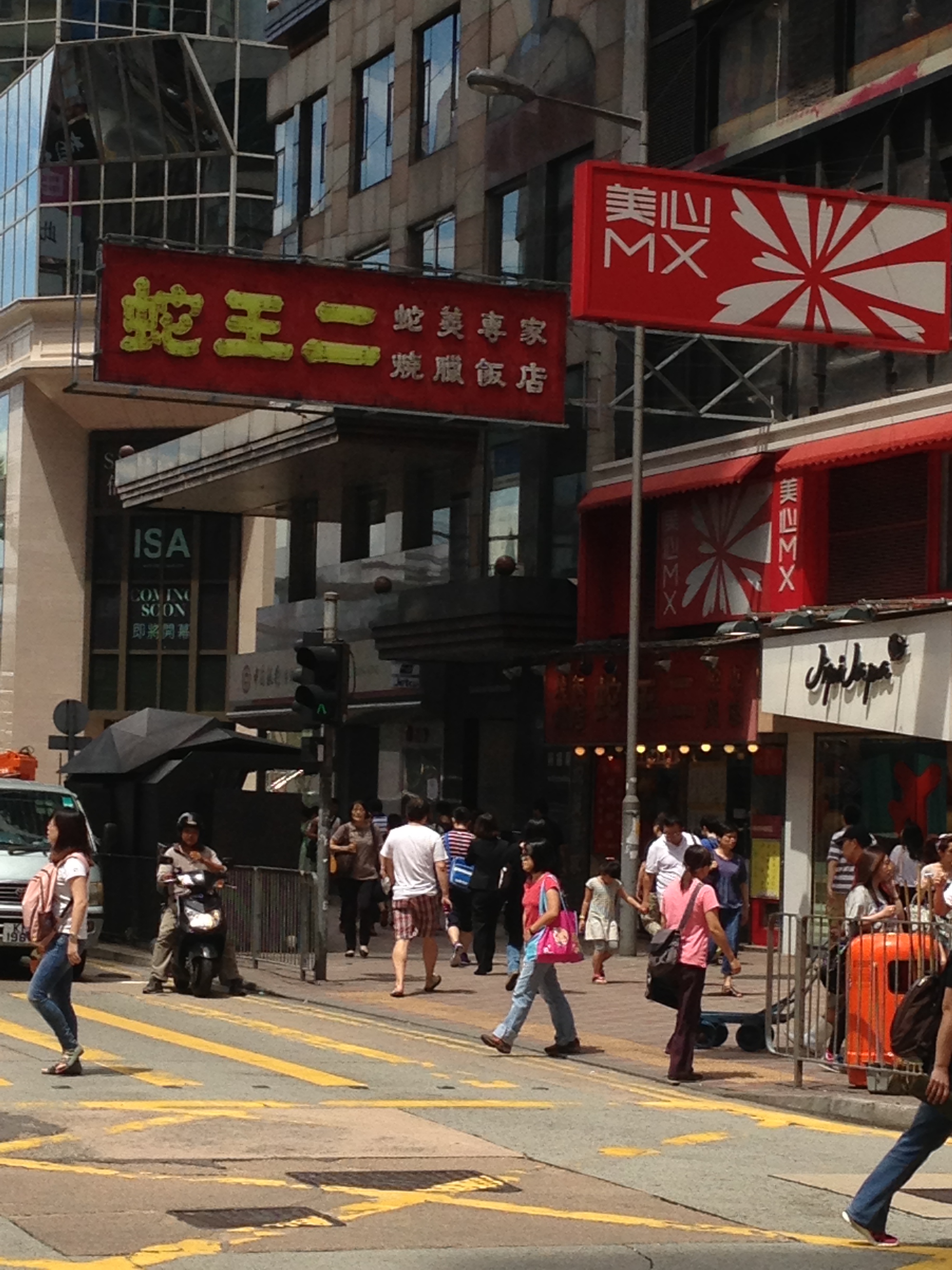
As soon as I got settled in my hostel, I asked the front desk where I could eat some good snake.  They directed me to the Sogo department store because they thought I meant, “snack”.  I clarified by making a sidewinding motion with my hands, and their eyes lit up with a mixture of excitement and slight bewilderment at the fact that a foreigner would want to search out such a food not normally served for western palates.  Either way, they gave me the address of a place called Lee Kum Kee which is located in Central outside of the Causeway Bay metro station a little bit north of the intersection of Percival and Lockhart Road.

It's the red and yellow sign.

It’s the red and yellow sign.

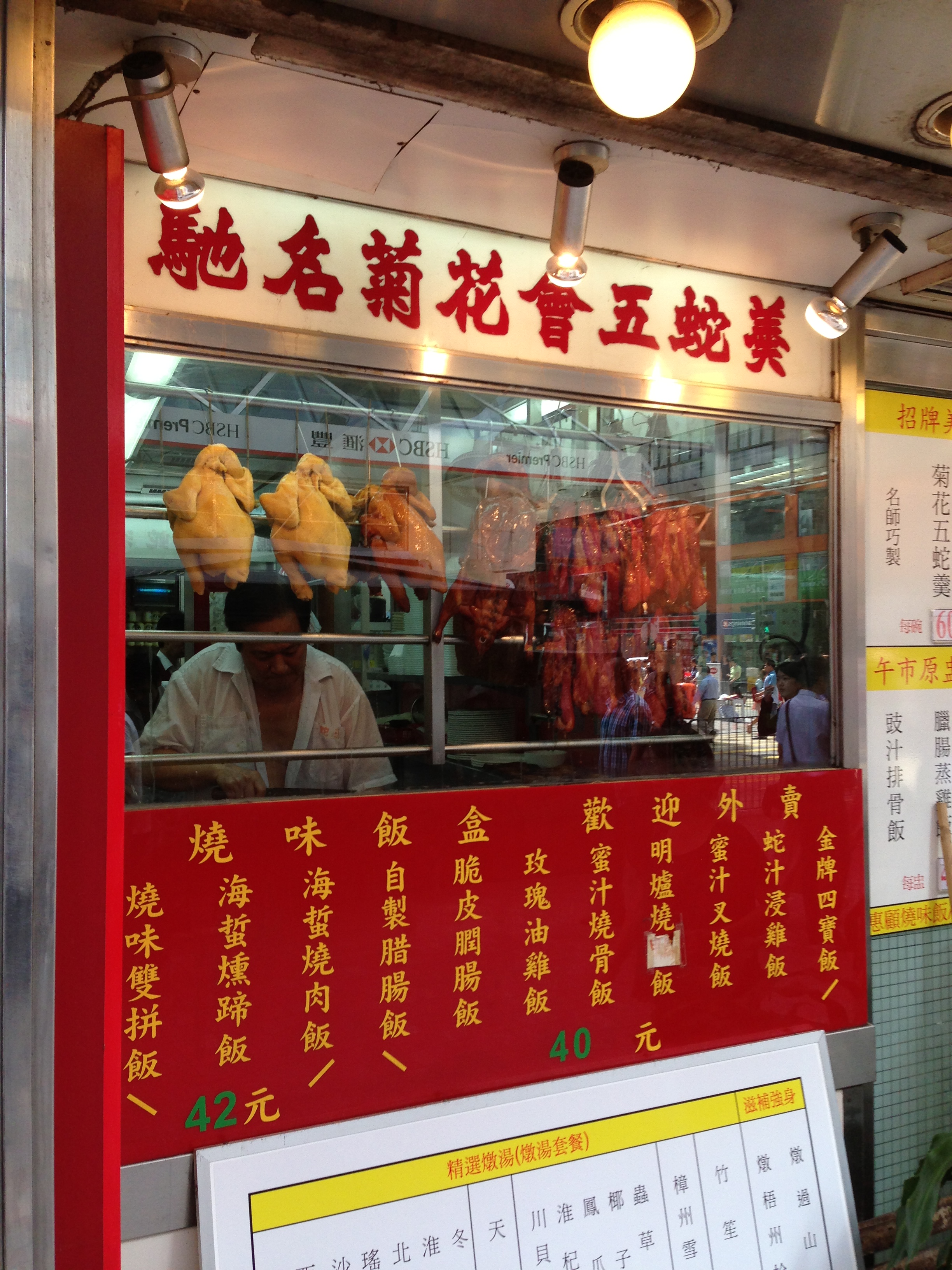
Before I even entered, I saw it was one of the few shops on the block that didn’t have any English on the front of it and had various types of cooked game hanging from hooks in the front window.IMG_0713IMG_0723  Time to go into the unknown.

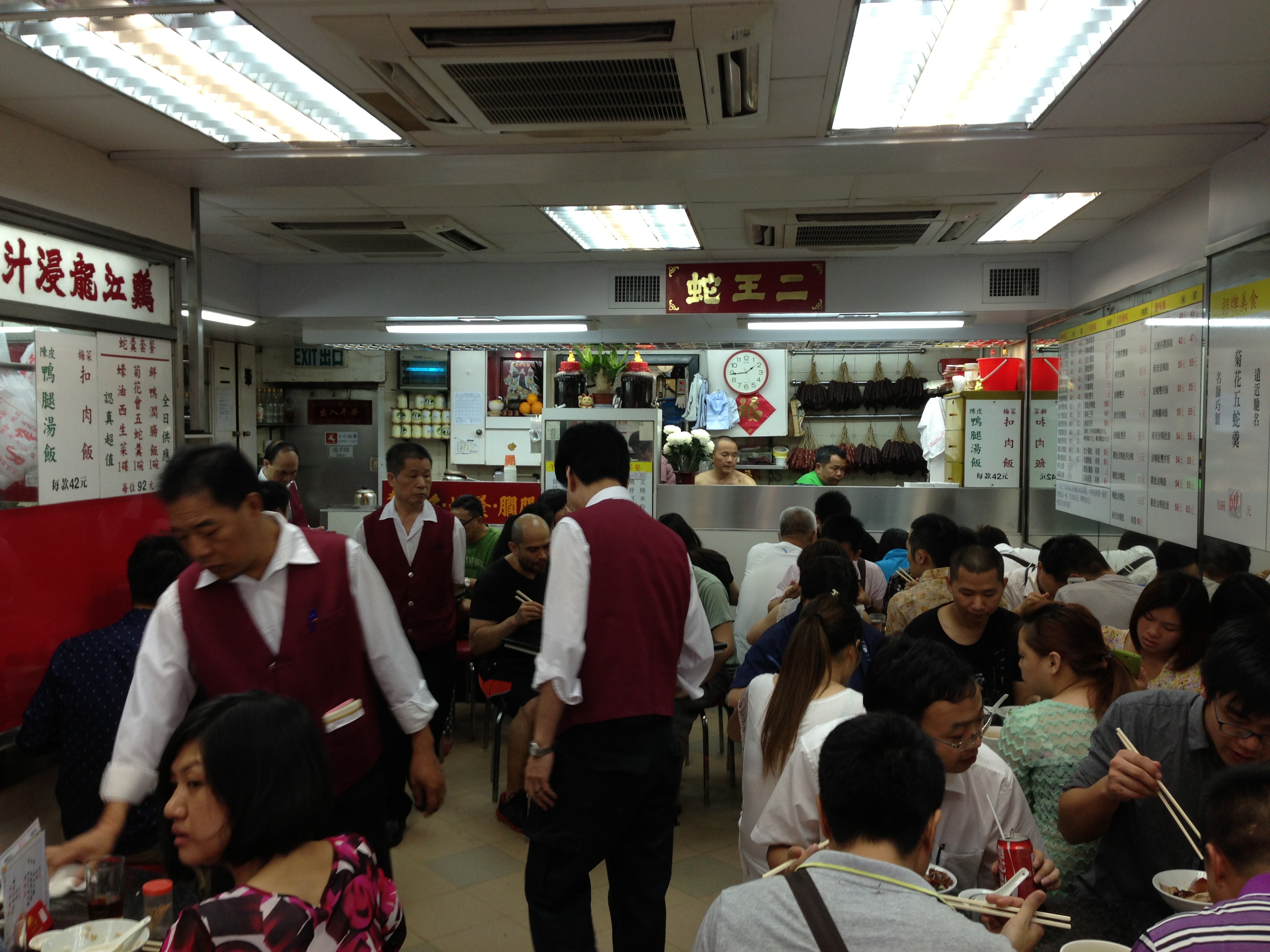
As soon as I stepped in the room, the whole place somewhat stopped to see the foreigner who was foolish enough to wander into a locals only place.  However, they were very cordial and gave me an English menu.  If you don’t like being hustled about or are claustrophobic, don’t come to this place because I was put at a table with strangers since there was no room anywhere else in the dining room.

Interior of Lee Kum Kee.  Really old school.

Interior of Lee Kum Kee. Really old school.

I showed them that I wanted the snake soup (60 HK), and they were even more incredulous that I was going for the gusto after intruding their little culinary sanctuary.  When it came out, I was surprised at how it looked.  I was expecting some skin or at least some scales, but it looked more like egg drop soup garnished with pita chips, lotus petals, and grass.

Ssssome ssssuper sssnake sssoup

Ssssome ssssuper sssnake sssoup

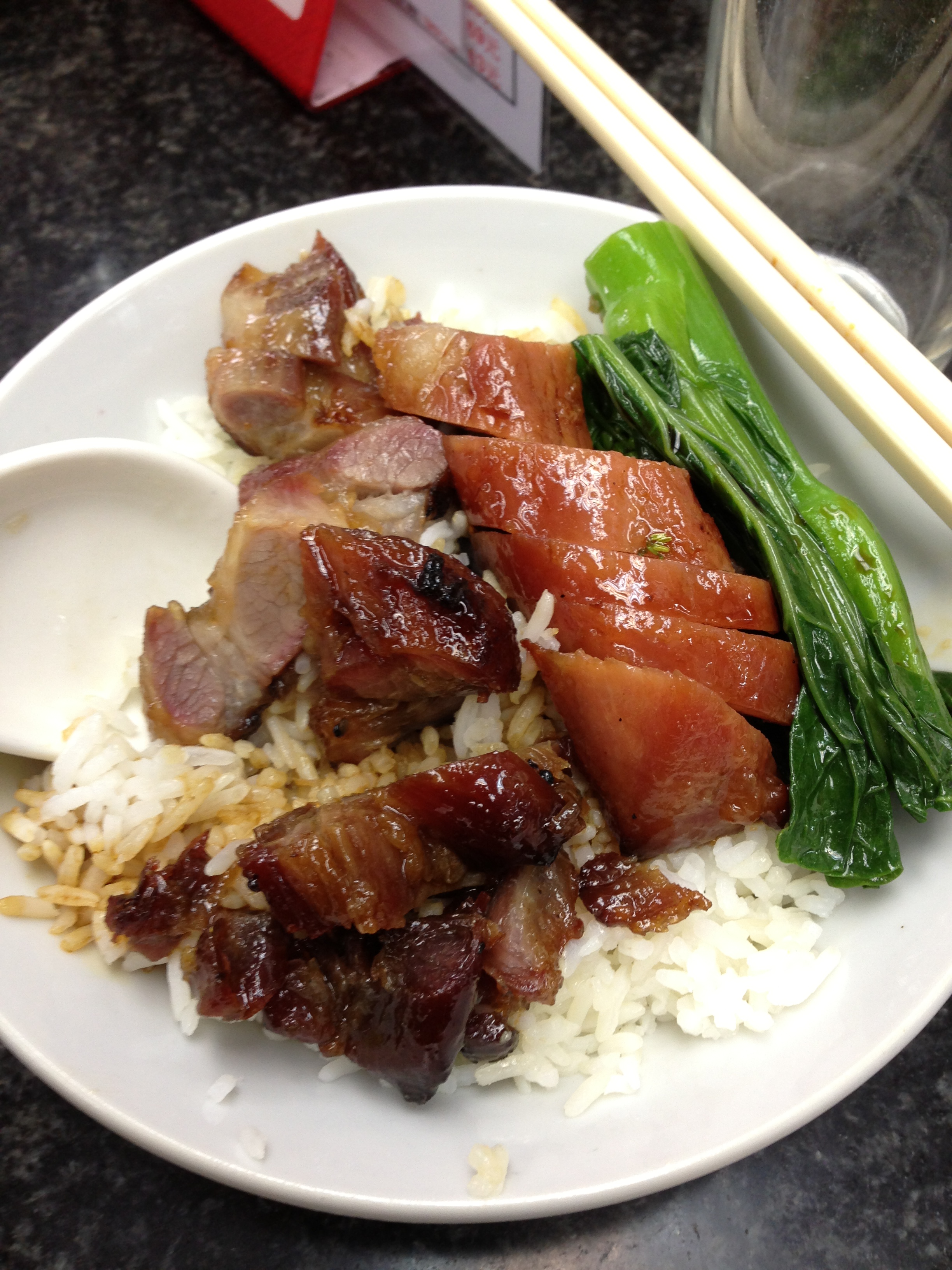
However, I realized it must be snake soup when I saw them butchering some serpents in the back, and the actual meat didn’t look like beef or pork or chicken.  Overall, it was pretty tasty.  I would liken the taste of the meat to chicken even though it didn’t look like it, and I really enjoyed the texture variants with the crunchy, fried pieces of bread and reedy lemongrass that gave the soup a slight tang with every spoonful.  While I was enjoying my soup, a new group of three customers sat down at my table during the lunch rush, and they were looking at what I was eating.  The biggest guy of the group introduced himself and his friends as Chinese nationals from Guangdong province who work in Hong Kong for the day, and they were surprised to not only see me there but also how well I ate with chopsticks.  They were really friendly though and offered me some of their steamed, tennis-ball yellow Hainan chicken which was extremely succulent.  The bowl of soup wasn’t enough, so I also ordered a bowl of barbecued pork and beef over steamed rice with a free side of broccoli greens (40 HK).IMG_0716  My word.  The Hong Kong locals know how to live high on the hog because the pork stole the show with it’s crunchy, carmel brown, sweet skin which encased a savory interior that was the right level of salty that would be balanced out by the rice.  I couldn’t help myself from scarfing at down because I haven’t had that sort of sweet barbecue since leaving the States for Korea.

Moving on from there, I had to get something to drink since the hot cup of Hong Kong tea really didn’t quench my thirst since it was at least 95 F outside and humid.  So I went into a convenience store to get a bottle of fruit spike tea (8 HK). IMG_0736 I don’t really know what they really were trying to say, but it was a very herbal tea that could fall into the range of Chinese herbal medicine.  It’s not as enjoyable as a Lipton Brisk ice tea or anything like that, but it was cold and more traditional which did the job for me.  Finally, there was the matter of dessert.  I eventually saw a line of Chinese customers lined up around the block at this place that was advertised in Chinese, but then below it it said, “Super Bowl Snack”.

This place needs no cheerleaders.

This place needs no cheerleaders.

I didn’t see any footballs around, but it must be popular enough to have a line long enough as one of John Madden’s signature/hilarious ramblings.  When I came up to the counter, I got one “super bowl” (6 HK), and the guy used a bowl to stick two sticks into the substance while putting another bowl over it and flipping it to remove it from the original bowl.  I would have thought it was going to be cold since he was taking the bowls out of a cooler, but it was piping hot.

Funkiest popsicle ever.

Funkiest snack ever.

I thought it would be chocolate, but I ran into my old nemesis:  red beans.  This dessert ended up being some sort of gelatinous dough that contained tons of red beans.  Needless to say, I took a couple hearty bites but couldn’t go any further.  At least everything else I had was delicious.  Then there was dinner.

I made a friend at the hostel, Tom, earlier in the day, so he became my travel buddy for my stay in Hong Kong.  Before going out in Lan Kwai Fung, the party center of Hong Kong, we went out to Zhong Guo Song which is right off Lan Kwai Fung on Wo On Lane.

Just look for yellow and green.

Just look for yellow and green.

They advertised healthier Chinese food with no MSG and less oil.  Tom and I both went for the Yongzhou rice (40 HK), but I got the Thai spice ribs (65 HK) while he got the orange spice chicken. IMG_0741 All of it was fantastic and tasted like they lived up to their promise of no MSG and less oil.  The ribs were delectable since the sauce actually had a bit of a peppery bite to each bite, but the downside was that there were random bony pieces with no meat on them.  Tom’s chicken had less bones, and the orange sauce was like eating orange chicken back home at Panda Express.  As for the rice, it was a fried rice which contained plump shrimp, scallions, egg, peas, and carrots.  We were properly stuffed by the end of the amazing meal which was a reflection of the fun time we had later that night watching the United match followed by bar hopping down Lan Kwai Fung.

So to recap day one, I’d recommend snake at Lee Kum Kee, great Cantonese food at Zhong Guo Song, and stay away from super bowl desserts unless you really like red beans.  Coming up next, I finally grapple with the stinky durian fruit and try a Hong Kong fusion breakfast.

Make Your Own Froyo? YOLO!

Posted on

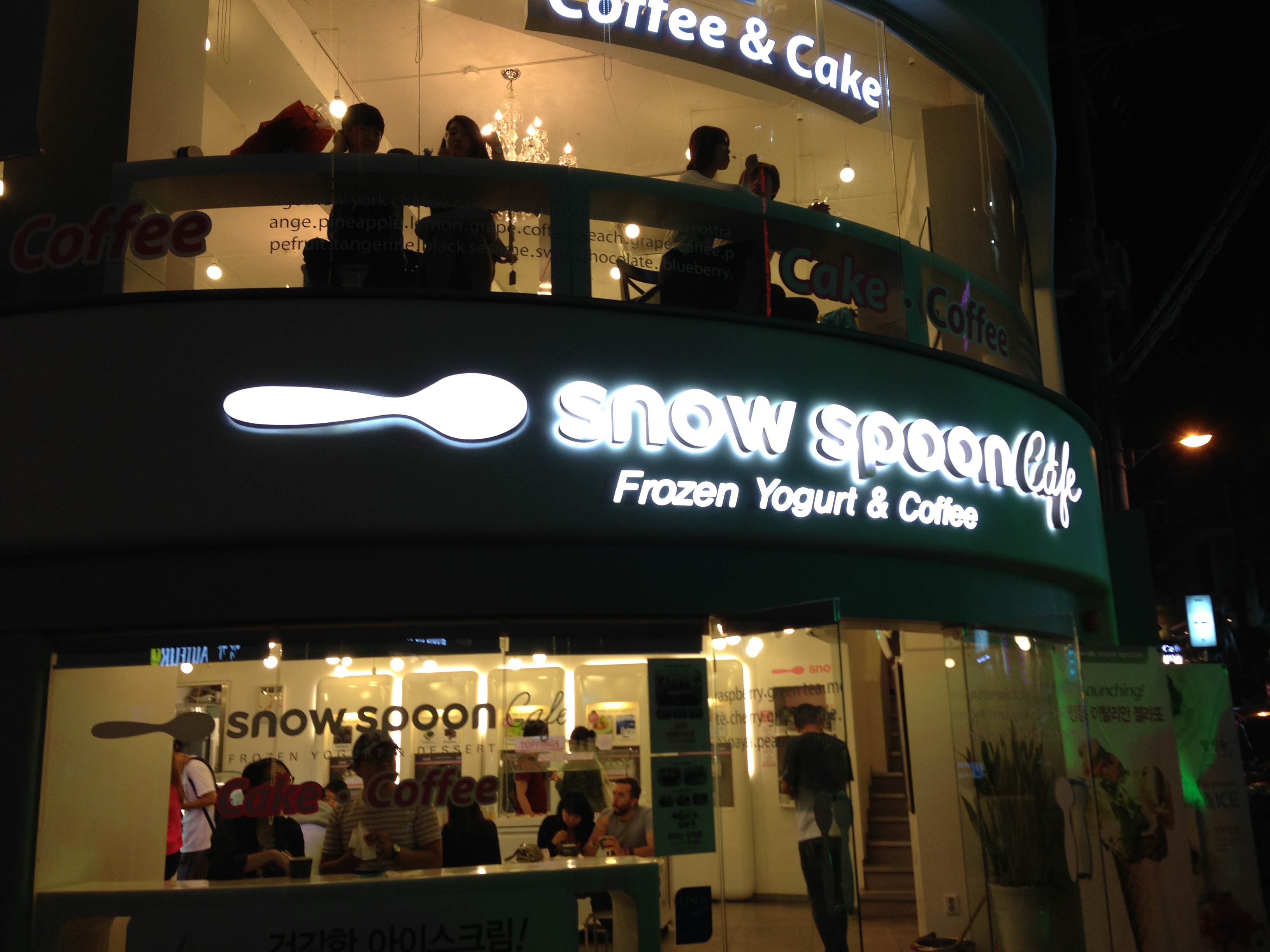
So I’m sure that you have read all about my terrifyingly spicy experience at Onnuriye Donkatsu in my last post, so here is the follow up to what happened after my challenge.   My stomach still was feeling a bit funky even with consuming the antacid, white rice, and milk, so we decided to get frozen yogurt to sooth my scorched tummy.  We ended up going to Snow Spoon Cafe which is located in Hongdae, Seoul.  You come out of exit 9 at the Hongik University stop.  Then you turn left and turn right at the first street on your right.  There should be trees on both sides of the street.  You keep walking till you cross another street and keep heading straight until you see the Super 7 club on your left hand side.  The cafe occupies an entire corner of the building, so you can’t miss it.IMG_0702

When we walked in, it was semi-full of college students seemingly unable to choose what they wanted because not only did they have 10 different flavors, but they also had a fixins bar that seemed a bit healthier than the froyo places back home, i.e. more fruit and nuts instead of brownie bites and cookie dough chunks.  I guess Koreans haven’t gotten the hang of making healthy things unhealthy like Americans can do so easily.  If you don’t want frozen yogurt, they also have gelato, funny looking ice cream bars, and ice cream sandwiches. Flavor-wise, they had some stalwarts like plain, chocolate, and strawberry, but then they became a bit more mysterious.  I decided to get one flavor that was simply called “Blue”, and it had a picture of Santorini’s classic whitewashed houses interspersed on a mountainside while an endless blue horizon spread out behind it.

Greeks:  known for Democracy and ice cream?

Greeks: known for Democracy and ice cream?

What it would taste like?  I had no clue.  Maybe it would be indescribable, or maybe it would taste like gyros or souvlaki given the Greek picture.  Then I moved down the line to get the rice flavored frozen yogurt.  You read that right:  rice froyo.

Only in Asia

Only in Asia

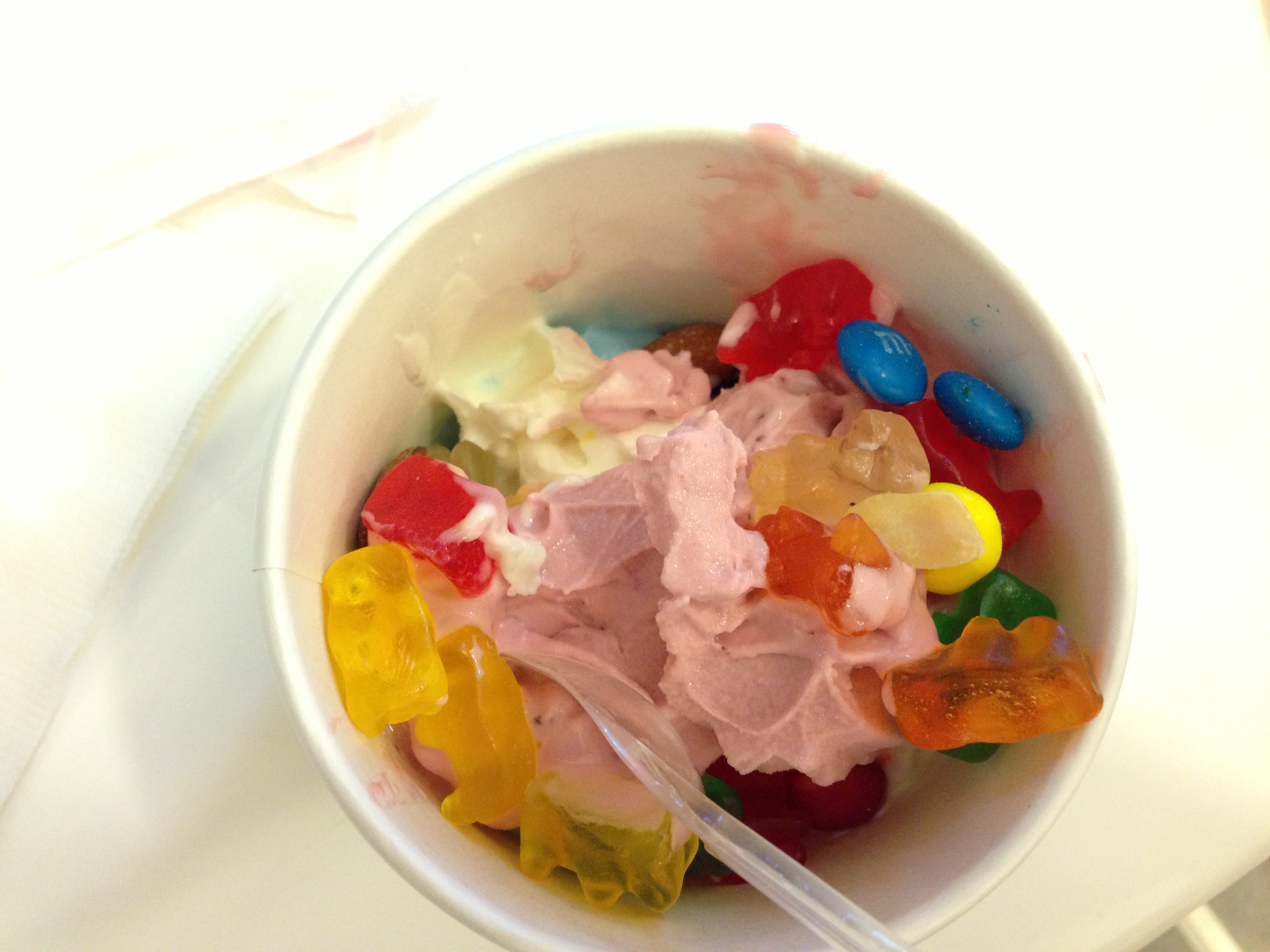
Though this wouldn’t be the first time I ate ice cream made with rice.  The last flavor I got was blackberry.  I can only take so much razzmatazz in one cup.  I garnished my creation with some trail mix and gummi bears since I can’t say no to any form of gummi candy.  They charge you by weight, so I paid about 5,000 Won for a good amount of ice cream.

As for the actual flavors, they quickly put out the fire burning within my lower torso with panache.

Diabetes?  YOLO

Diabetes? YOLO

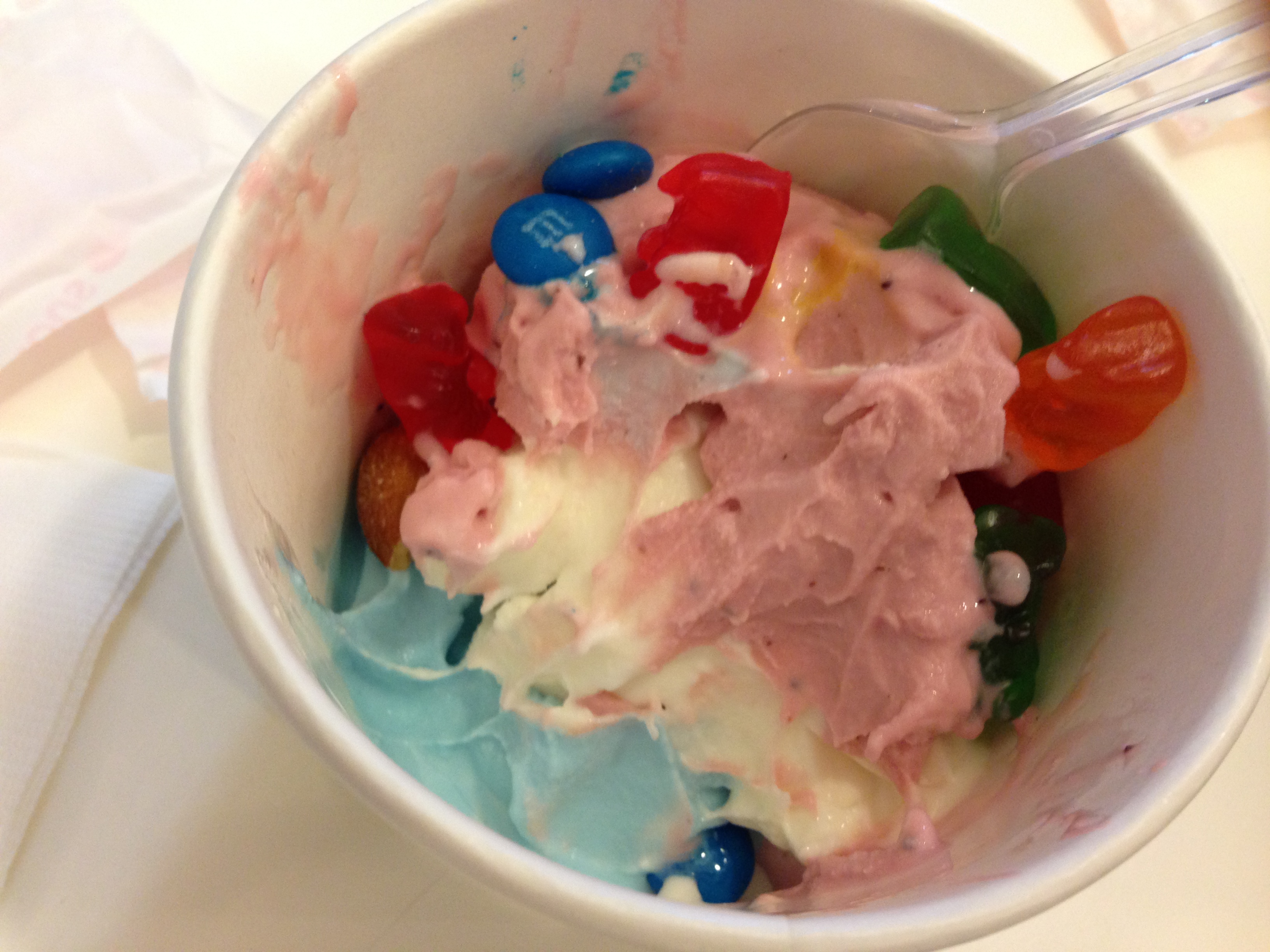
The blackberry flavor was delicious since it actually tasted like eating fresh blackberries minus the pesky seeds.  Then came the rice which was really odd because I couldn’t determine whether it had more of a vanilla flavor profile to it, or perhaps it was more like the plain frozen yogurt option.  Finally, there was Blue.  It definitely was the superstar of my cold creation much like the Eiffel 65 hit circa 1999, but it definitely wasn’t played out by any means from my first spoonful to my last.  Turns out it tasted like a tropical fruit punch of sorts. As a whole, my experience was a satisfying spectrum of flavors that ranged from more conventional to the more bizarre yet surprisingly delectable.

A French flag of funky flavors

A French flag of funky flavors

So if you’re looking to eat some delicious frozen goodies in South Korea, check out Snow Spoon.  It’s the perfect treat anytime whether that is after surviving one of Hongdae’s ear-splittingly loud clubs or just on a whim to satisfy your sweet tooth.

Hell Hath No Fury Like a Pork Cutlet

Posted on

Well, this is a historic moment in not only Mastication Monologues history, but also in my own personal history of pushing the gastronomic boundaries of my stomach and will to eat whatever comes my way.  I have had numerous experiences with eating legitimately spicy foods like chicken wings coated with sauce that was equal to law grade pepper spray (See Devil Wings), and not so “spicy” foods especially when it came to Korean food.  Now, I’ve tried many different types of “spicy” Korean food like buldak which are popcorn chicken pieces in red chili sauce, or tteokbokki which are gelatinous rice cakes in chili sauce.  However, neither  lived up to the spice levels I’m used to back home where I put Sriracha chili sauce on everything like ketchup, and you could get spicy Tex-Mex food anywhere you looked.  However, I finally met my match tonight.  Out of all of the spicy foods that I have eaten in my life, I never ate anything as spicy as the Drop Dead Donkatsu at Onnuriye (Around the world) Donkatsu located at 355-23 Shindaebang2-dong, Dongjak-gu, Seoul (온누리에 돈까스, 서울특별시동작구 신대방2동, 355-23).  Go to Sindaebangsamgeori station and leave exit 3.  Go straight, and turn left at the CU.  Then make a right at the next street and walk five minutes till you see a restaurant where the menu is literally on the ceiling inside and there are pictures of their famous breaded pork cutlets or donkatsus.

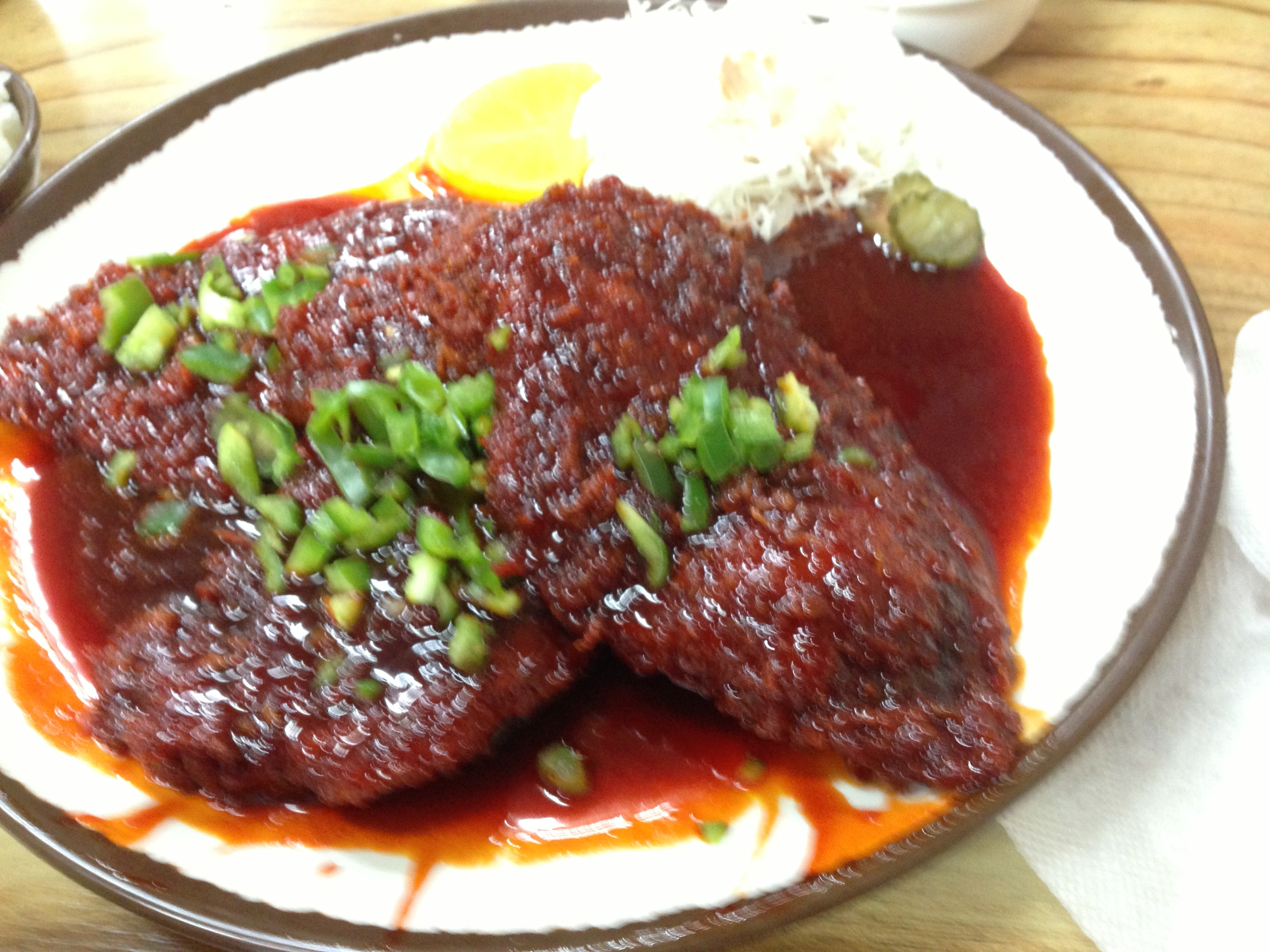
After my friend, Steph, and I wandered up and down looking for it for about ten minutes, we found it.  It’s a traditional Korean restaurant, so there are no chairs, only cushions and low tables.  There are pictures of only about 70 people on the wall who have finished the Drop Dead Donkatsu challenge.  I read about it initially on the internet on CNN Travel, so I knew I had to test my mettle when it came to a spicy food challenge.  When we sat down, they saw that I wanted to try the spicy donkatsu (15,000 W), and they made me first taste a sample.  I chopsticked a piece into my mouth, and it was quite piquant.  A quick note, they make you bring milk with you if you want to do the challenge.  No milk, no challenge.  What happened next made me quake fear a little inside out of fear.  Once they saw that the first piece didn’t phase me, they opened my milk carton, poured me a glass of milk, and put a small, mysterious plastic packet in front of me.  The waitress didn’t speak any English and was explaining everything in Korean, so I figured out she wanted me to drink the packet’s contents along with the milk.  When I ripped the top of the packet off and started drinking it, I saw it was white and tasted really funny.  Then I realized it was an antacid to help me eat the donkatsu.  S&#t just got real.  Eating contest contracts be damned!

Eventually it came out, and they explained the rules to me in Korean.  I saw most of the restaurant was watching me as one of the spectators sitting next to me on the floor decided to jump in and translate for me.  If I finished everything on my plate along with a bowl of rice in 20 minutes, I’d get it for free and my picture on the wall.  I looked down at my plate which was bigger than a hubcap loaded with three mammoth slabs of pork staring back at me like a den of rattlesnakes about to strike.

Age of innocence

The age of innocence

It's garnished with hot peppers too.  Not overkill at all.

It’s garnished with hot peppers too. Not overkill at all.

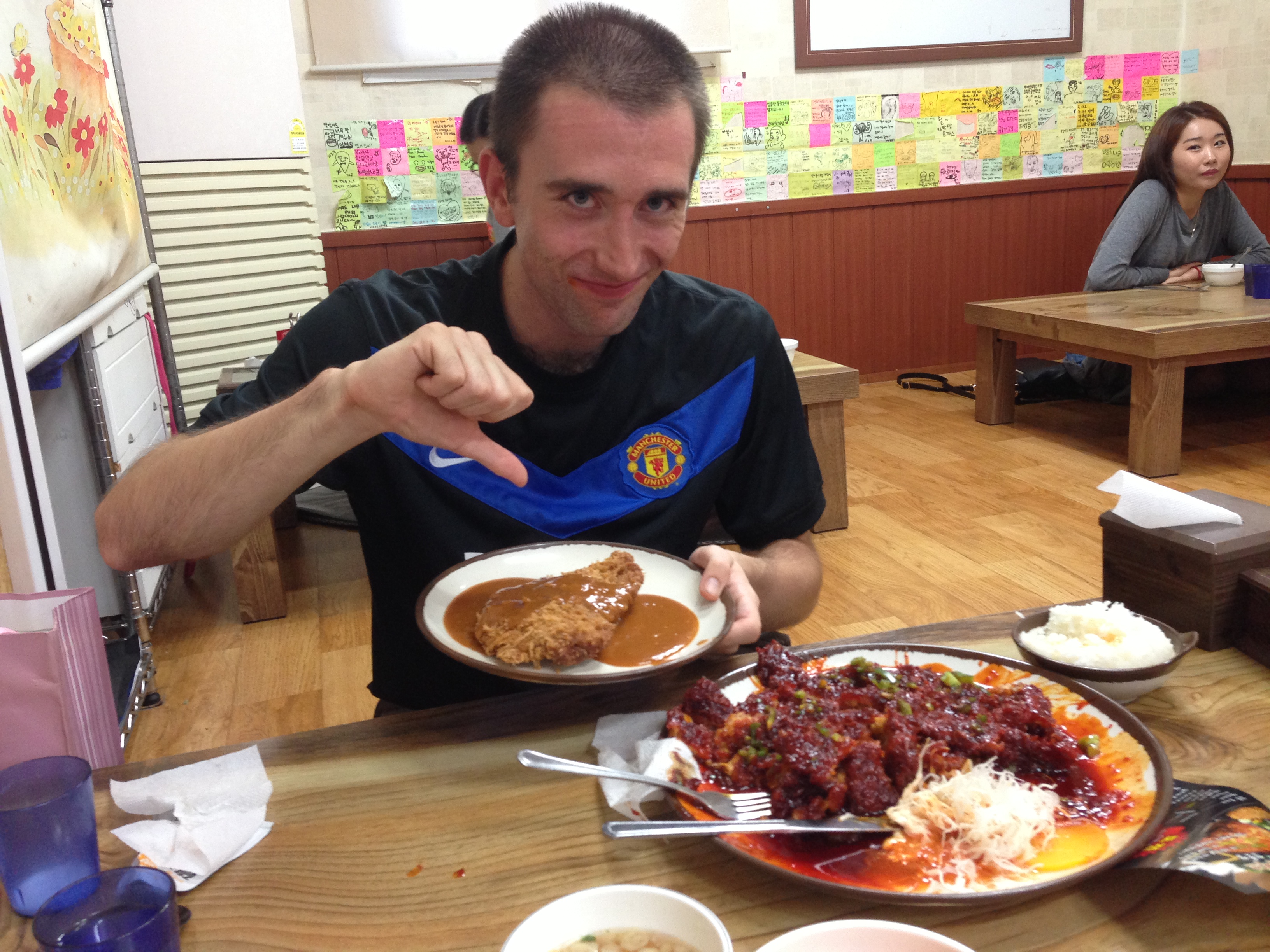
I quickly got to business cutting each cutlet into small pieces faster than Edward Scissorhands on Meth, and I quickly was faced with a dose of reality when I popped the first two pieces in my mouth.  The first one went down fine, but the second one was way too hot temperature-wise.  The heat combined with the spice began to overwhelm me, so I took a good swig of milk which combated it quickly.  Then I got two more pieces down, but I realized my body couldn’t take it.  I started to hiccough, and my esophagus began to spasm.  Thinking quickly, I began to eat some of the plain rice in the bowl next to me which had a negligible effect on the shock to the system.  I got one more piece down, and my mouth, especially my throat, felt like I just swallowed molten lava.  I slowed down immediately, and I realized that I had finally been bested.  Eating the pickled radish and salad on the side were last ditch efforts to continue, but I threw in the towel due to being in so much discomfort.  I don’t know what their secret marinade contains, but it must be some sort of supernatural pepper grown to simulate eating a piece of the sun.  Our waitress just smiled and took away the plate like she has done it many times before, but thankfully she came out with a free dontkatsu for my trouble which was the best I’ve had since coming to Korea.

The pity meal

The pity meal

It was something about the breading that made it really shine.  It was crunchy with an almost buttery finish to it that went hand in hand with the sweet curry it was swimming in.  It was a nice change of pace from the blast furnace I just swallowed, and the cheese donkatsu (5,000 W) Steph had was perfect with the right balance of smooth mozzarella and succulent pork.  She tried a single drop of the spicy sauce and was in pain for a couple minutes.  That’s how bad it was.

The happier, pain-free side of the table

The happier, pain-free side of the table

Culinary adventures can only go so far until you realize that its your health at steak (see what I did there), and you have to live with the consequences of your choices.  I didn’t feel like leaving the restaurant with a colostomy bag since these pieces of pork practiced their own form of a slash and burn campaign with my gastrointestinal tract.  Word to the wise.   I have to qualify my experience with the fact that I think my resistance to heat has dropped since moving to Korea since I went from eating spice everyday to a very bland diet.  However, if you feel like you can muster up enough courage, and your organs are coated with teflon, please try the Drop Dead Donkatsu challenge.  Either that or just get the regular donkatsu and pass up the pain.  Either way, it’s quite the worldly experience at Onnuriye Donkatsu.

On a Spicy Wing and a Prayer

Posted on

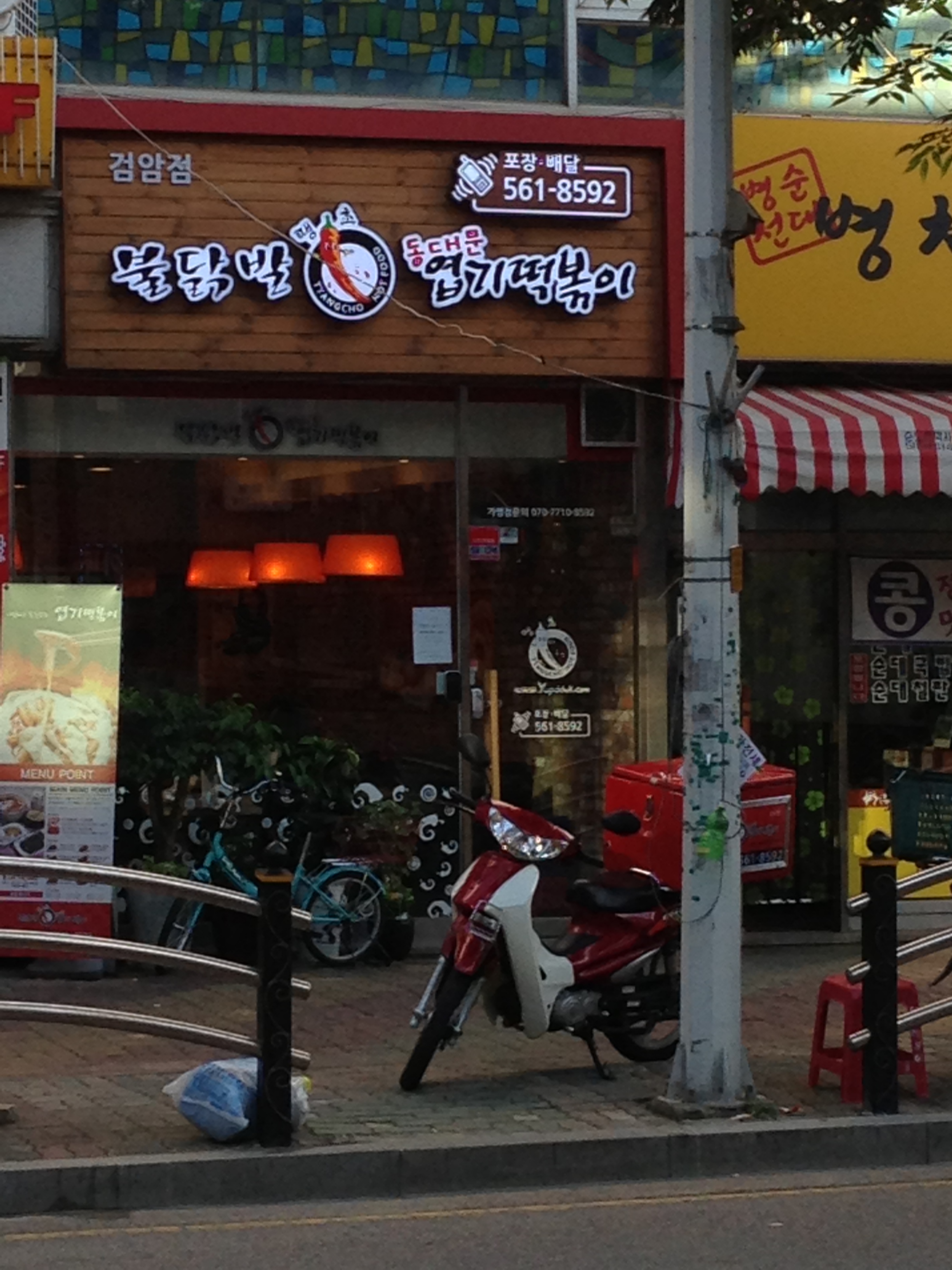
Hey everyone and welcome to another edition of Mastication Monologues!  Things have been trying as of late at school with the crazy work schedules due to the Fall festival that is coming up, but that doesn’t mean that my appetite has been affected.  Today I will be talking about a Korean place that I have passed on my way to Geomam station probably 1 billion times already (rough guesstimation right there).  The reason why it stood out from the other Korean restaurants surrounding it was the fact that it specifically advertised spicy food.  It’s called 땅초 or Ttangcho Hot Food which are all over Korea, but the one I went to is located at 인천시 서구 검암동 606-7번지 네오프라자 106호  or Seo-gu, Incheon City Plaza 106 West geomamdong 606-7.  Here is their website (sorry, it’s all in Korean):  http://yupdduk.com/.  On the right hand side of the page, click on “매장정보” to find store locations.IMG_0681

Moving on from logistics, let’s talk about the food.  Now, where I live is a lot less cosmopolitan than Seoul or even other parts of Incheon.  Naturally, when I walked in I was greeted with a lot of curious stares.  Not only because I was a foreigner, but also because I was eating alone.  Group mentality runs deep in all aspects of Korean life even when it comes to eating, and I could see the server/staff become somewhat wary of serving me since I was alone.  In contrast, all the other tables were filled with Korean students digging into their tteokbokki while occasionally staring or offering a giggle/wave coupled with a “Hi!”.  Their most popular items like the 엽기떡복이 tteokbokki (sticky rice cakes in spicy sauce) or the 닭볶음탕 dakbokeumtang (a fried chicken stew) were in the 20,000 W price range since they were family-sized bowls.  Instead, I went for the more manageable 참숯 닭날개 (14,000 W) which I found out were spicy chicken wings.  When they came out, I not only got a small mound of wings, but also an egg soup ( 계란찜) that looked similar to the one I had when I ate the live octopus. IMG_0679 I was expecting the wings to be drenched in some sort of red gochujang sauce that Koreans are so fond of, but these wings looked to be treated with a dry rub that had sesame seeds mixed in with the spices.IMG_0680  Even though the wings looked diminutive, the bone to meat ratio was favorable, and the chicken was sufficiently succulent.  As for the aforementioned seasoning, I could definitely taste some cayenne pepper working hard for its money as I took each bite.  Mid-way through the plate, the guy who looked like the owner came over and said, “Too spicy?”, and I just responded with a smile and an “아니요” (“no”).  He found all of it amusing either because I used Korean, and/or that I could eat food that Koreans had trouble eating.  I’d probably rate the spice level between a jalapeno and a habanero.  I took a couple spoonfuls of the egg soup, but it was quite bland after eating the fire-kissed wings.

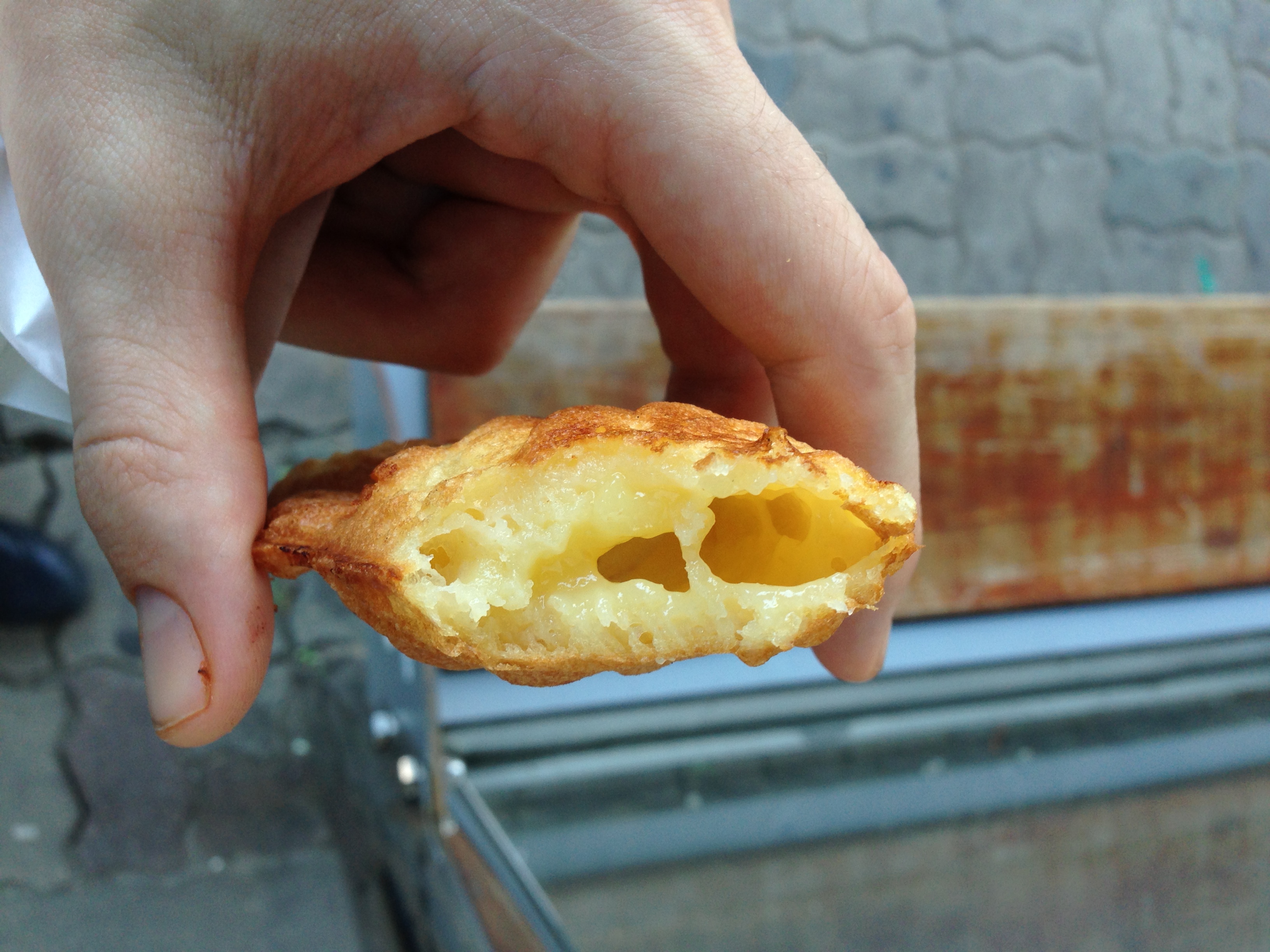
On the way back to the bus stop, I passed two old ladies in an open air stall selling these curious snack treats that I had passed by all over Korea but never tried one.  They are called 붕어빵 or bungeoppang which means “fish bread” (“Bungeo” is a type of carp, and “Ppang” means bread).  Based off my picture, they are quite obviously named.

The one that didn't get away.

The one that didn’t get away.

I saw that they were making two varieties of this baked good, the traditional red-bean filled type and a custard filled type.  Never forgetting my dislike for red bean flavored products, (See Ice Cream), I went for two custard filled carp (1,000 W).  I definitely made the right choice.  The outside was like a freshly made waffle with a sugary peck on the lips with every nibble while the inside was gooey and infused with a very delicate vanilla pudding similar to the filling of another Korean pastry, Manjoo Hana.

It's all about the creamy center.

It’s all about the creamy center.

It definitely supplied me with a sweet reprieve after my savory meal.

So if you’re looking for some quality spicy Korean food, check out Ttangcho Hot Food.  Speaking of spicy food, I will be attempting to eat the Drop Dead Donkatsu this weekend.  If I survive, expect a classic recounting of my adventure.  Until then, foodies!

Tibet You’ll Love It

Posted on

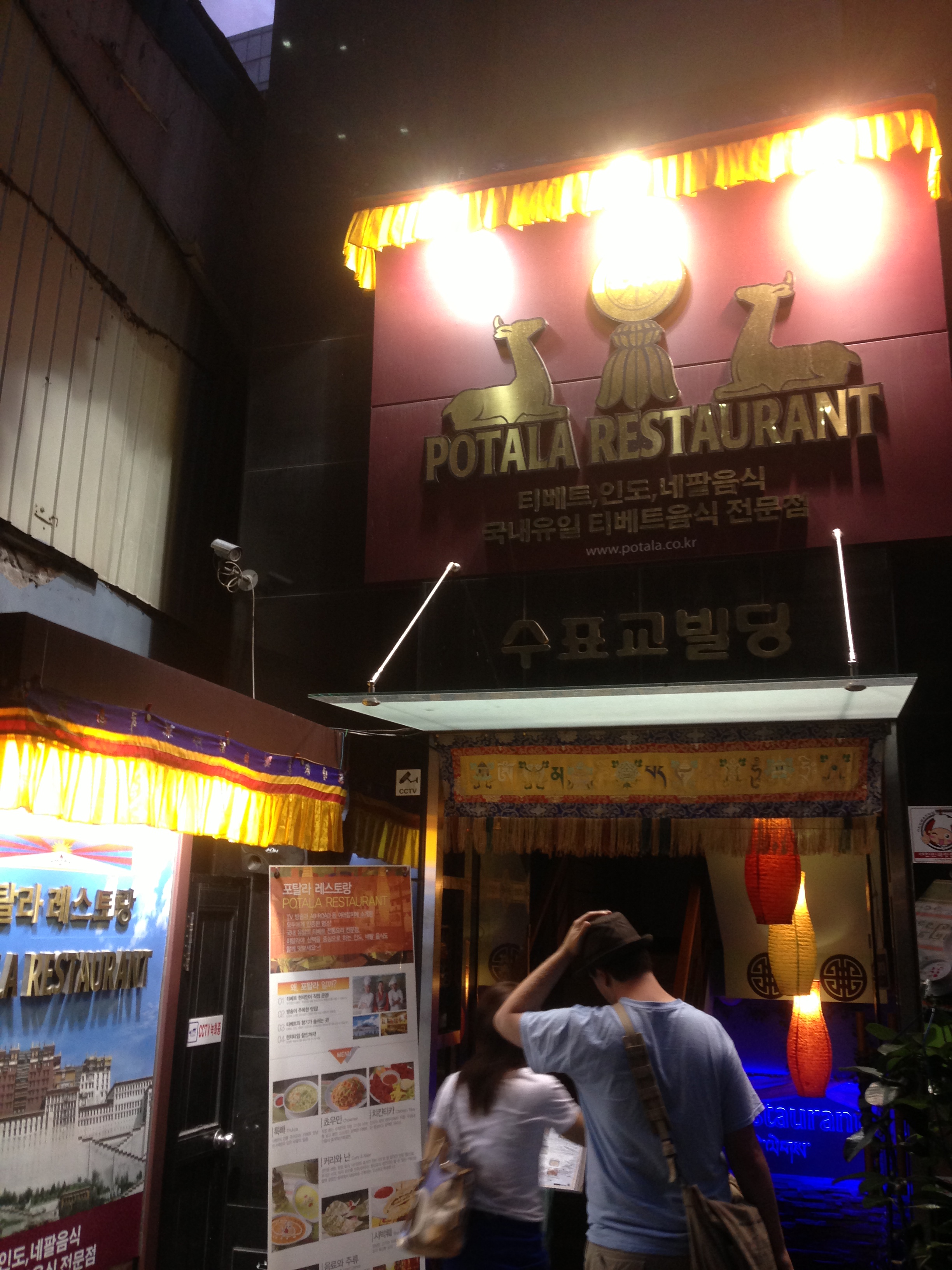
Welcome to another edition of Mastication Monologues!  Today’s post comes on the back of a very long night with some fun company and noraebang (Korean karaoke) action.  The night started out at a restaurant serving a type of cuisine from a country that I more associated with being the whipping boy for a much larger nation, a center of spiritual enlightenment, and a paradise for yaks.  Give up on the international guessing game?  I’m talking about Tibet; the pseudo-nation/kingdom that has been the focus of many international groups who argue that China brutalizes its inhabitants.  While China puts forth the stance that they liberated Tibet’s citizens from the backward and despotic rule of the now displaced Dalai Lama.  Geopolitical happenings aside, Potala Restaurant in Seoul brings you a small taste of what the mystical kingdom can offer in terms of food.  It’s located at 서울시 종로구 관철동  35-2 수표교빌딩 지하1층 (GwanCheol-Dong 35-2 SuPyoKyo Building B1 Jongno-gu, Seoul).  Here’s their menu.IMG_0668
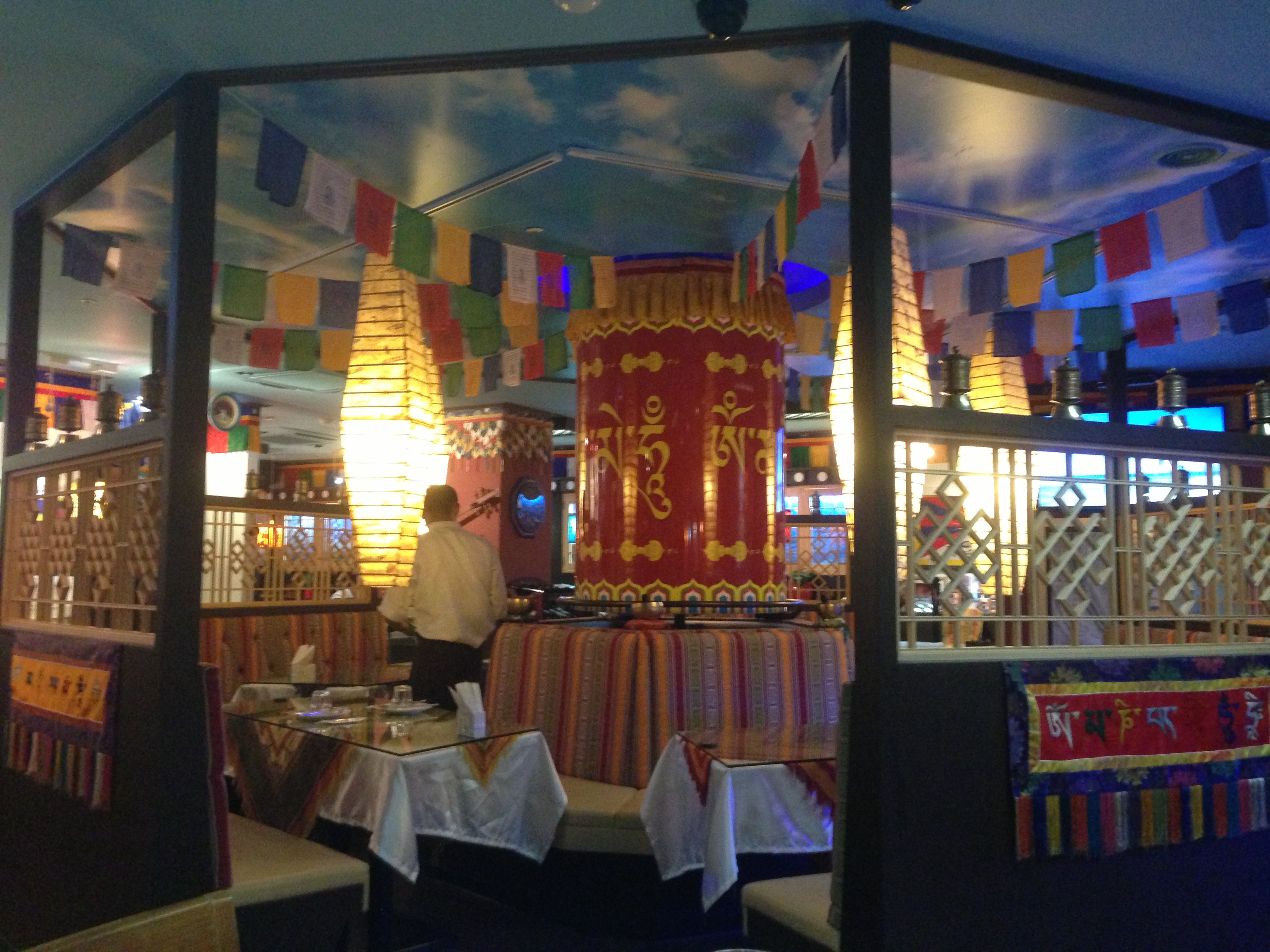
To begin, the decoration inside and outside the restaurant was sumptuous and in good taste while reflecting the richness of Tibetan culture through numerous Buddhist symbols like prayer flags and prayer wheels.  One of the highlights of the dining experiences was the giant prayer wheel in the middle of the restaurant which actually spun which the owner showed us how to do it with great gusto.IMG_0676  While we were initially taken in by the colorful surroundings, we slowly but surely made up our mind on what we wanted to order.  Since we all have been living in Korea, we decided to do like the locals and share all of our food.  It was a great decision.
The first thing that came out were the fried momos or Tibetan dumplings (8,000 W).

Gimme Mo,mo, mo!

Gimme mo,mo, mo!

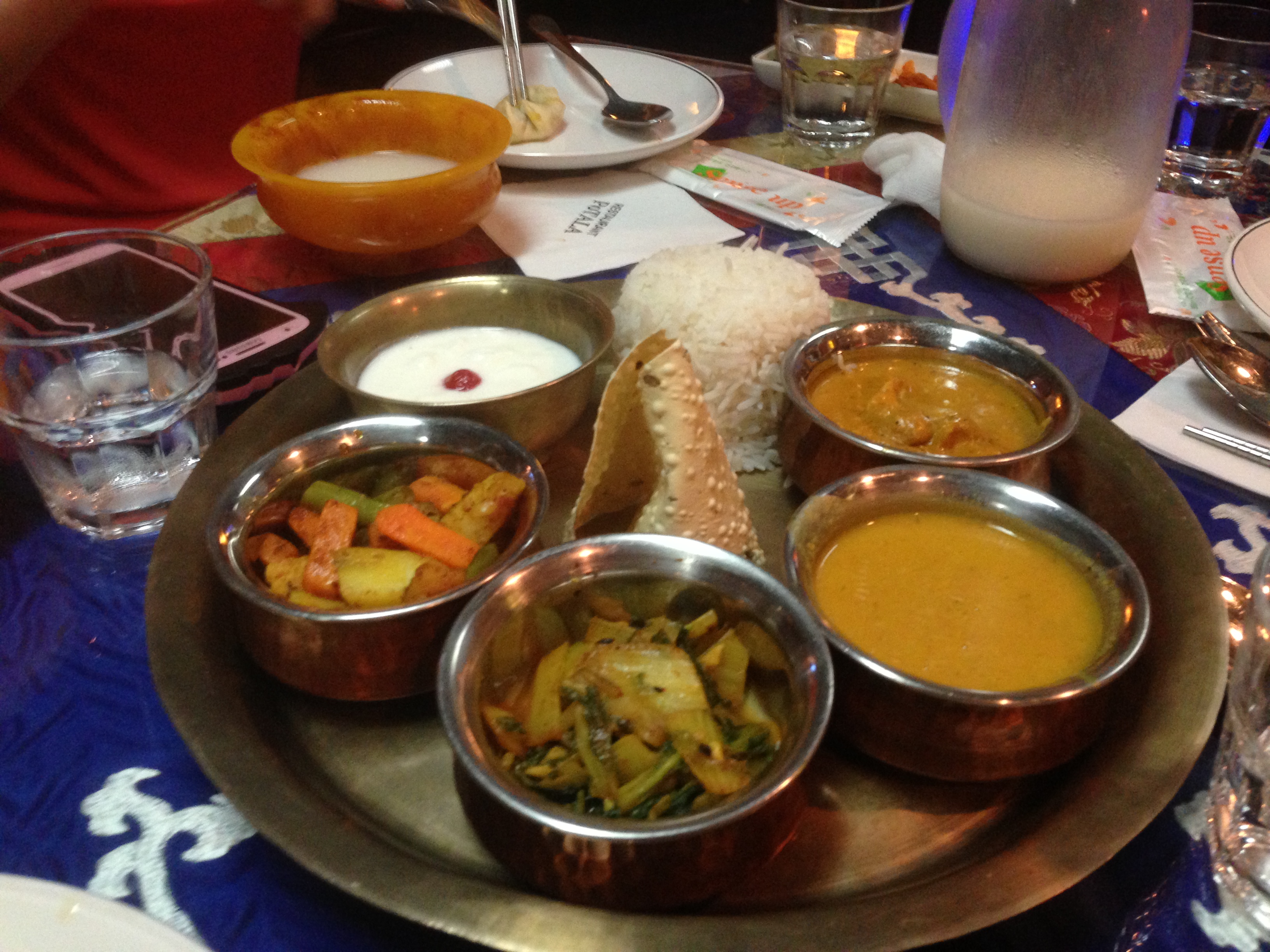
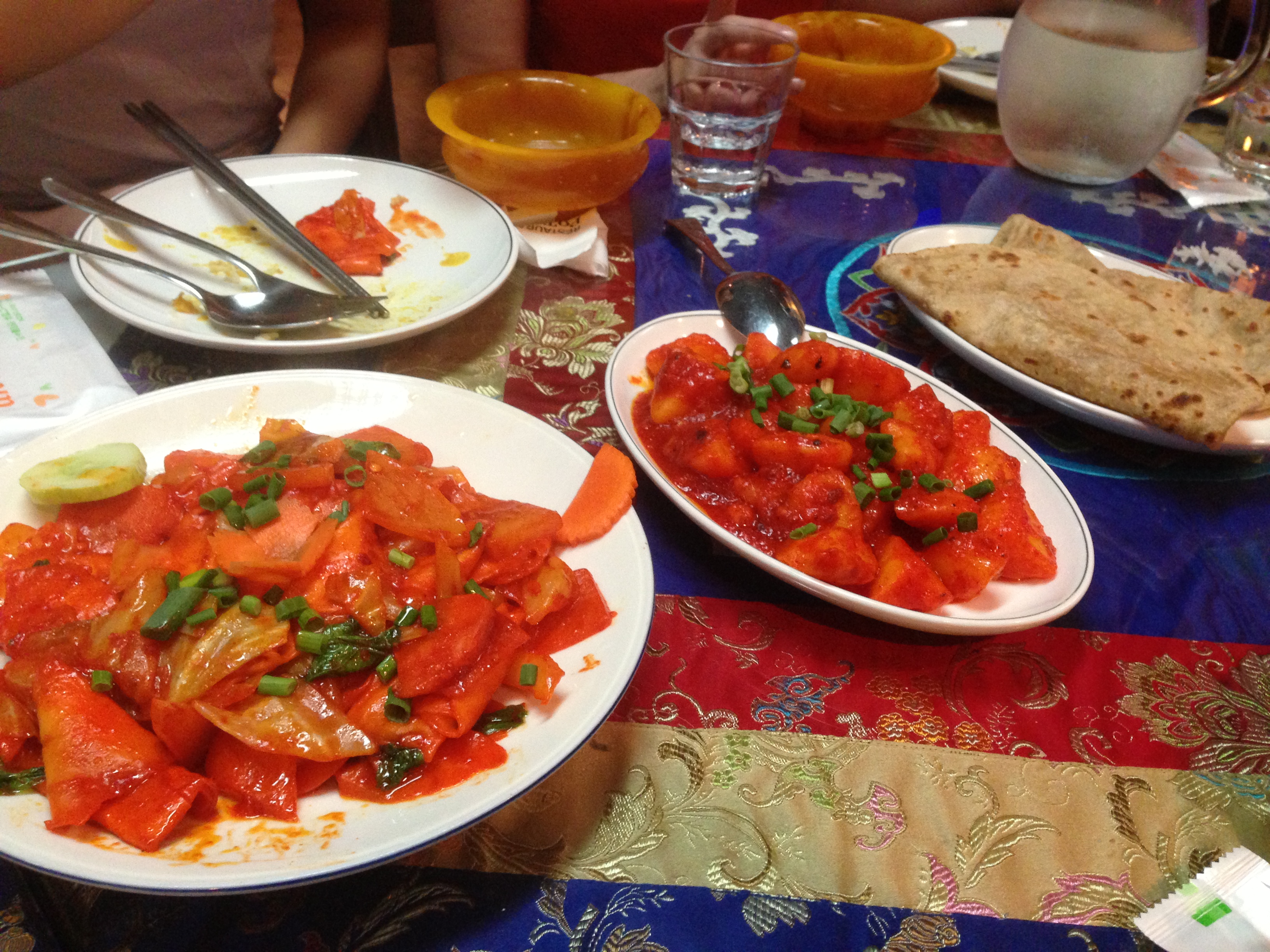
They looked like your classic Chinese dim sum dumplings but deep fried to a light yellow hue.  They were also served with a chutney that seemed unnaturally green.  However, my fears were soon allayed once I bit into one of these small cocoons of deliciousness (side note:  they took a long time to cool off, so wait a bit before taking a big chomp).  The fried dough was slightly flaky and crunchy while the interior was filled with potatoes, peas, and curry which all went well with the green chutney.  Then the Thali set (20,000 W) came out which was a sampler of various mostly Indian and some Nepali specialties. IMG_0670 I personally didn’t think it was anything special in terms of the foods offered like the curried vegetables, kerala, or butter chicken, but I did enjoy the crispy papadum cracker infused with black pepper in the middle.  It also came with a side of tandoori chicken which was uninspiring to say the least.  It was quite bland, and the meat was a bit too dry for my liking.  While we were in the middle of that five ring circus, two more Tibetan dishes came out.  First, there was the than thuk fry with veggies (10,000 W).

Not red hot at all (Thuk on left, Bhakle on right with parathas)

Not red hot at all (Thuk on left, Bhakle on right with parathas)

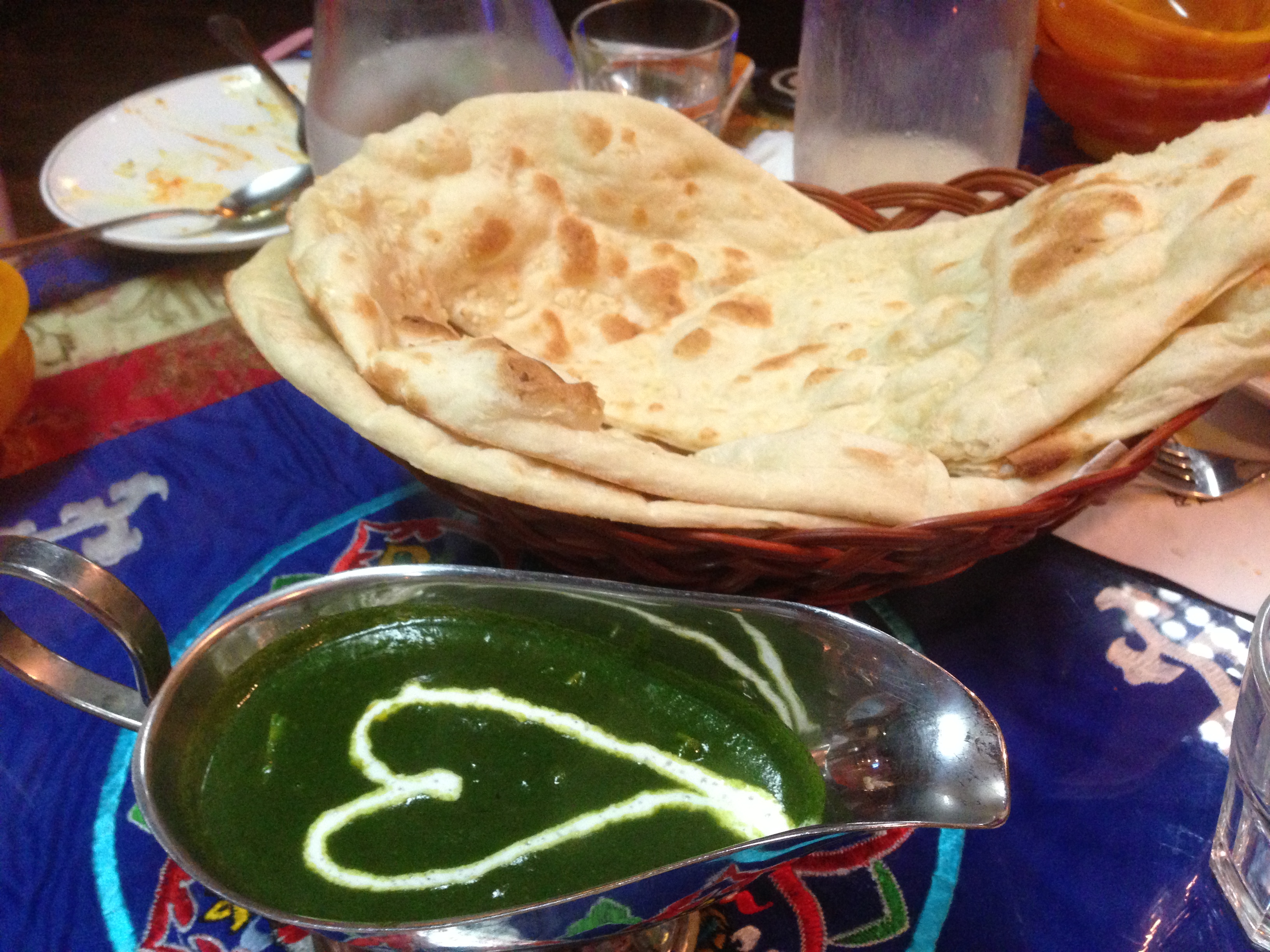
It was a noodle dish that was just ok.  The red sauce had a minor spicy zing to each bite, and the vegetables were cooked nicely.  Overall, it was a bit too bland for me.  However, I was really excited to see the second Tibetan plate come to the table which was loaded with shoko bhakle (8,000 W).  I was excited because it was promoted as being really spicy on the menu, but I think we might have been the victims of false advertising.  Now, I can eat some really spicy food, and I found these potatoes in red sauce to be quite tame since I was preparing for a vindaloo level of spice.  Others at the table who don’t normally eat spicy food also thought that it wasn’t anything dangerous to eat.   Perhaps the cooks toned it down since Koreans believe that all foreigners can’t handle a little spice.  Either that, or I’ve found that Koreans think they can eat really spicy food, but they’ve never tried anything past maybe a jalapeno level of heat.  However, the tubers did have an interesting flavor profile that reminded me strangely of patatas bravas, and they did go very well with the well made parathas.  The last thing we had for dinner was a bowl of palak paneer (Indian cheese with spinach; 12,000 W).

Awww, I heart you too, paneer.

Awww, I heart you too, paneer.

It was made even greater with the introduction of some great, piping hot pieces of regular and garlic naan that were anything but simple.  The garlic in the garlic naan was understated which really let the spinach and cheese shine.  Once we demolished all of that food, we were quite satisfied, but there was still the issue of dessert.  We ended up sharing some fried bananas (7,000 W) which were amazing.  While the buttery dough brought you in, the fresh banana along with the bittersweet honey made your tastebuds feel right at home with a warm embrace that wasn’t too sweet thankfully.

Then there were the drinks people had.  Some ordered rice beer or chang (12,000 W) which looked like Korean makkeoli, but it had a very sour flavor profile that apparently grew less apparent the more you drank it (perhaps that was the alcohol working on my friends too haha).  I, however, plumped (literally) for the butter tea (4,000 W). It’s a signature drink of Tibet since most of their food, clothes, and everything else comes from the almighty yak.

The ultimate fatty drink

The ultimate fatty drink

The tea looked like a slightly foamy milk when it came out in its humble wooden bowl.  I could only describe it as drinking a cup of tea mixed with Land O’Lakes but not really salty.  It was a strange, smooth brew, and I’m sure it would hit the spot after a long day of expending calories while hiking through the Himalayas.  I worked out in the morning, and I was drinking butter at night.  I guess you could say I’m even.  By the end of the meal, we were thoroughly stuffed with some great and interesting food and beverages.

So if you looking for a good time with great food, check out Potala Restaurant in Seoul.  It’s quite enlightening.

Commentary: My Disdain For Pasta

Posted on

As many of you have clicked on my page over the years to see what sort of crazy food adventure I’m up to whether that be eating blazing hot chicken wings  that were equal to law grade pepper spray or the aptly named “penis fish” in Busan’s Jagalchi Fish Market.  However, a recent conversation with friends about culinary preferences brought up something about myself that really struck a chord with both of my interlocutors in terms of its uniqueness, and they said I should share it with the world.  Therefore, I’m writing this short post to reveal this secret.  So here it goes.

I don’t like pasta.

(Pause for dramatic effect)

You read that correctly. I don’t like the seemingly universally loved food.  The typical scenario that plays out is I’m at some function where they think they ordered something everyone would enjoy, i.e. pasta, but they didn’t plan for someone like me.  Once faced with my plate of unappetizing food, I take a couple show bites, but then quietly try to look around for other food like some crafty racoon while everyone is tucking into their meal.  Then someone notices my reticence, and the questions begin:

That guy with the face:  “So, are you not hungry?”

Me:  “No, I’m quite hungry.”

That guy with the face:  “Then why haven’t you eaten anything?”

Me:  “Because I don’t like pasta.”

Cue a reaction that has ranged anywhere from a shrug of the shoulders to, more often that not, jaw-dropping incredulousness.  I guess I know how vegetarians feel now, but I have, on occasion, eaten pasta just for appearances when at someone’s house for dinner and/or a party.  My mom thinks my dislike stems from some deep-seated, psychological fear from when I tried pasta when I was quite young and semi-choked on it.  I disagree with this psychoanalysis hypothesis.  I just don’t really care for the texture of the pasta/combination of the ingredients.  Italian noodles are rubbery, and the sauces/fillings are often too rich/overbearing.  Of course, everyone and their mother has their own way of preparing it as I witnessed first hand while traveling through Italy.  Even when I was in the heart of the motherland of pasta, I didn’t really care for it.  When it came to the rest of the food there, however, I was a regular gavone who enjoyed every bit of the local cuisine.

One of my most disliked forms of pasta is macaroni and cheese.  I’m sure if you’re reading this, you must think I’m officially some sort of weirdo.  I assure you it’s further from the truth.  It’s even worse with Kraft Easy Mac when it’s basically powdered Kraft American “cheese flavored product” (look on your box of Kraft singles slices.  It’s not called American cheese; it’s “cheese flavored product”) on anaemic-looking factory noodles.  Yum.  Either way, homemade or from a box, it’s too bad one has to ruin perfectly good cheese by adding pasta to it.

Before you bring out the pitchforks and torches to run me out of town like Frankenstein’s Monster, let me add a caveat to my culinary distaste for the starchy staple.  While I don’t like pasta, I do enjoy many of the noodle recipes featured in Far East Asian cuisine.  Now you might be thinking, “Wtf?  They’re the same thing?”  No, they’re not.  Italian pasta is typically made with semolina flour which leads to a sturdier texture that can also hold on to a lot of sauce.  Asian noodles, on the other hand, are most often made from rice starch which leads to a silkier/lighter texture that lets the sauce flavor the noodles but not cling to the surface.  Plus, I generally prefer the spicier and bolder flavors of Asian noodles like Pho or Pad Thai or even spicy Korean 라면 (Ramen noodles) compared to the more pedestrian options of pasta.  Yes, I know there are a wide range of possibilities like squid ink pasta, but most of the time it’s simply the same type of Durum wheat-based noodle with either meat, vegetables, and/or a dairy-based sauce on top.  Sound a lot like pizza, right?  A lot of people ask me if I like pizza, and I do love pizza.  I just don’t think you can equate the two like apples to apples though.

Well, I said my piece, so let me know what you think.  Is there someone else out there who’s as odd as me not liking a common food, or is it just one of my many quirks that really sets me apart from everyone else?

P.S.  Pastafarians, you’re alright in my book.

noodly-appendage

Pigging Out In Hongdae

Posted on

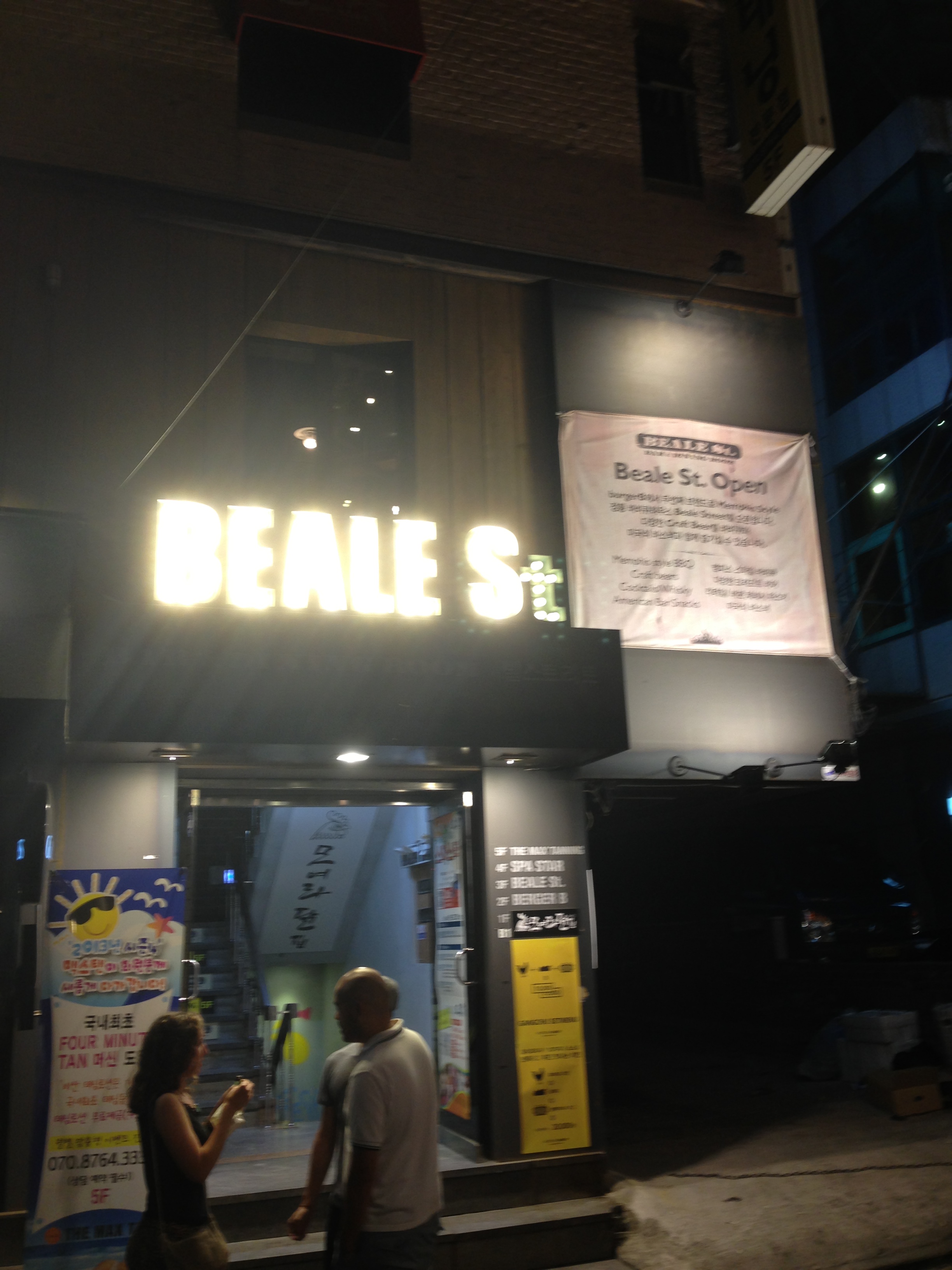
Hello and bonjour everybody!  The summer is slowly but surely floating along as I’m struggling to cope with this unbearable heatwave that has struck Korea.  Energy-draining and lung-flattening humidity aside, I finally managed to make it out to a new restaurant in Hongdae in Seoul.  Now, I’ve been perusing a food blog or two trying to find newly opened places or niche cuisine eateries, but my friend’s birthday party turned me on to a pretty standard restaurant with some offbeat choices.  I’m talking about Beale St.  located at 363-28 Seokyo Dong Mapo Gu.  It’s right next to Burger B, the original establishment we were going to check out.

Their sign is like the sun.  If you look directly at it, you will go blind.

Their sign is like the sun. If you look directly at it, you will go blind.

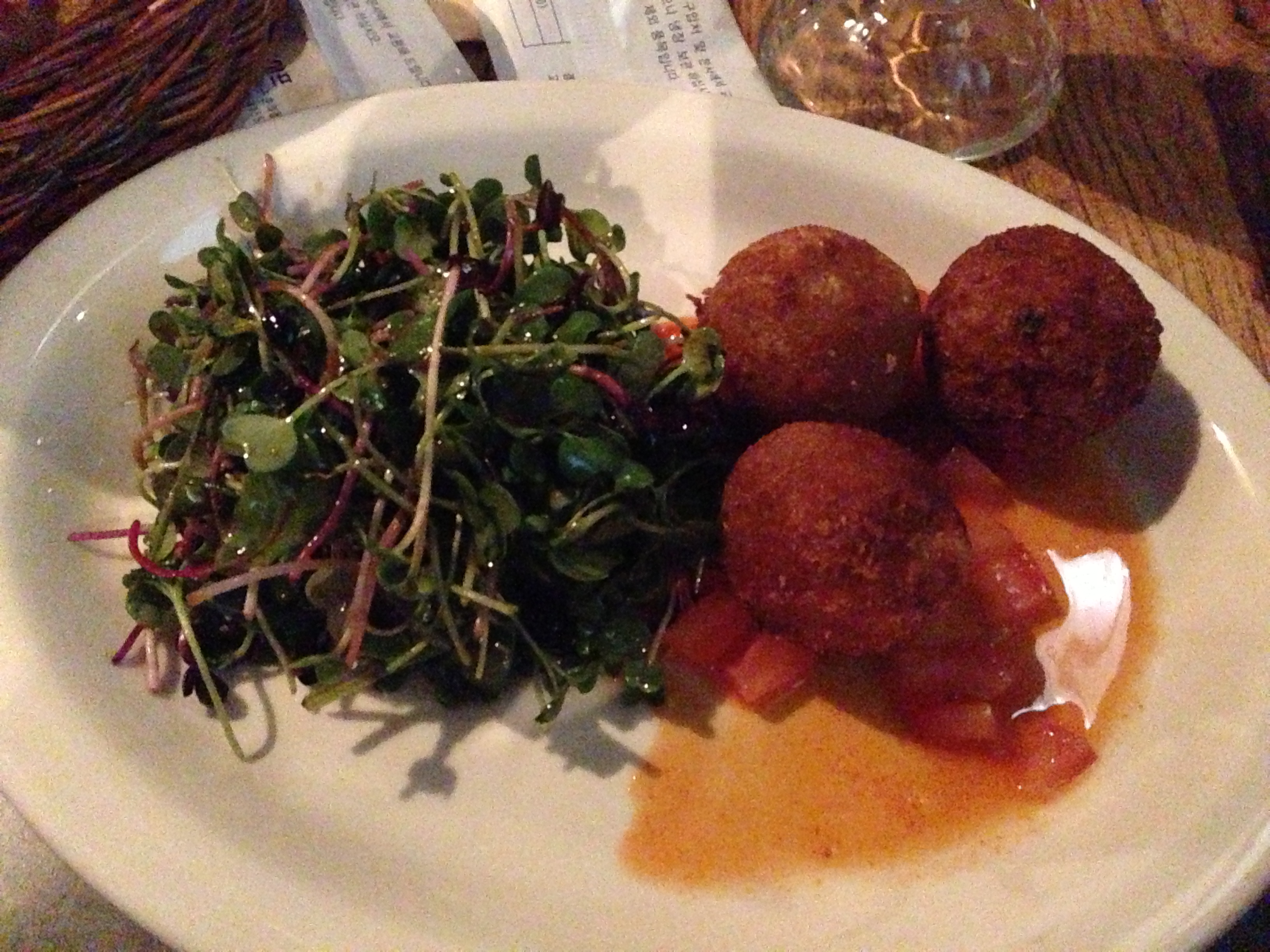
When I saw the name of the restaurant, Beale St., I was brought back to one of my most enjoyable vacations to Memphis, Tennessee.  I went with my family to Memphis to see Elvis’ Graceland and of course, taste that delicious barbecue.  Beale St. is the main thoroughfare in downtown Memphis.  Check out my other post that I wrote about another burger joint in Memphis with absolutely mammoth, mouth-watering onion rings (Click Here For The Post).   Naturally, I saw that the walls in Beale St. were festooned with various types of American kitsch like old gas advertisements, instruments, and even a Graceland sign.IMG_0651  Anyway, to the food.  Looking over the menu, I saw that they were staying true to Memphis’ barbecue legacy with a laundry list of classics like a half/full rack of ribs (23,000 W/43,000 W, respectively), burnt ends (16,000 W), and their chicken “boobs” (10,000 W) that apparently are bbq chicken breasts (tee hee, you so funny, Beale St.). They have a great beer and liquor selection that would be rare to find in other restaurants in Korea.  They also have the menu from Burger B next door, so you can order a burger like almost everyone else in my party group did.  I heard they were pretty good based off their reactions, but I went for two off-beat choices from Beale St.:  chicharron popcorn (4,000 W) and boudin (pronounced “boo-dahn”) ball (5,000 W).  They were both washed down with a heavenly vanilla-caramel milkshake (7,000 W).

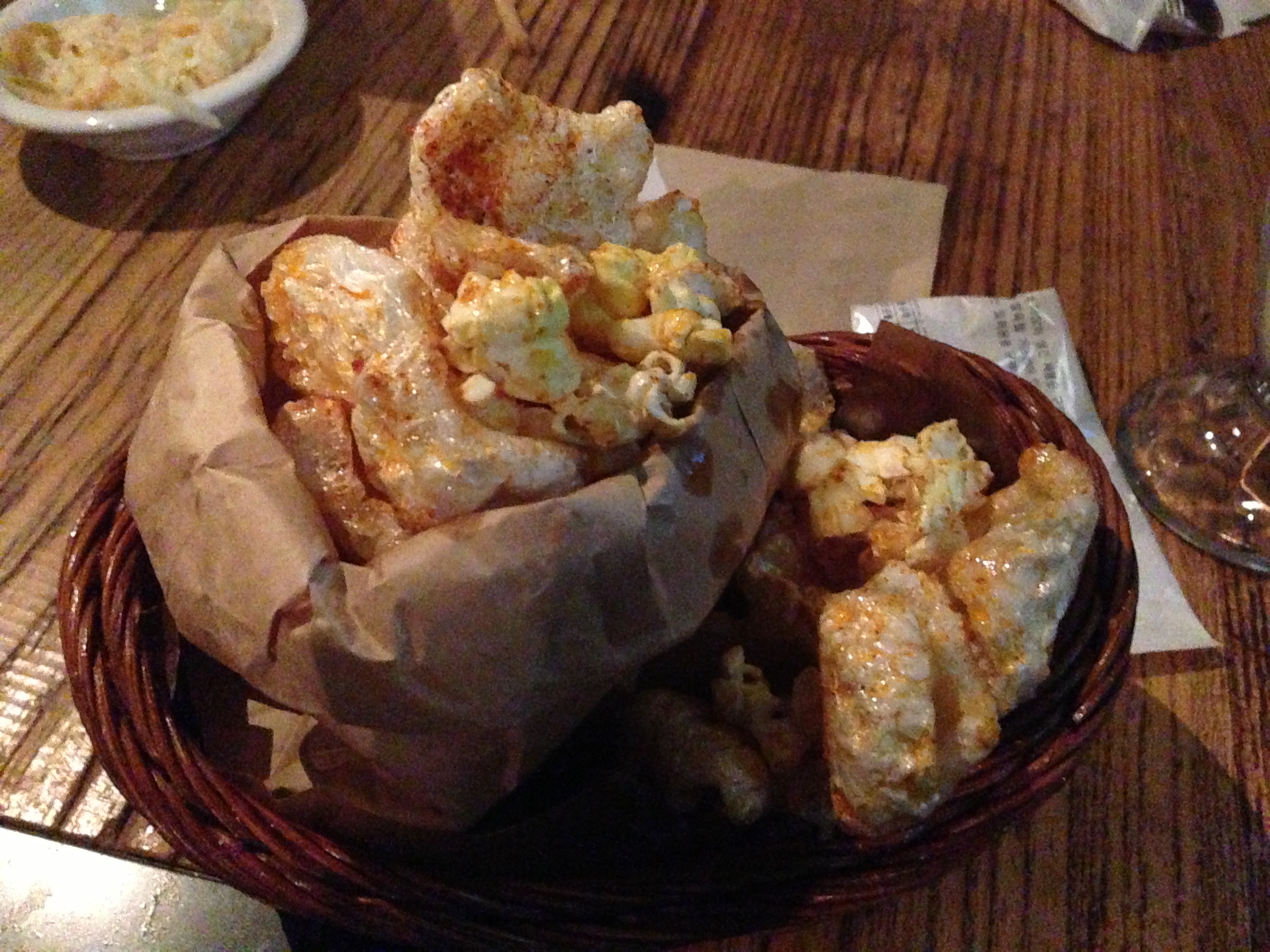
First, there was the chicharron popcorn.  Most people know what popcorn is, but I’m pretty sure no one at my table knew what the slightly bizarre items were on top of the popcorn.  Growing up in the Chicago area where we have the 4th highest population of Mexicans in the USA, I was exposed at an early age to the different foods of that culture like chicharrones.  While the chicharrones may look like some sort of puffy rice cake, they are actually pieces of pork skin that are seasoned and deep fried in order to make a tough, inedible piece of the pig edible.  So when they came out, it was a basket of popcorn loaded to the top with chicharrones.

Porky popcorn pleasure

Porky popcorn pleasure

Normally when eating chicharrones, you’d like to put some hot chili sauce on them to give them a bit of a flaming zing, but Beale St. thought of that for me.  They managed to put a semi-sweet glaze over each curled piece, and then doused them with a perfect amount of dry chili rub.  The popcorn was prepared in the same fashion that really was a change of pace from your typical butter laden bucket you’d find at your local movie theatre or at home.  As for my other mini-entree, I was intrigued to see how they interpreted the Cajun boudin balls.  For those who don’t really know that much or anything about Cajun cooking, let me explain.  The Cajun culture arose from French-speaking Acadians who immigrated from Canada to what is modern day Louisiana in the USA back in the 1700s during French and British hostilities in the Seven Years War.  The Acadians created their own ethnic and cultural enclave that has left an indelible mark on Louisiana especially on the music scene with zydeco, their own variety of French still spoken today, and especially the food realm with their rustic French inspired dishes.  This leads me to what boudin is.  It’s a pork sausage that can be made with blood (boudin rouge) or without (boudin blanc) and stuffed with ground pork, Cajun spices, and dirty rice (Cajun rice cooked with pieces of liver and gizzards).  The balls, however, were made by rolling this filling into small spheres and deep frying them.  Given this explanation, I was a bit confused that they had Cajun food like gumbo, jambalaya, and boudin in a restaurant focused on cuisine from Tennessee.  Maybe they mixed up Memphis’ Beale St. with New Orleans’ Bourbon St..  Either way, I was satisfied even though the balls really could have been bigger for the price.IMG_0655  The bread crumb shell was a beautiful golden brown while the inside was a bit too mildly seasoned for proper Cajun cuisine, but they tried to make up for it by using a spicy Korean gochujang-based sauce that was drizzled over these tasty nuggets.  The overall quality of the rice and pork melange was superb though.  I assumed the Korean owners would get right these parts of the boudin right since they’re two staples of the Korean diet. IMG_0656 On the side, there was a lovely clover salad that was gingerly dressed in a sweet vinaigrette that provided a light balance to the dense, meaty richness of the boudin.  Finally, there was the milkshake…lord, the milkshake. IMG_0652 It was simple in presentation, but flavor-wise it was quite elaborate.  Whilst the buttercream element of the vanilla started off each sip, there would be a lightning bolt of sugary caramel that would flash across my palate and hit my pleasure zone every time. I would recommend this twist on an ice cream shop classic to anyone.

Overall, Beale St. has a slight identity crisis with the items on their menu, and they are a bit on the expensive side.  Regardless of the price, if you want well made burgers, barbecue, and Cajun cuisine, you will not be disappointed.  To quote the immortal Cookin’ Cajun, Justin Wilson, “I guarantee!“.

Tomatill-Oh So Good

Posted on

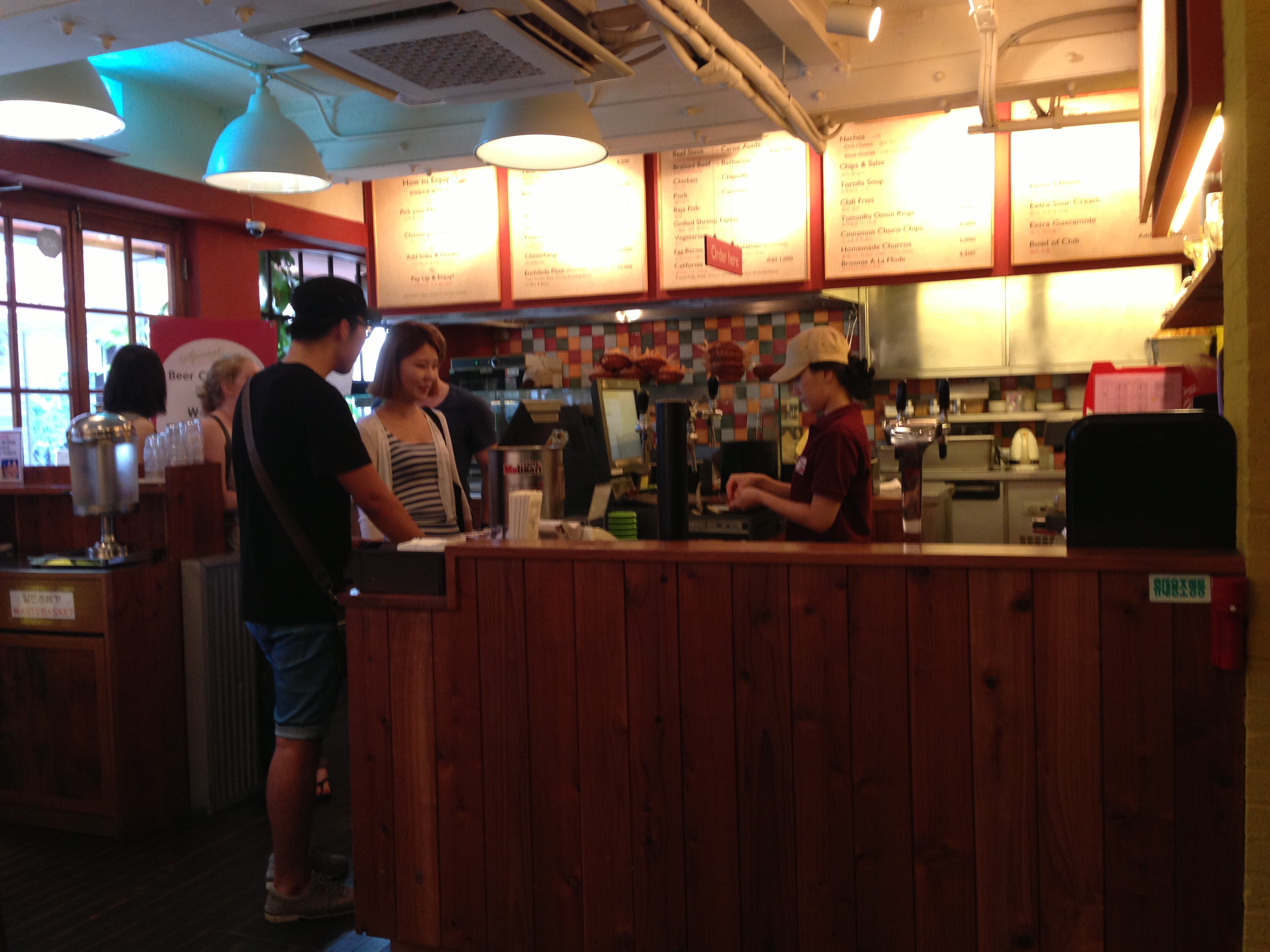
Hola a todos!  So I’m still living the foodie thug life while on summer vacation here in South Korea, and it is still hotter than a mother-father gentleman.  However, that doesn’t mean that this heat is stopping me from enjoying my free time before second semester starts at the end of the month.  Today I visited a new Mexican restaurant called Tomatillo which is located in Itaewon.  To get there, come out of exit 1, and then make the left you see that doesn’t go into a parking lot.  Then turn right, and it will be there on your left hand side.  Here is their website.IMG_0636IMG_0637
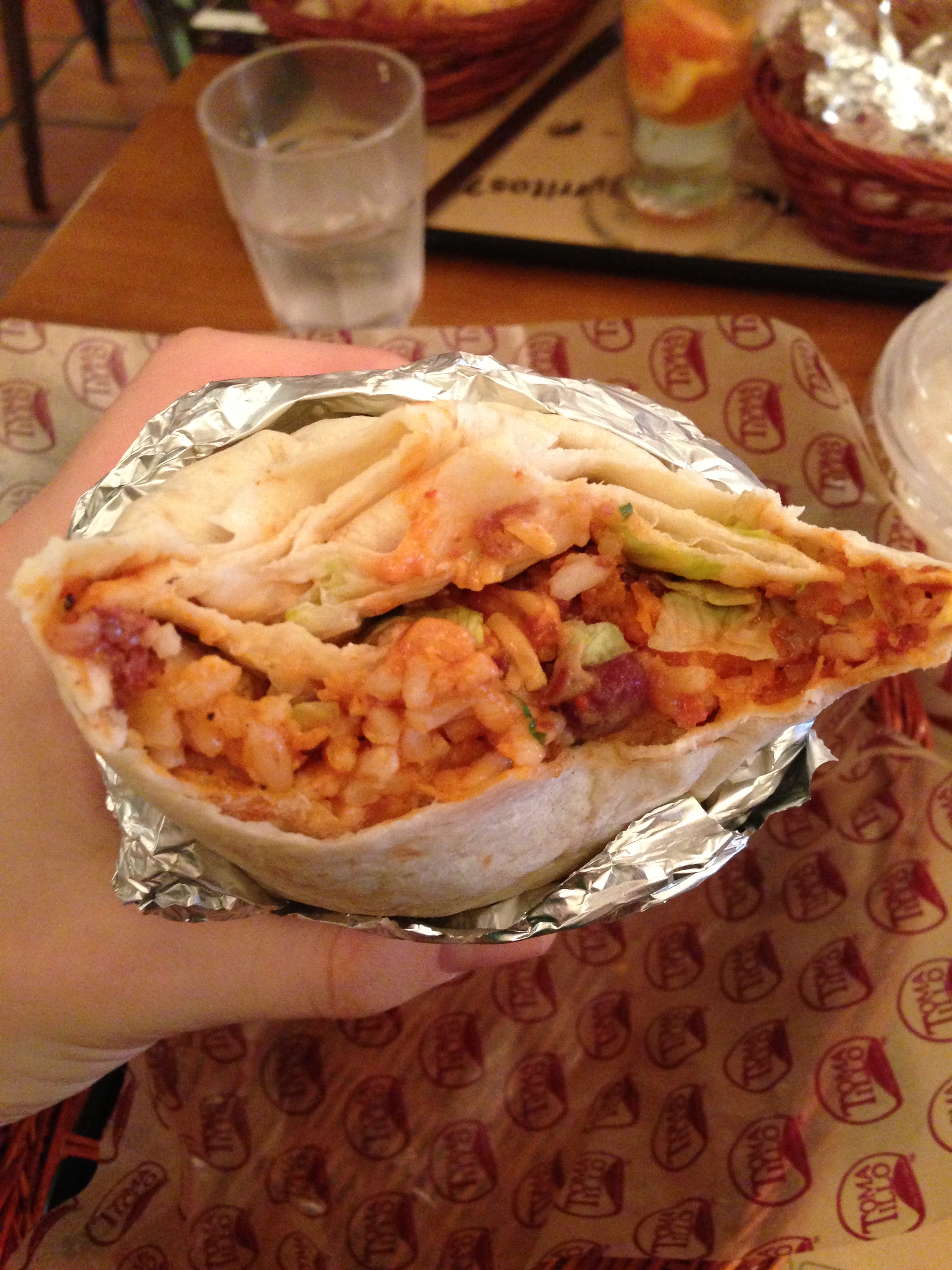
Originally, I was planning on trying some Paraguayan food at Comedor in Itaewon, but since it is Korean Independence Day, not only are the Koreans celebrating their liberation from the Japanese but also their ability to close down their restaurants whenever they want.  Long story short, not many restaurants were open, so we ended up at Tomatillo.  That is not to say that it was a terrible experience.  Quite the opposite.  After scanning the menu, I saw that they served Tex-Mex standards like nachos, tortilla chips with salsa, tacos, burritos, and chimichangas.  I hate to break it to them, but they were calling a taco salad a “tostada”.  Tostadas being one of my favorite Mexican dishes, I was slightly perturbed by this.  At the same time, I realized we were in Korea where they refer to guacamole as “avocado sauce”, so I can’t really be annoyed with them.  I got a barbacoa (braised beef) burrito (9,000 W), a glass of horchata (5,000 W), and a side of chocolate churros  for dessert (4,500 W).IMG_0638

The wait wasn’t too long for my food to come up, and I was quite excited to see this banquet set out in front of me.  I started on the burrito, and it was pretty damn good for Mexican food in Korea.  I mean, I still think even Chipotle would beat it in terms of overall flavor diversity though.  They also asked me if I wanted it spicy, and I replied in the affirmative.  Yet when I bit into this substantially sized burrito, I didn’t taste one hint of spice.IMG_0641  I don’t know if they just don’t have the ingredients to make it really spicy, or are just giving into their natural assumptions that Western people can’t handle spice.  Lack of supposed spiciness aside, the ingredients in the burrito were well made.  The beef was definitely well seasoned and was not too juicy/too dry.  The tortilla was soft and pliable yet held together at the height of my feeding frenzy.  I really enjoyed the Mexican rice along with the beans that were nestled in every gentle fold of the white tapestry that brought this little bundle of food together.  I think if they actually used some sort of chili sauce and more chipotle, their burritos could really go to the next level in terms of tasting like Mexican food you can get in Chicago or L.A.  Moving on to my horchata, it was really refreshing since it was ice cold and creamy but slightly different to the horchata you can get at any taqueria in Chicago.  The Korean version still had the cinnamon-notes that reminded me of home, yet it seemed too thick to be the real deal.  Oh well, just another variant just like how the original horchata in Spain tastes different from the Mexican version.  Finally, there were the churros…best part of the meal. IMG_0640 Not only did I get a good amount for my money, but they were liberally doused in cinnamon and sugar.  The chocolate was lightly drizzled on them which was different than the Spanish churros I’d get down the block from my apartment in Barcelona, but these Korean ones were perfectly fried.  They were slightly crunchy, but not overly so, and had a soft, almost creamy dough center that was still warm.  Too good.  Overally, I liked it better than Taco Cielo since it seemed not as over the top and trying hard to adopt to develop syncretic cuisine to please the locals.  So if you don’t want to battle it out with the crowds at Vato’s Tacos down the street, check out Tomatillo!
Before I finish, I just want a quick Fell and Cole blurb about two new ice cream flavors I tried:  red wine/Sichuan chili pepper and Love Potion No. 6.  For other flavors, see Nosh Pit and Where Everyone Should Bee.

So hot yet so cold

So hot yet so cold

First off, the red wine/Sichuan chili pepper ice cream was very novel yet disappointing in certain aspects.  While it had a strange tartness that persisted after each spoonful, I was crestfallen that it didn’t fulfill its potential to be a really spicy ice cream.  The chili element seemed to have been neutralized and instead used for textural support as I could feel the crunchy chili flakes running over my tongue as I slowly savored the cold wave passing over my palate.  Perhaps the cold neutralized the signature Chinese heat.  As for the second flavor, Love Potion No. 6, it was made of black rice, black beans, black sesame, and kelp.IMG_0643  Why all the black stuff you ask?  Well, this ice cream is supposedly referring to a Korean belief that ingesting these foods can roll back the years.  Hence, your grey hairs will turn black again.  I’d personally prefer more hair on my head, but I was genuinely surprised by this flavor.  I was expecting it to taste like garbage, but instead, it had a sugary taste peppered with earthy notes.  I could only liken it to the conservative flavor of a sugar cone, but every so often I could detect the light caress of the salty kelp.  If I had to choose between the two flavors, it would be hard, but I’d go with the Love Potion because its flavor wasn’t as intense as the bold combo of alcohol and crunchy pepper flakes.

Design a site like this with WordPress.com
Get started