Ah Tuesday. The most underwhelming day of the week. It doesn’t have the anticipation of a Friday or the dread of a Monday or even the satisfaction of getting over the peak of the work week on a Wednesday. Thankfully, I have a wonderful Mastication Monologues post about a restaurant that will have you wishing for the weekend.
Stephanie Izard is one of the highest profile female restaurateurs who has cultivated an enormous following through her various eateries in the West Loop/slowly gentrifying Fulton Market area of Chicago, including the famed Girl and the Goat which I have also written about. Now, she has taken her legend to another level by becoming an Iron Chef as well as opening a Chinese inspired restaurant called Duck Duck Goat, a much better alternative to a goose, I think.
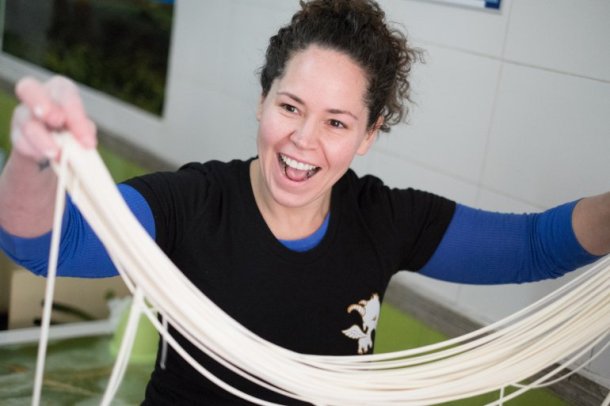
Izard just making noodles (PC: WGN)
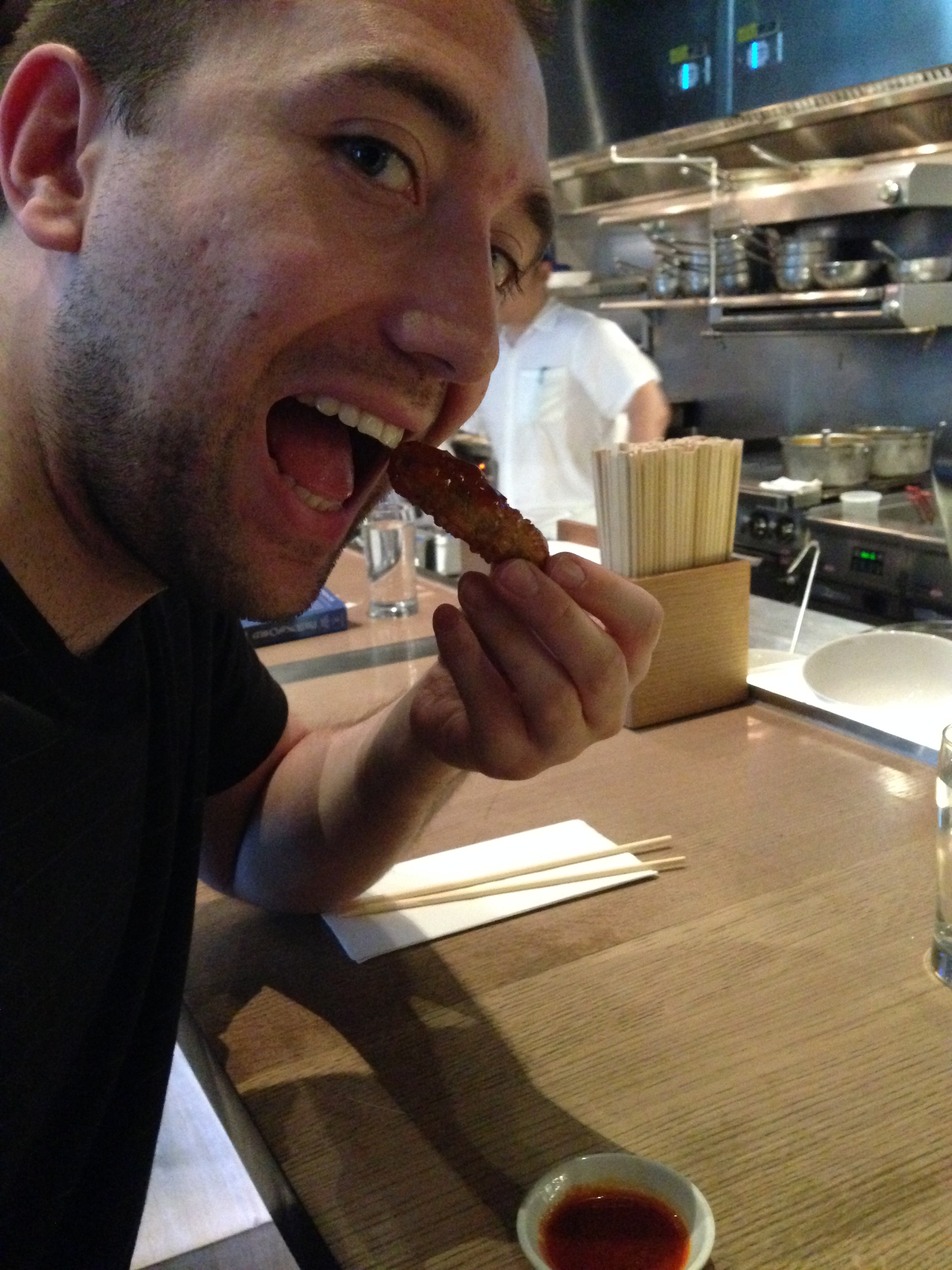
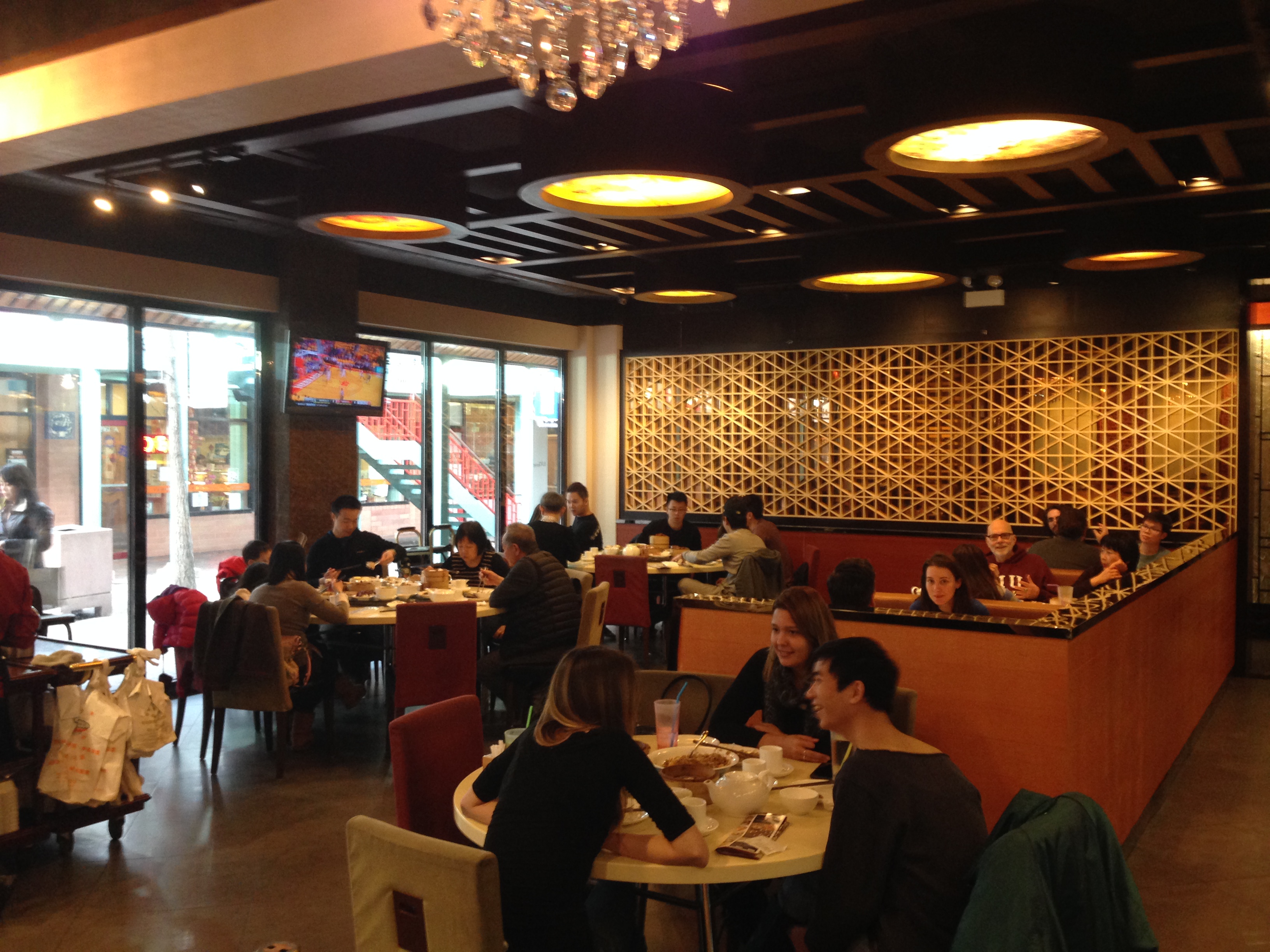
It is easy to get to by public transportation or with a car, and when we walked in, it was very busy with the lunch crowd. From the neon lights in the front window to every inch of the interior, Izard has attempted to recreate the kitschy 1950s Chinese restaurants that tried to slap as many random artifacts on the walls and used as many brightly colored wallpapers in each room.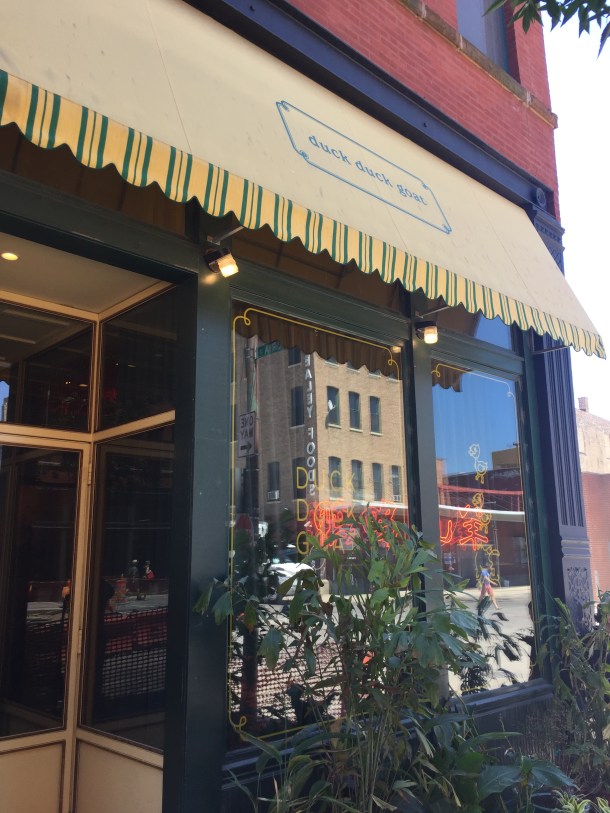


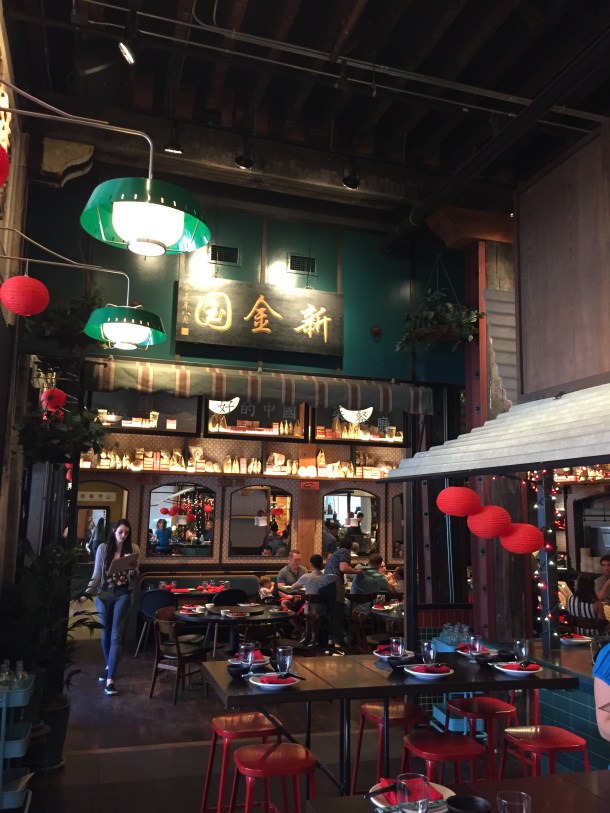
 Even though it sounds like a madhouse, it was pleasant on the eye in its tacky glory as we took a seat at the center island bar while we waited for our third diner to join us.
 We decided to try some of their mixed drinks since they looked too good to pass up. I got the Bebop and Woksteady, the bartender appreciated by Ninja Turtle knowledge on that one, and Janice got the Lucky Duck. I won’t go into every single detail of what went into these elaborate drinks, but I greatly enjoyed my cocktail.
  It was a mix of mezcal, pineapple juice, and orange juice with lime salt coating the rim. If you’ve never had mezcal before, it is an acquired taste. Mezcal comes from the Nahuatl (language of the Aztecs) word “Mexcalli” (Mesh-calee) meaning “over-cooked agave” because it comes from the same agave plant tequila is made from. However, since it is overcooked, it has a strong smoky flavor which I think gives it a more complex flavor than tequila. The Aztecs believed the agave plant was holy and contained the nectar of the gods, and the Bebop and Woksteady was just that. The smokiness of the mezcal was enhanced with the lime salt yet had an understated sweetness that kept it from becoming a poor man’s chelada. Janice’s Lucky Duck was a rum based drink that tasted like a sweet, bubbly lemonade with a low-key bitter undertone.
  Eventually, Janice’s friend Joe arrived, and we were seated at the table.
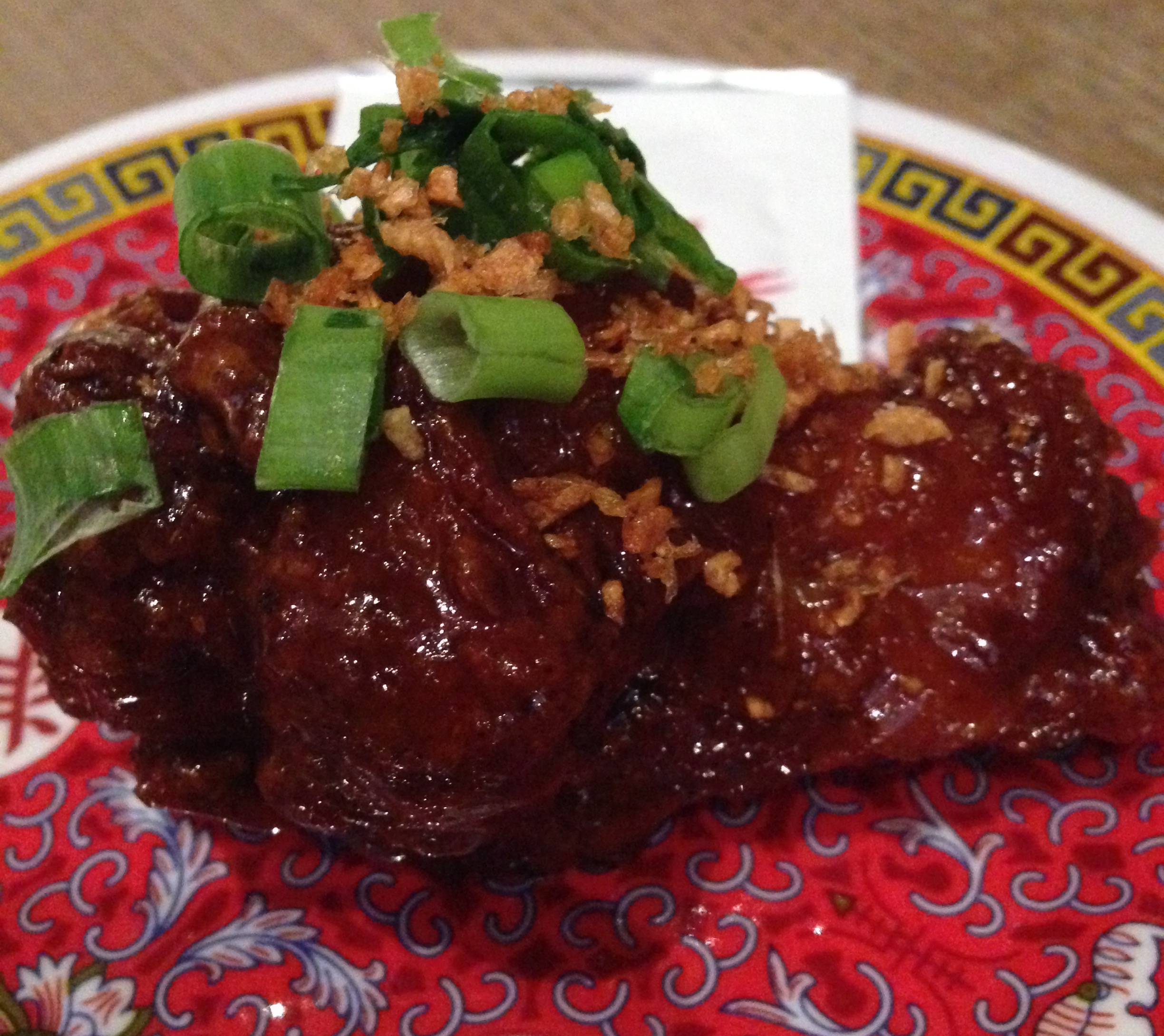
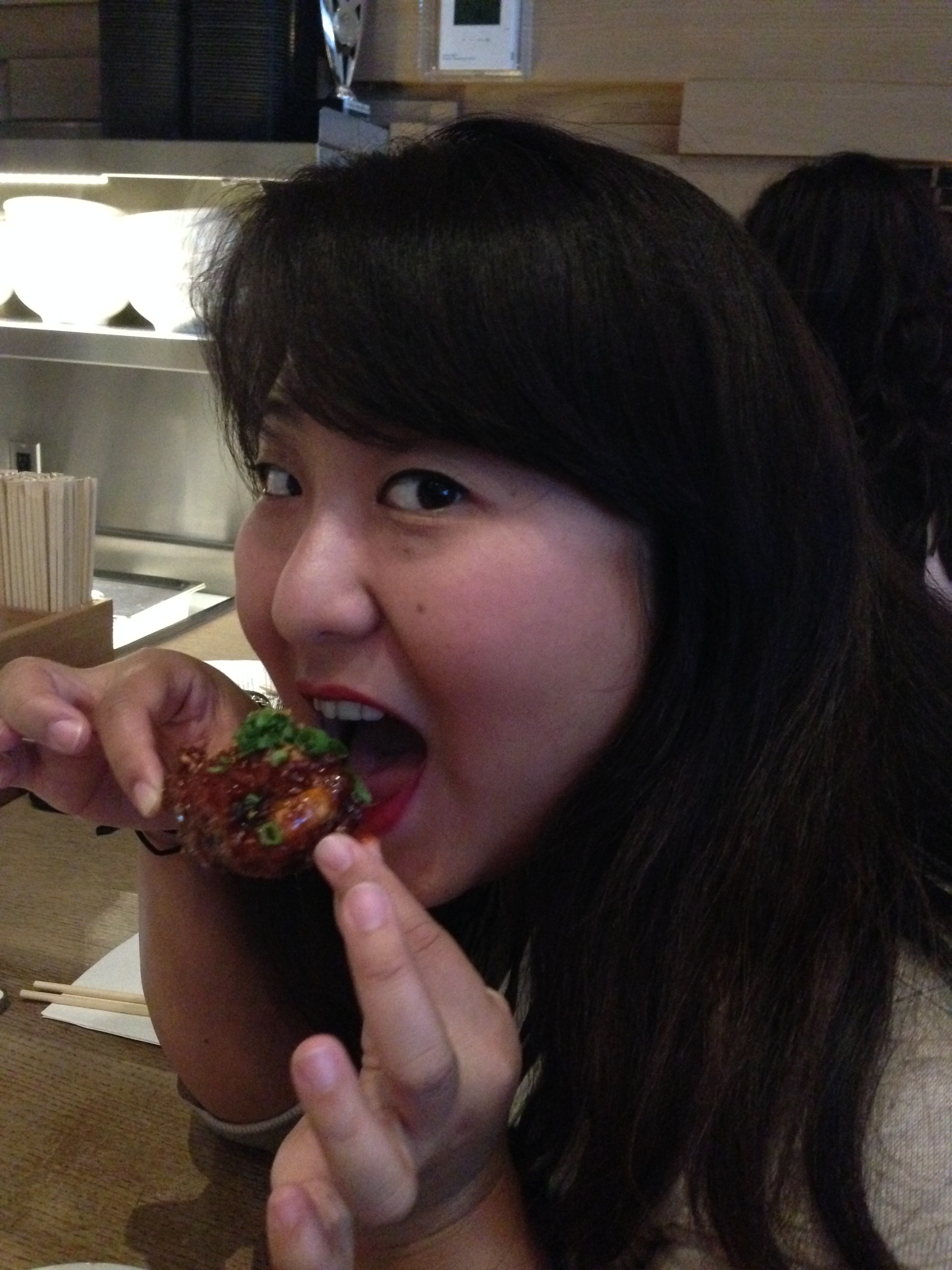
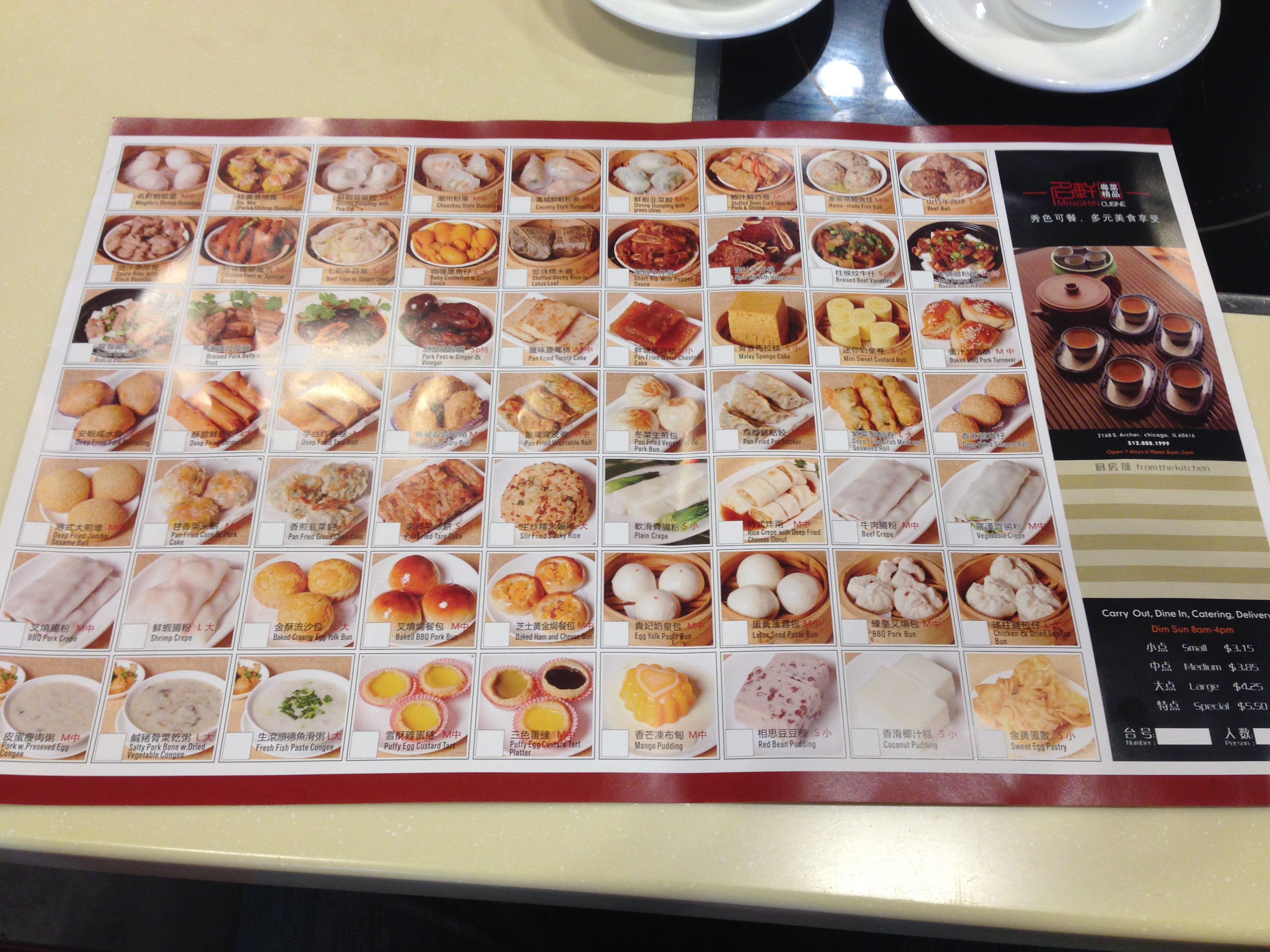
Looking over the menu, they even extended the same old-school Chinese vibe to the layout and pictures. Before we got our food, Joe and Janice went on to get the Try Try Again and the Good Health cocktails. We quickly learned that you couldn’t go wrong with their mixed drinks since everything we had was delicious and dangerous since they tasted like candy. However, I went off the beaten path to keep it real with the Chinese menu and got an adult bubble tea. I got the Honey Please which was milk tea infused with honey whiskey.  While I am partial to a great bubble tea, especially of the taro variety, I wasn’t too pleased with Duck Duck Goat’s take on this Taiwanese drink mainly because they went too heavy on the whiskey and light on the tea. Once we refilled out cups, we got down to business with the foodstuffs. Overall, the prices were more on the pricier end compared to other dim sum/Chinese restaurants in Chinatown and Chicagoland, but we learned that the price tag was justified. It was interesting because it wasn’t as full on American Chinese as I anticipated yet it was more like an intermediate selection of more Western friendly Chinese traditional dishes with a classic Izard twist. Plus, all menu options were on the small to medium end and meant to be shared with your fellow diners.
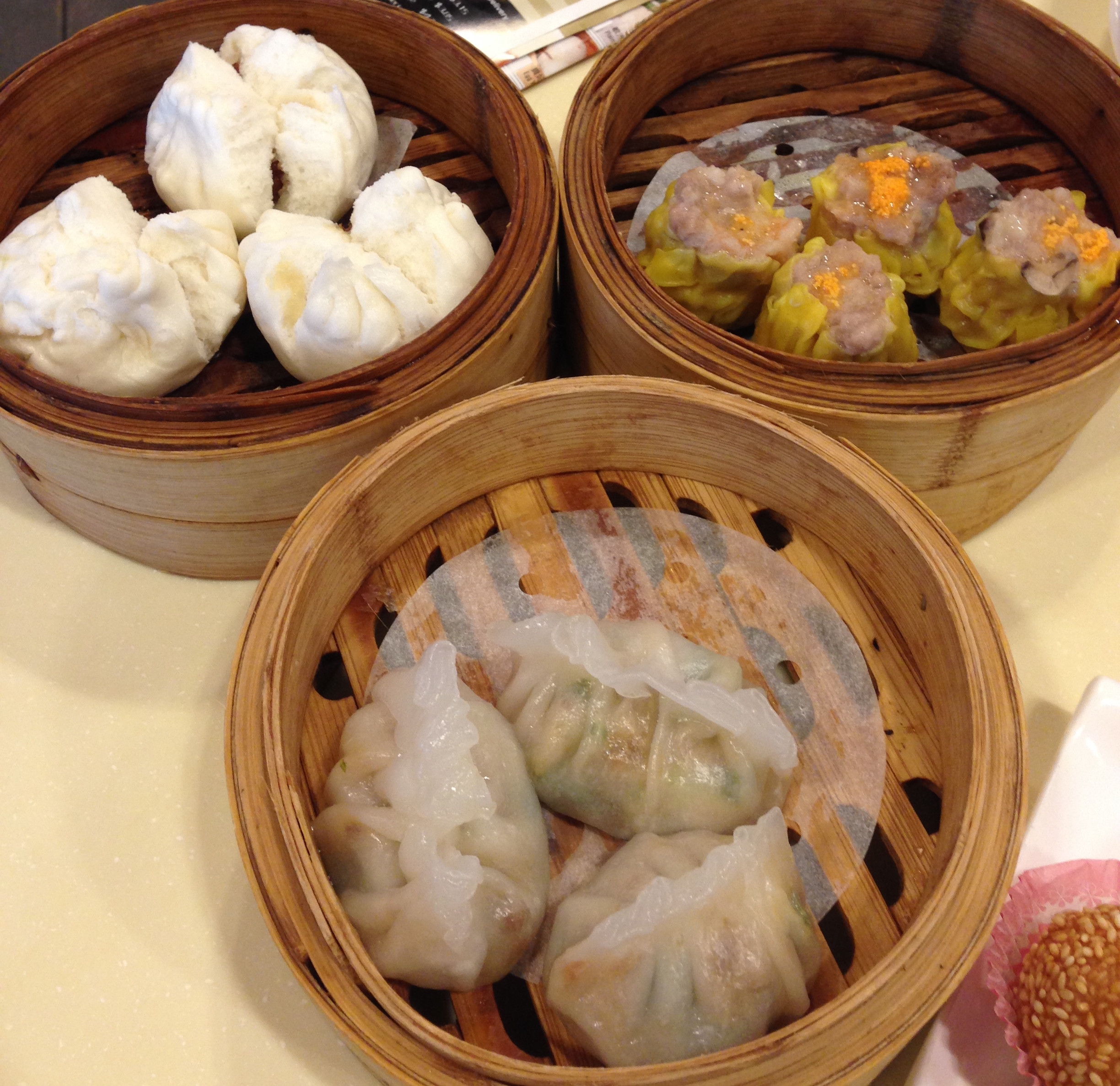
Chinese food has been around since the 1800s in the United States due to a high influx of Chinese immigrants to the West coast to build the railroads. Most of the workers came from southern regions of China, especially the town of Taisan (台山市), and brought with them food that had to be either adapted for their American customers or made as close to the real deal for their fellow Chinese immigrants without having all the necessary ingredients. Traditional Cantonese dishes do have some similarities to the modern day orange chickens and chop suey, but most mainland Chinese view American Chinese food as foreign food that their favorite tv characters eat out of white take-out boxes. Instead of heavily-sauced meat dishes, we started with char siu bao or pork buns. We got the baked version (叉燒餐包) which was different from the steamed type often served at many dim sum restaurants in Chinatown.  The dough was amazing. Soft and topped with green scallions, but the filling was kind of disappointing. I was expecting the red, sweet minced pork in all previous char siu dishes I’ve tried, but instead it was more like shreddednpork with little seasoning. I would still recommend trying them for the dough alone. Next up, the extremely lightly pan-fried jiaozi ( 鍋貼).
 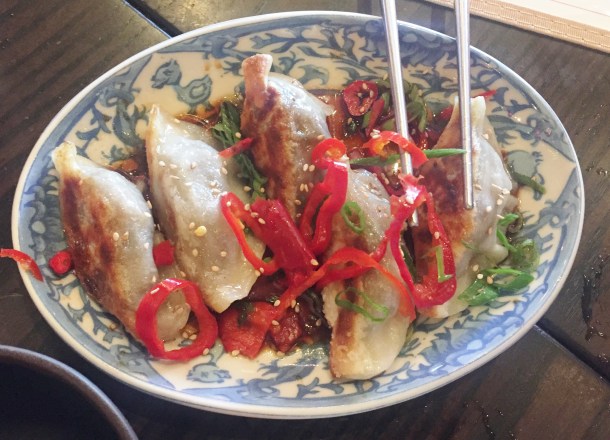 The name behind these dumplings come from many sources. Some believe it comes from the Chinese word for “horn” like on a bull, others the early word for “money”, or possibly the word “jiao’er” meaning “tender ears” because an ancient Traditional Chinese medicine practitioner made them for his patients who had frostbitten ears. No matter its origin story, it was a wonderful choice. They were filled with beef short rib and bone marrow whose saltiness was sinfully rich and filling. I highly recommend these dumplings. Then came the chiu chow fun gor which were shrimp dumplings that were showered with modestly sweet peanut-soy sauce and pickled red peppers.
  They were also more multi-layered in terms of flavor compared to the char siu bao or the next choice in our feast. Following these dumplings, we got, surprise surprise, xiao long bao (小籠包) or soup buns. These unique dumplings were invented in Shanghai but quickly spread throughout China. The ones served at Duck Duck Goat were served in the southern Chinese style with translucent skin and filled with traditional pork, crab, and broth.
 If you’ve never had the pleasure of getting to know these dumplings, do not pop them in your mouth immediately, or you will be scalded with hot soup on your tongue and elsewhere. They were just as good as the ones I had at Din Tai Fung in Hong Kong! They were complimented very well with a lip-smacking earthy soy sauce on the side. Finally, we ended the dumpling part of our dinner with ham sui gok (咸水饺/咸水角) or glutinous rice goat dumplings.
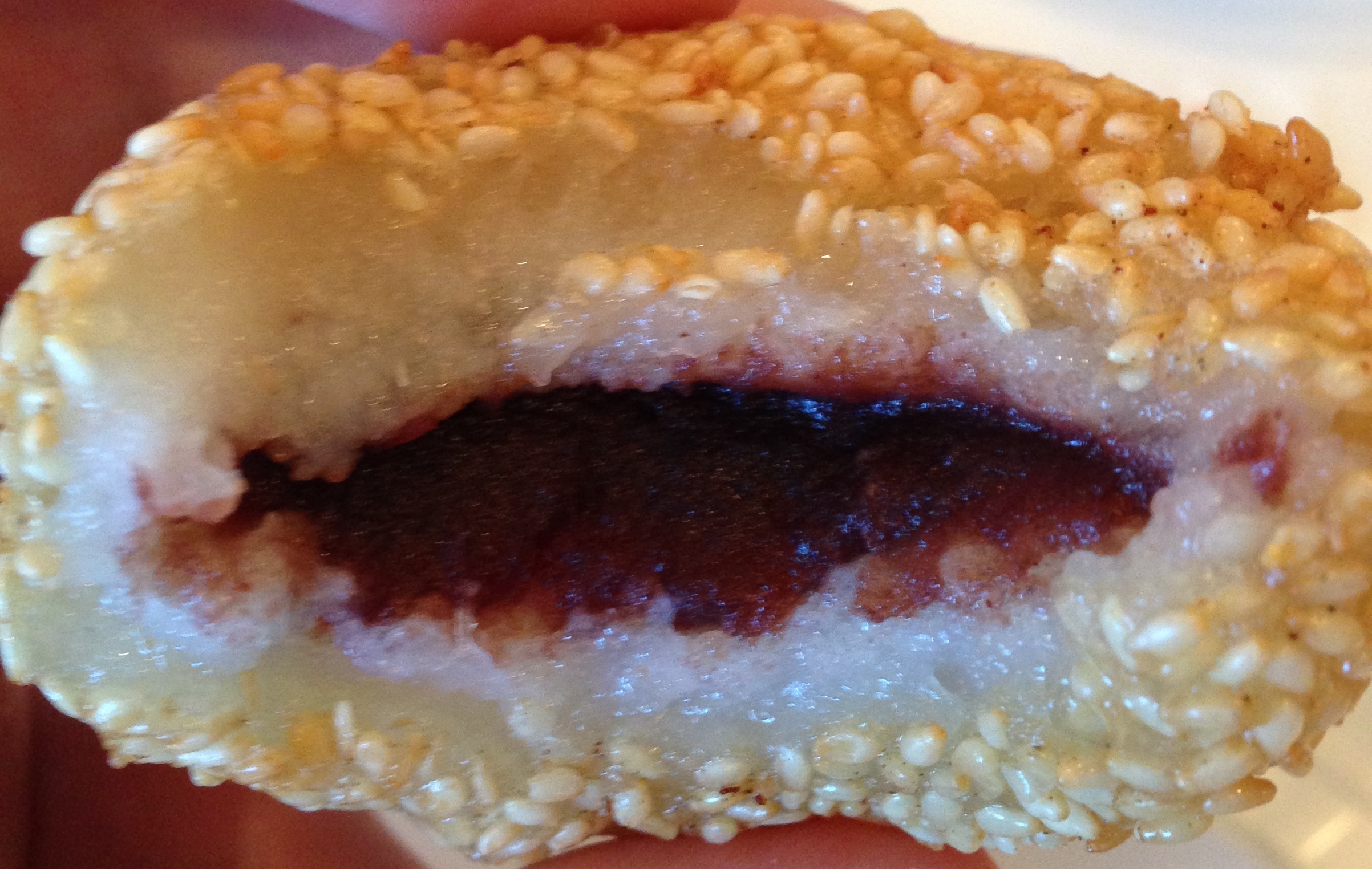
  These were new to me, and I typically would avoid rice cake due to my experiences in Korea. However, the crunchy, fried exterior gave way to a chewy interior that was stuffed with seasoned goat. I would preferred it if it was served with a hoisin or spicy sauce to make this dish really pop, but Iron Chef Izard knows what’s best. Transitioning from more tame dumplings, we went full throttle into more traditional Chinese fare that could drive more squeamish diners away: duck hearts. I had previously eaten parts of a duck I never thought I would when hosted by my friend David’s family in Taipei (非常谢谢!), but this is another part that I ended up loving. Izard nailed the dish by roasting them until they had a good char and served them halved on a puddle of mild sesame-horseradish sauce.
  Given the heart is pure muscle, it almost tasted like cubes of sirloin with a slight kick from the horseradish. Hands down my second if not top dish we had at dinner. As if we couldn’t eat any more, Janice recommended that we should try the slap noodles. The reason why they’re called “slap” is because they are slapped on the kitchen counter to remove any excess flour as they’re stretched to perfection by hand (example here).
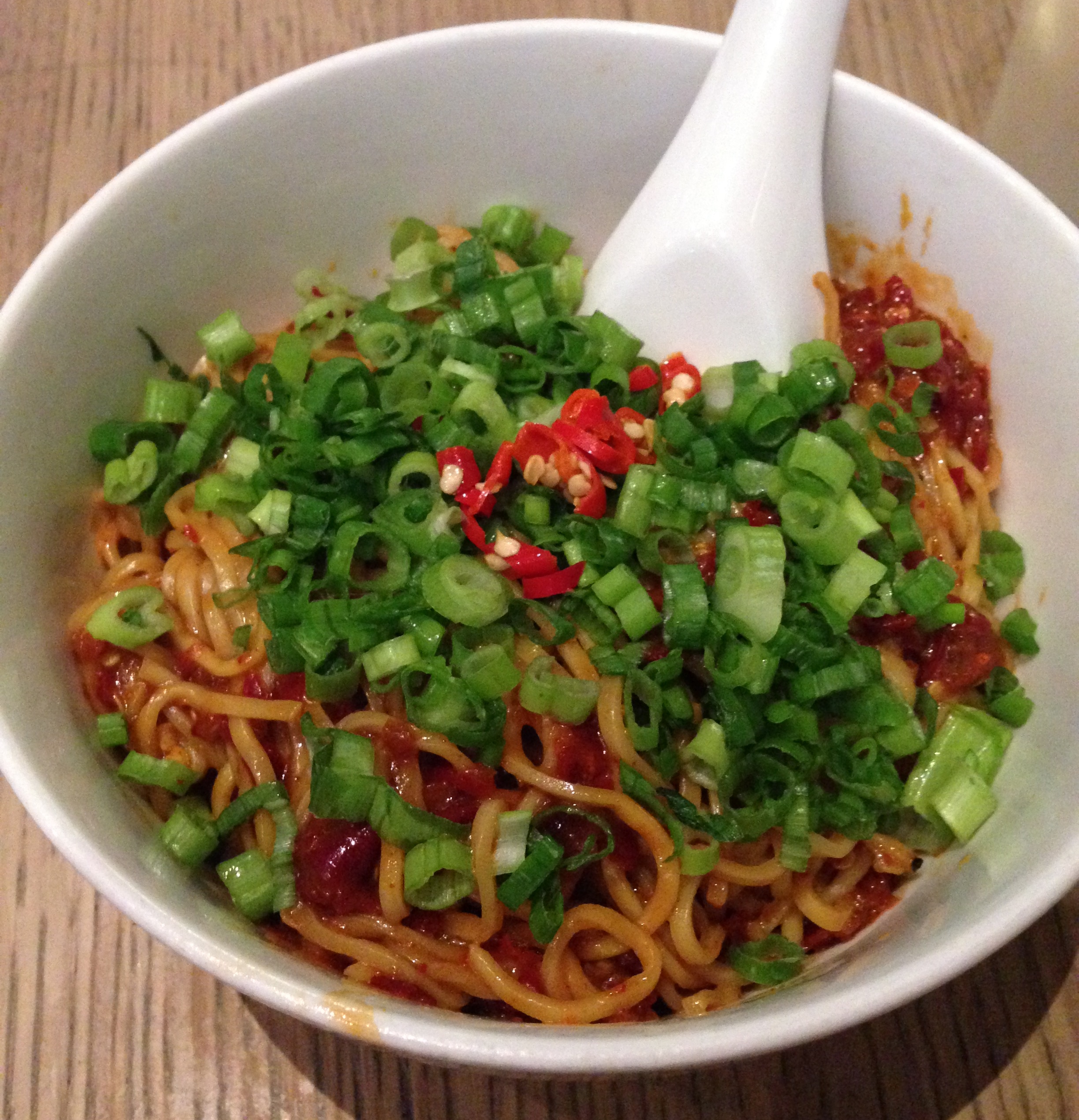
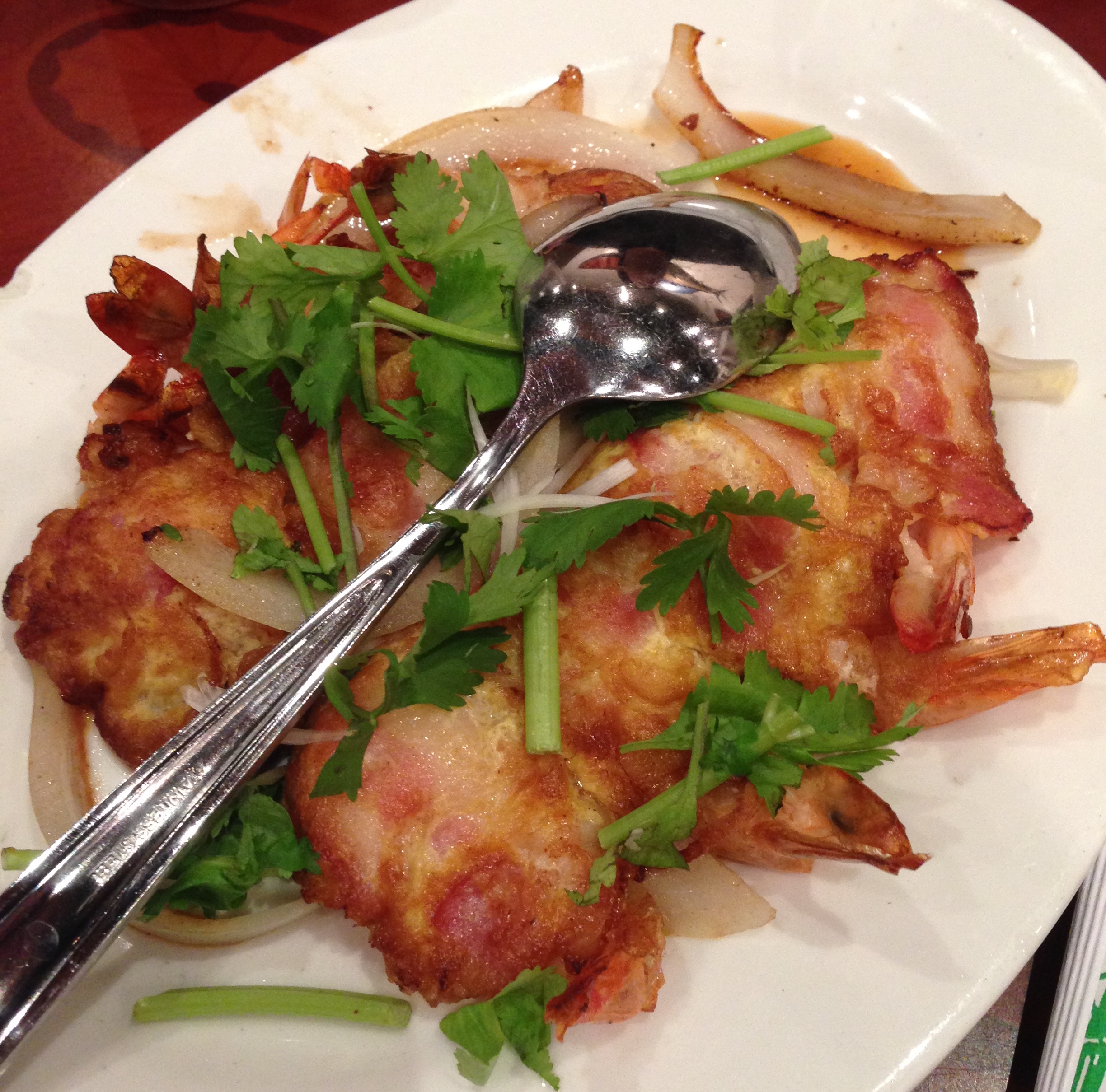
 I personally wasn’t wowed with these thicker, somewhat crispy noodles that were canoodling with shrimp, goat sausage, bean sprouts, and a strange red vegetable we couldn’t identify. My theory was that they were cooked tomatoes. Joe and Janice preferred it more than I did, but I think my preference for thinner or crispier noodles may have clouded my perceptions. Noodle-wise, I was definitely feeling the chilly chili noodles.
  Perhaps I liked it because it was more Korean in nature because it had the spicy ramen-esque noodles, pickled cucumbers, and was cold like naengmyeon. Surprisingly, we had room for dessert in the form of baonuts (see what they did there?).
  These deep-fried bao were similar to the char siu bao earlier in our meal, but these were more like warm doughnuts and filled with rich, dark chocolate frosting.
 They were well-executed as a Chinese version of a Western doughnut, but it was nothing super innovative.
Our experience at Duck Duck Goat was definitely memorable. I would highly recommend a visit if you’re tired of eating the same old Panda Express and want to expand your Chinese food horizons but are not yet ready to go full throttle with some chicken feet or stinky tofu. Just remember to come hungry and be willing to share your food with others, if possible!





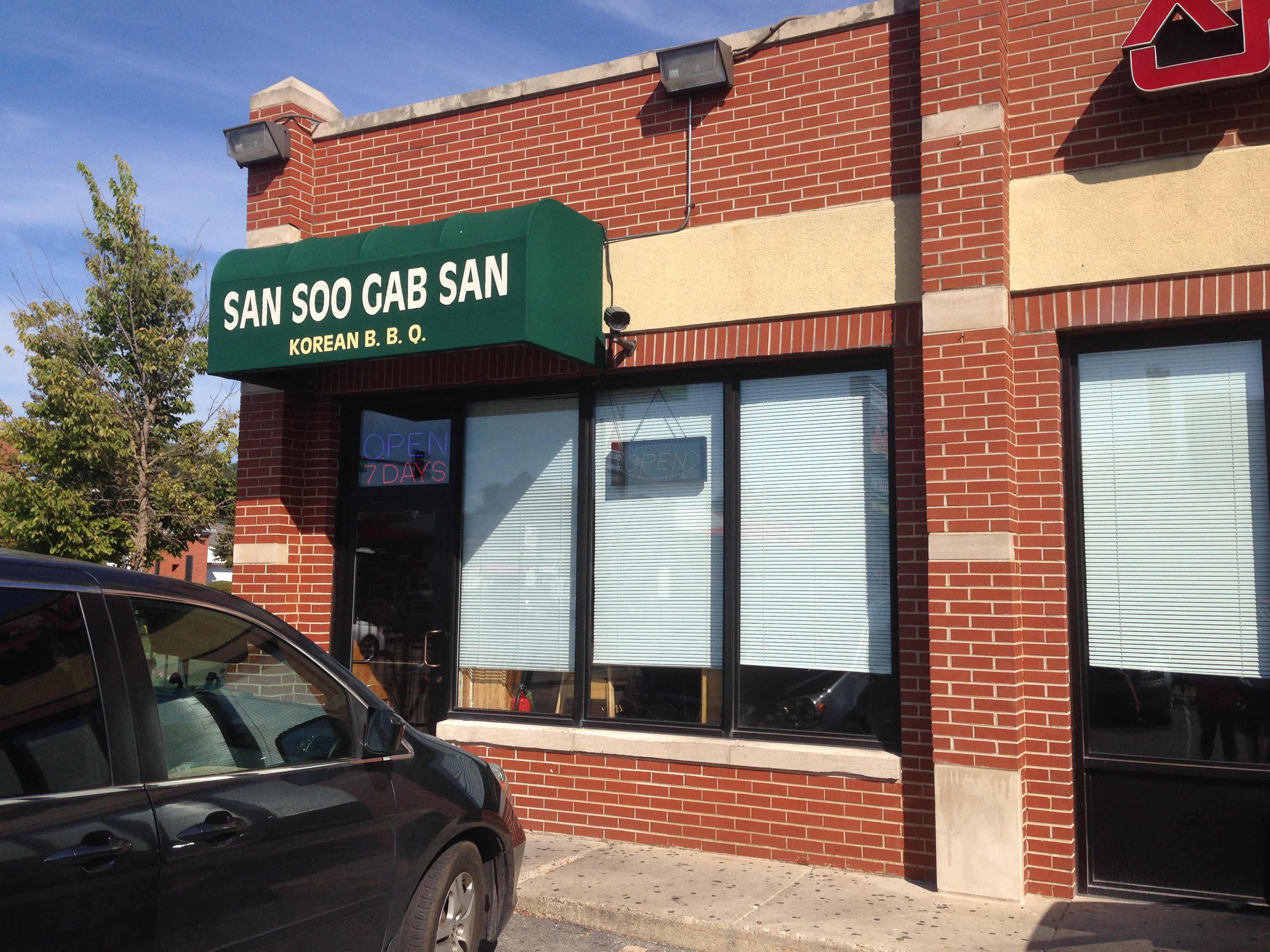
 The waitstaff is also probably some of the nicest you can find in a Korean restaurant since they aren’t known for having the same rules as found in American restaurants. They might be a bit gruffer or forward compared to your typical server in a T.G.I.Fridays, but they know how to make some delicious food. We were quickly seated at one of their simple tables which are a bit cramped if you are six feet or taller like yours truly. We decided to start with kimchi pajeon or a type of savory Korean pancake. It is derived from a Chinese green onion pancake (
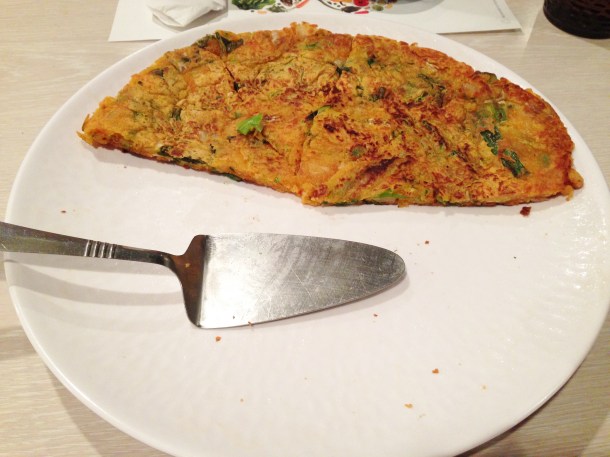 Typically, Janice’s family gets the haemul jeong or fish, shellfish, and octopus pancake, but I can’t get enough of kimchi in any form. It was a ton of food to start off the meal for a reasonable price.
 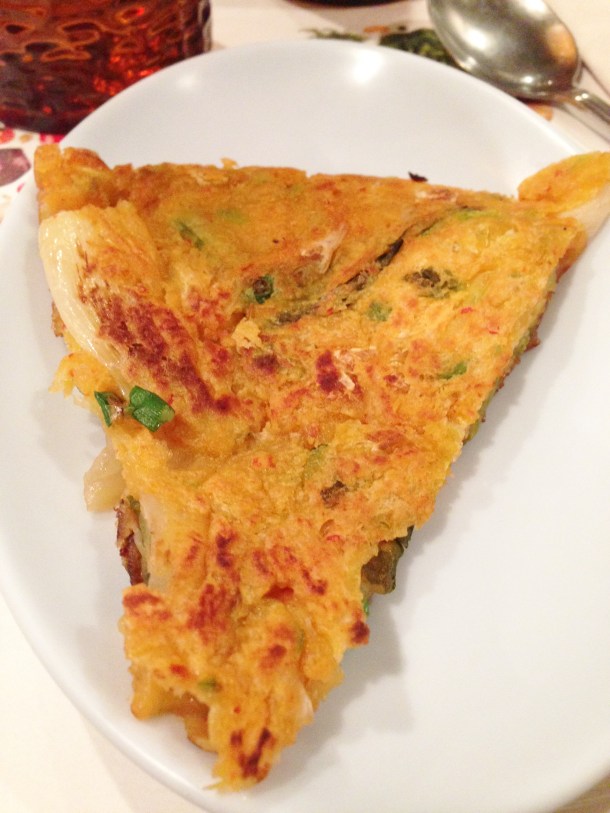 It is kind of bready yet filled with crunchy green onions and spicy, crisp pieces of hot and spicy fermented cabbage.
  As we moved our way through this perfect pancake,
 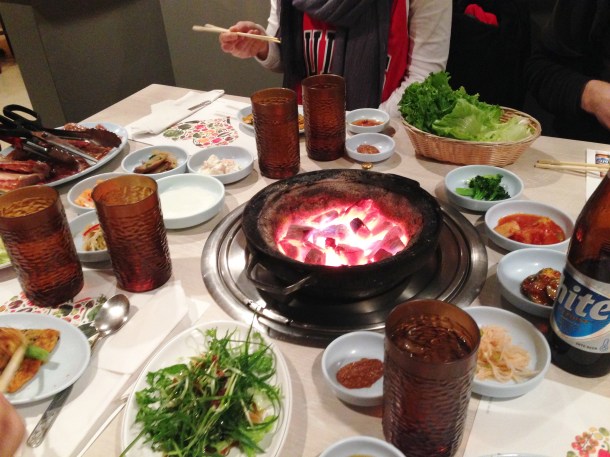 Korean bbq has been a bit of a recent phenomenon in American cuisine, but it is a form of dining as old as time. In Korea, eating beef was a great privilege since the cattle were beasts of burden, and the Koryo Buddhist dynasty of rulers forbade the consumption of meat. However, in the 13th Century, those crazy Mongols invaded and removed the ban. They were pragmatic nomads, but they knew good food too. However, beef didn’t become prevalent on Korean tables until the latter half of the 20th Century as South Korea quickly became the advanced nation we now know. History lesson over, we threw the raw pieces of meat on the grill with a satisfying sizzle and pop.
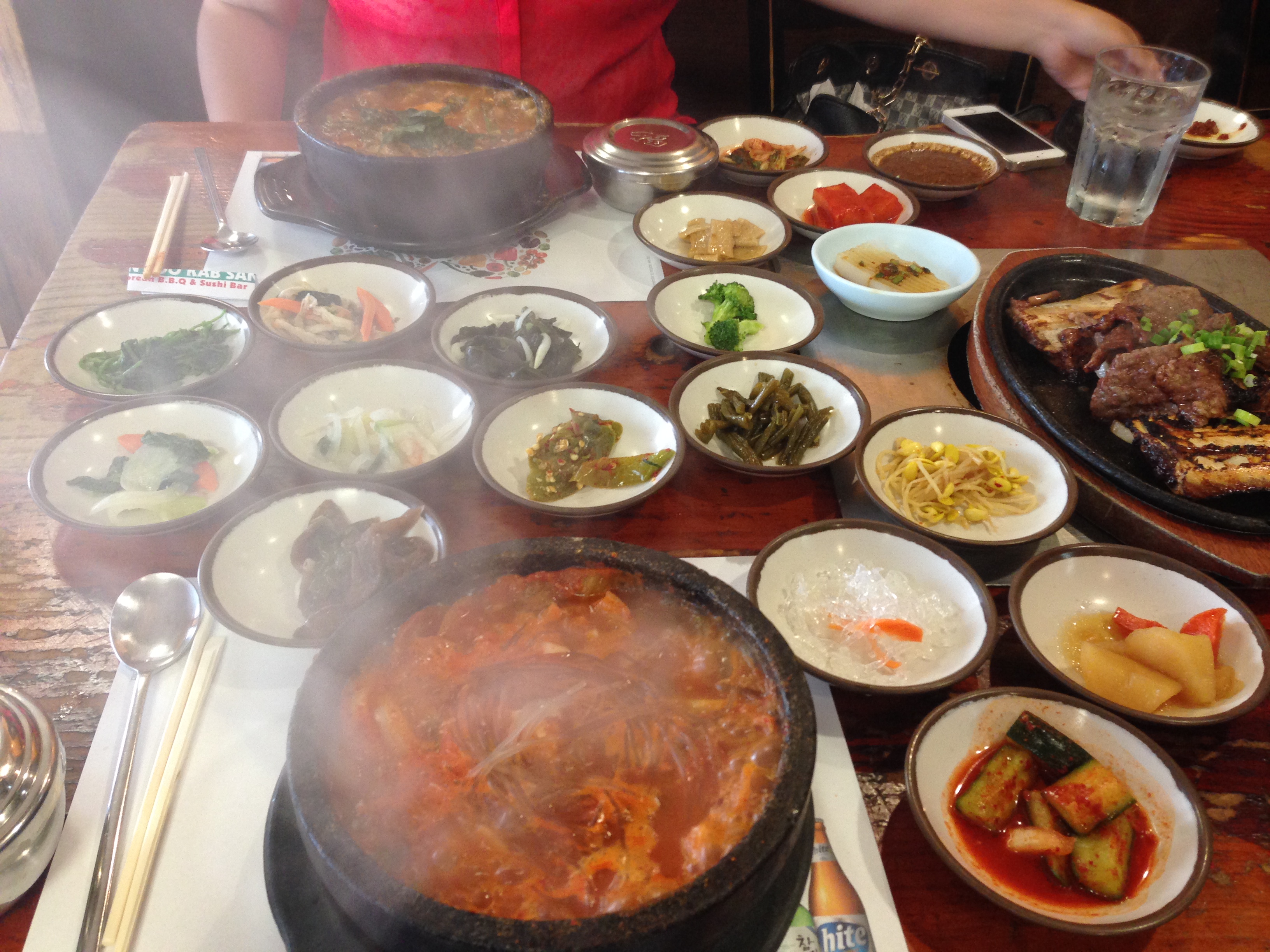
 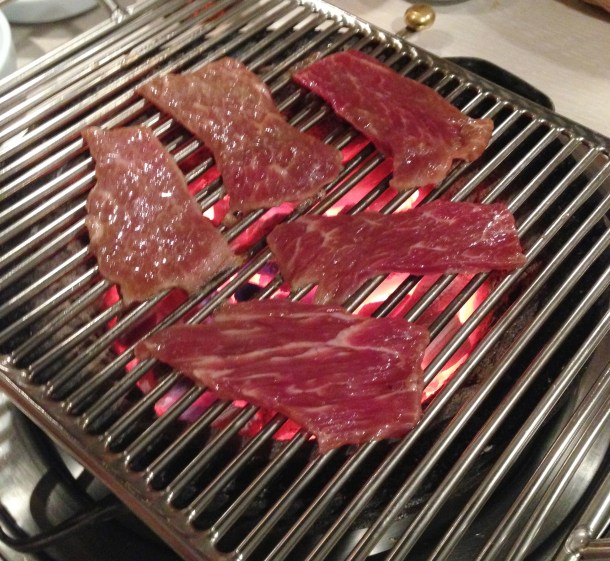 Once Janice grilled them to perfection, we mixed them with rice, doenjang (soybean paste), and banchan in leaves of lettuce to create ssam bap or what could be described as lettuce wraps with plenty of savory flavors to enjoy.
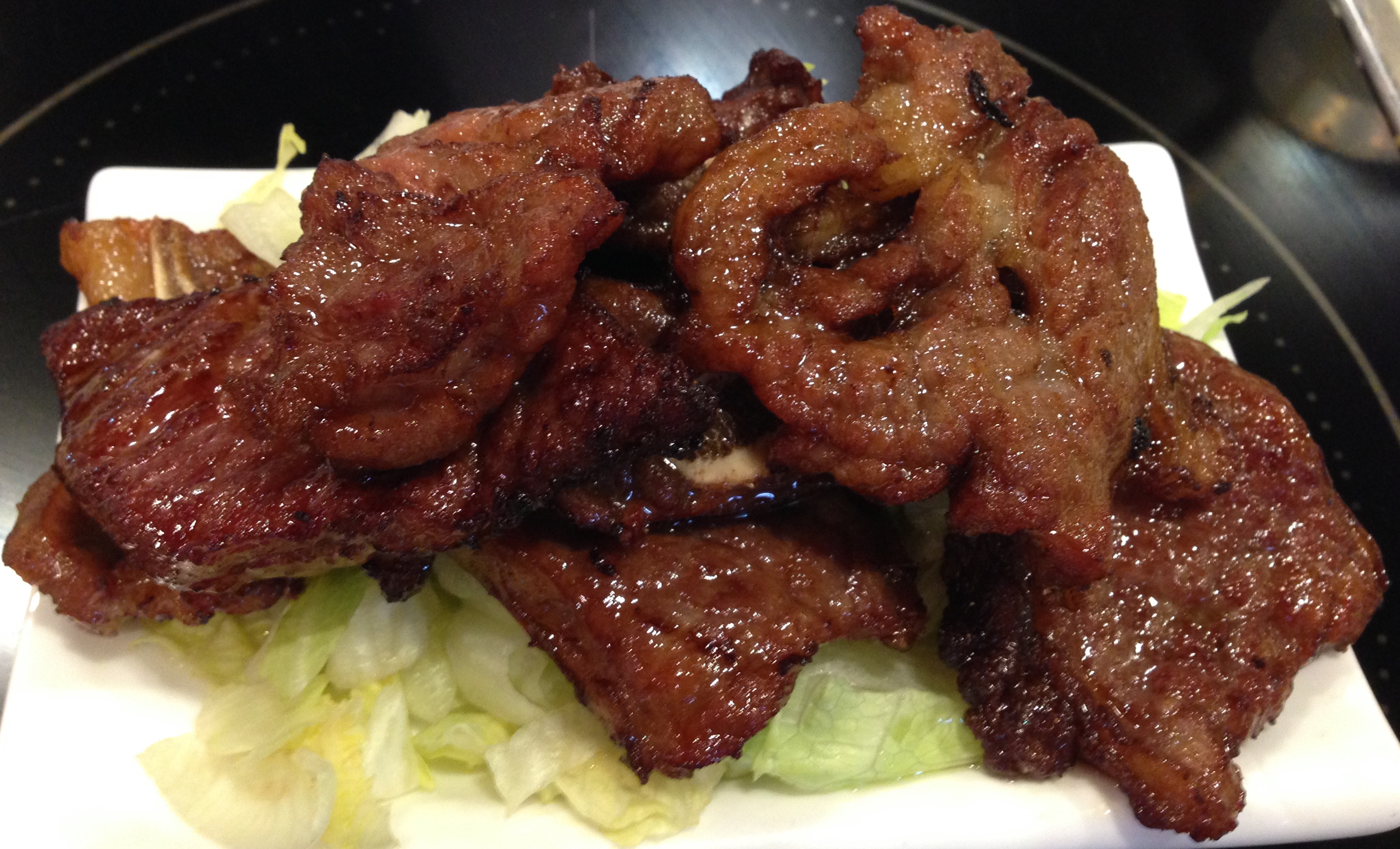
  We also got a side of pre-prepared dwegi bulgogi or sliced pork loin that is sauteed in a soy based sauce infused with ginger, gochujang (chili sauce), garlic, sugar, and rice wine.
 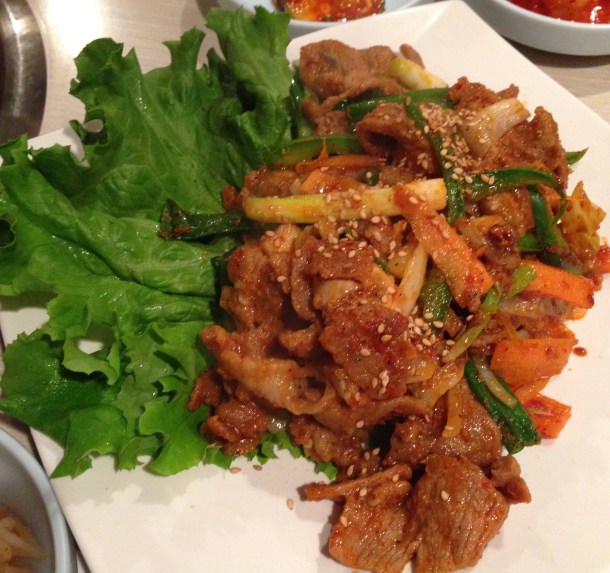 It wasn’t on the menu but highly recommend this Korean classic. It also has a bit of a spicy kick to it if you’re not feeling the more mild grilled meats. I loved mixing the pork’s zing with the green onions that came with the kalbi.
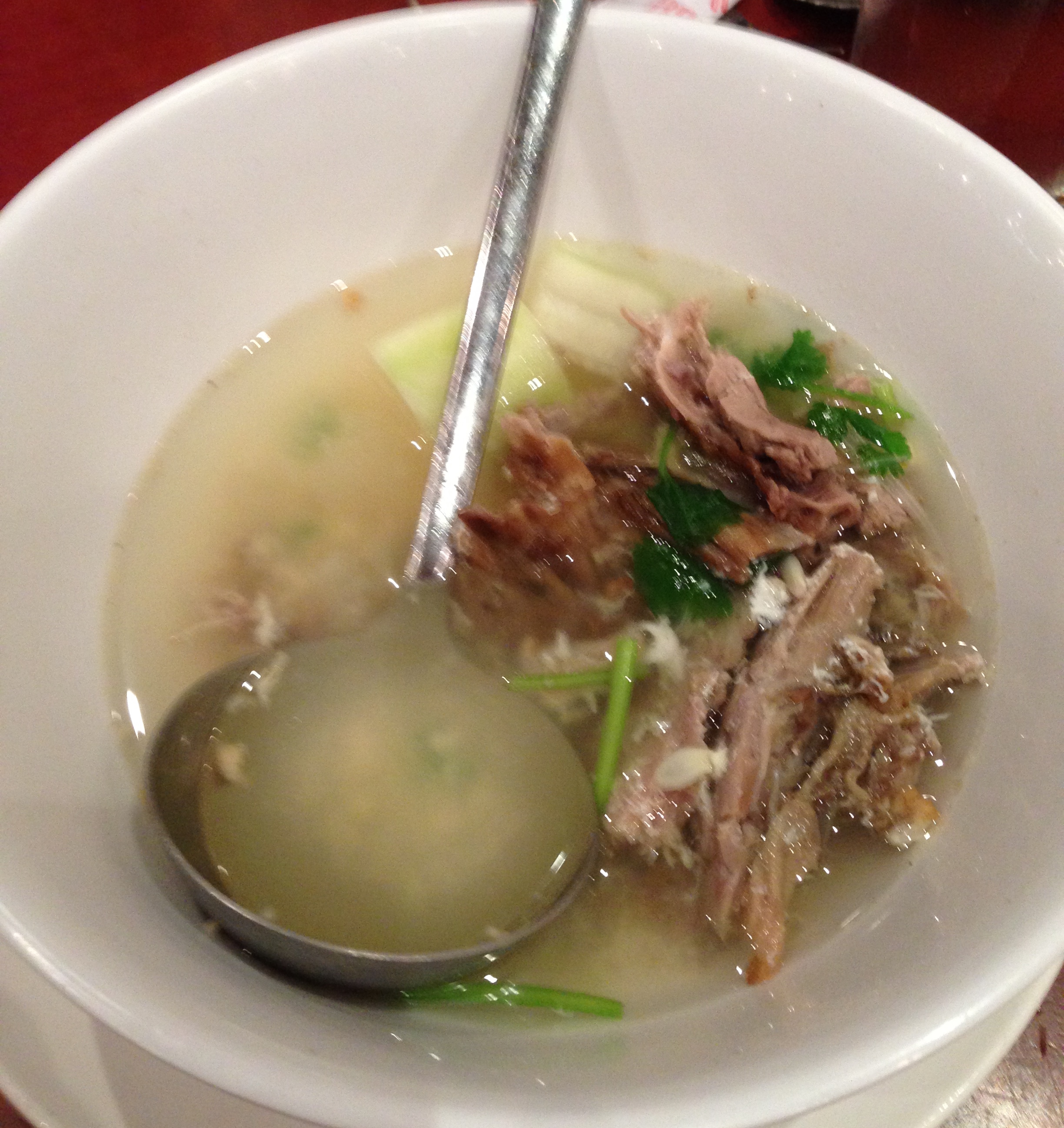
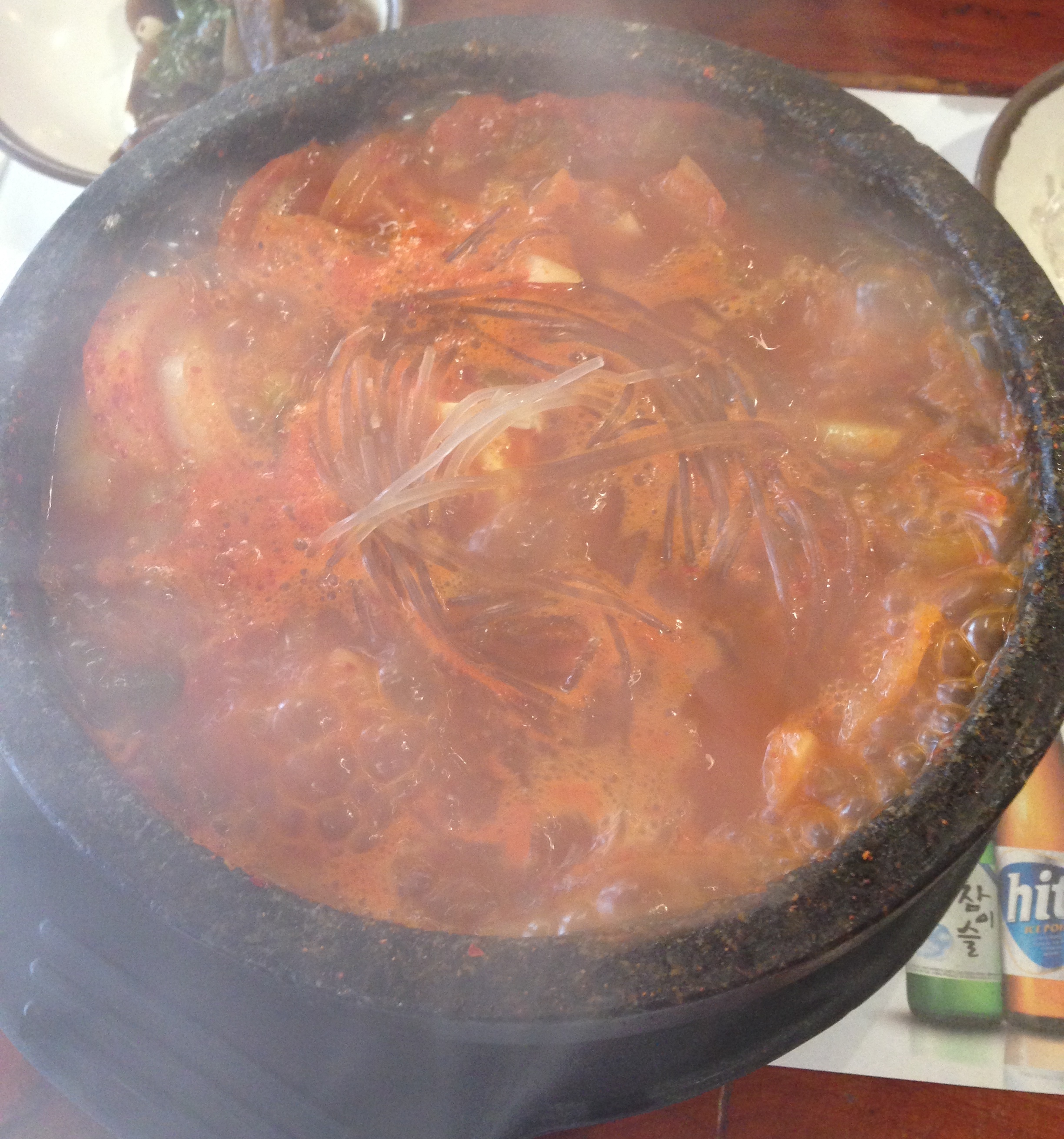
 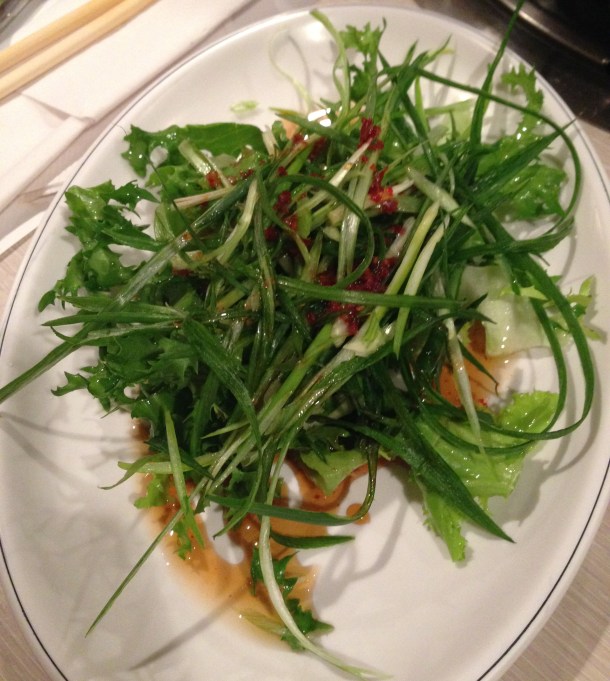 It provided a definite earthiness that mellowed out the grease of the meat. We also got an order of moo guk or literally “radish soup”.
  If there’s one thing Korean soups and stews are known for, or at least what I’ve noticed, is being absolutely as hot as the surface of the sun, temperature-wise. While it takes a bit of time to cool off, the taste alone is worth it. Plus, if you’re looking for a bowl of comfort food during these cold Chicago months, step aside mac ‘n’ cheese, get a warm and filling bowl of soup. By the end of the meal, we were stuffed to the gills with great food, and we were ready to take on the cold climes outside.

























































 Mastication Monologues