Author Archives: Mark T

Throwback Post: Drop and Rijstaffel in Amsterdam

Posted on

Howdy, Mastication Monologues readers!  I’ve been finding it harder as of late to keep up with my posts due to all of the fun happenings with the girlfriend and the job hunt.  It seems like my inbox has been filling up with new places to write about, and I’m not even done with this throwback Europe series.  It is nearing the end though, so I will have plenty of new restaurants to talk about in the near future.  Anyway, back to the throwback vein of things.  Today’s post brings us to the old but vibrant port city of Amsterdam.

I visited this city twice while living in Spain, but I found the second time around a lot more enjoyable.  The first time I went there, for my birthday, it was deathly cold and windy.  Northern Europe in the beginning of winter, go figure.

So. cold.

So. cold.

As we walked around the city, we were almost run over by the prodigious hordes of bikes that are all over the city.  If you go there, keep your wits about you because you will get cracked if you’re too engrossed in a guide book or your smart phone.  I found Amsterdam to be a quaint city that would have been more enchanting in the summer since I was more focused on not having my hands and nose fall off due to the chilly arctic winds. HPIM2076 HPIM2072The canals and narrow houses harken back to the golden era of trade for the Dutch trading companies in global trade led by their innovated flat bottom barges that were useful in the canals of the city and the rest of the Netherlands.  We managed to see the Rijksmuseum, Anne Frank House, and the infamous Red Light District and a few coffeehouses while we were there.
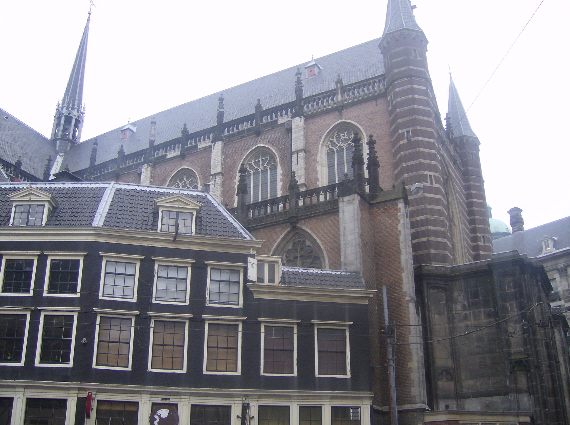
Rijksmuseum

Oude Kerk (Old Church)

The latter two are the most notorious parts of Amsterdam for different reasons.  The Red Light District since the canals are lined with full sized glass doors with each one sporting a lady one could spend time with for a fee.  However, contrary to popular belief that an area filled with prostitutes is extremely dangerous, it was one of the safest places in Amsterdam we walked in as there were men, women, and even old couples strolling past the sex shops.

I don't think sex AIDS would be easy to sell

I don’t think sex AIDS would be easy to sell

There were even police on almost every corner, taking pictures of any of the working girls is prohibited in the Red Light District (you will get your camera confiscated by the authorities), and CCTV cameras watch out for troublemakers.  The Dutch government, being liberal leaning since the 1400s, deems these window sex workers legal, collect taxes from them, and even require the girls to get regular medical exams to identify and prevent the spread of communicable diseases.  As for the coffeehouses, not only do they serve caffeine-laden beverages but also marijuana if they have the proper license.  The smell is inescapable if you walk down the street in some areas, but it is nothing that is out of control in terms of people overindulging in public.  The Dutch government is also cracking down on foreigners coming into the coffeehouses due to drug tourism and gangs attempting to sell hard drugs to coffeehouse customers.  While these two aspects of Amsterdam seem to be the most popular in the collective imagination, I’d like to talk about two unique Dutch foods I tried while there:  drop and rijstaffel.

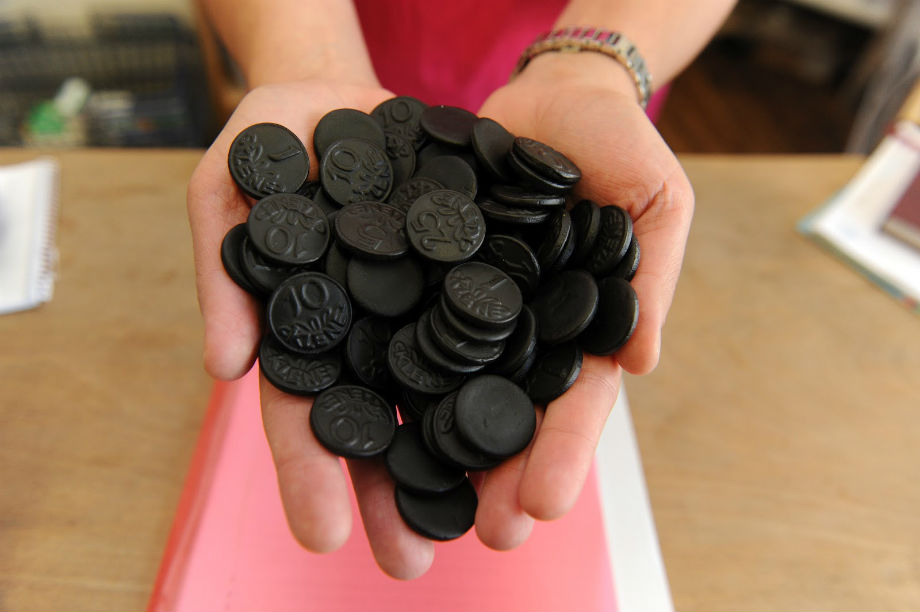
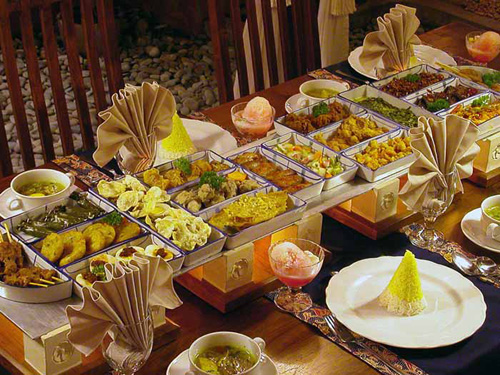
My meeting with drop or licorice in English came in the train station under Shiphol Airport as we were waiting for our train to the main train station in Amsterdam.  I had heard that drop was the most popular Dutch candy, and lo and behold I found some in a vending machine.  Turns out that the Dutch consume the most licorice in the world, but I heard that this drop was definitely an acquired taste.  This particular variety was half and half nibs where one half of the piece was fruit flavored while the other was the signature black drop. Dutch-drop The first bite of this Dutch candy left me greatly puzzled since it didn’t taste like normal black licorice.  After a bit of research, it turns out that it is flavored with ammonium chloride which gave it a salty yet stinging flavor.  Out of my group of friends, I was the only one who enjoyed the chewy, mystery chemical licorice.  Later on during our trip, we tried a Dutch specialty known as rijstaffel.  The word “rijstaffel” in Dutch literally means “rice table” since it is a style of dining that originated in Indonesia during the Dutch colonial period in the 1600s and continued through to 1945.  The Dutch traders wanted to eat elaborate meals that encompassed all of the interesting Indonesian dishes that existed throughout the archipelago, so the rijstaffel was born.
Land o' Pleny

Land o’ Plenty

First, the servers would bring out a large plate of rice, and put it in the middle of the table.  Then, anywhere from 10 to 100 smaller dishes, depending on how many diners there were, were brought out and combined with the rice.  Indonesia has done away mostly with the rijstaffel since their independence in 1945, but this Dutch colonial tradition still is going on strong in Amsterdam as we experienced a slice of history.tumblr_m16qwm2bCe1qczjobo1_500  I remember the chicken satay served with sambal kacang (peanut sauce) was particularly delicious along with the bebek betutu (duck roasted in banana leaves) that was extremely tender with an essence of banana baked into the meat.  Some of the other common dishes include nasi kuning (Indonesian yellow rice), nasi goreng (fried rice), lumpia (spring rolls), and babi kecap (pork belly in sweet soy sauce).  I could go on forever with the other small plates since we had about 20 different dishes for about 30 Euros, but I highly recommend the rijstaffel if you want a unique Amsterdam dining experience.
Throwback Post: Haggis and Irn Bru in Scotland

Posted on

Hello and welcome to another throwback edition of Mastication Monologues!  I’ve finally made it out of the Eastern European leg of posts (Poland, Romania, Slovakia, Czech Republic, and Hungary), and now time to focus on Western Europe.  Where better to start than the land that has given us Sean Connery, the Loch Ness Monster, and Groundskeeper Willie among many other great cultural exports:  mighty mighty Scotland!

Blending in with the locals.

Blending in with the locals.

My first and only visit to Scotland was during the summer following my graduation from undergrad in 2010.  It seems like forever ago, but it was an enchanting place to explore.  We started first in Edinburgh which is often mispronounced by Americans as “Eh din burg” instead of how the locals say it “Eh din burra”.  Luckily, I learned my best Scottish accent from the previously mentioned surly yet totally hilarious Groundskeeper Willie who we aren’t quite sure where he hails from.  Aberdeen?  North Kilt Town?  Who knows?  Either way, I at least didn’t get made fun of by any of the locals or when out on the town with my friend, Sandy, and his sister’s friends.  Linguistic differences aside, the Scots are wonderful people and very proud of their heritage, especially in Edinburgh.  My parents and I walked along the Royal Mile, the Edinburgh Castle, and gazed at Arthur’s Seat from afar among many other famous sights.

Royal Mile

Royal Mile

DSC01747DSC01757 DSC01767We also took a trip to Glasgow, the knife crime capital of Europe, but I found it to be the rougher, more realistic Scotland compared to the neat and shiny Edinburgh.  While there, we visited both Rangers and Celtic Football Clubs a.k.a. The Old Firm.  This is one of the fiercest sporting rivalries in the world which makes Bears vs. Packers look like a day in the Brady Bunch House.  What makes the relationship between these two clubs particularly tense is that they were traditionally divided along political and religious lines.  Rangers being pro-Union with England and Protestant while Celtic is pro-Scottish independence and Catholic.DSC01784DSC01792  The clashes of Protestant versus Catholic left the battlefields of Europe and were transferred to soccer rivalries.  Hundreds of people have died or been victims of violence caused by the tension between the warring tribes.  Even back in 2011, then manager and former Celtic player Neil Lennon received packages containing bullets and death threats from Protestant supporters.  Luckily, my visits were much more peaceful minus the fierce winds.  Along with the futbol, we sampled a bit of the local flavor in the form of haggis.  Now, if you’ve never heard of this quintessentially Scottish dish, brace yourself for this description.  It is a sheep’s stomach stuffed with hearts, lungs, liver, onions, oatmeal, suet, spices, and salt.  It is all then boiled for around three hours and then sliced or minced.  This organ rich dish even has its own special dinner and poem dedicated to the memory of Scottish poet Robert Burns.  Unfortunately, there wasn’t any fanfare when this meat dish was placed in front of me along with the naughty sounding neeps and tatties on the side (those are turnips and potatoes, respectively, in Scottish English, pervs). DSC01774 I started with the haggis and was pleasantly surprised.

tatties, haggis in the middle, and orange neeps

tatties, haggis in the middle, and orange neeps

It was rich, beefy, yet slightly nutty, but it wasn’t heavy at all.  It was almost like a meat granola in texture which I could imagine was due to the oatmeal.  The oat crackers on the side didn’t help it at all since they tasted like eating cardboard coasters.  The neeps were ok.  They were lightly salted with more of a neutral flavor.  The tatties tasted like standard mashed potatoes.  After finishing off my haggis, I should have washed it down with a warm glass of Glenfiddich, but I found something that was both eye-catching and super Scottish.  It was a drink called Irn Bru or Iron Brew pronounced with a thick Scottish burr.DSC01817  Not only was this soda radioactive orange, but it was so sweet I could feel the enamel being stripped off my teeth with every sip. DSC01818 Totally worth it to cap off my visit to the North.

Thowback Post- Gołąbki in Poland

Posted on

What is happening, everyone out there reading Mastication Monologues?!  I hope this post is finding you well as the summer is slowly drawing to a close.  Things have been happening as of late with my job hunt, so I haven’t been able to update my blog regularly.  My b.  Anyway, this post continues of the same vein of previous posts where I am recounting my culinary tales throughout Europe, and today’s entry deals with Poland.

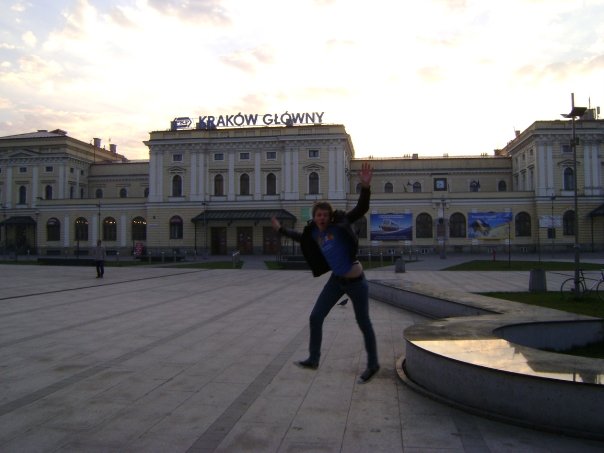
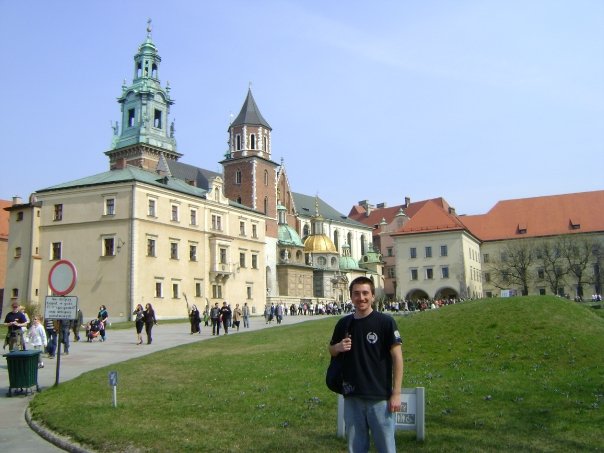
Poland has often been at the butt of many jokes due to the apparent ineptitude of its residents, but it is a tough country that has constantly been invaded by its larger neighbors like Austria, Russia, and Germany.  However, the Polish people have stuck together through these harrowing periods of history, and today have a vibrant democracy with a booming economy.  I saw plenty of P0land’s cultural history when visiting Krakow, the cultural capital of the south.2819_1239044213300_1052047_n  It’s also close to my great-grandparents’ villages they emigrated from back in the 1910s.  So, it felt like a type of homecoming for me to reconnect with my cultural roots.  While we were wandering about the streets of the charming Eastern European city checking out such sights like the city square, the cloth hall, and the Vistula river, it made us all work up an appetite.

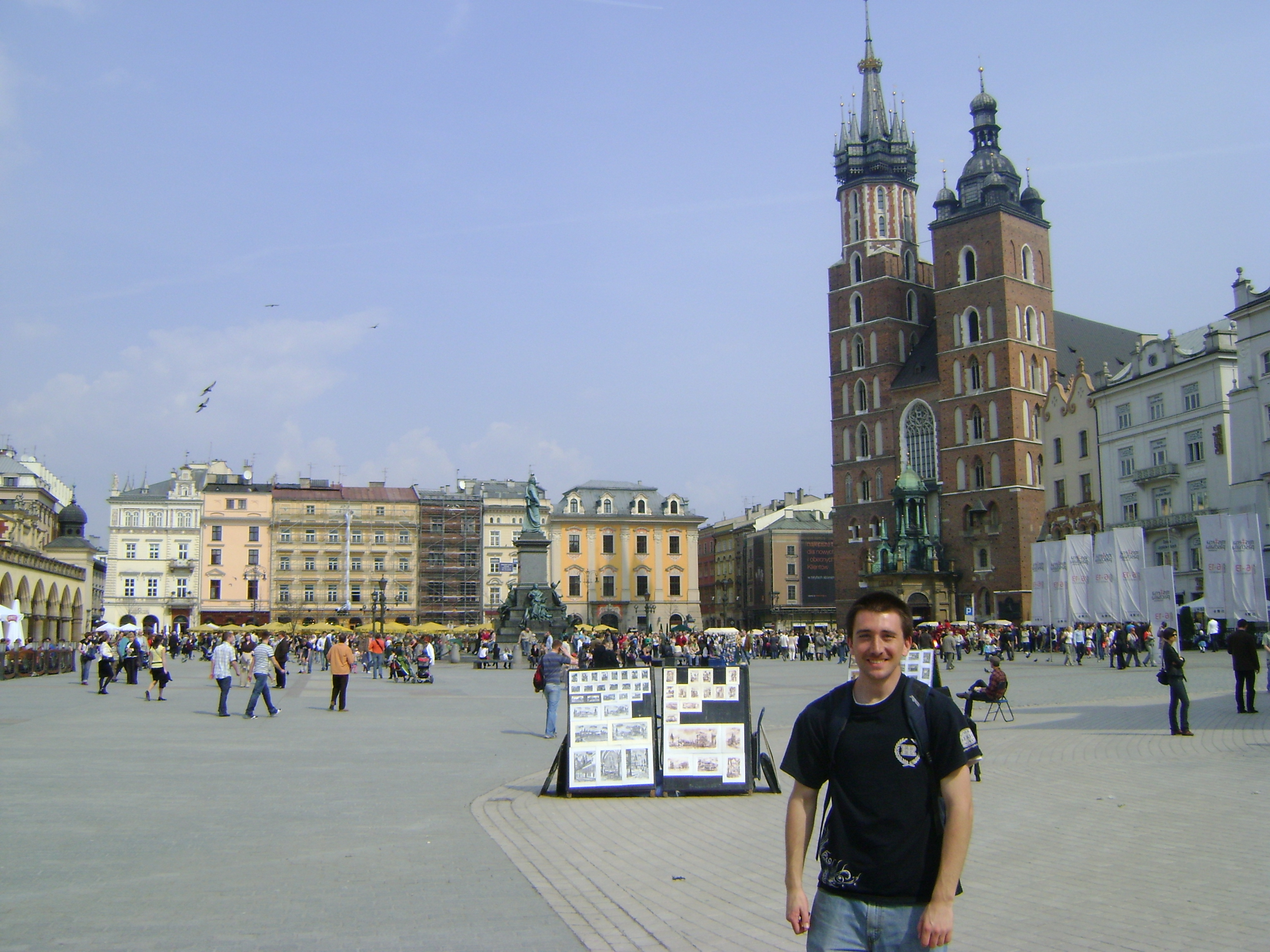
The main square

The main square; Cloth Hall far left and St. Mary’s to the right.

St. Mary's Church

St. Mary’s Church

2819_1239045653336_1332560_n

Old Town

Old Town

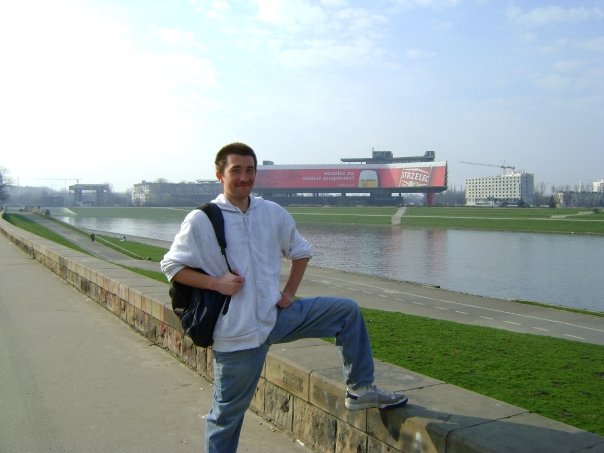
Me being dashing next to the Vistula

Me being dashing next to the Vistula

Wawel Castle

Wawel Castle

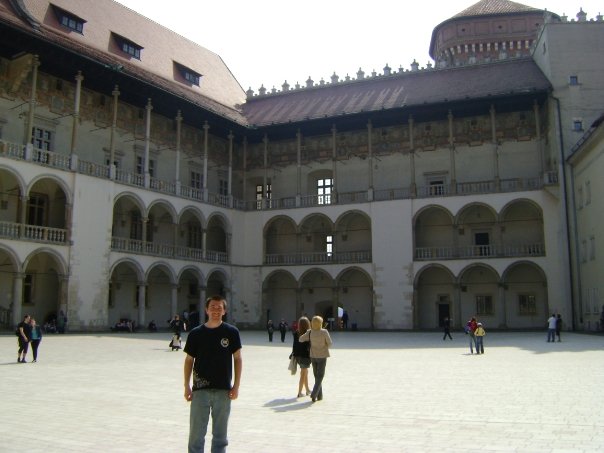
Inside the castle

Inside the castle

So we stopped into a local restaurant and looked over the menu.  They had plenty of items that one could find in Polish restaurant Stateside like in Chicago and elsewhere.  If you’ve never had Polish food, it’s very hearty and simple food focusing on vegetables that can grow in the cold winters like potatoes and cabbage along with rich pieces of meat and sausage.  One item in particular caught my eye that I knew I had to get:  Gołąbki (pronounced:  Go-wumb-key).  This dish literally means “pigeons”.  According to Wikipedia, during the Thirteen Years War the kings of Lithuania and Poland allegedly fed gołąbki to their troops before the key battle of Marienburg Castle against the German Teutonic Order of Knights.  Result:  a Polish and Lithuanian victory.  Hooray for pigeon power! Don’t worry though, none of the head bobbin’, flying rats were harmed in the making of this meal.  Instead, it is like an Eastern European version of Greek dolmathakia.3354_850557907990_896543_n    First, there is the minced pork/beef blend inside that is seasoned and mixed with onions and rice.  This hearty melange is subsequently wrapped up in boiled cabbage leaves and then drenched in a warm tomato sauce.  The boiled cabbage was semi-firm, and the tomato sauce provided a smooth, tangy background to the spiced meats inside.  While we weren’t going to be engaging in hand to hand combat after our meal, it gave us plenty of energy to tackle the rest of our trip.  Honorable mention for food in Poland goes to the spreadable lard on bread that we tried in a different restaurant. 2819_1239046293352_2136836_n It was like a spreadable, warm butter mixed with bacon chunks that was so wrong yet tasted so right.  It was an homage to my grandparents who loved to spread it on rye bread.  It’s too bad they’ll never make it back to Poland, but I’m sure I made them proud with this meal.

Just like Baba and Papa

Just like Baba and Papa

Throwback Post: Sachertorte in Vienna and A Bit of Bratislava

Posted on

Willkommen zum Mastication Monologues!  Today’s post is part 4 in my throwback Europe series where I recall my various excursions throughout the continent during my time abroad in 2008-2009.  I’ve been going through my Eastern European adventures so far, and today’s post creeps a bit further west.  Kevin, his girlfriend, and I had decided to travel throughout Eastern/Central Europe for our Spring Break, so we started in Hungary, moved to Poland (post coming soon), moved onto Slovakia (this post), and ended in the Czech Republic.  However, today’s post talks about our brief visit to Vienna via Slovakia, so let’s start with the latter.

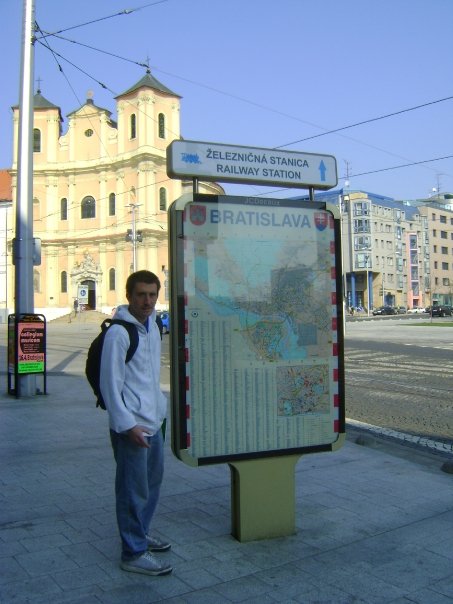
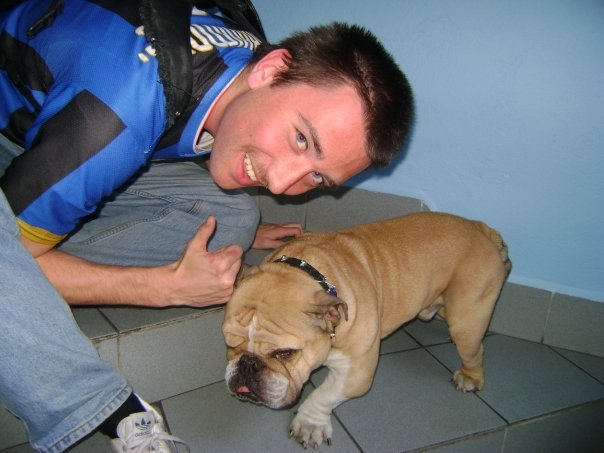
Slovakia is the less popular part of the former binary state known as Czechoslovakia up until the fall of the Iron Curtain.  I mean, the Czech Republic has the whimsical and enchanting capital city of Prague, great beer, and a pretty good hockey team.  While Slovakia is only popular for its dreariness as portrayed in the movie Eurotrip.  The actual Slovak capital was quite the opposite.  Not only were there no grown men scrubbing themselves down, I didn’t hear one strain of Soviet choir music.  Only the finest Eurobeatz the Bratislava dance clubs and grocery stores had to offer.  It was in reality a quaint town that wasn’t as awe-inspiring as its bigger Czech brother to the west though. 2819_1239059973694_6203913_n It was relaxing to just walk the streets and take in the more laid back atmosphere which was the opposite of Prague’s congested walkways. 2819_1239059933693_3738150_n I think the highlight of Bratislava was the friend I made at our hostel.  He was about two feet tall, covered in hair, and had severely bowed legs.  His name was Tyson the bulldog, and he was quite the character.  He greeted me in the morning when I opened the door like a living, slobbering, sack of potatoes.  Talk about hospitality.2819_1239060133698_2425651_n  When Kevin, Daniella, and I were eating breakfast, we were interrupted by a loud noise in the kitchen.  It sounded like a dump truck trying to start its engine, and it turned out to be ol’ Tyson hoovering up his food under the table.  I really miss that severely inbred little guy.

Meeting of the minds

A tearful goodbye

While it would have been fun walking around with this snuffling gentledog, we took a day trip to Vienna.

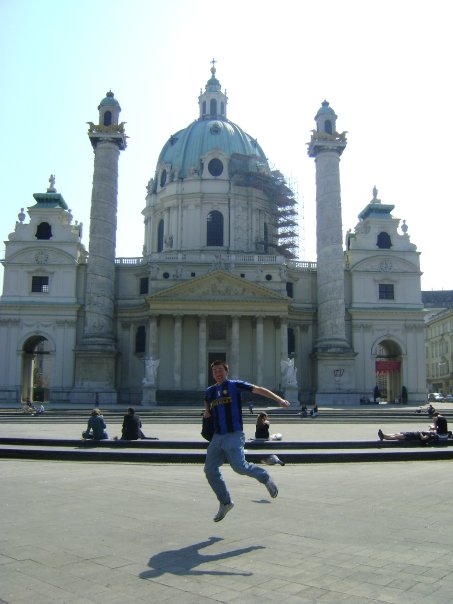
The Austrian capital was just like Prague in the sense that there were a billion tourists snapping pictures of everything around them which made walking a chore, but I did jump for joy when I had the chance.2819_1239068853916_7611012_n  It was unseasonably hot as well, so that caused a bit of frayed nerves as we were sightseeing.

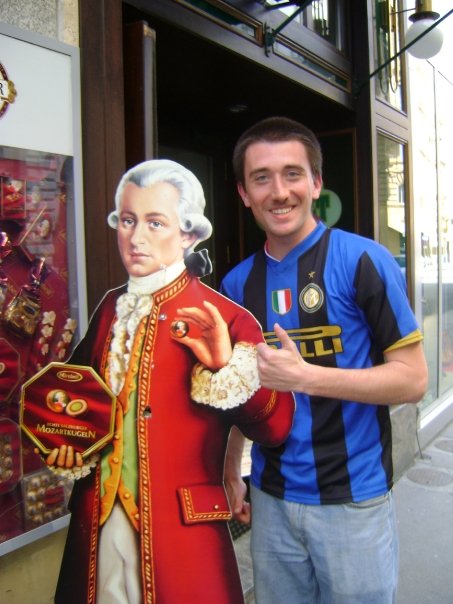
All's cool with Mozart and I

All’s cool with Mozart and I

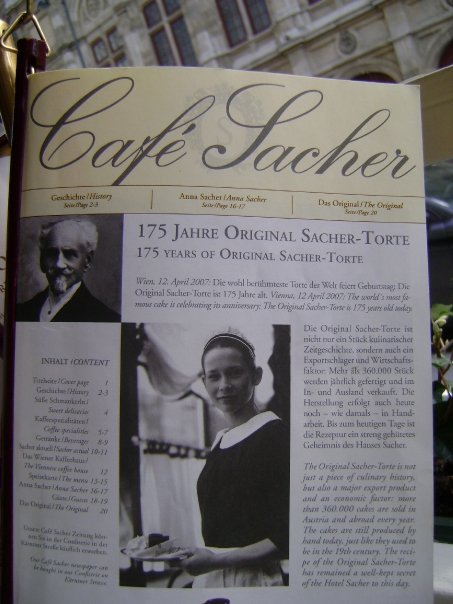
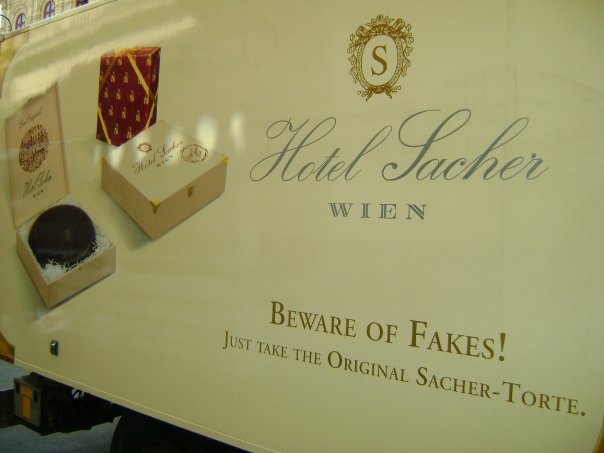
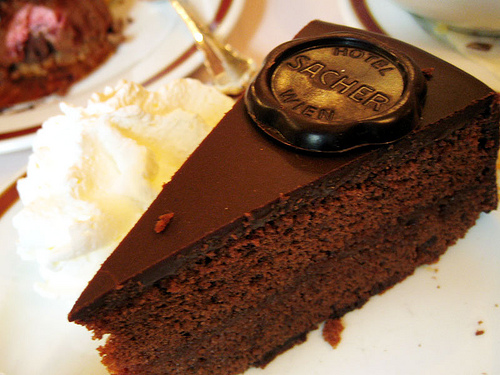
2819_1239069573934_7010964_nLuckily, I only wanted to do one thing while in Vienna on our condensed timetable:  try the Sachertorte.  In Vienna, there is a very famous hotel called the Hotel Sacher, and it is known for making a world renowned chocolate cake without equal, i.e. the Sachertorte.  It’s a dessert that originally was commissioned by Prince Klemens von Metternich who was quite possibly one of the most important statesmen of 19th Century Europe aside from perhaps Napoleon or Otto Von Bismarck.  His head chef fell ill, so the responsibility for creating a dessert for his esteemed guests at a dinner party fell to the chef’s 16 year old apprentice, Franz Sacher.  It was extremely popular, but its popularity didn’t explode until Sacher’s grandson made the cake for his hotel, Hotel Sacher, in 1876.  The rest is history.  We entered the monstrously large hotel and had the option of being seated in sumptuous surroundings or outside.  The weather outside was better, so we sat outside.cn_image_1.size.hotel-sacher-vienna-vienna-austria-105018-2 We  looked over the menu, and it elaborated on the struggle between Demel Bakery and Hotel Sacher as to who serves the “real” Sacher Torte. 2819_1239069373929_3041113_n Who knows which establishment utilizes the true secret recipe? 2819_1239069133923_6309778_n When it came out, it was a perfect slice of cake composed of two layers of apricot jam, three layers of sponge cake, and triple chocolate frosting with a side of unsweetened whipped cream.2819_1239069413930_5951873_n  It was a simple but very rich cake. 201210116144035931145 I’m never a huge fan of jam and cake combined, so I think the apricot took away from the overall dessert. The cake itself was a bit dry, but the frosting was the icing on the cake (pun intended).  Overall, it wasn’t the best cake I’ve ever tried, but it’s something that you kind of have to do in Vienna to taste a bit of local history in one of the most opulent hotels I’ve set foot in.

Throwback Post: Pilsner Urquell and Olomoucké Tvarůžky in Prague

Posted on

Hey there and welcome to another edition of Mastication Monologues!  If you haven’t been reading my latest posts, I’ve started to chronicle my past food and drink adventures throughout Europe.  My journey starts in Eastern Europe due to its funky food history and local flavor.  Part one in Bucharest featured a heart-clogging favorite with Romanian shepherds, and part two recalled my misunderstanding over a piece of meat in a unique Budapest restaurant.  Now, part three takes me to Prague where I encountered one of the worst tasting foods I’ve ever consumed, and I actually enjoyed the controversial king of fruits, durian.  So you know it has to be bad.

Prague is hands-down one of the most gorgeous places in Europe I’ve visited, but unfortunately everyone else in the world has found this gem behind the former Iron Curtain.  What this means is that such lovely places like St. Vitus’ Cathedral and the Charles Bridge are crawling with tourists like ants all over a picnic. 2819_1239081974244_3750230_n2819_1239082094247_4265863_n2819_1239080894217_306123_n2819_1239081654236_6953299_n However, there are some hidden gems like the Dancing Building which is colloquially known as Fred and Ginger as in Astaire and Rogers since the two structures look like they’re gliding across the dancefloor like their namesakes.2819_1239082334253_823374_n  Summer hordes aside, it is a metropolis that combines plenty of history with cuisine that has strains of both Slavic and Germanic traditions.  During our stay in Prague, Kevin, his then gf, and I traveled throughout the city and experienced the best Prague had to offer in regard to sites, sounds, and toward the end of our trip, smells.  I’m getting ahead of myself.  First, let’s talk about beer.

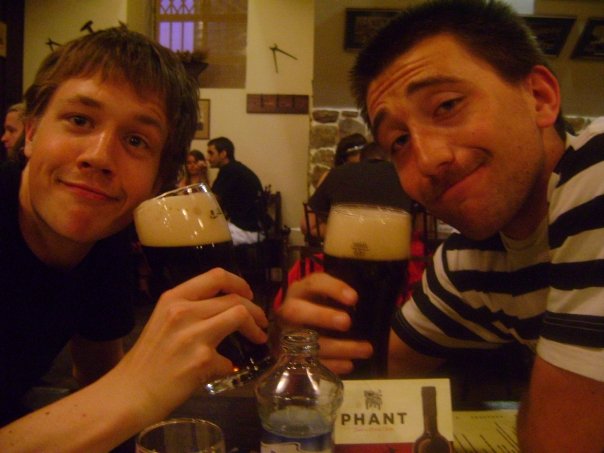
In America, we have a very large beer culture compliments of the scores of Northern and Central European immigrants who came to our country, but Czech beer plays a very large part in the history of the hoppy drink, especially when it comes to pilsner beer.  The word “pilsner” derives from the Germanic form of the Czech town of Plzeň (Pilsen in German) since that’s where this type of beer was invented.  Therefore, it only made sense to Czech out (pun YOLO!) the most famous and original pilsner, Pilsner Urquell, in the heart of Prague.  The most interesting part of our bar hopping adventures beyond the beer was a local bar outside the Prague city center that was around the corner from our hostel.  It looked like any other watering hole on the outside, and when we walked in, it didn’t strike us as anything novel.  There was a mix of men and women sitting throughout the establishment sipping on steins, but then there was the all female wait staff.  They were all topless.  TOPLESS!  It wasn’t a nightclub or anything.  No Guns and Roses’ “Welcome to the Jungle” pumping over the speakers as dancers took their turns on the pole.  Instead, it was like any other bar in the world, but all the ladies must have forgot their shirts at home.  It made holding a conversation with my traveling companions hard and ordering beers even worse.  The whole experience was the polar opposite to the Puritanical views in America toward nudity.  The Pilsner Urquell was equally titillating when it came out.

Bros and brews

Bros and brews

It tasted better out of the tap than the bottles sold in America.  It was crisp, clean, and slightly bitter with hoppy elements that complimented the intense roast pork I had to eat.  Along with the amazing beer, I tangled with a very interesting dish that hails from the capital of Moravia, Olomouc.

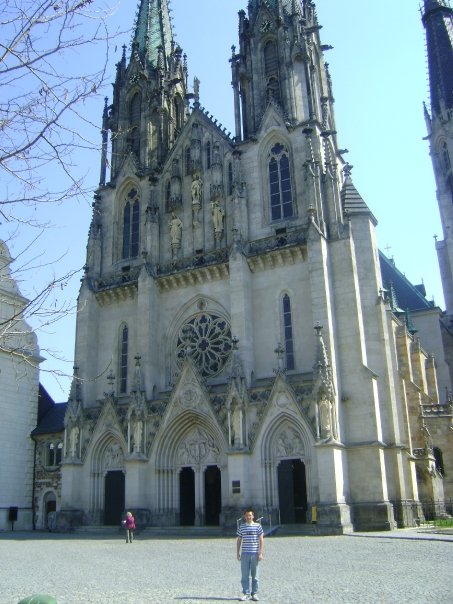
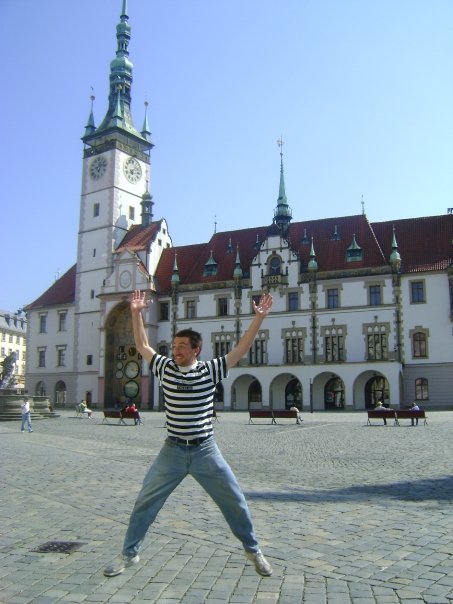
Olomouc (pronounced “Oh-luh-moots”) was the only other city we visited in the Czech Republic, but it was the ideal balance to the hectic streets of Prague.  It was more provincial but just as beautiful. 2819_1239094654561_7931694_n The St. Wenceslaus Cathedral was immense like most houses of former worship in secular Europe, and the town square possessed a beautiful sun clock that was shot up by the Nazis during their retreat from Russia in WWII.2819_1239095054571_3336137_n  When the Soviets took over the town, they rebuilt it with proletarian heroes in place of the Catholic saints that originally decorated the clock’s facade. 2819_1239094894567_4225919_n There still are other remnants of Soviet rule like the working scenes in the train station, and all of it added to the character of the town.  We enjoyed our time in the town, and highly recommend it to anyone looking for a daytrip outside of Prague.

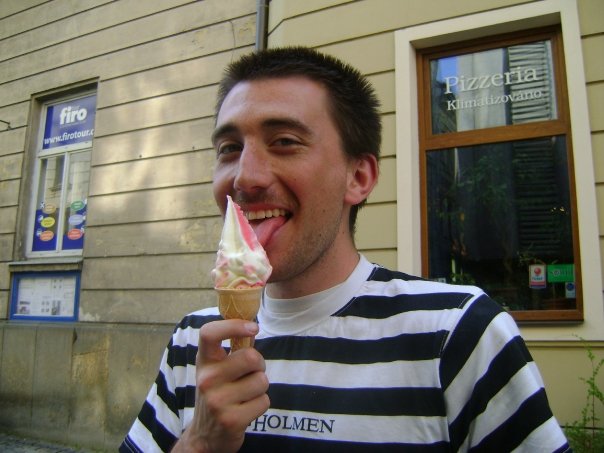
Mmm Olomouc ice cream

Mmm Olomouc ice cream

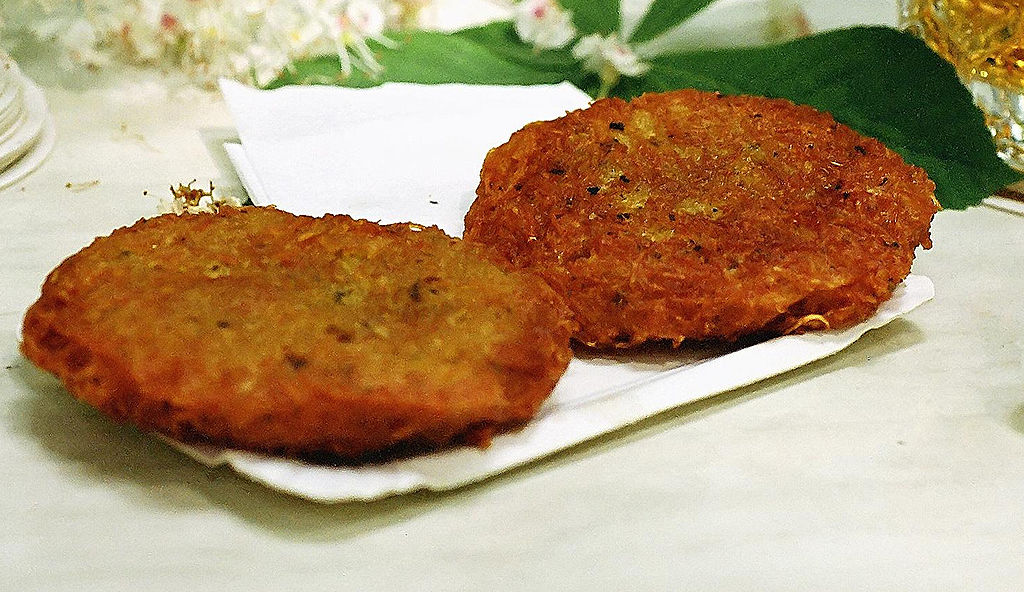
When we came back to Prague, we visited the Jewish Quarter since Kevin’s gf was Jewish. After seeing a synagogue, we stopped at a local restaurant.  They had a mix of Czech and American dishes, but I was drawn in by the “stinky cheese” option.  I ordered one plate which didn’t look that stinky.  It just looked like two patties of fried cheese, but when I sliced into it and took a bite…wow. 1024px-Kartoffelpuffer It tasted like the smell of the pachyderm house at the Brookfield Zoo, i.e. think of hay mixed with pungent urine and aromatic feces.  You know it’s bad when you can only describe the taste of something as a smell.  I could only finish one patty since it was so nasty yet I was so hungry.  Luckily it was only a side to my main dish.  I did some research, and the name of this nasty cheese was  Olomoucké Tvarůžky. tvaruzky It’s a cow milk cheese that originates from Olomouc, the city we visited earlier in the day.  How such a terrible creation could have come from such a wonderful part of the country and has been “enjoyed” since the 15th Century is beyond me.

Overall, the Czech Republic is a great budget vacation in comparison to other places in Western Europe, but you really can experience what the country has to offer at reasonable prices if you venture outside of Prague.  Drink as much beer as you want there but beware of the stinky cheese.  You’ve heard it here first!

2819_1239095094572_6827683_n

I approve this message on behalf of Pilsner Urquell


Throwback Post: Rooster Comb Fake Out and Goulash in Hungary

Posted on

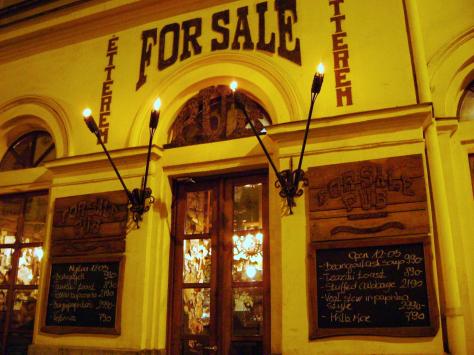
What better place for I, a traveling gourmand, to travel to than Hungary.  Not only is the name fitting for my perpetual state of being, but this land of the Mighty Magyars and a tongue twisting language proved to be quite interesting when Kevin and I explored Budapest during Spring Break in 2009.  2819_1239033173024_5272662_n2819_1239032813015_5002839_n 2819_1239032012995_3465861_nIt was one of a couple stops during our trek throughout Eastern Europe, but it started off with a bang  the first night Kevin and I went out for dinner at For Sale Pub and Restaurant.

While the outside seemed relatively normal, that concept was quickly thrown out the window as soon as we waltzed in. tumblr_lm3gccir8A1qcdq9m The inside seemed like a peasant’s house complete with hay on the floor and a rustic wooden interior.  We scaled the staircase to find a room whose walls seemed to be decorated by Office Max with all of the random pieces of white paper.  imageUpon closer inspection, each leaf had a message on it.  They ranged from the basic salutation to fellow diners to letters to loved ones to random curse words in various languages.  Oh freedom of speech!  We got menus and a free basket of peanuts from our waiter while Tupac’s “California Love” bumped over the speakers.  Thankfully the For Sale doesn’t put on any airs since we could throw the peanut shells on the floor.  Looking over the menu, they served numerous types of Hungarian specialties including the signature goulash along with some other more mysterious selections that caught my eye like the gipsy roast.  I asked our waiter what exactly the roast consisted of, and he just said “meat”…goody.

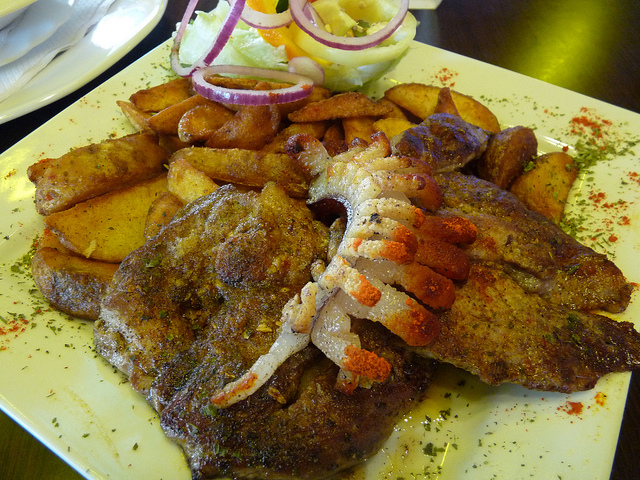
When it came out, along with our goulash, it looked not too bad.  I didn’t take a picture of it, but I found an adequate representative of it online. 8120147582_1fd8ed6fe7_z It seemed like a few slices of steak that were rubbed with some salt, pepper, and garlic.  The meat itself was quite succulent and juicy.  These wandering social outcasts do know good food.  As for the potatoes, they were just boiled.  However, the parsley gave them an herbal scent that enticed my nose and palate.  The final piece of the plate I couldn’t really tell what it was.  I asked our friendly waiter what exactly it was, and he said, “Rooster” while pointing to his head.  I took it to meant that it was a fried rooster comb, a.k.a. the red junk on top of the rooster’s head.  It was crispy yet slightly chewy with a definite bacon flavor.  After doing a bit of research, turns out our English impaired waiter took me for a ride.  After doing a bit of research and seeing this gipsy roast preparation video, I discovered what I ate was actually bacon, not rooster a rooster comb.  What he meant to say was it was bacon cut in rooster comb style.  The goulash, however, was the highlight of the meal.  103317937_goulash_271334cApparently, the name goulash comes from the Hungarian for “gulyás” or “herd of cattle” since the Hungarian plain was a huge cattle raising area.  Therefore, the herdsmen would always have some cattle to slaughter along the way in order to make their goulash.  The For Sale Pub’s soup was filled with plenty of slightly spicy and hellishly red paprika which originally came from the Turks who invaded Buda in 1529.  As for the contents, it was simple yet hearty fare with bobbing beef chunks, potatoes, onions, and peppers.

While I was crestfallen to find out that I didn’t unknowingly eat a bizarre food, the national dish of Hungary, goulash, definitely made up for it.  It was one of many memorable moments as I traveled through Budapest with Kevin and his girlfriend.  If you can’t find anything else to eat, Budapest has plenty of delicious, handmade pretzels in their public parks and blood orange, or as they put it “Spanish flavor”, flavored Fanta. 2819_1239033413030_6268170_n 2819_1239032333003_7335081_n I guarantee satisfaction!

Throwback Post: Mămăligă in Romania

Posted on

What is up, everyone out there?  Welcome to the first installation of many on Mastication Monologues that is a retro series of food adventures I undertook throughout Europe while living in Barcelona.  I know there are many stereotypical dishes to try throughout Europe like fish and chips in England, baguettes and pate in France, or tons of different tapas in Spain to name a few.  Believe me, I’ve tried them, and they all were delicious.  Instead, I’d like to highlight more unique plates and snacks that you might have never even heard of and might want to try or maybe not.  Today’s post brings us to the farthest eastern point of my wanderings:  Romania.

Romania is an anomaly in Eastern Europe.  Not only do they speak a language that falls into the Romance category alongside French, Italian, and Spanish while being surrounded by Slavic neighbors, but their most famous celebrity is the infamous prince of the night, Dracula.  I went there in December with my friends Kevin, Steph, Jesus, and Jillian, and it was probably the best trip I ever took during my time abroad.

We all approve of our new house.

We all approve of our new house.

My travel companions, the wild environs including wild dogs in the airport, and just the general randomness that seems to be more prevalent in Eastern Europe made it a journey to remember.  n1949958_46935972_9877The food was a mix of Slavic and Latin flavors with a leaning more toward the former, and one meal that really stood out to me was something called mămăligă.

Since it was the beginning of December, it was quite chilly, so we didn’t spend a lot of time sitting in parks and enjoying the local flora and fauna in Bucharest.  We quickly found a folk restaurant and appreciated the warm room and comfortable places to sit.  It looked like a more upscale place based on the spotless floors and walls, but it also seemed more traditional in its decor.  While many restaurants in America may give you a free bread basket or tortilla chips with salsa on the side, this place supplied us with a complimentary plate of assorted pickled vegetables along with a free shot of vodka.  I’m sure the pickled cucumbers and spicy peppers were used to chase the strong spirit, and the alcohol warmed us up quite quickly.  We looked over the menu, and I couldn’t really decide what to get.  The staff didn’t speak much English, but I saw there were terrible English translations under the Romanian items.  One caught my eye called balmoş (sometimes spelled balmuş).  It just said it was made of  mămăligă, butter, cheese, sour cream, and eggs.  The waiter seemed happy with my choice, and it really piqued my attention once it came out.  it was served in a small bowl.  It looked like a yellow and white porridge with bits of sausage on top.  After doing some research afterward, the yellow was the mămăligă or a porridge made of yellow corn.800px-MamaligaBranza  It is normally boiled with water and can serve as a substitute for bread, but for this balmoş it was boiled in sheep milk.  Along with that fun tidbit, I found out that this dish is a specialty with Romanian shepherds.HPIM2109  So, I grabbed a spoon and dug into the bowl to find layers of sour cream, telemea (a type of feta cheese), caş (a type of fresh curdled ewe cheese), urdă (a type of curdled cheese).  Thank God for Wikipedia to explain all of those cheeses to me.  The cheeses were strong and pungent yet softened by the sour cream and porridge.  It wasn’t a huge bowl, but it really stuck to my ribs for the rest of the day/night.  I could tell that the Romanian shepherds perfected this recipe for long, lonely stretches in the wild.  However, I was surrounded by friends and having the time of my life in Romania.

So if you want perhaps a Romanian vegan take on chili or are in Bucharest and looking for a fading piece of the past, try the mămăligă!

Bittersweet Symphony

Posted on

The summer is slowly but surely winding down, Mastication Monologues readers, but that doesn’t mean that the posts are going to be slowing down as well.  While things have been getting a bit tenser on the job front with my federal application, I always manage to forget about my troubles with a good meal like at Paisan’s Pizzeria in Berwyn, IL.

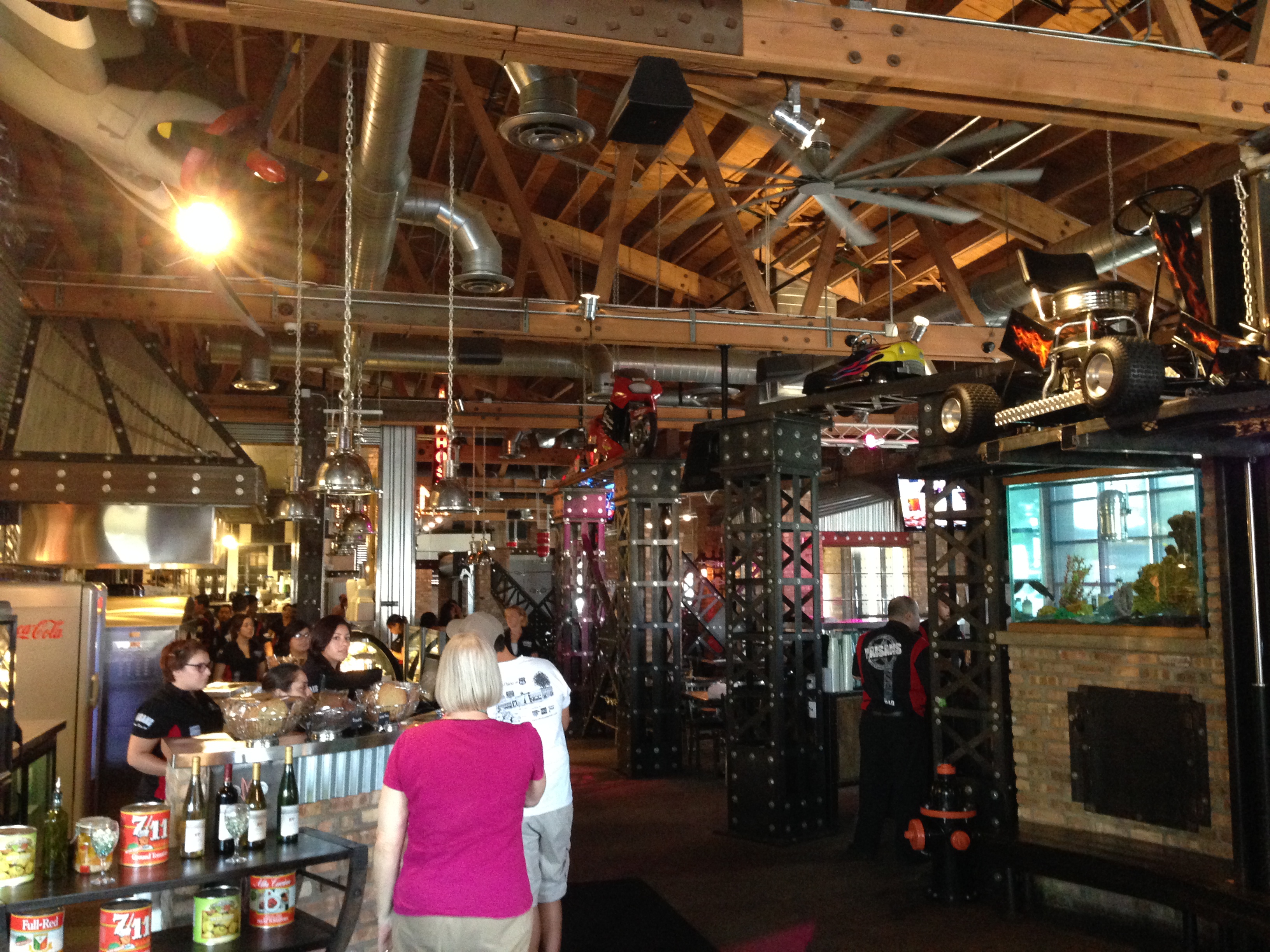
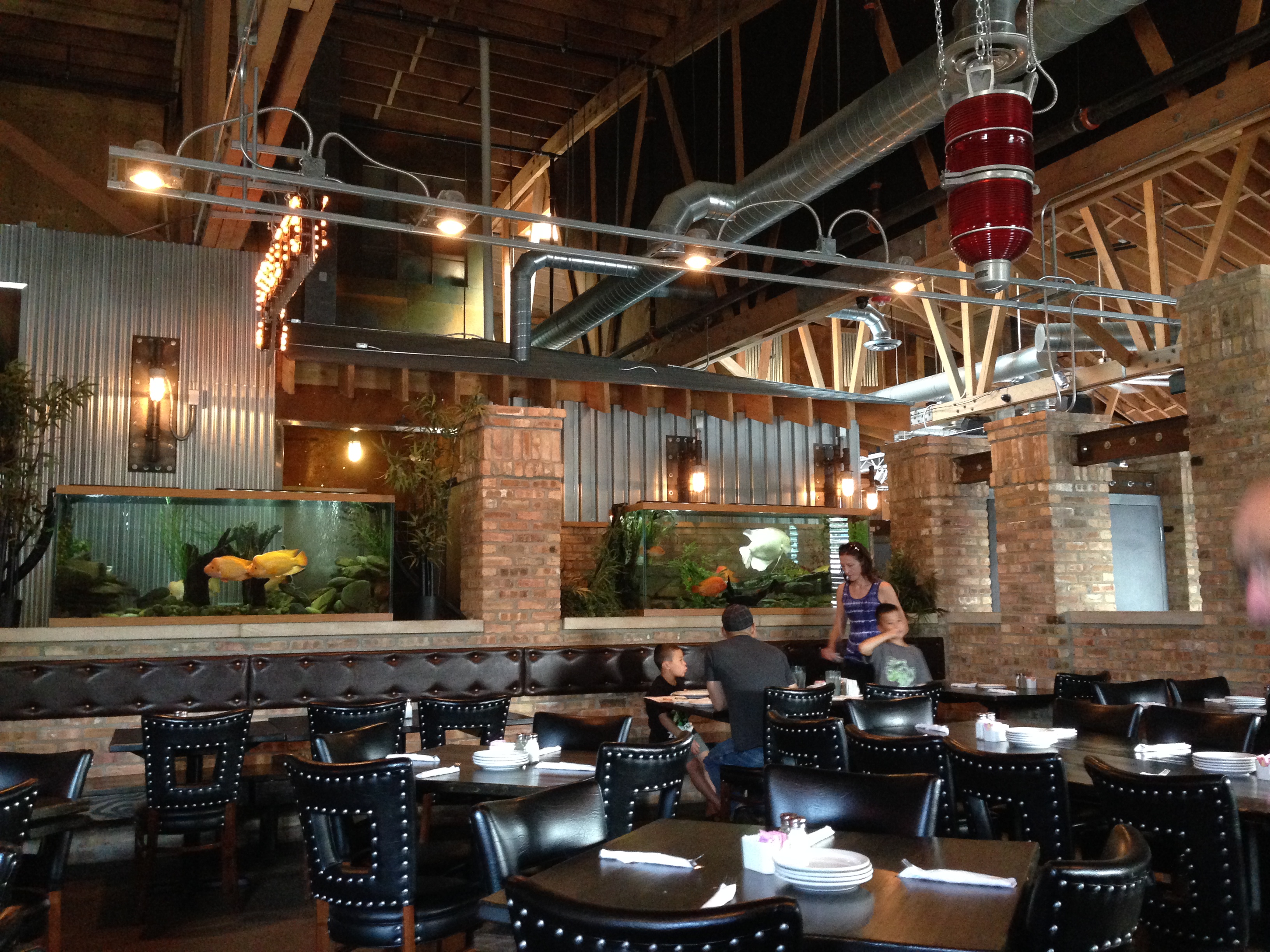
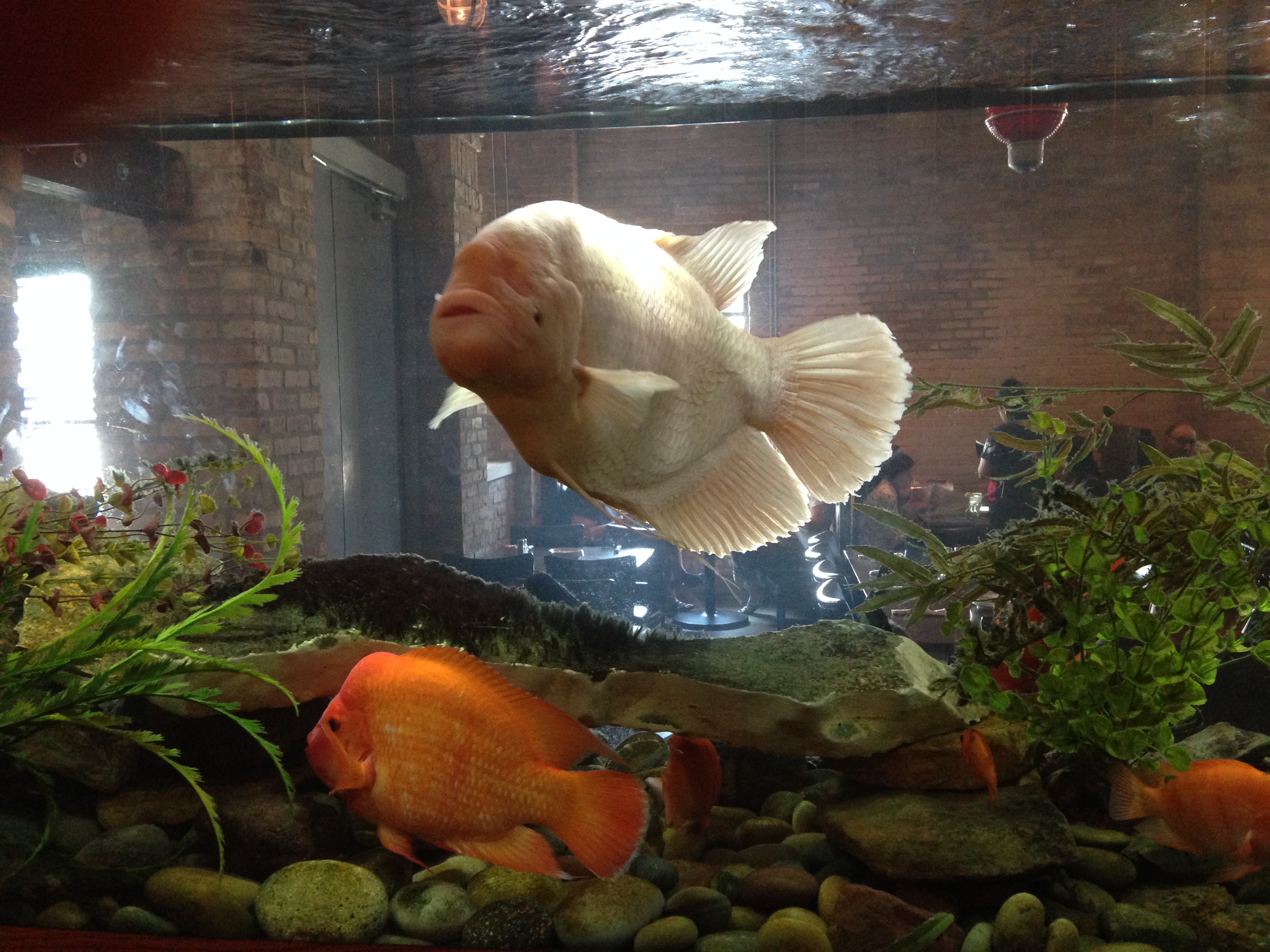
Throughout Mastication Monologues, I’ve tried pizza in various parts of the United States and world, and have weighed in on what my personal preferences are when it comes to the doughy delight.  So, I thought that perhaps Paisan’s could offer yet another dimension on the beloved Italian food.  I mean, the name of the place roughly translates to “friend/brother/sister/partner” in Italian, so already it exuded a welcoming atmosphere before I even set foot in the place.IMG_3799Upon walking into the establishment, my parents and I were awed at the overall size of the interior and design of this modern bar and grill.IMG_3803  It was like Portillo’s minus all of the faux 1920’s Prohibition gangster crap festooning the walls.  Instead, it had more of an industrial garage feel that felt edgy yet safe enough to have family gatherings there (which they do do in the back in their banquet rooms). IMG_3805 As we walked past tables full of happy  customers and gawking at the exposed ductwork, we were seated in a larger, more open dining area that was distinguished by two large aquariums.  There were three fish in one tank, but these puppies could have been mistaken for Leviathans.  The white one, who I dubbed “Moby Dick”, actually let me take his picture.

Thar he blows!

Thar he blows!

After meeting these aquatic locals, I looked over Paisan’s menu.  It was the embodiment of the Italian abbondanza (abundance) food culture where there was something for everyone to eat including appetizers, salads, wraps, barbecue, sandwiches, flatbreads, pasta, and pizza.  My family and I decided to go for the final option since I had a hankering for a good slice.  Paisan’s offers all varieties of pizza including specialty pies, thin crust, extra-thin (read:  New York City pizza), deep dish, stuffed, and Sicilian style which is like pizza made of foccacia.  Since we didn’t want to wait around for the thicker pizzas that take at least an hour to cook, we just ordered a cheese and sausage family size (16″, serves 3-4 people) thin crust pizza ($18).

It took about thirty minutes for the pizza to come out to our table, and I was starving by that time.  It passed the visual inspection with plenty of cheese and sausage covering the crust along with a perfectly bronzed and flour dusted crust.IMG_3810  I could tell this was authentic to Chicago’s pizza culture since it was cut in squares or more commonly known as a “party cut” since it’s easier to grab at a party along with giving more slices to more people.  However, much like the debate over who has the best pizza in Chicago, the polemic rages over which cut is better:  traditional slice or party?  Square or slice, I quickly tore into this beauty.  It was a nearly perfect pizza aside from two features I didn’t care for.  First, the sausage wasn’t seasoned with spices that give the pizza a slight herbal kick with each bite.  I assume that’s why Paisan’s has shakers full of oregano on each table to compensate for the absence of said seasonings.  The only other aspect of this meal I didn’t enjoy was the sauce.  There was a bit too much on it for my liking, and it had a sweet aftertaste that left me with a sour taste in my mouth.  While some enjoy the contrast of sweet in a typically savory dish, I’d get  just a cookie pizza if I wanted some of the sweet stuff on my pie.  These two negatives didn’t put much of a damper on the meal since I really enjoyed the copious amounts of cheese that covered every square inch of the slices, and the crust was crispy and neither burnt nor undercooked.  We polished off the pizza and were satiated.

After leaning back and feeling the food baby growing within me, I was happy but not blown away by the pizza.  It was competently made, but I could go elsewhere and find better in Chicago like at Apart or Home Run Inn.  Unfortunately, I didn’t have any room for their mouth-watering desserts or tempting gelato.  IMG_3809IMG_3808Oh well, until next time, my friend!


Paisans Pizzeria and Restaurant on Urbanspoon

Pole Position

Posted on

Welcome to another edition of Mastication Monologues!  I just keep on chugging along on here churning out one great review after another.  In fact, I just recently passed my 200th post on my blog, so if this is your first time coming to my page, check it out here.  It showcases the variety of cultures and native dishes I’ve sampled throughout the years and my travels.  I hope you enjoy it.  Today’s post hits a little closer to home culturally since I’m going to be talking about Polish food.

Chicago occupies a special place in Polish history given that it has long been a hub for Polish immigrants coming to America due to the need for cheap labor in the Union Stockyards starting in the latter half of the 19th Century.  So many immigrants ended up coming to my hometown that it now has more people of Polish descent than the Polish capital of Warsaw.

The Pope approves this message

The Pope approves this message

I am one of those people of Polish descent, and my family enjoys many aspects of the culture from the music to the food.  I’ve been trying to learn more Polish, but I have a long way to go to master the extremely difficult language that seems to be an alphabet soup with special vowels and an avalanche of consonants rammed together. 350px-PolishDumskis However, it doesn’t take much to love the cuisine.  I can only describe it as a mix between German and Russian food with some Polish ingenuity and heartiness to endure very hard times.  Typically, my family and I enjoy classic Polish dishes like pierogis, kielbasa, kapusta, and kolaczki at family celebrations, and I’ve visited some great Polish restaurants in my grandparents’ neighborhood by Midway Airport.  However, they seemingly can never make (insert food here) as well as babcia (grandmother), but I recently visited a Polish restaurant that made it feel like you’re sitting in your babcia’s  kitchen.  The place in question is called Podhalanka located in the Polish Triangle area on Division.

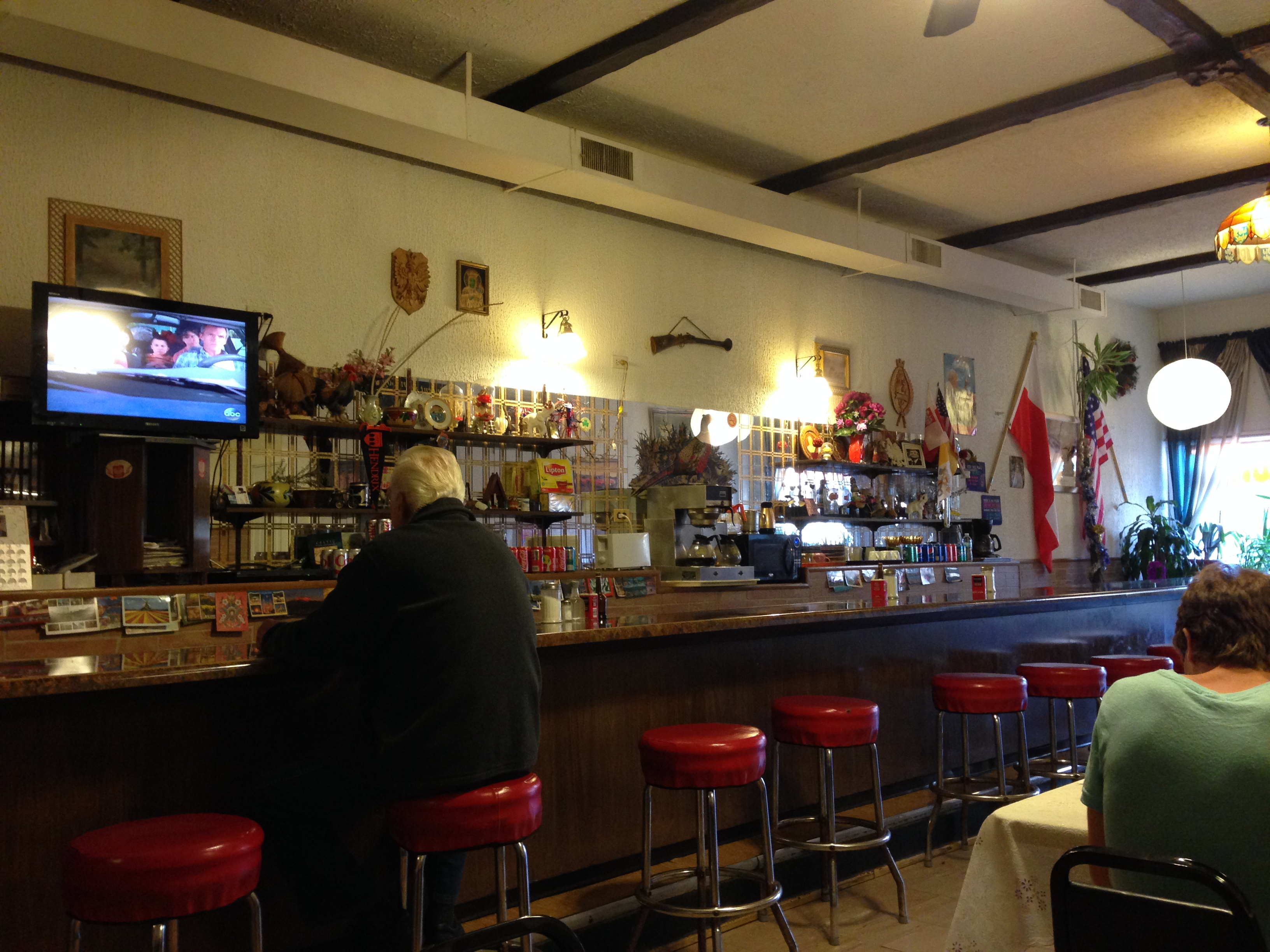
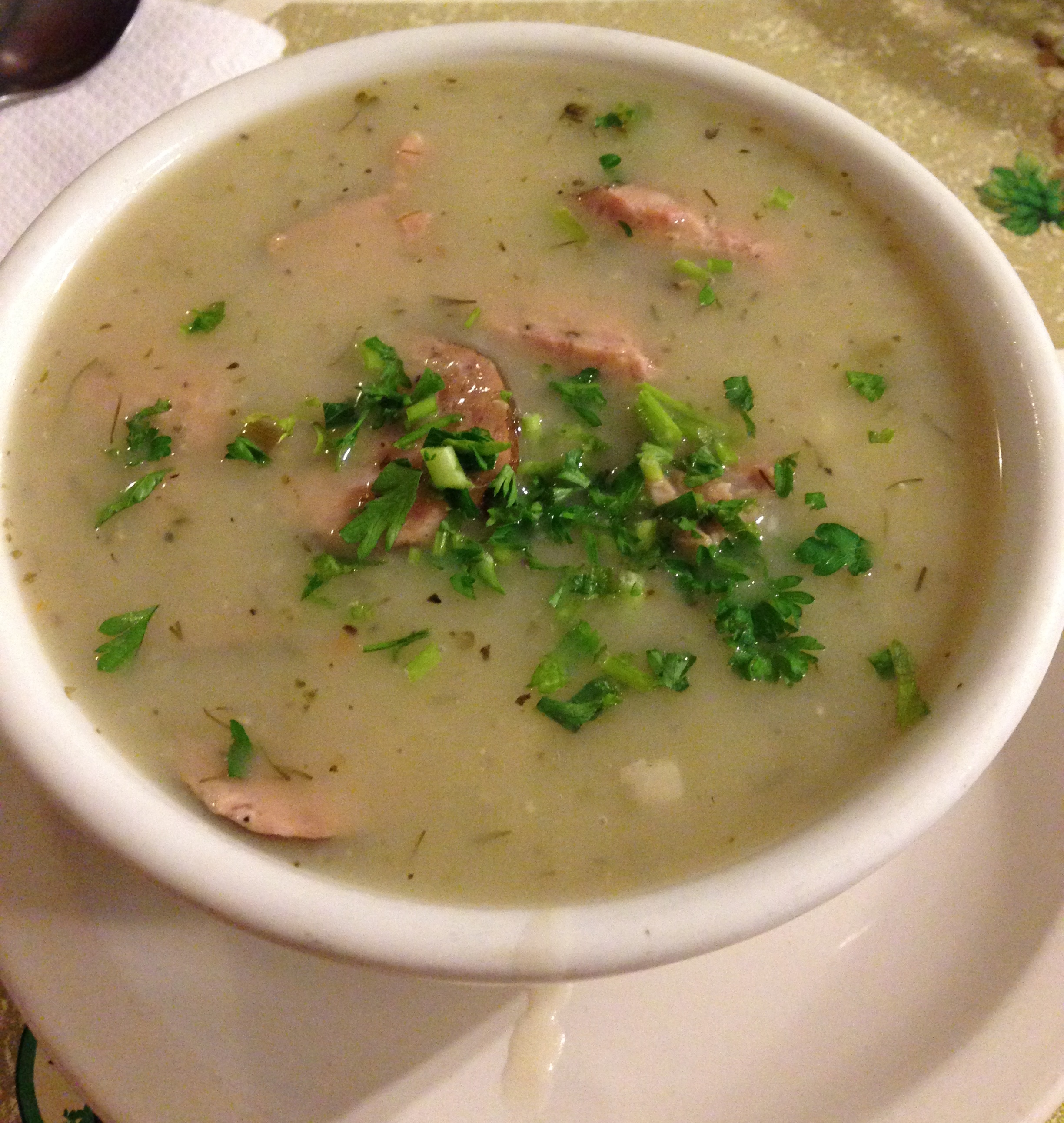
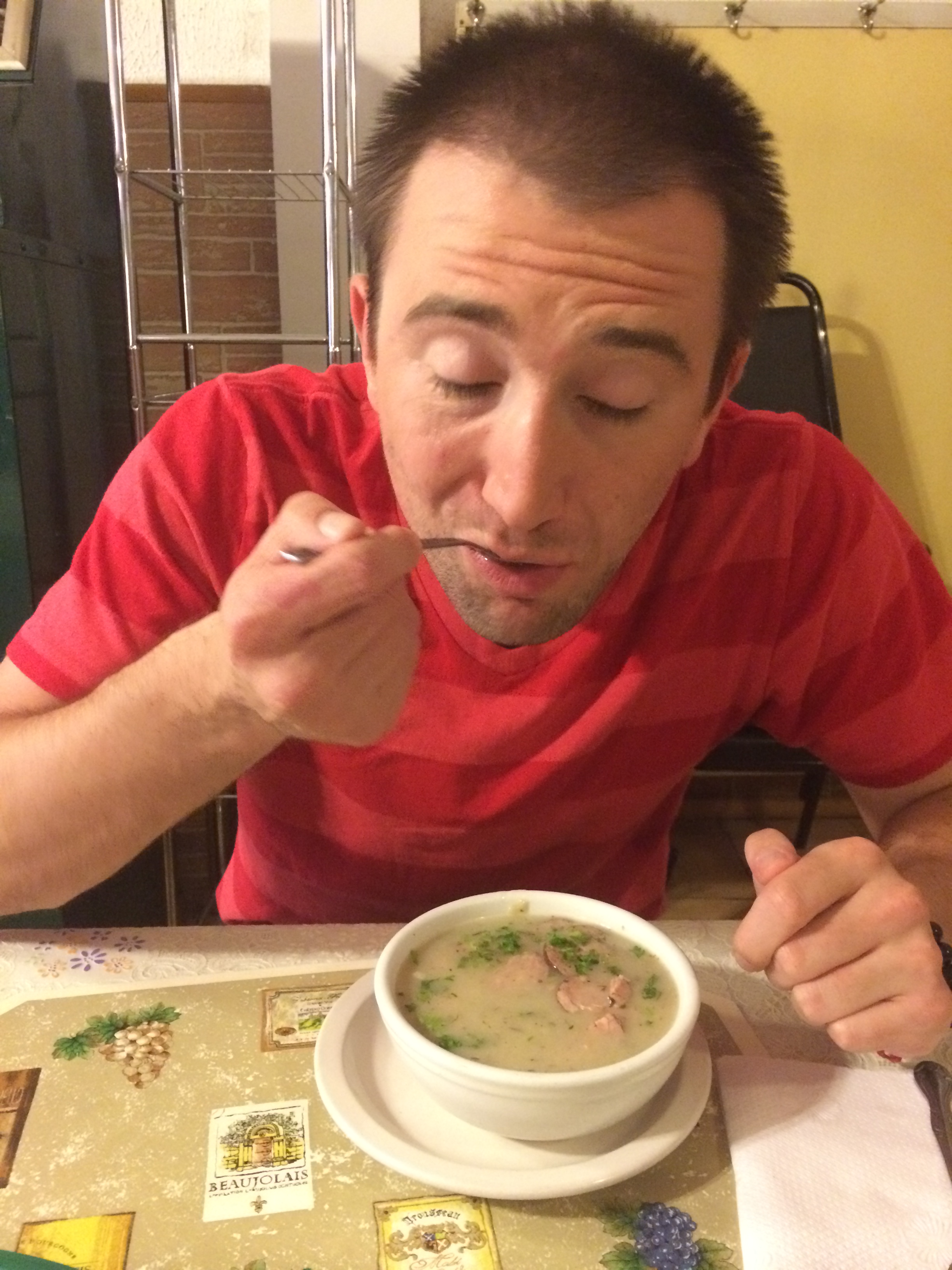
The outside looks more like a place you’d come to get keys made than a restaurant.  IMG_3793My girlfriend had never been to a Polish restaurant, so I was honored to bring her somewhere to get a taste of my culture.  We walked through the door to find a spartan interior that had a bar and plenty of long tables covered in plastic, Kmart tablecloths. IMG_3788 In typical Polish fashion, there was no inanely grinning hostess at the front to greet us.  Instead, there was a gruff looking woman in an apron who mumbled something when we walked in.  We then scanned each other to see if she spoke English and I Polish.  I just said “Table for two”, and we had our pick of seats.  She gave us menus slower than other customers for some reason.  Looking over the selection, I could tell that this stuff was no-frills and just like what I saw in the motherland when I visited Krakow.  While I wanted to go for my comfort zone with a dish like gołąbki (literally:  pidgeons, really stuffed pork cabbage rolls) or kotlet schabowy (breaded pork cutlet), I knew I had to get the zurek (white borscht) ($3.80) and sztuka miesa w sosie chrzanowym (boiled beef with horseradish sauce) ($10.50).  The curmudgeon of a woman who greeted us at the door, who I assumed was the owner, took our orders quite quickly.  Janice ordered her food, the pieczen wieprzowa (roast pork) ($10.50), but then the old woman was suddenly aglow when I properly pronounced each of the choices for my order.  Looks like I still got skillz.  The old woman said ok, and I thanked her in Polish which she appreciated.  While we were waiting, I looked at all of the random Polish souvenirs and cultural artifacts referencing various parts of Polish culture like the newly sanctified Karol Wotyla a.k.a. Pope John Paul II, the Polish white eagle, and the black Madonna or Our Lady of Czestochowa.  My zurek came out first, and I was pumped.  It was a translucent broth punctuated with small bits of dill floating on the surface and large chunks of sausage bobbing in the tasty sea.IMG_3789  From the first to the last gulp, I loved this piping hot bowl of goodness.  IMG_3794The broth itself was sour and meaty yet tinged with a dill bite I really enjoyed. IMG_3797 As for the disks of kielbasa, they were substantial, flavorful, and plentiful throughout the bowl.  While I was enjoying this super soup, we also got a basket filled with slices of white rye bread.  It was a slice (pun intended) of the restaurants in my grandparents’ neighborhood complete with the little packages of butter.  The bread crusts were especially helpful when used to mop up some of the soup.  While I was midway through my soup, she brought out a salad complete with the basic vegetables used in 90 percent of Polish recipes bar cabbage and potatoes. IMG_3790 It wasn’t anything spectacular with the cucumbers and tomatoes slathered in a semi-sweet dressing and a purple pile of pickled beets on the side, but all of the ingredients were really fresh.  My personal favorite were the pickled beets since they were super tangy.  Right as we finished the salad, our main entrees finally emerged.  Both of our dishes looked similar in the fact that they were large pieces of meat slathered in a gravy or sauce with a side of mashed potatoes.  After that, the commonalities ended.  Janice’s roast pork didn’t taste like much, but my boiled beef had a life of its own.IMG_3791  The beef was extremely tender and thankfully enhanced with the feisty horseradish sauce with a slight sinus-clearing kick in each forkful.IMG_3792  Said sauce extended to the mashed potatoes, and I use the term “mashed” in the loosest sense.  It was more like semi-clumped potatoes, but like the beef, there were no seasonings to be had here aside from the horseradish sauce.  Either way, it was a hearty meal that made me think of home.  I’d like to go back there to try some of the pierogi or perhaps some potato pancakes.

I paid the bill, and I saw that I got charged for the soup and salad, but Janice did not for her salad.  Perhaps the old lady was kind hearted after all and made my visit complete.  So, if you’re on the northside and want to try some great, down-home Polish cooking at reasonable prices, check out Podhalanka.  The service might be a bit brusque, but you’ll just have to trust babcia on this one.

Podhalanka on Urbanspoon

A Berry Good Breakfast

Posted on

Sweden.  It is a country with many different faces.  While they are more well known for their vikings, gorgeous women, and a certain incomprehensible Muppet chef, Swedish cuisine in general isn’t very well known or as popular as other European countries’ foods like Italy, France, or Spain.  The reason being, I think, is that Sweden’s food culture reflects the cold and often times harsh environments the various Nordic tribes originally encountered when emigrating to modern day Norway, Sweden, and Denmark.  I mean, the frigid winters aren’t going to cut any slack to a Swedish farmer who wants to emulate his Spanish neighbors by planting an olive farm or attempting to emulate the wine culture of the Mediterranean.  However, that is not to say that Northern European cuisine is worse than the rest of Europe, it just has different ingredients that might not agree with such a wide array of palates.  Historically, the Swedish people have emigrated en masse to America especially to the Northern Midwest region, and today they still have their own little corner of the homeland in Chicago in the Andersonville neighborhood.  You can find plenty of blue and yellow flags flying in front of storefronts, and of course there are diners offering Swedish fare.  Enter Svea’s, an 80 year old diner that is a symbol of the shrinking Swedish community that once was the second largest in the world outside of Stockholm.IMG_3782

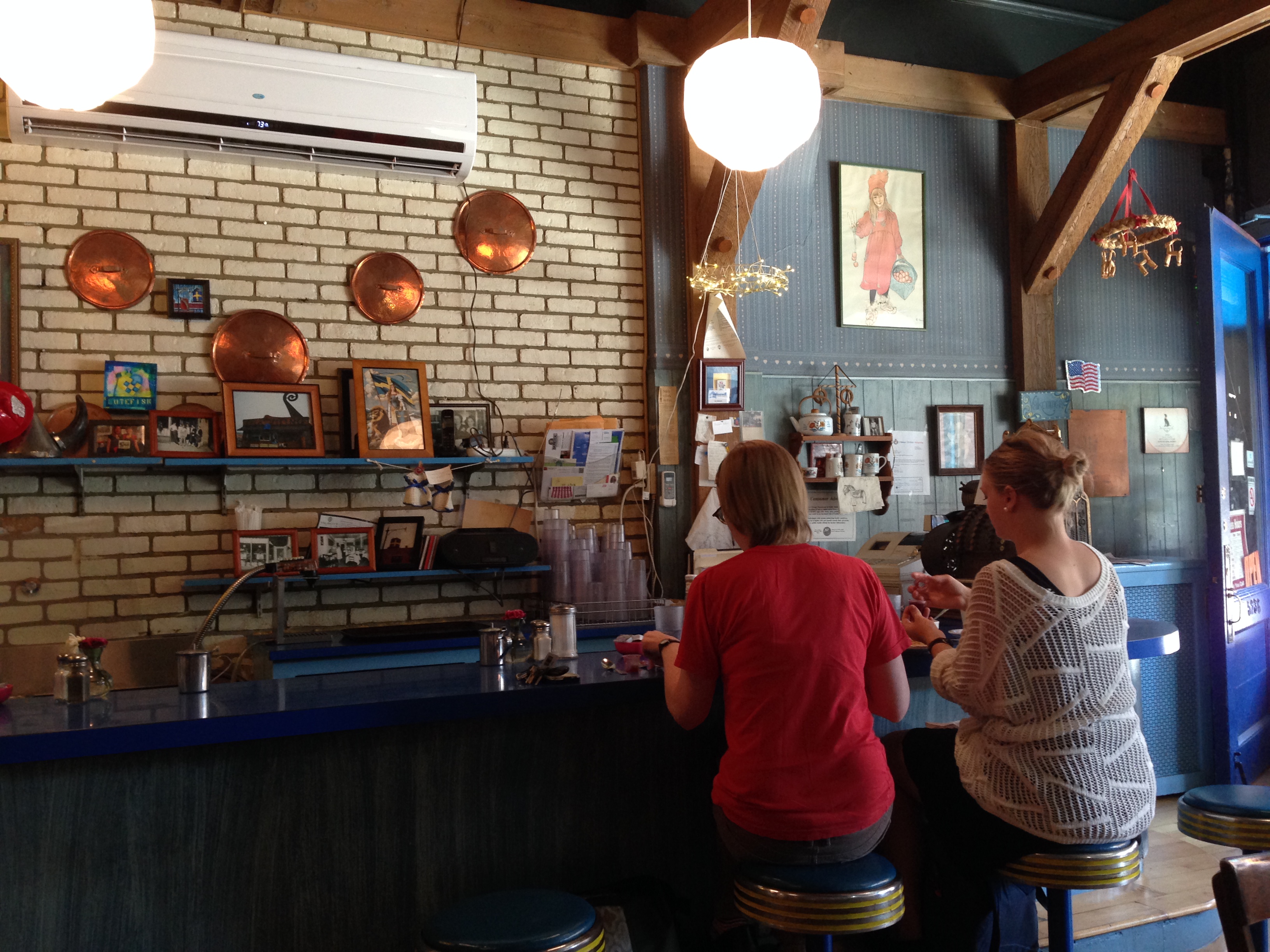
Before walking in, the proprietors invoked their links to old Sverige with the three crowns of the royal coat of arms along with a tall ship that could have fit in with King Gustavus Adolphus‘ navy.IMG_3779  After going through their screen door, I was greeted with a small but cozy diner.IMG_3778  Surprisingly, it wasn’t too busy in the morning for breakfast, so I got to sit wherever I wanted. IMG_3771 IMG_3772 All around I could see little Swedish knicknacks and artifacts like horned viking helmets, a “God jul” or “Merry Christmas” sign on the kitchen, and a horse patterned table cloth that took me back to when I visited Stockholm.IMG_3774

A typical day in Stockholm

A typical day in Stockholm

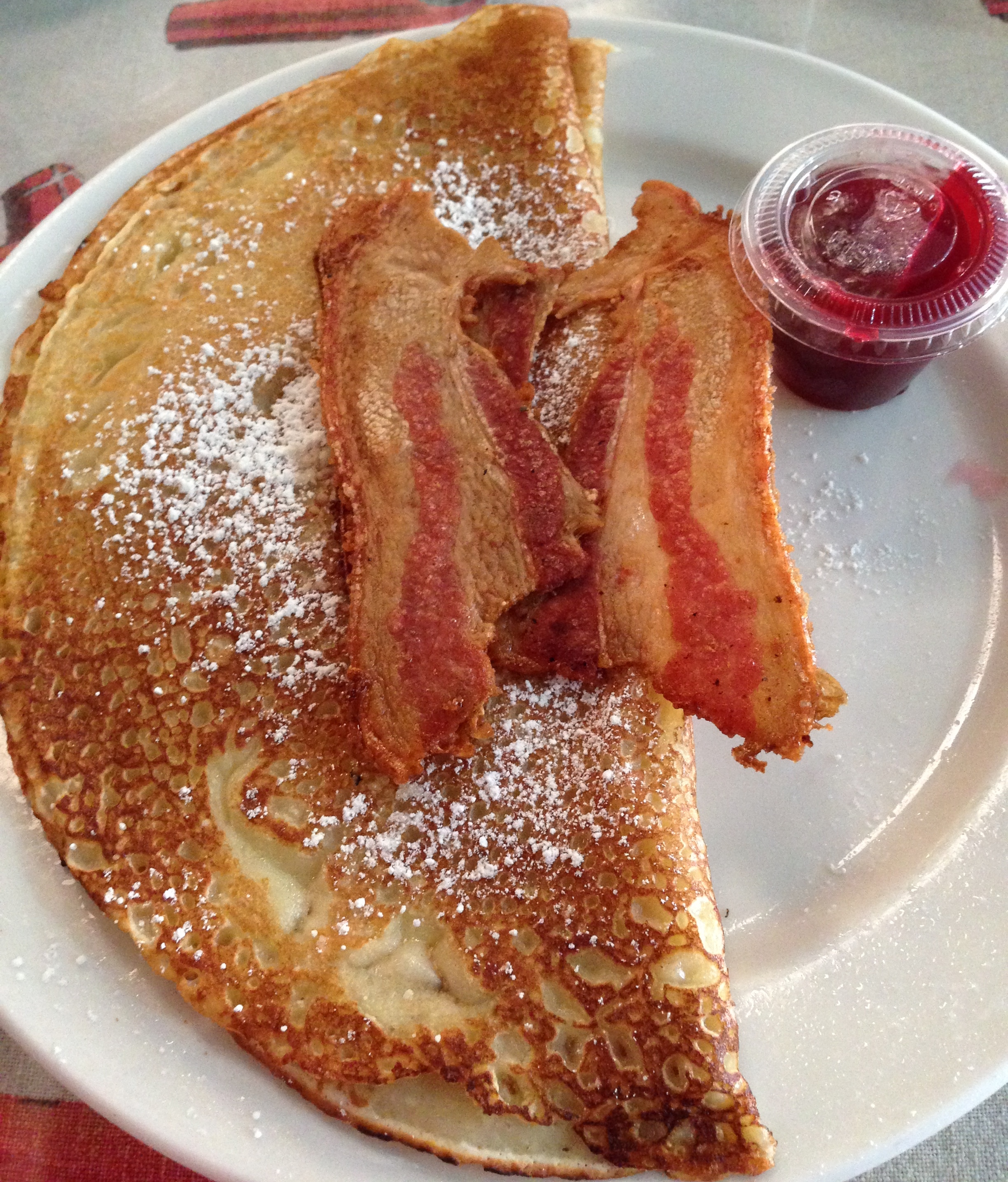
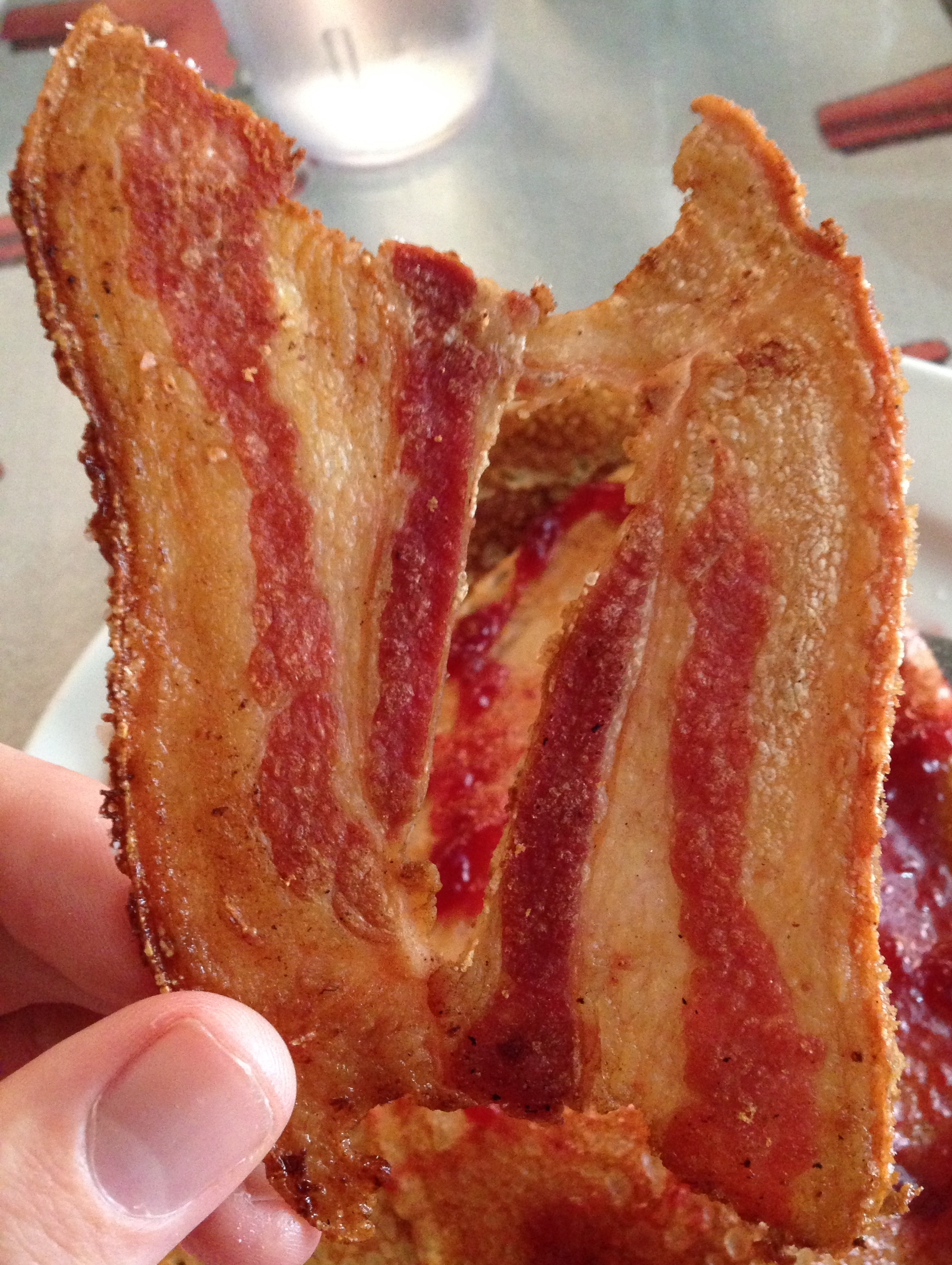
I looked over the menu with the left side sporting more American selections like omelets and bagels, but then there were Swedish options like smorgasar (open face sandwiches), the famed “Viking” breakfast, and my choice:  Swedish pancakes with imported lingonberry sauce ($6) with a side of salt pork ($3).  The prices overall ranged anywhere from $5-$10 which is a bargain compared to other brunch places in the area.  There are dinner options as well that have the same American/Swedish split, but I’ll have to leave that for another day.  My cakes made their appearance soon thereafter and looked perfect.IMG_3775  Portion-wise, they were quite large.  I found them to be between a ‘Murikan pancake and a French crepe in terms of thickness.  Amid the sprinklings of powdered sugar, the salt pork was placed atop the pockmarked surface and strangely looked like two of the rosy horses on the table sharing a smooch.  Budding food romances aside, I placed it aside for later.  I focused first on smearing the small container of lingonberry jelly all over these wonderful pancakes and quickly tucked in since I was starving.  However, I think they could have given me a bit more jelly to actually cover both pieces instead of just one.IMG_3776  It was a simple but very well done meal.  The pancakes were substantial yet light on the stomach.  It didn’t feel like I had swallowed a bowling ball by the end of breakfast.  As for the jelly, it was sweet yet more on the tart side which gave the blander pancakes a potent punch with every forkful.  I then turned my full attention toward the salt pork.IMG_3777  I used some of the maple syrup on the side for dipping, but I could only liken the meat to a super thin and crunchy version of bacon.  It wasn’t unbearably salty and only got better with some of the gooey, sweet syrup on top.

As I went to settle the check at the front, I noticed their sign on the cash register that said, “CASH ONLY”.  In this era of credit cards, it seems a bit archaic, but luckily I’m a man of the past.  I paid for my reasonably priced and lip-smacking good breakfast that was like Ikea furniture:  cheap, functional, simple, pleasing to the eye, but way more delicious.  I highly recommend visiting Svea’s to experience an unraveling ethnic patch of Chicago’s cultural quilt.

Svea on Urbanspoon

Design a site like this with WordPress.com
Get started