Tag Archives: rice

La Isla Deliciosa

Posted on

Asia is one of the most interesting continents when it comes to cuisine.  You might be asking yourself, “Uh, what’s so special about sushi, korean barbecue, and orange chicken?”  Well, hate to break it to you that there is much more to Asian cuisine than that given the sheer size of the continent and number of different cultures that inhabit its regions spanning from Turkey to Japan.  This geographic spread contributes to the variety found in this corner of the world, but some country’s cuisines are more popular than others in the US.  For example, the food items I previously mentioned are probably the first cuisines that come to peoples’ minds when you say “Asian food”, i.e.  Japanese, Chinese, and Korean food.  Vietnamese and Thai food are more recent entries to the public consciousness due to increased immigration from South/Southeast Asia, and they all have their own special place in the ever expanding American palate.  However, one country that doesn’t get the foodie hype that its other neighbors receive but really should  is Filipino food.  Janice and I got well acquainted with many island delights in Chicago at Lincoln Square’s Isla Pilipina Restaurant.

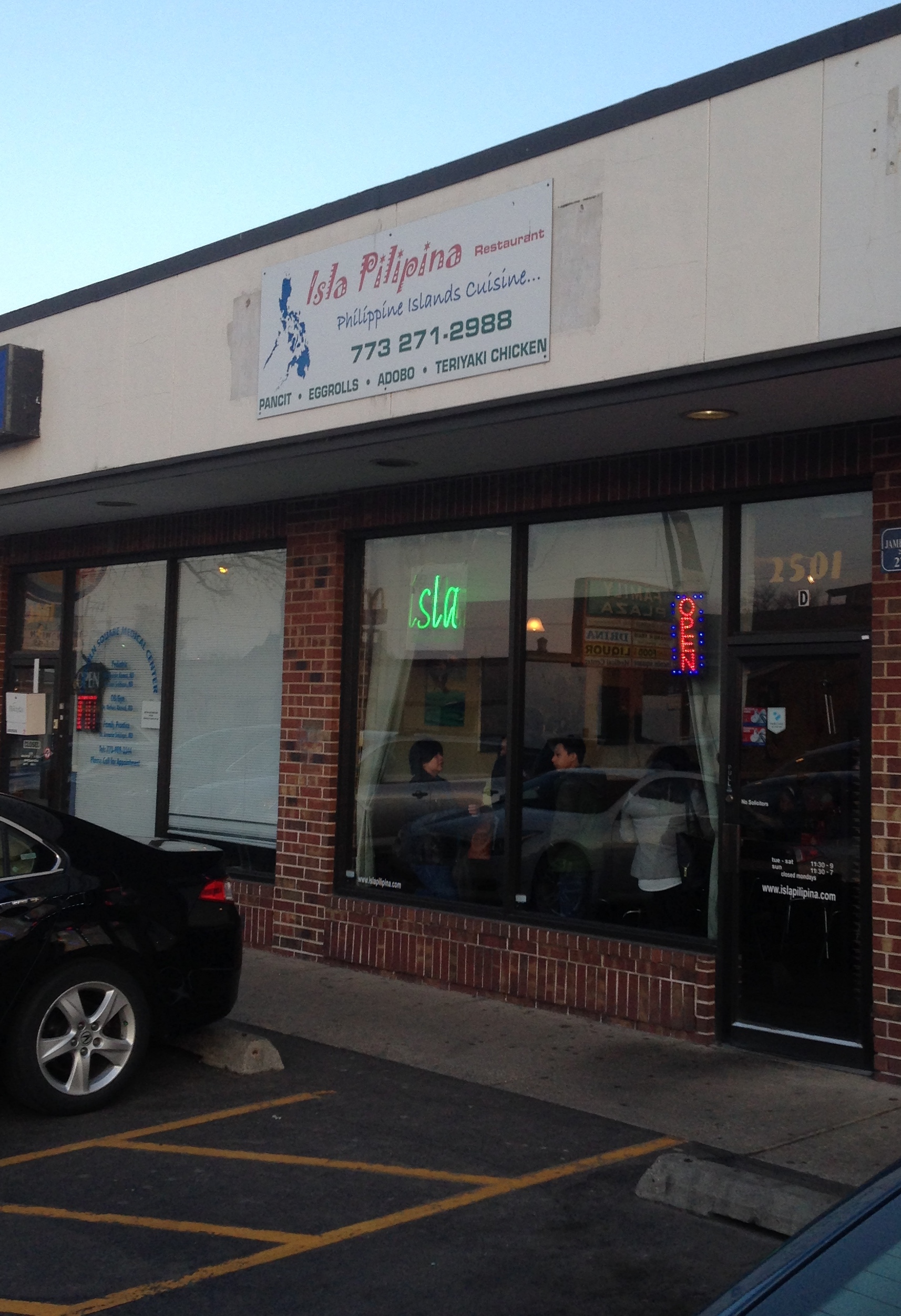
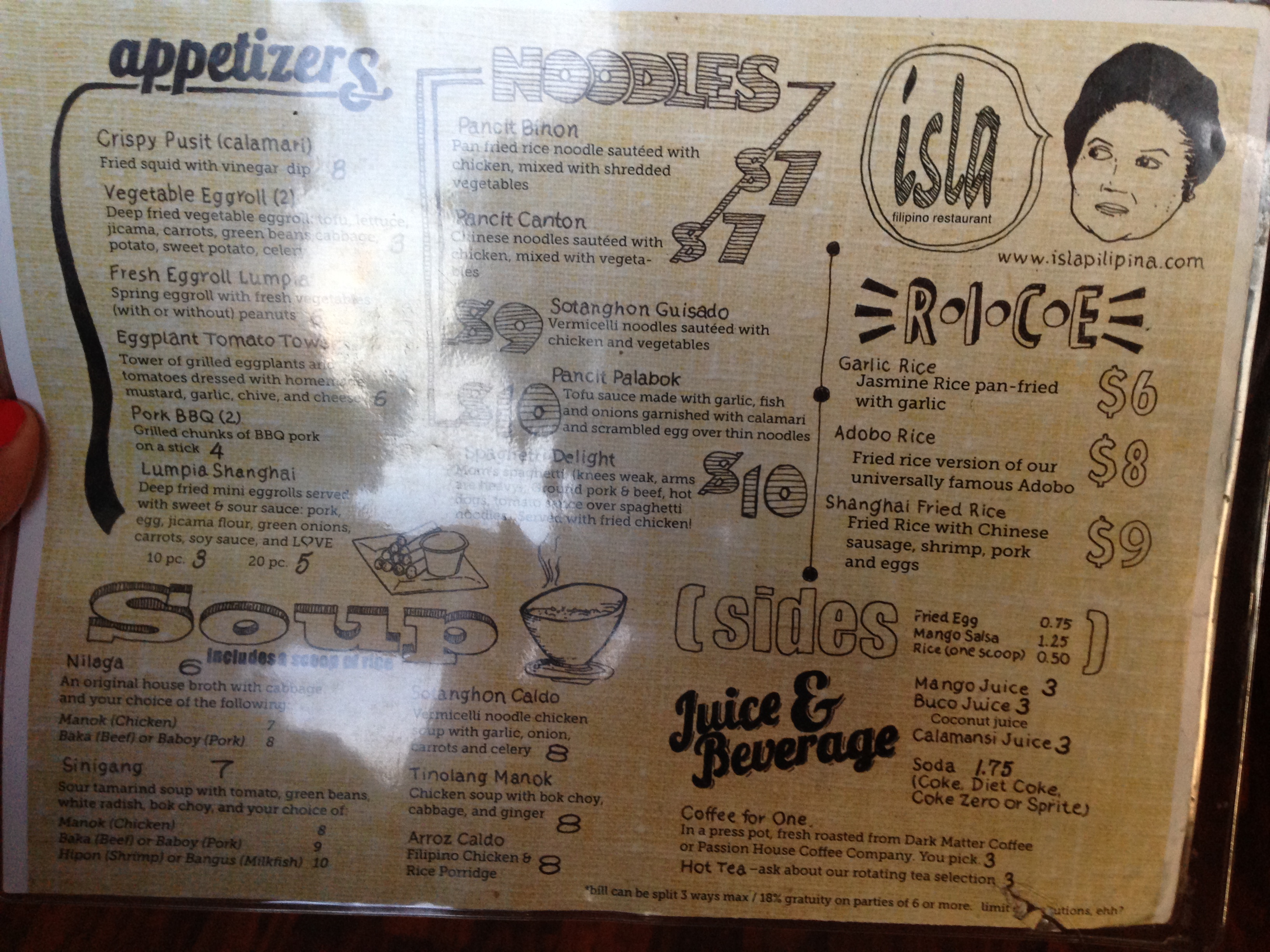
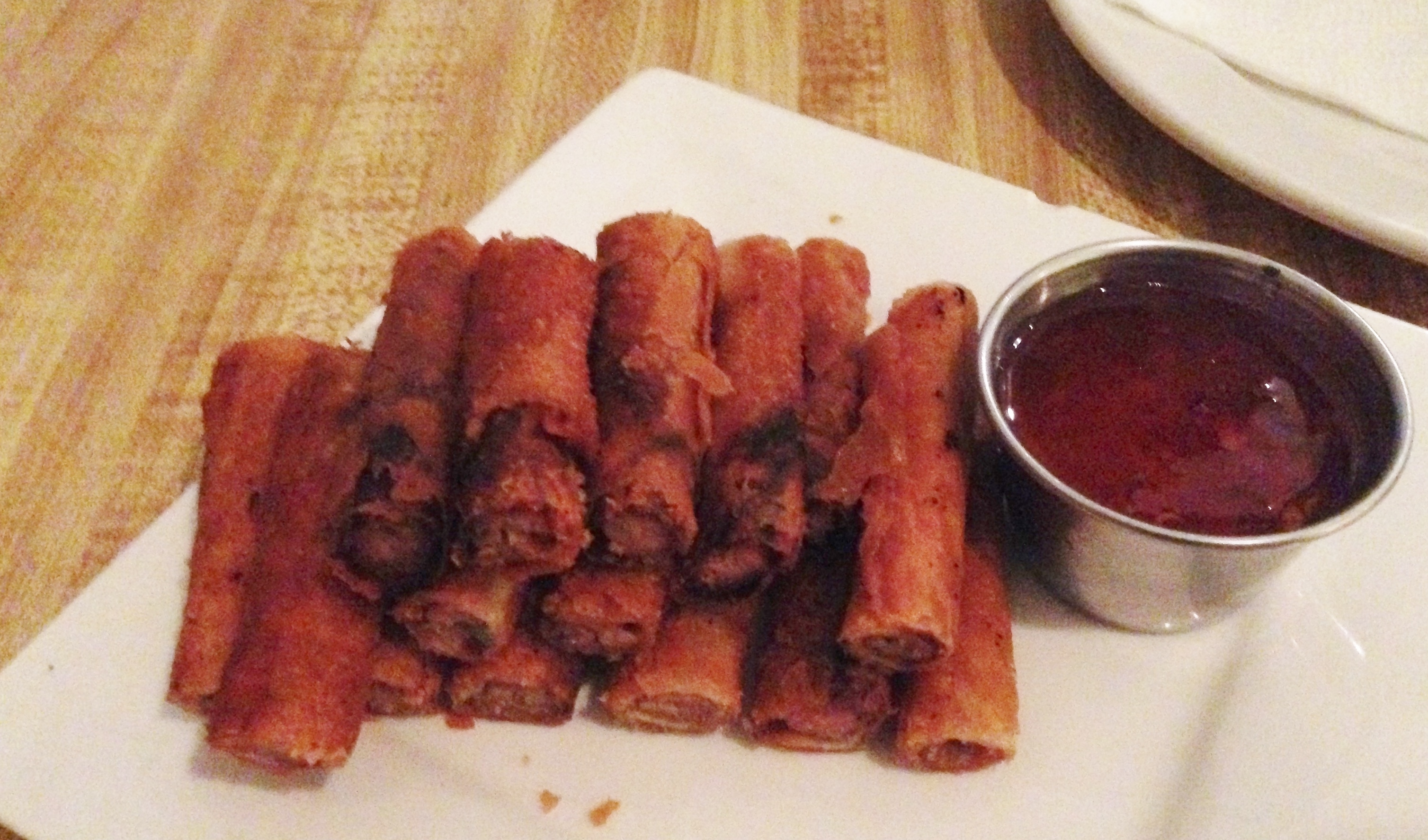
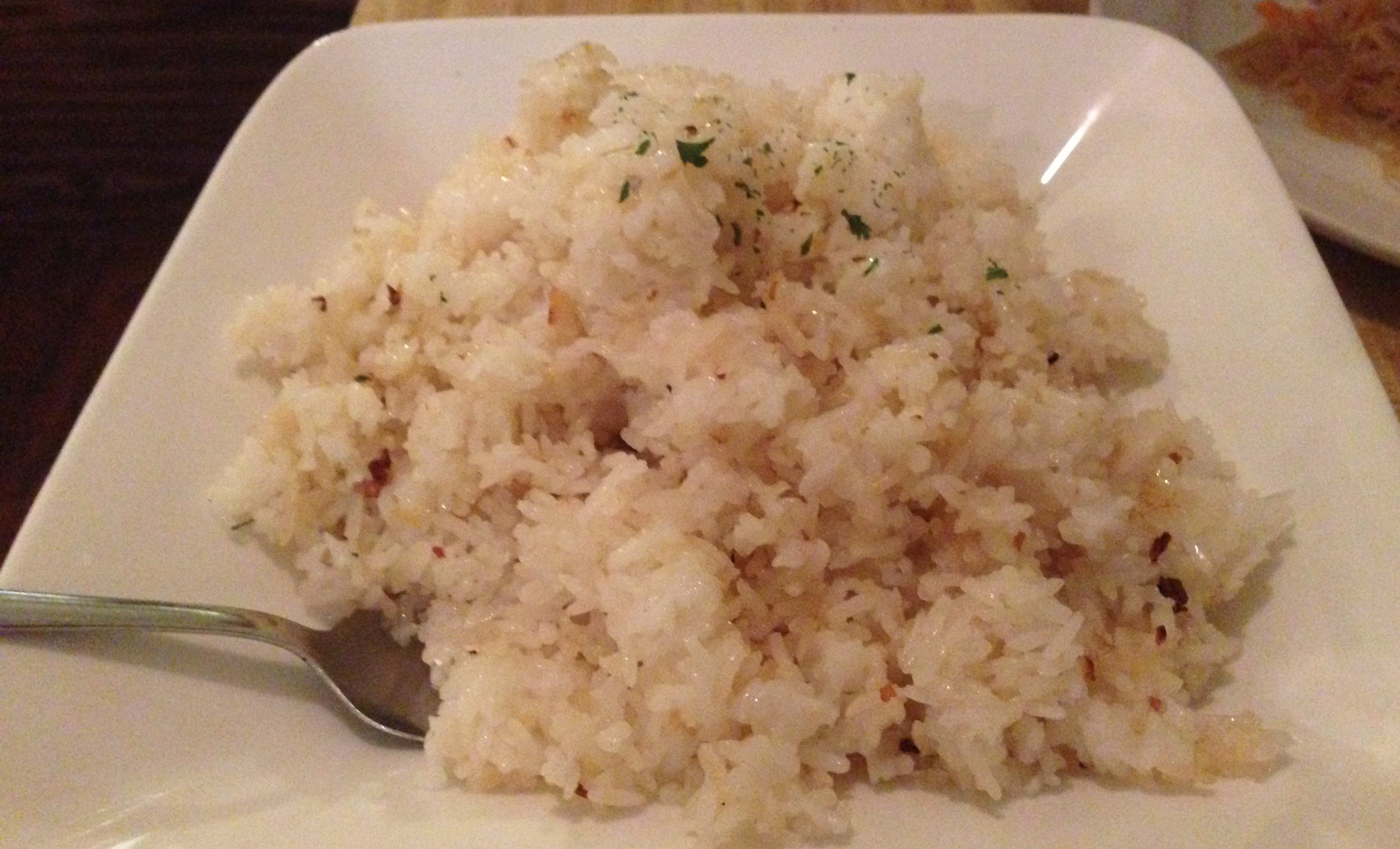
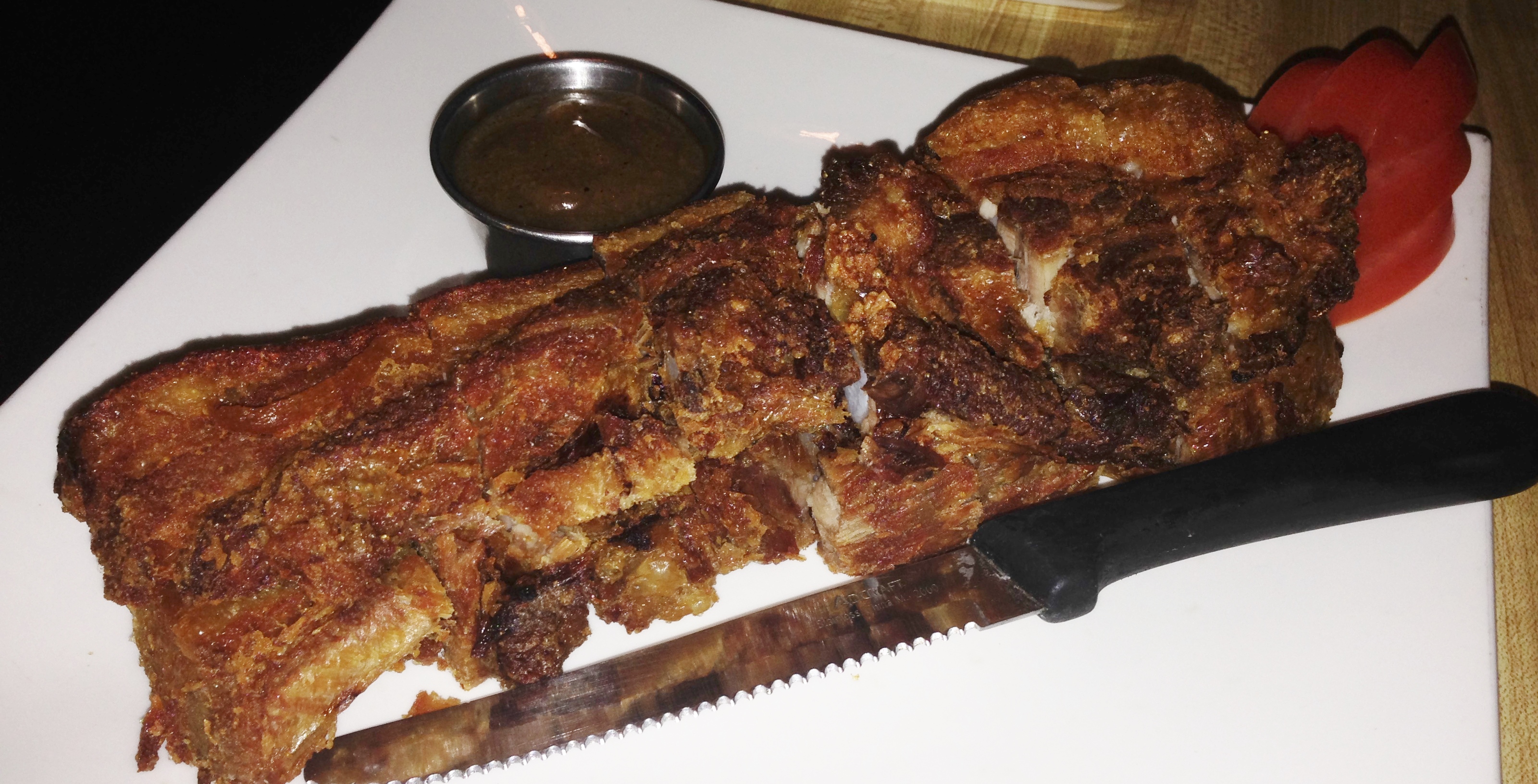
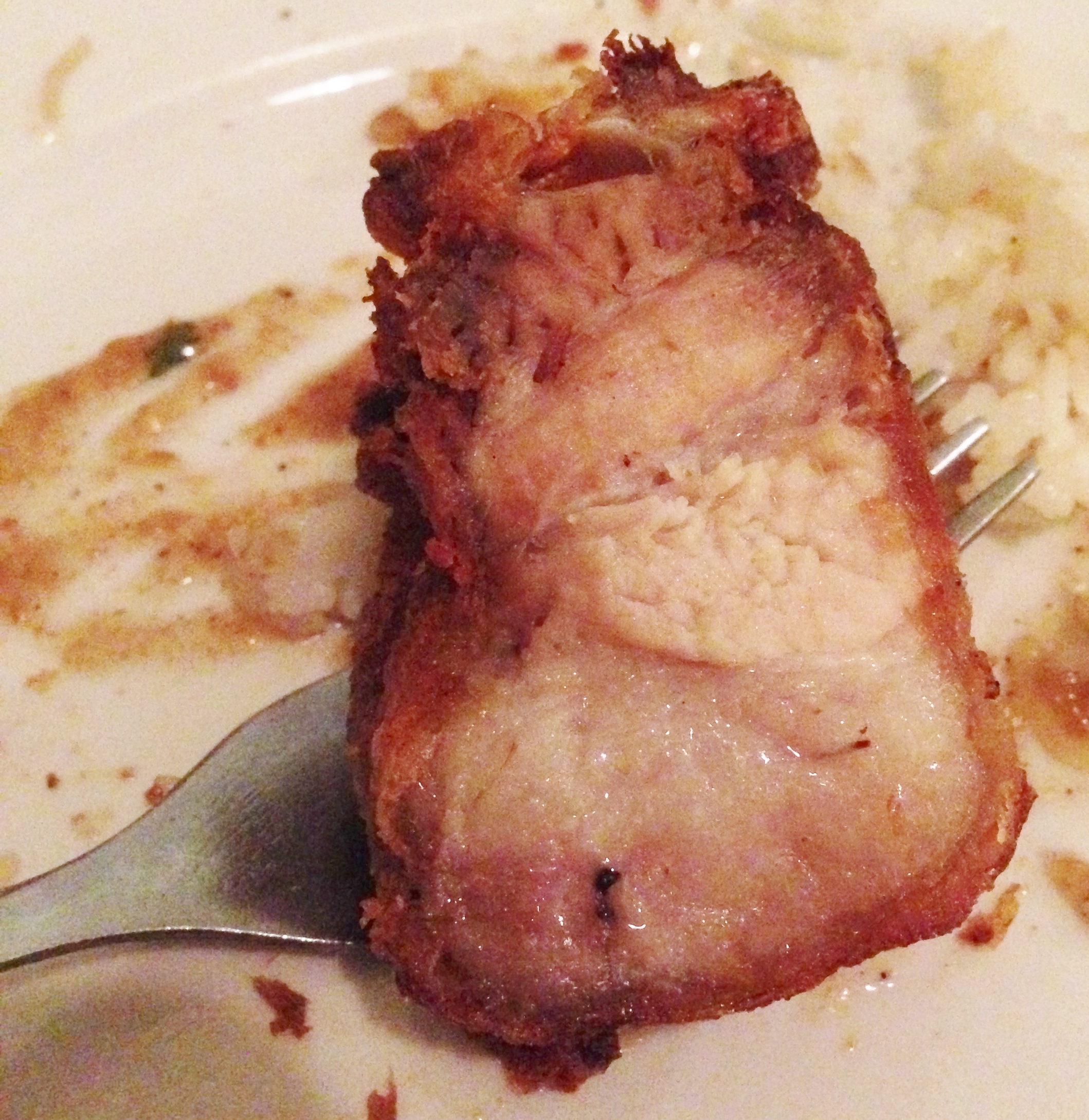
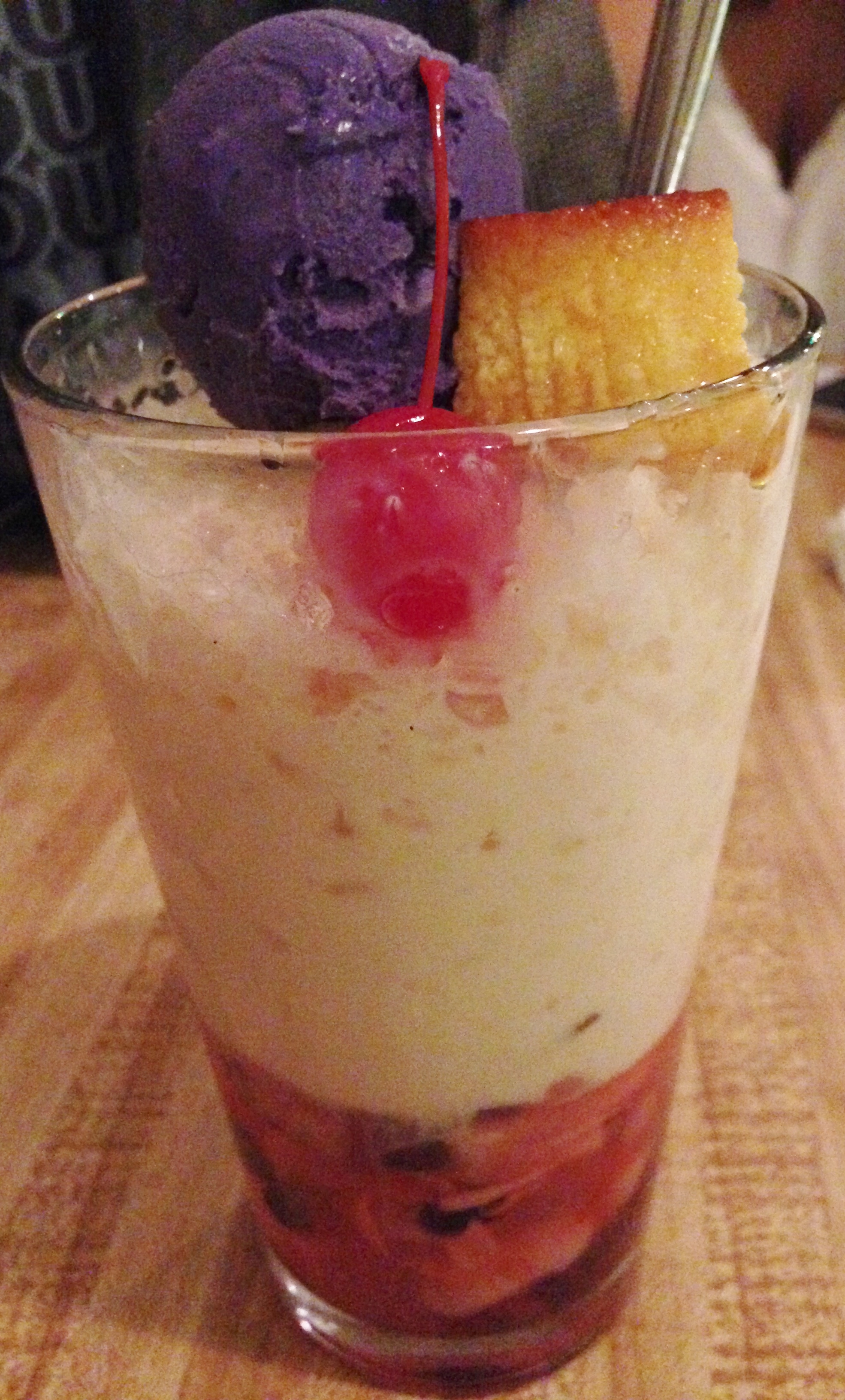
We’ve walked past this place all the time around dinnertime, and it has been packed without fail.  Naturally, when we went it was no different. IMG_6255 After waiting for a table to open in the funky fresh interior that was bumping an odd mix of rap and oldies out of the overhead speakers, we finally managed to take a seat amidst the madness of the waitstaff toward the back of the restaurant. IMG_6256 Looking over the menu, I could see the influences of a number of cultures including Chinese, Vietnamese, and Spanish.  IMG_6258IMG_6257That last one might come as a surprise to some, but Spain unified the roughly 7,000 islands into the country of the Philippines back in the 1600s.  The name of the country even comes from the name of the king of Spain at the time, Felipe (Phillip) II.  During Spanish colonial rule, the Spanish and Filipino cultures intermingled through marriage and food which still can be seen today in the names of the dishes offered at Isla Pilipina like pata, adobo, and guisado.  It’s a byob restaurant as well if you’re interested in knocking a few back with your meal.  We started the meal with a plate of 20 lumpia Shanghai ($5/ $3 for 10).  The name of this dish comes from the Hokkien (Southern Chinese) word lunpia, and they are clearly carry-overs from the mainland.IMG_6261  They’re basically deep fried mini-egg rolls that according to the menu are filled with pork, egg, jicama, green onions, carrots, soy sauce, and love.  I could especially taste the love above all of the other ingredients.  Seriously though, I quickly learned that there’s a reason why they sell them in a plate of 10 or 20 rolls.  The fried dough that envelops all of the fresh and savory meat and veggies is the best part.  These golden brown, crunchy, and flaky nuggets of heaven are paired with a semi-watery sweet and sour sauce that has some chili flakes floating in it to add a little pep to these pipsqueak poppers.  I highly recommend starting off with them and get a 20 roll plate because they go down way too easily especially if you’re sharing with others.  As for our main courses, Janice got the pancit bihon ($8) with a side of the garlic rice ($6) that apparently everyone on Yelp was raving about.  Pancit, like lumpia, comes from the Hokkien language.  It is derived from “pian i sit” which means “convenient food”.    I could see why since it was basically pan fried rice noodles with sauteed chicken and mixed vegetables.  A simple meal to be whipped together at a moment’s notice if necessary.IMG_6263 I helped myself to a couple forkfuls, and personally, I found it to be quite bland.  The ingredients were fresh and all that good stuff, but it didn’t really taste like much.  Even with the addition of lemon juice from the lemon slices that were provided on the side, I couldn’t really get into the pancit since I was more focusing on the citric tang than the actual noodles.  The same could be said about the garlic rice.  I don’t understand why everyone thought it the be all end all of side dishes. IMG_6269 True, nothing smells better than cooked garlic, but it basically was plain Jasmine rice that was superficially pan fried with garlic.  In essence, it was like long grain white rice with some garlic salt on it.  It’s better when combined with other food if anything, but it’s not rave worthy or even worth your time, in my opinion.  My entree, the lechon kawali ($11), was the opposite of these blander dishes.  This deep fried pork belly is a remnant of both Chinese and Spanish cuisine, including the Spanish name, and it was anything but a shrinking violet in this garden of eatin’.  IMG_6267It was a giant piece of pork that spanned my dinner plate, and it was even pre-cut which was piece de resistance!  Each piece of the lechon was a layer cake of different pork elements.  While the upper portions consisted more of the crunchy, salty pork skin and firm white meat, the lower echelons of the belly was where the money was. IMG_6272 I hit the jackpot every time when I reached the thin layer of fat that gave way to the most succulent and flavorful part of the pig.IMG_6274  Mixing these pieces with the garlic rice was a tasty combo, but the Filipino gravy was a bit of a mystery to me.  While part of it tasted like a sweet steak sauce, it had this hint of musty funk that I couldn’t quite put my finger on.  It didn’t ruin the meal at all though.  I was definitely more satisfied with my entree than Janice’s.  If you like bacon or any type of pork product, I highly recommend the lechon, and I’ve heard good things about their pata as well.  Even though it was a lot of food for a reasonable amount of money, I still wanted to try one of the most iconic Filipino desserts:  halo halo ($6).  Meaning “mix-mix” in Tagalog, not me stuttering the name of a Beyonce song, this classic and wildly popular dessert has become quite famous outside of the Philippines thanks to Filipino migration to the USA to typical hubs like Los Angeles and Chicago.  Even Anthony Bourdain has succumbed to its wildly colorful grasp.  It’s a ridiculous melange of crushed ice, red bean paste, white beans, lychee jelly, coconut shavings, coconut milk, and it was all topped off with a scoop of taro root ice cream, a slice of flan, and a cherry.  Nothing too complicated.IMG_6276 Now, if you’ve read any of my other blogs, you know that my relationship with red bean paste is one of revulsion almost on par with my dislike of pasta, so I naturally approached this dessert with a wariness similar to an unexploded ordinance, just ready to blow up in my mouth even though I’m a veteran of trying the gross red bean paste.  Yet, it also had one of my favorite Asian dessert ingredients as well:  taro.  This purple root vegetable may look like a sweet potato, but it is the bomb (a good one) when it comes to taste.  I normally get it in bubble tea, but the ice cream on top of the halo halo tasted just the same.  I don’t know what they do to this tuber, but it literally tastes like vanilla cookies.  It’s like making potatoes taste like chocolate bars.  Mind.  Blown.  Plus, the addition of the Spanish flan, that was quickly picked up by my girlfriend, was a nice touch.  After picking at the parts I knew I liked, I dove into it spoon first. IMG_6278 Luckily, all of the other sweet elements like the coconut and lychee covered up the red bean flavor, and it was like a super diverse slushy.  I ended up mixing the taro ice cream in with the rest of the ingredients, and it was like a purple vanilla milk shake with ice chunks and the occasional sweet jelly piece.  I would definitely go for another halo-halo, but I couldn’t finish it all because it was pretty big as well for the price.
So if you’re tired of the same old sushi or Korean barbecue and/or want a lot of food for little money, set sail for Isla Pilipina in Lincoln Square!
Click to add a blog post for Isla Pilipina on Zomato

Good But Not Gr8

Posted on

Welcome to Mastication Monologues!  If this is your first time here, prepare to be amazed with some of the most unique and delicious food adventures you’ve ever seen.  If you’re coming back, then thank you so much for your support and your views.  Remember to always tell your friends about my reviews as well.  So, today’s post deals with a cuisine that I never really dabbled seriously in until recently:  Vietnamese food.  For a majority of my life, I ate mostly Chinese or Japanese food, but then I started dating my lovely gf Janice who just so happened to live next to Little Vietnam in Chicago.  Therefore, the amount of Vietnamese restaurants I have tried now have increased greatly, and Pho 888 is one of them.

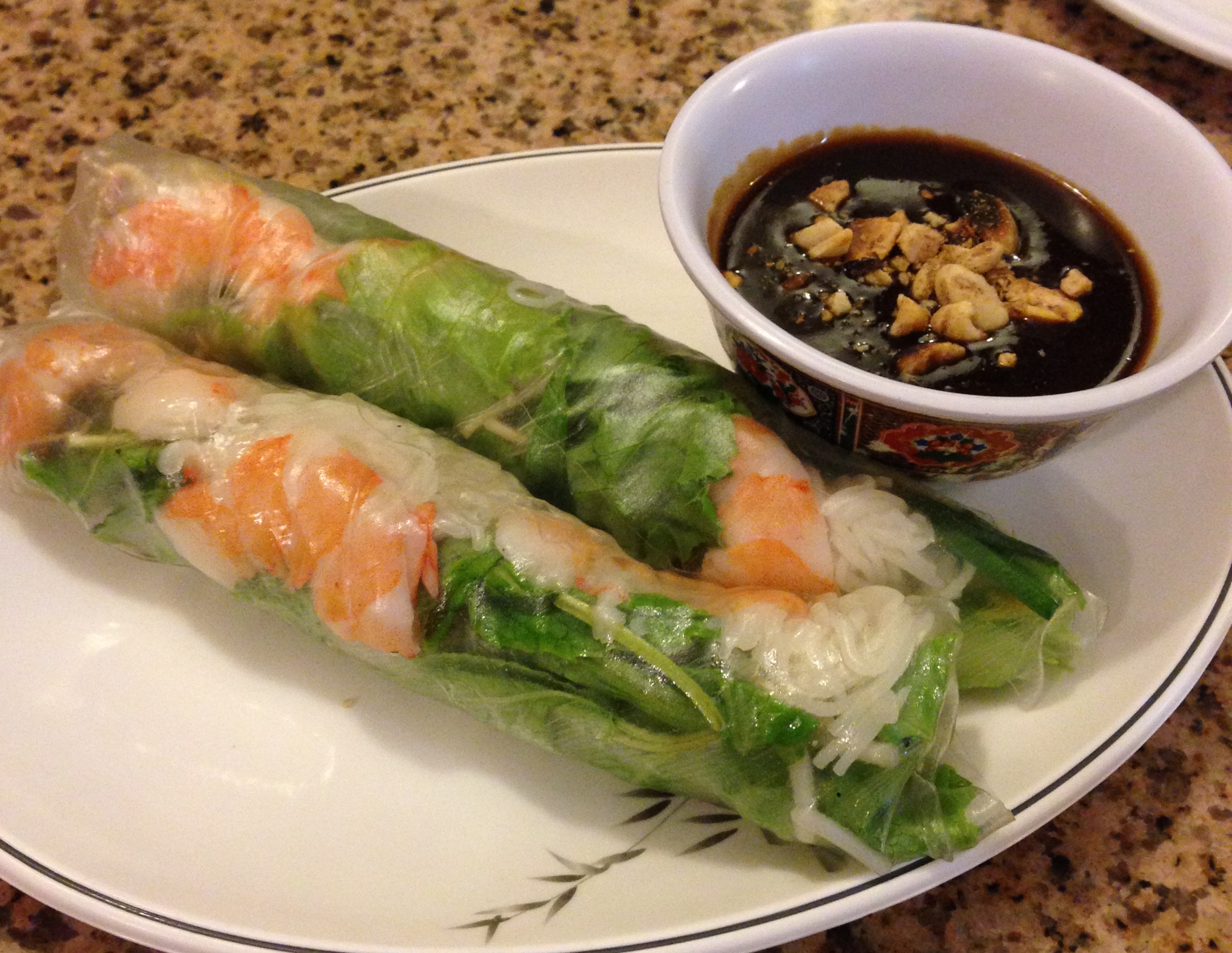
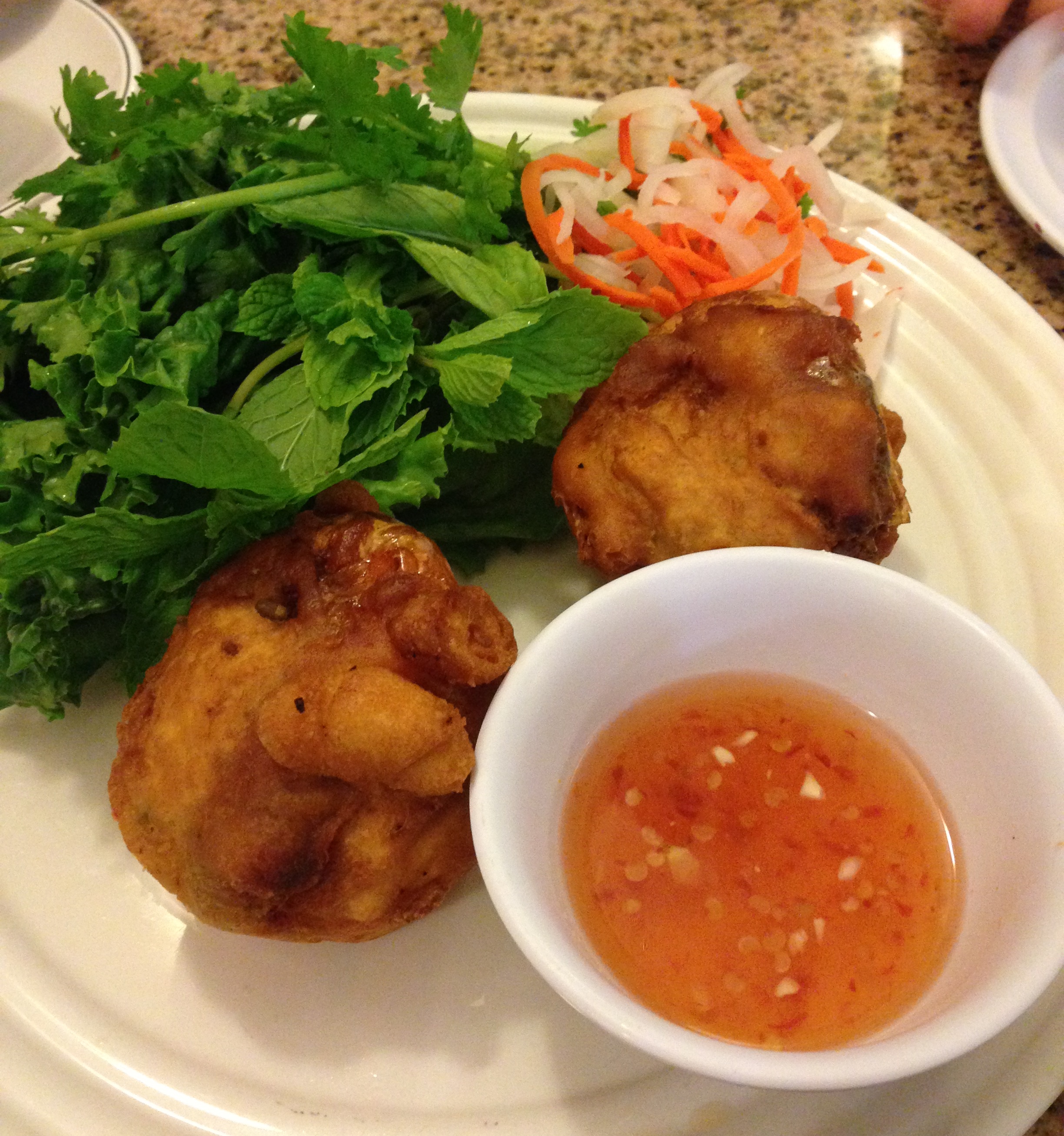
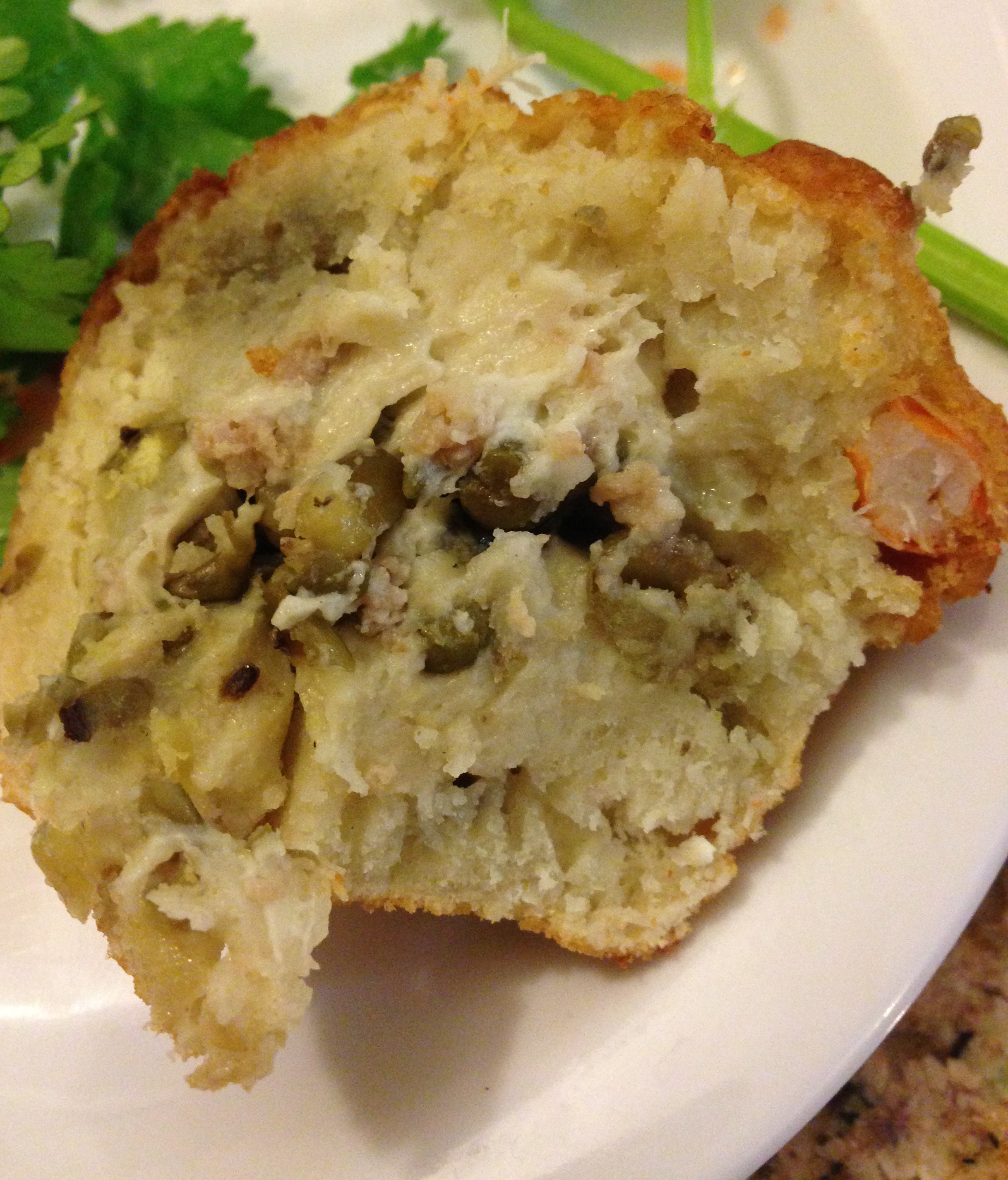
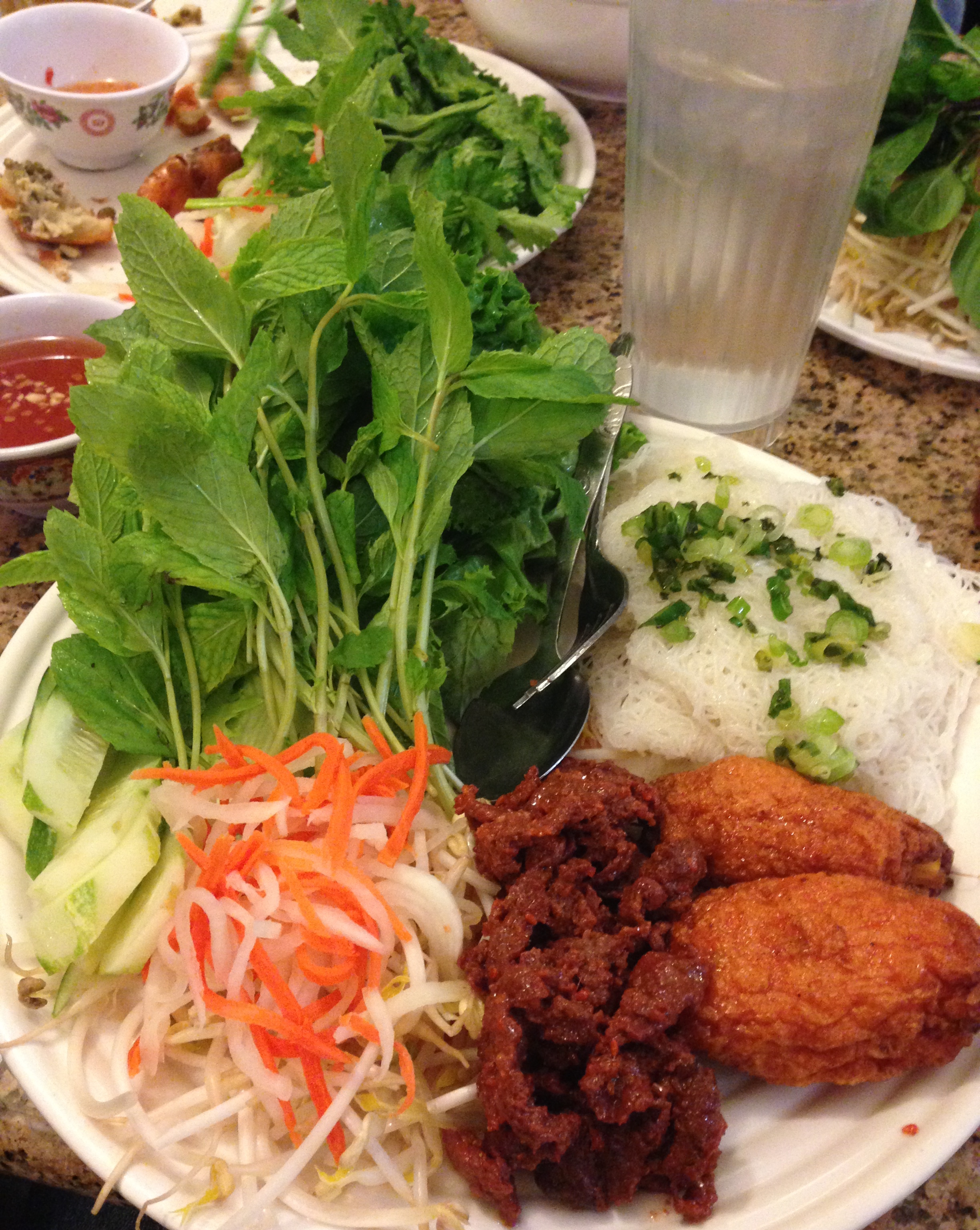
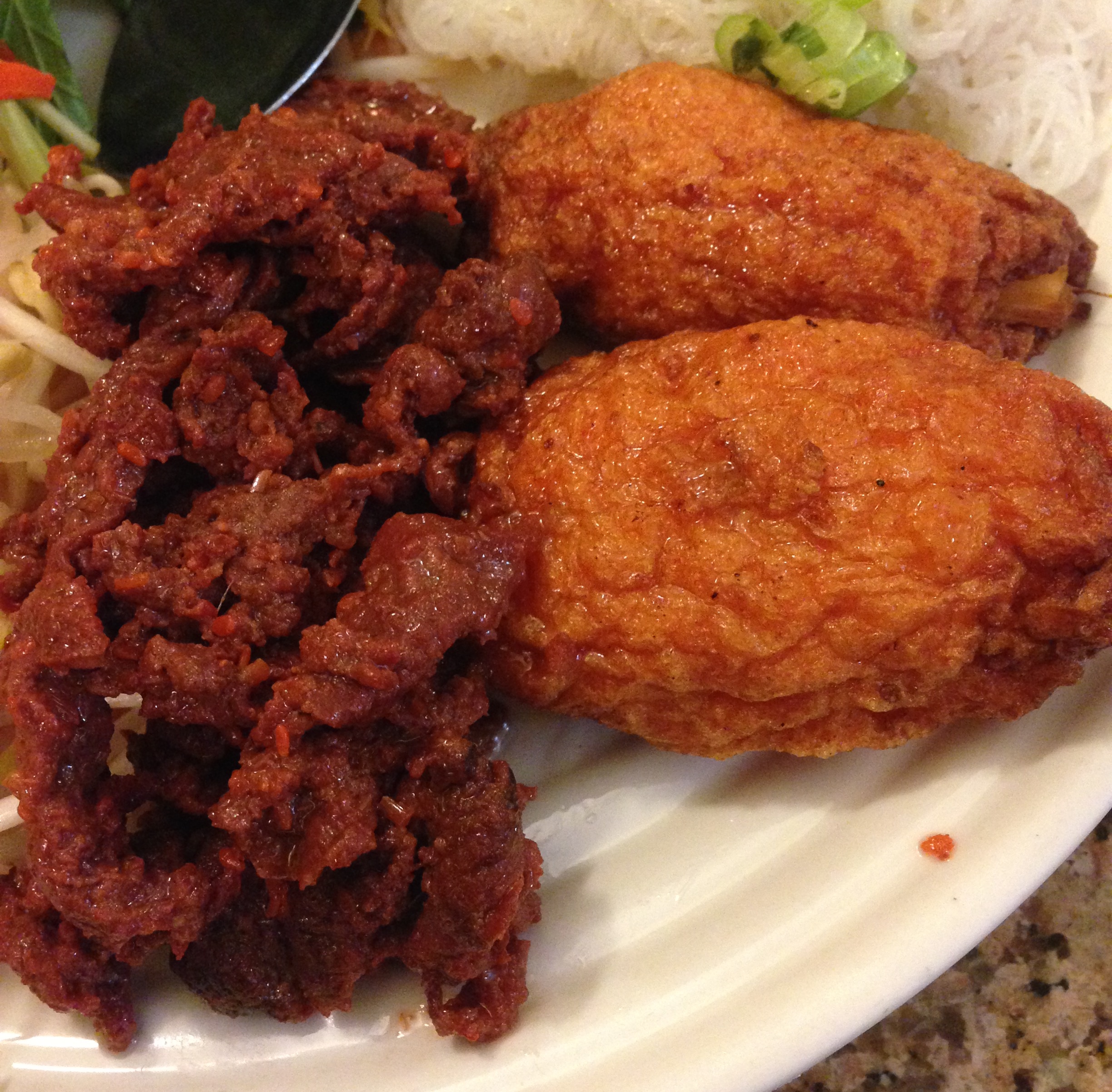
If you walk down Argyle street, you’ll be beckoned by every storefront since there is a plethora of Vietnamese eateries and Chinese bakeries like the iconic Tank Noodle shop or Bale Sandwiches, but I wanted to try Pho 888 since I had heard good things about it.  Plus, it didn’t seem as Hollywood as the more popular eateries.IMG_6026 Janice, Michael, and I hit this place up back in December a.k.a. life in the Ice Age.  So, they both wanted to get the quintessential Vietnamese dish, pho, but I was in the mood for something different.  Inside, the place was super simply furnished with plenty of chili sauces and seasonings on the table.  It’s literally a dining room and a kitchen.IMG_4917 The menu was huge like any good Asian restaurant, and the prices were pretty cheap (range of 4-12 bucks per item). IMG_4916 After a bit of deliberation, we made our choices and waited for the food to come out.  The first dish we sampled were the gỏi cuốn or “salad rolls” in English.  They consisted of bún (vermicelli noodles), cooked shrimp, herbs, greens, and it was all wrapped up in bánh tráng (rice paper). IMG_4918 These rolls were served at room temperature and were a refreshing alternative to fried spring rolls that sometimes can be too greasy.  The tương xào (hoisin sauce) that was served on the side had peanut pieces in it, but all of it put together was delectable.  The sticky rice paper was strong enough to hold all of the ingredients within its insanely thin cocoon.  Everything from the shrimp to the fresh cilantro and lemongrass made this dish really pop, and dipping the rolls in the sweet hoisin sauce blended well with the herbal notes from the vegetables.  As for the vermicelli, it provided a much needed body to the rolls and a solid foundation for the house party that was happening in my mouth.  The other appetizer we got, the fried shrimp balls, were quite the opposite experience. IMG_4920 While they looked scrumptious on the outside with their golden brown exteriors with an accompaniment of greens, pickled radish, and some sweet and sour dipping sauce on the side, what we found inside was horrifyingly gross.  IMG_4922I don’t know what was inside them, but it was like eating pre-chewed eggs mixed with seafood with the consistency of cream cheese.  I’ll just leave you with that image.   On the plus side, my main course came out soon thereafter I tasted one of these horrid appetizers.  I got the chả tôm (shrimp cake) and pork combo that was paired with more noodles, greens, pickled radish and carrot salad, fresh cucumbers, rice paper, and a bowl of warm water to make my own gỏi cuốn.  IMG_4923I tried a bit of the shrimp cake, but I really didn’t like it.  It was more fishy tasting than the fresh shrimp from the salad rolls we ate earlier in the meal, and it just seemed oddly artificial with its orange, spongy, Nerf-like interior yet wrinkled, glistening exterior.

Dr. Jekyll and Mr. Hyde on one plate

Dr. Jekyll and Mr. Hyde on one plate


That cake ain't right

That cake ain’t right

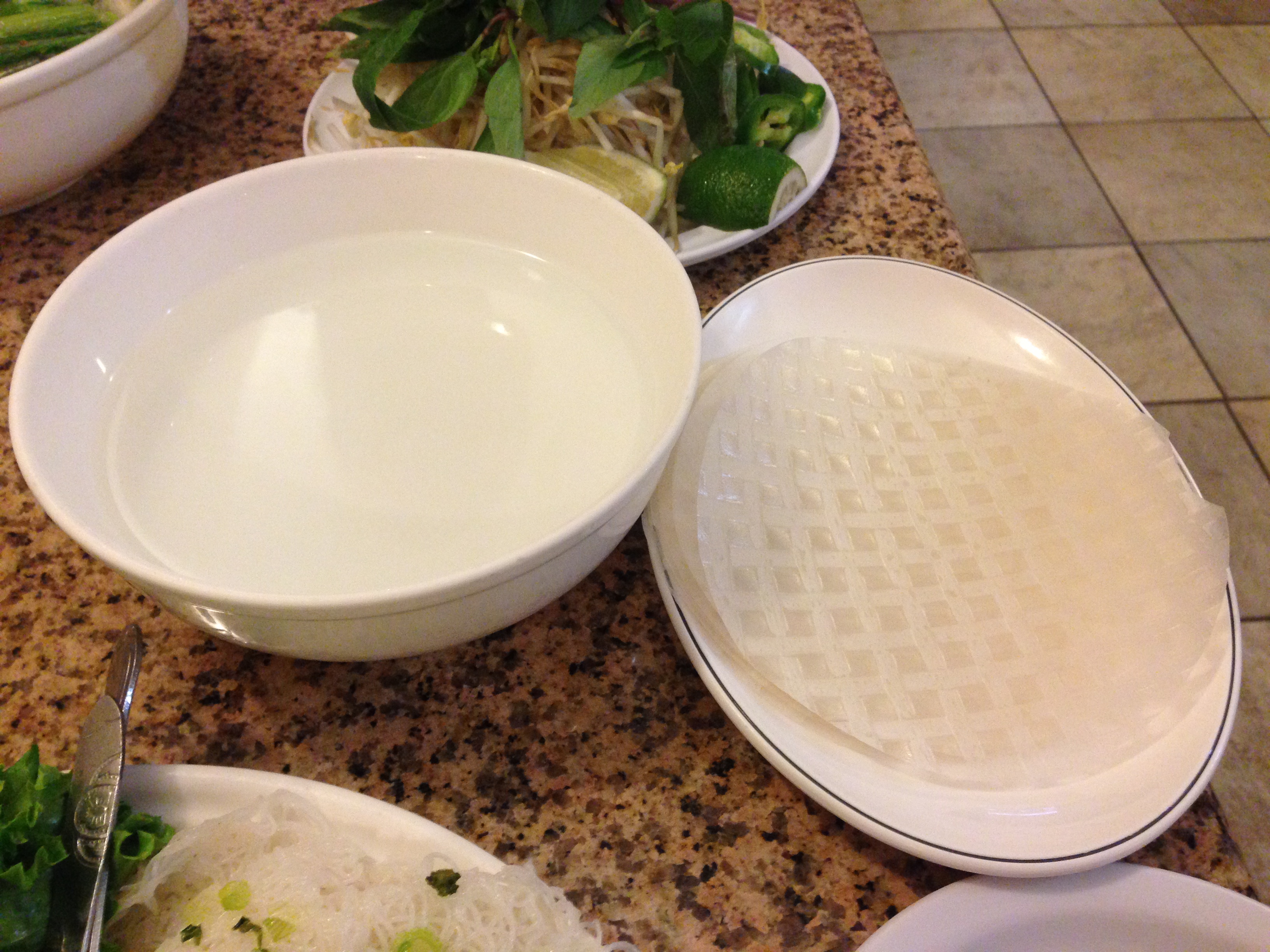
So, I focused more on eating the seasoned pork that was stir fried in a chili sauce that had plenty of personality to make up for the awkward shrimp cakes on my plate.  So, I set to making my first Vietnamese spring roll.  First, I had to take one of the rice paper disks and submerge it in the warm water.IMG_4924  Once wet, I placed it on my plate, and I placed my ingredients in the middle of the nearly invisible Vietnamese version of a tortilla.IMG_4927  Then came the tricky part.  Rolling this rice paper up into a presentable roll was way more difficult than making a taco since the edges of the rice paper were incredibly sticky which meant that if you didn’t position your toppings right while rolling, then you risked a lopsided roll that will explode all over your hands/clothes when you bite into it.  After some trial and error, I finally got the hang of it, and it was an interactive meal that I really enjoyed.  As for Michael’s and Janice’s pho, I found it to be just below Tank Noodle’s version since it seemed to be a bit more on the salty side, but it still was delicious and kept us warm against the frigid conditions outside.

So if you’re looking for a real authentic Vietnamese restaurant in Chicago that may not be the best but does have simple and fresh food for reasonable prices, check out Pho 888.
Pho 888 on Urbanspoon

One In A Milion

Posted on

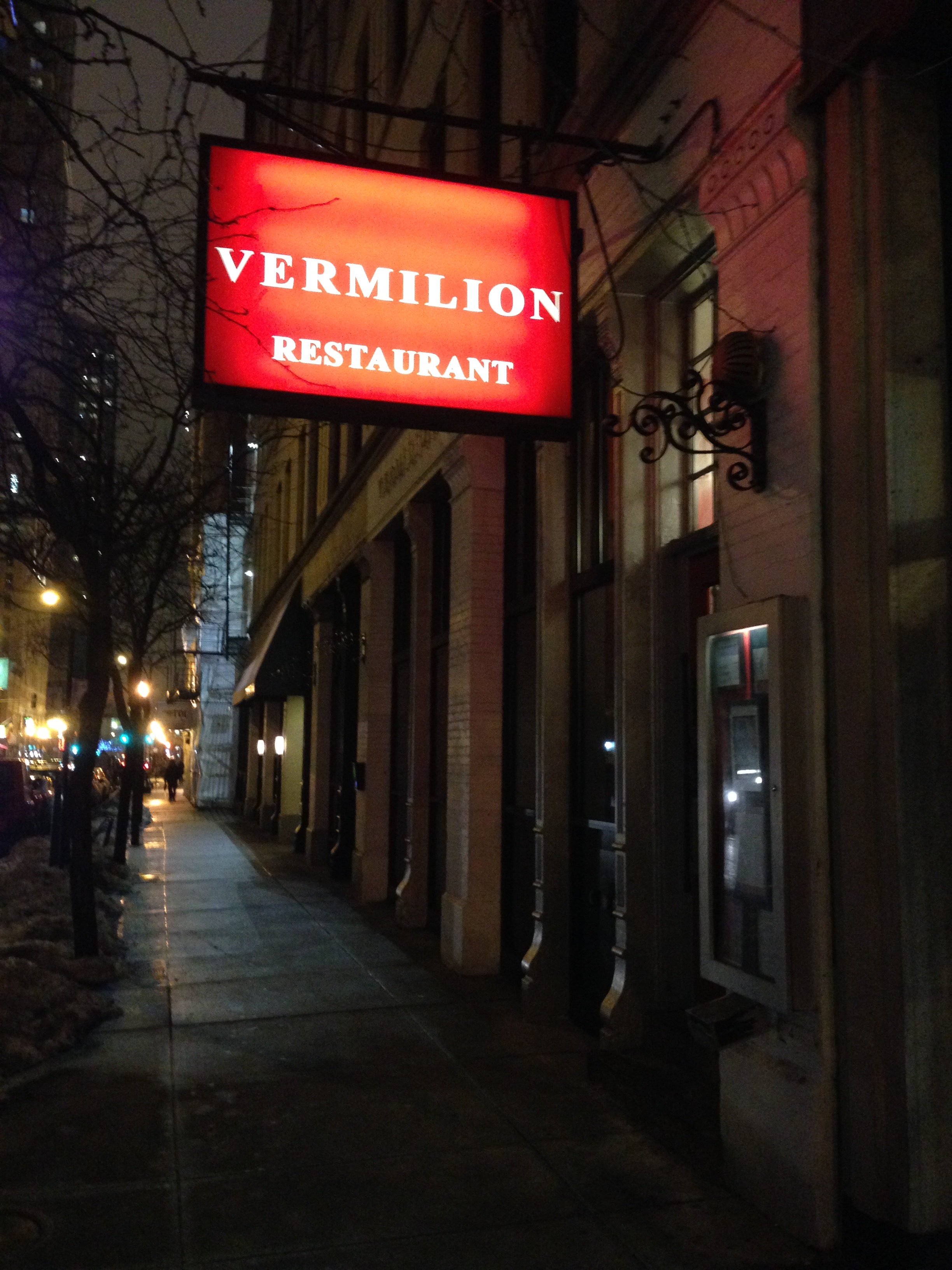
Hola and Namaste to a new Mastication Monologues post!  I got to apologize for the lack of consistent posts due to a new full time job that has been quite time consuming, but I promise that today’s entry will be all killer and no filler in the form of a great Latin fusion eatery in Chicago known as Vermilion.

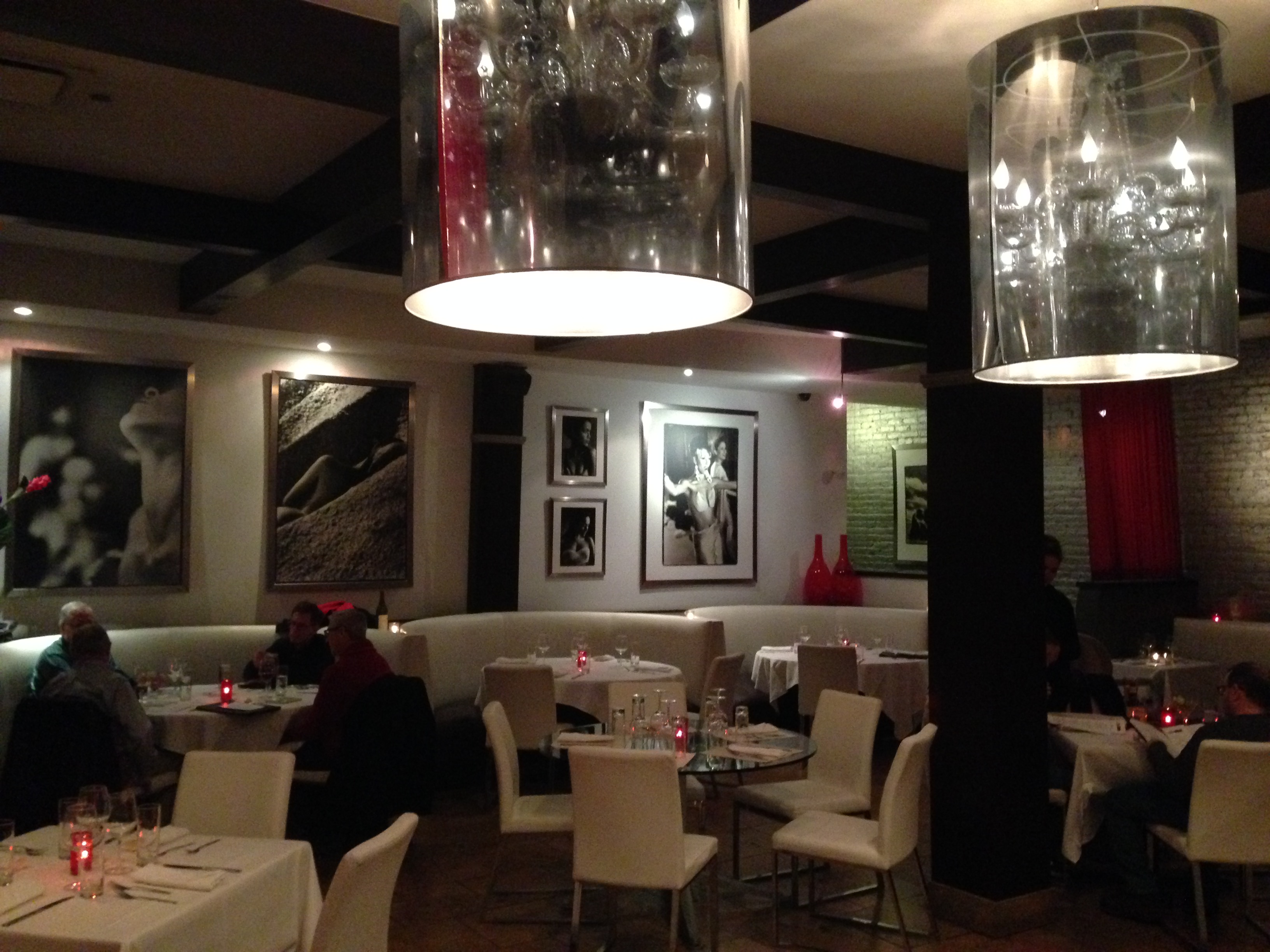
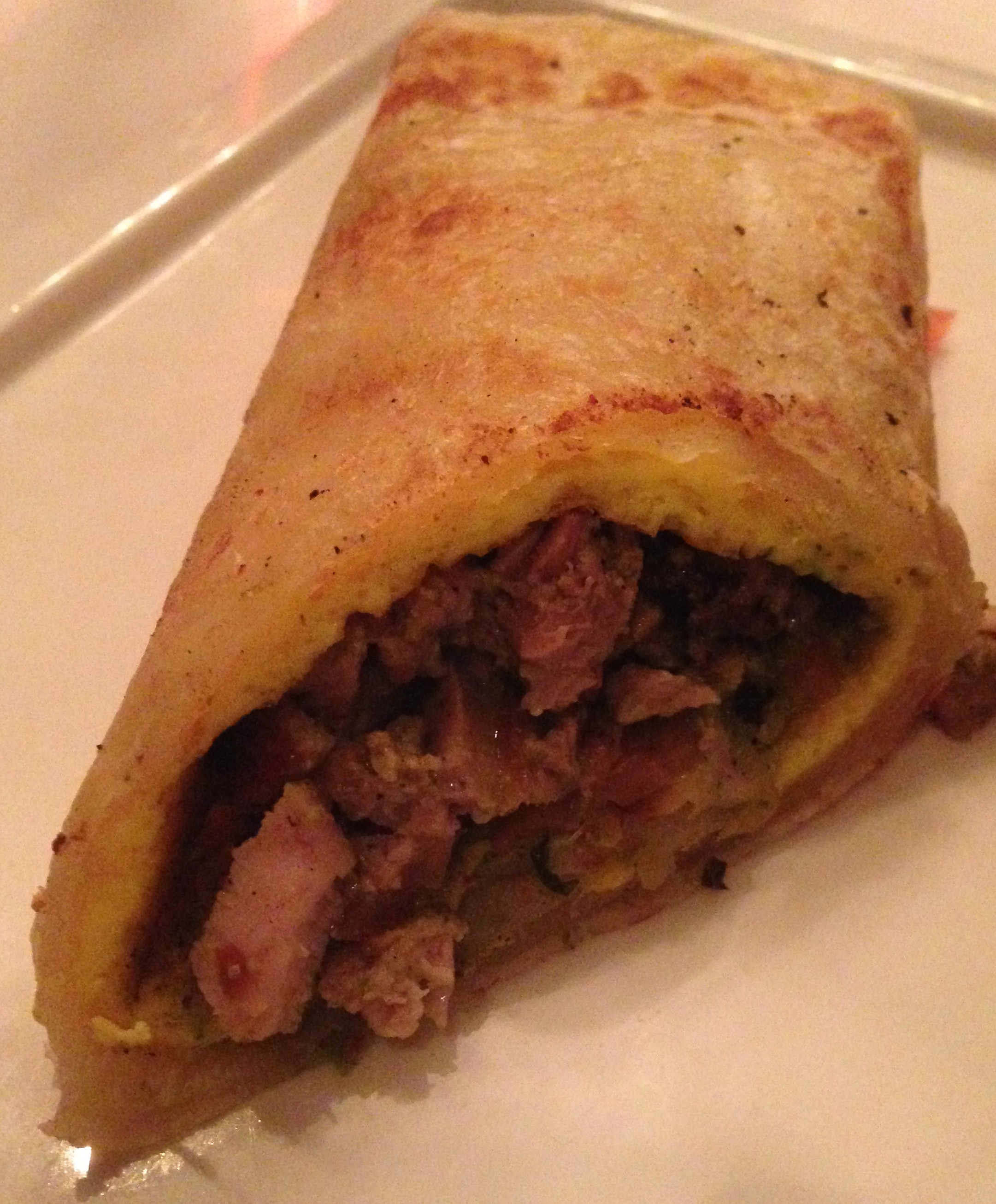
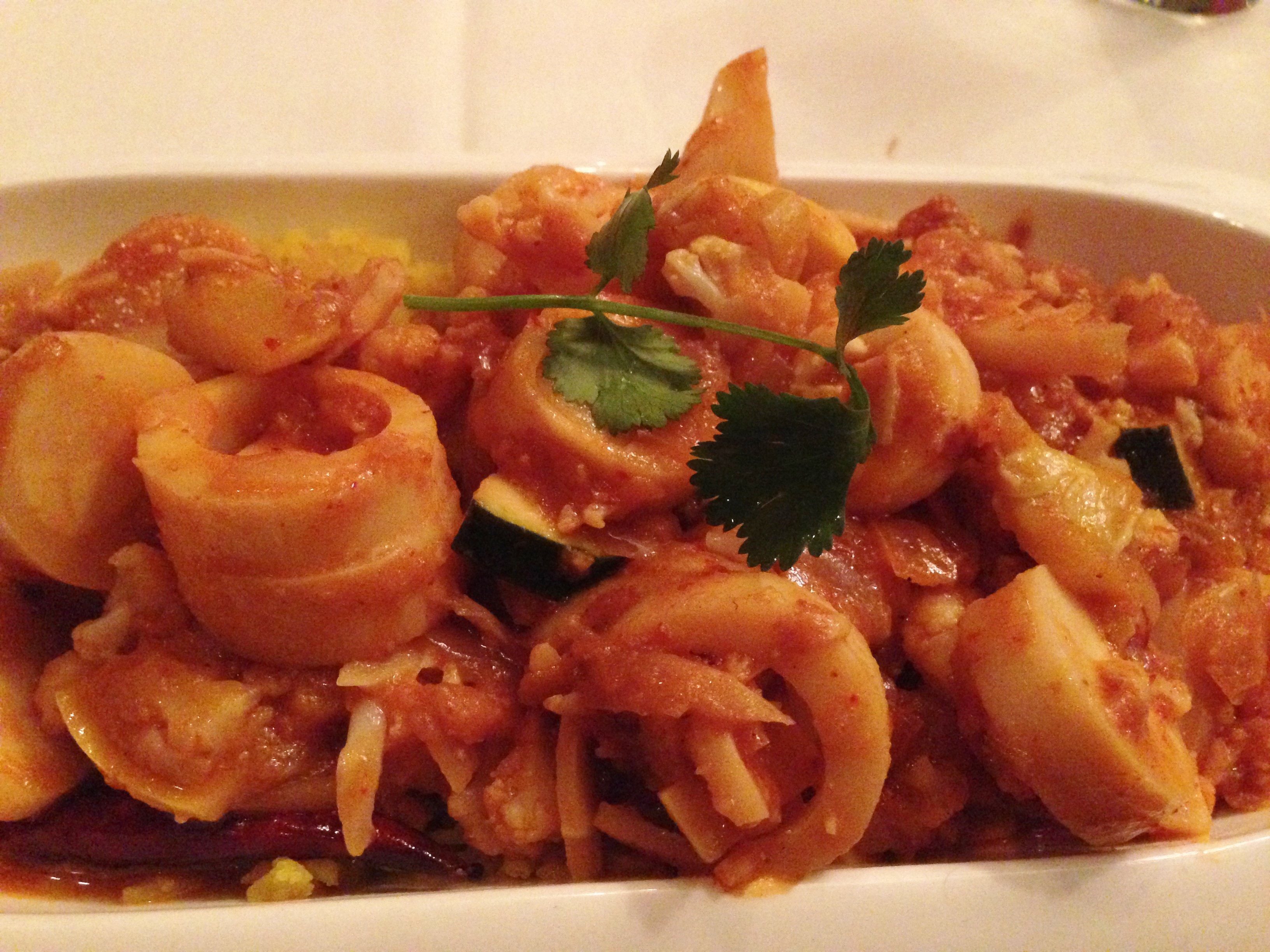
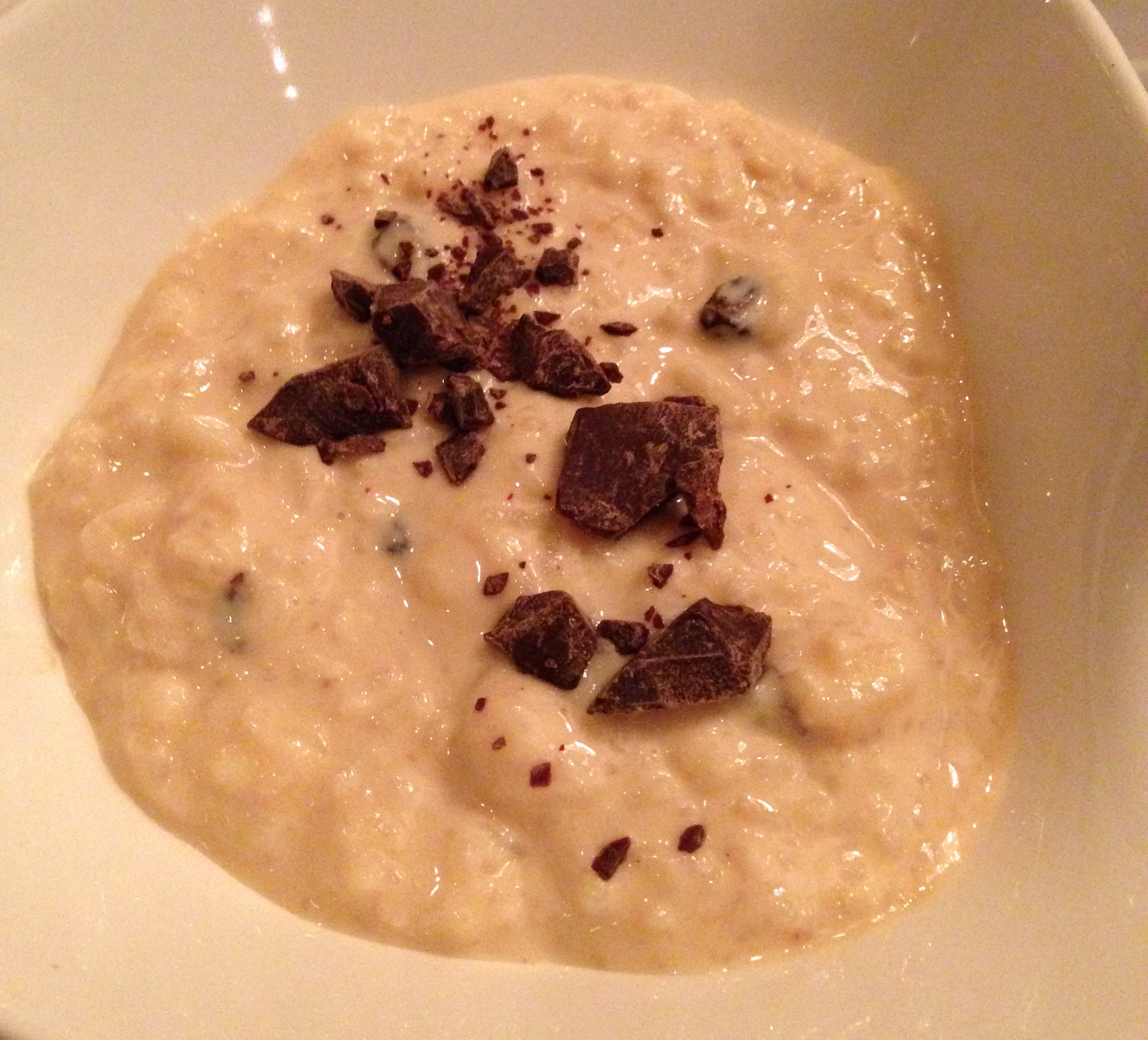
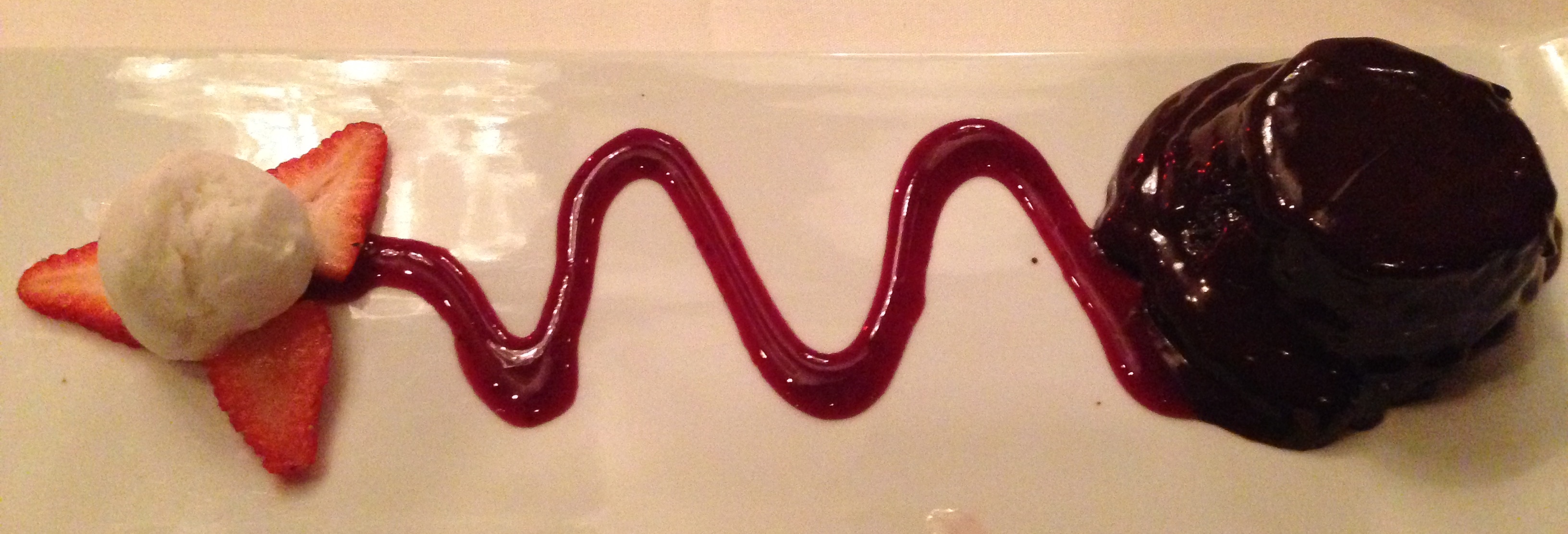
Fusion in food is as common as the intermingling of cultures.  For example, America is a nation of immigrants, and our food reflects that concept of culinary cross-pollination.  Even traditional barbecue draws elements from Spanish, African, and Native American cooking traditions.  However, Vermilion focuses on a menu based on mixing Indian and Latin American cuisine.  What that means is that the super savory and aromatic Indian dishes get a spicy south of the border kick many are familiar with in Mexican cooking, but that is only part of the picture.  Janice and I went for our second to last reservation during Restaurant Week, and it was on a Sunday night after a delicious lunch at Demera.IMG_5908  The interior was super hip and sleek with a black, red, and white motif.IMG_5909IMG_5910  We were quickly seated in the dining room as a blend of Spanish pop and Bollywood hits bounced out of the speakers overhead.  I would also recommend dressing up a bit since Vermilion is a bit more upscale than most Latin and Indian restaurants.  We both went with the $33 restaurant week dinner which consisted of a standard three course meal with an appetizer, entree, and dessert.  However, our waiter surprised us with a free, little taster plate with a chef’s creation.IMG_5912  These petite squares that we were face to face with was a fried plantain chip topped with mango pico de gallo and resting on a sweet, brown tamarind chutney.IMG_5914  It was a mini t-bomb (taste bomb) of flavor where the sweet backbone of the canape was supported by the chutney, mango, and plantain, but was then tempered by the sour lime juice and semi-savory aftertaste of the fried plantain.  As for the appetizer stage of our meal, I went with a Bombay frankie and Janice got the pumpkin squash curry leaf soup.  The frankie was great. IMG_5915 It is one of India’s favorite street food snacks, and I can see why. IMG_5916 It consisted of a fried flatbread known as a roti that was then filled with chunks of chicken coated in Indian spices like cardamom and curry, but the best part was the shot glass of mint curry on the side.  It wasn’t toothpaste minty, but it gave the spicy sauce a cool aftertaste.  Janice’s squash soup was just as delicious. IMG_5917 It came with an Indian cracker on the side known as a pappad or papadum depending on where you’re at in India.  The soup was extremely creamy and rich with a pepper infused oil that gave each curry-filled spoonful a mild kick.  These bold flavors warmed us up for our entrees that came soon thereafter.  I got the Brazilian feijoada which I was pretty excited to try since it is considered to be the national dish of the South American nation.  Contrary to popular preparation which utilizes black beans and a dark, purplish-brown broth which is a mix of the aforementioned beans and various meats stewing in the dish, Vermilion’s take on it was a mix of Indian and Latin flavors.  First, the color of the stew was a vibrant red that contained a mound of white rice and a rice cracker in the middle that acted like a nacho with taco dip.IMG_5920  As for the rice, it was an element more in touch with its Brazilian roots, but I didn’t see any traditional farofa (manioc flour roasted with butter and bacon) on the side which made me quite sad.  As for the contents of the actual dish, there were red beans (supposedly black beans according to the menu), large chunks of succulent chicken, and hunks of spicy Portuguese chorizo sausage.  Not only was the meat spicy, but the actual stew had an Indian vindaloo flavor to it which means that it was super spicy with a smoky background.  This fiery quality was also a sign of Indian/Latin fusion since a typical Brazilian feijoada isn’t spicy.  Even though it wasn’t the most traditional dish, it was innovative, warm, and hearty.  Perfect for a cold day like it was when we went.  Janice didn’t go down the super spicy route and got the heart of palm Valencia paella.IMG_5922  It consisted of large rings of the pulp found in the middle of palm trees, curried Indian rice, and a bit of orange zest.  IMG_5923Neither of us found it to be as interesting as the feijoada since it just tasted like curry.  However, our meal got more interesting in the wrong way since we found a hair in Janice’s paella.  Thankfully, they replaced it for free with a dish of her choice, so she got the feijoada as well.  It got even better when our desserts came.  I got the mango cardamom flan which was out of this world.IMG_5924  The flan had the perfect firm yet gooey texture and was infused with cardamom.  It was soaking in a mango escabeche (a word originally from the Persian “al-sikbaj” meaning a meat dish soaking in a sweet and sour sauce) or syrup which imparted an incredibly but not overwhelming sweetness to a mostly neutral tasting dessert.  The coconut foam on top tied this entire dish together perfectly since it was both light and sweet.  If you wanted to cleanse your palate after all that sweet flan and heavenly foam, you could follow the trail of  pitted, juicy lychees covering mini mounds of cranberries to the end of the plate.  I jumped from one plate to another to get a taste of Janice’s date chocolate rice pudding that had a little bit of cinnamon and clove to add a savory yin to the semi-sweet yang with the date chocolate. IMG_5927 I never was a big fan of rice pudding though, so it didn’t capture my imagination as much as our final dessert.  Since Janice didn’t make a big deal about finding the hair in her food, our waiter brought out the most popular dessert to our table for free.IMG_5928  It was a flourless chocolate lava cake that was covered in a subtly spicy dark chocolate mole sauce…words can’t describe how satisfying and incredibly rich this dessert was.  It was further embellished with an undulating raspberry syrup trail that led to a creamy, small ball of vanilla bean and coconut ice cream that rested on some fresh sliced strawberries.  These desserts were by far the best part of the entire meal, and the service was superb.

So, even though things got a little hairy midway through the dinner, Vermilion managed to win us over with its creative food (especially the desserts!) and great service.  I highly recommend this restaurant if you are tired of the same old ethnic eateries.
Vermilion on Urbanspoon

Loco For The Yoko

Posted on

Ah sushi.  Just one facet of Japanese cuisine that has taken the world by storm.  Most people think of this food as being super Japanese and simply means “raw fish”.  On the contrary, sushi was originally invented in Southeast Asia, and sushi actually refers to the vinegar laden rice that upholds the meal.  It wasn’t until the early 1800s in Japan when the sushi and sashimi (raw fish slices) were combined as we consume it now.  It was referred to as Edo (Tokyo’s old name) style sushi.  While most people focus on the quality of the fish, in reality the sushi rice is considered of greater importance to the overall dining experience.  In Japan, a sushi chef can’t begin to serve fish until he has mastered the art of preparing the perfect batch of sushi rice.  If you want a great movie to see the training and art of sushi at its finest and most old-school, check out Jiro Dreams of Sushi.  While I’ve experienced sushi in Tokyo, I managed to find a little slice of the homeland just around the corner from my house in Westmont, IL in the form of Yokohama Japanese Restaurant.

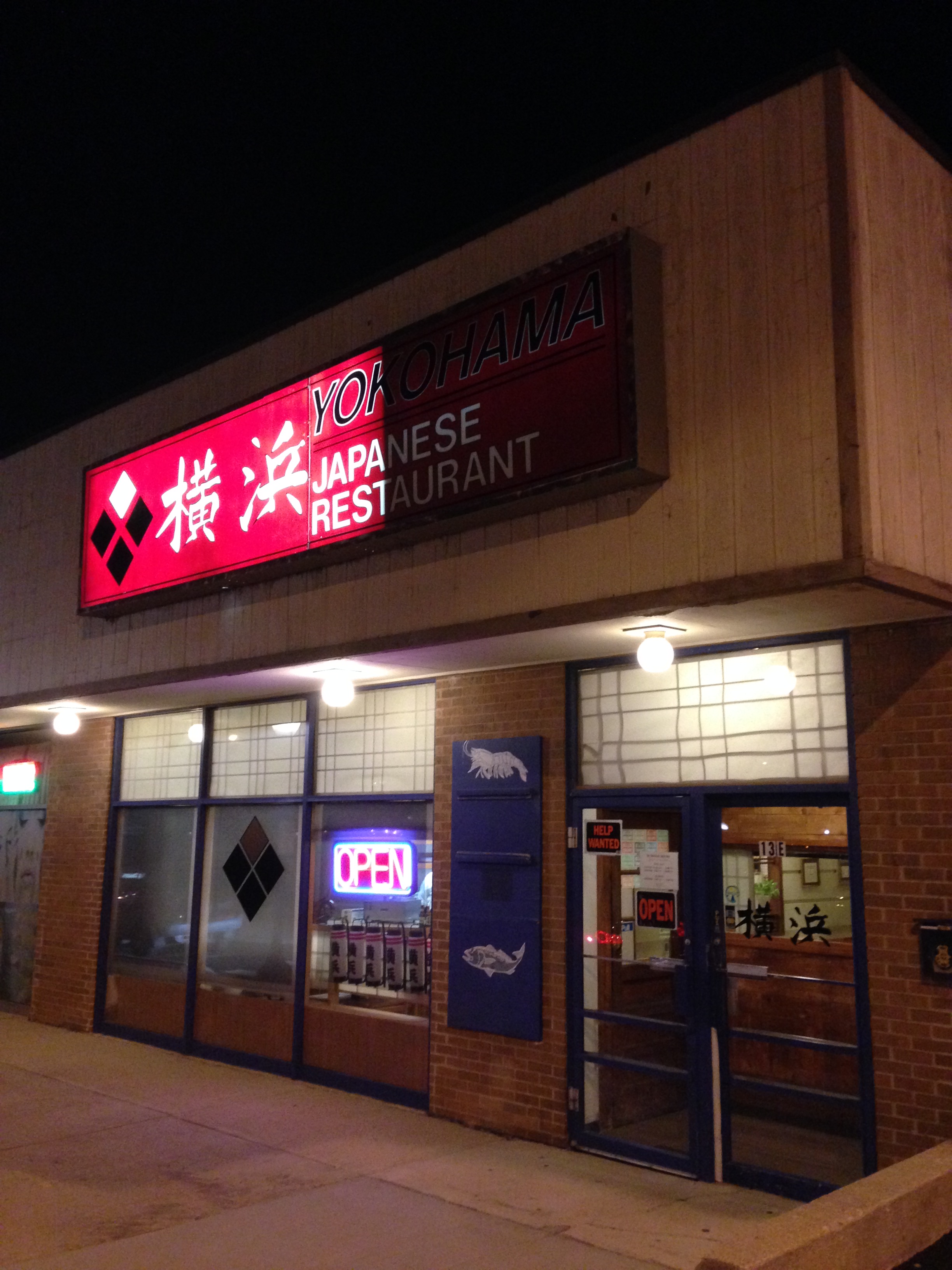
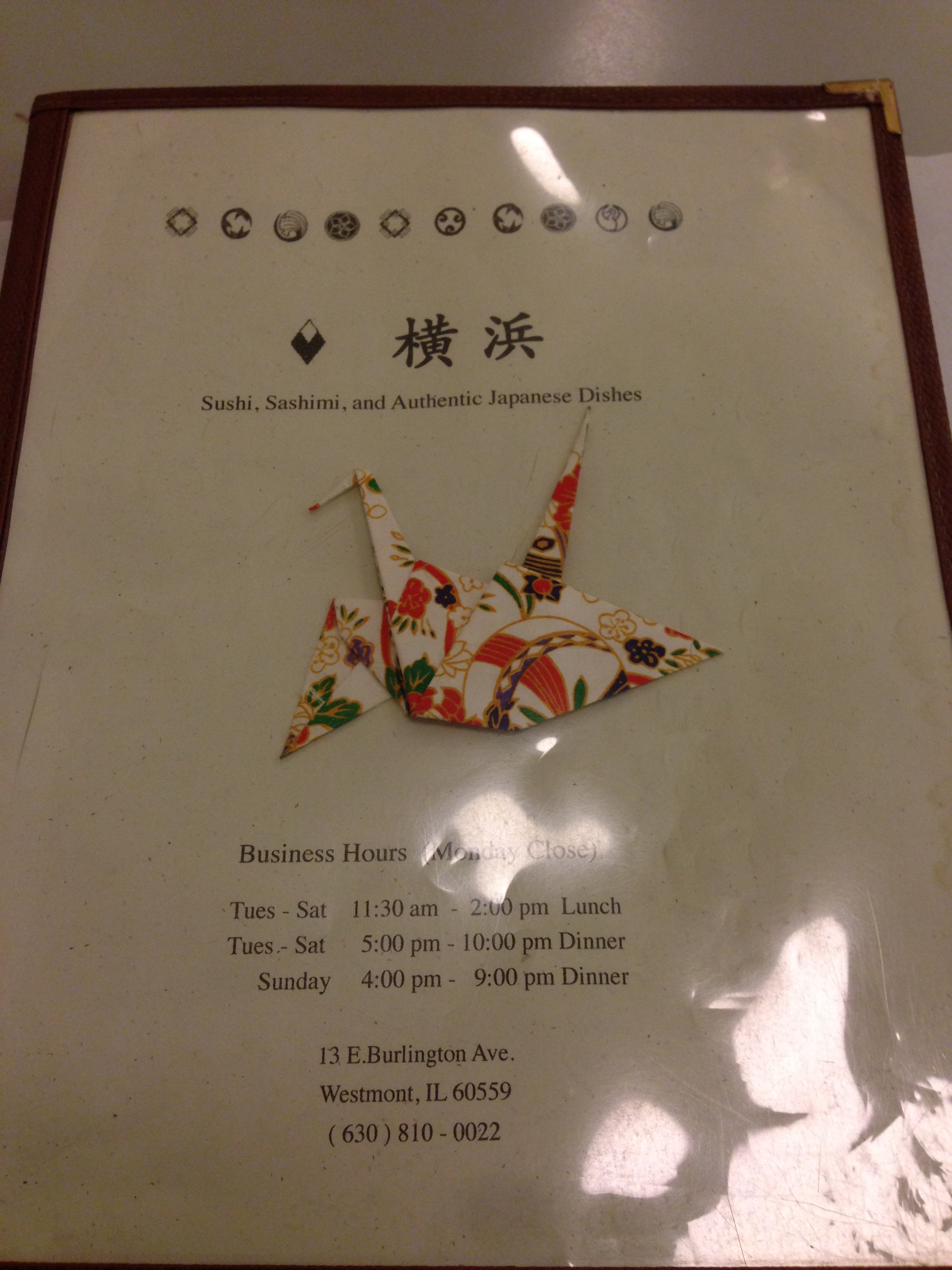
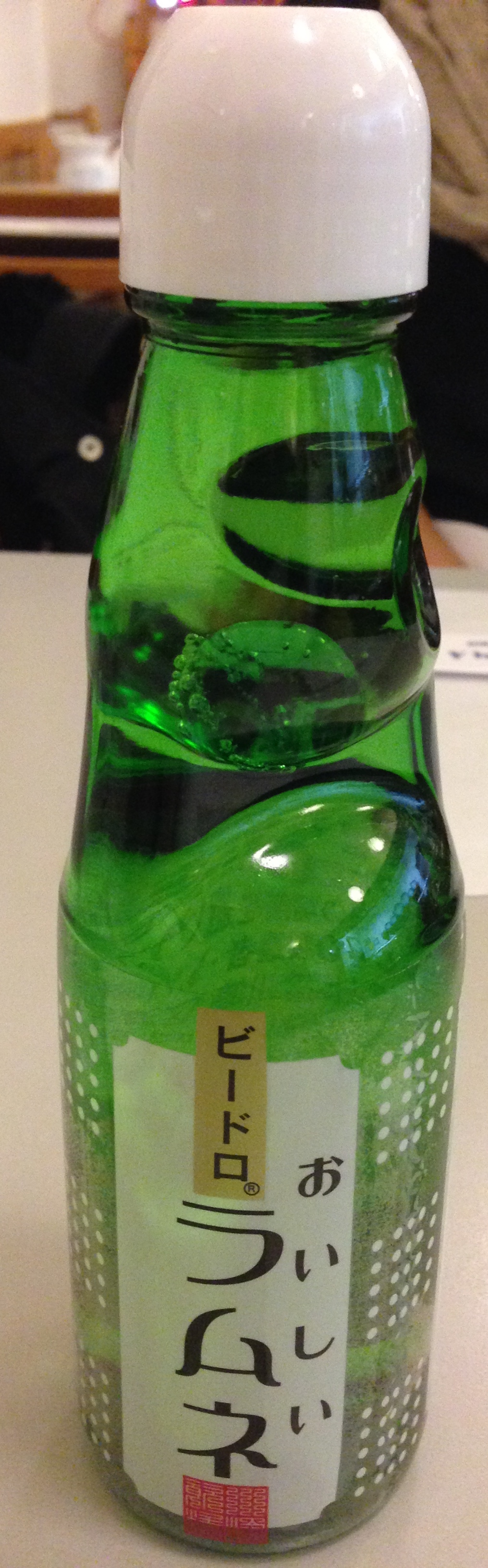
Now it may not be in the most glamorous place in the world: in a small strip mall next to train tracks and a water silo, but as I’ve learned throughout my travels around the world, never judge a restaurant by its appearance (however hidden, strange, or non-descript it might be).  IMG_4858When we walked through the door, we were actually the only people in the restaurant, and the stoic sushi chef who was meticulously scrubbing down his workstation greeted us with a konichiwa! IMG_4872 We were quickly seated and had our menus placed in front of us.  IMG_4859Looking over the menu, they had a plethora of sushi options that ranged from individual pieces (~$1.50~4 per piece) to combination platters of sushi and sashimi (~$20-25).  We naturally started with drinks, and I wasn’t sure what to get until I saw something called Ramune under the sodas.  So when it came to my table, Janice knew what it was, but I was greatly confused looking at this uniquely shaped bottle.  IMG_4862Our waitress popped the top of the bottle with something that looked like a metal rod, and suddenly a glass marble of sorts dropped into the middle of the neck yet somehow didn’t fall to the bottom. IMG_4865 It turns out that this bottle was introduced to Japan by a Scottish chemist who was selling lemonade soda which was subsequently promoted by local papers as a preventative for cholera.  When I tried to drink it, it was really hard to imbibe the lemon-lime soda I could liken to a more subtle Sprite in nature.  I had to somehow use my tongue to push it up while allowing enough space for the soda to flow.  I eventually was like a sugar crazed rabbit flicking my tongue on the end of one of those water bottles that attach on the side with the metal spigot.  Long story short, Janice finally figured out that the strangely notched neck had a resting place for the marble which didn’t help since I already had finished 3/4ths of the bottle.  The thirst was real.

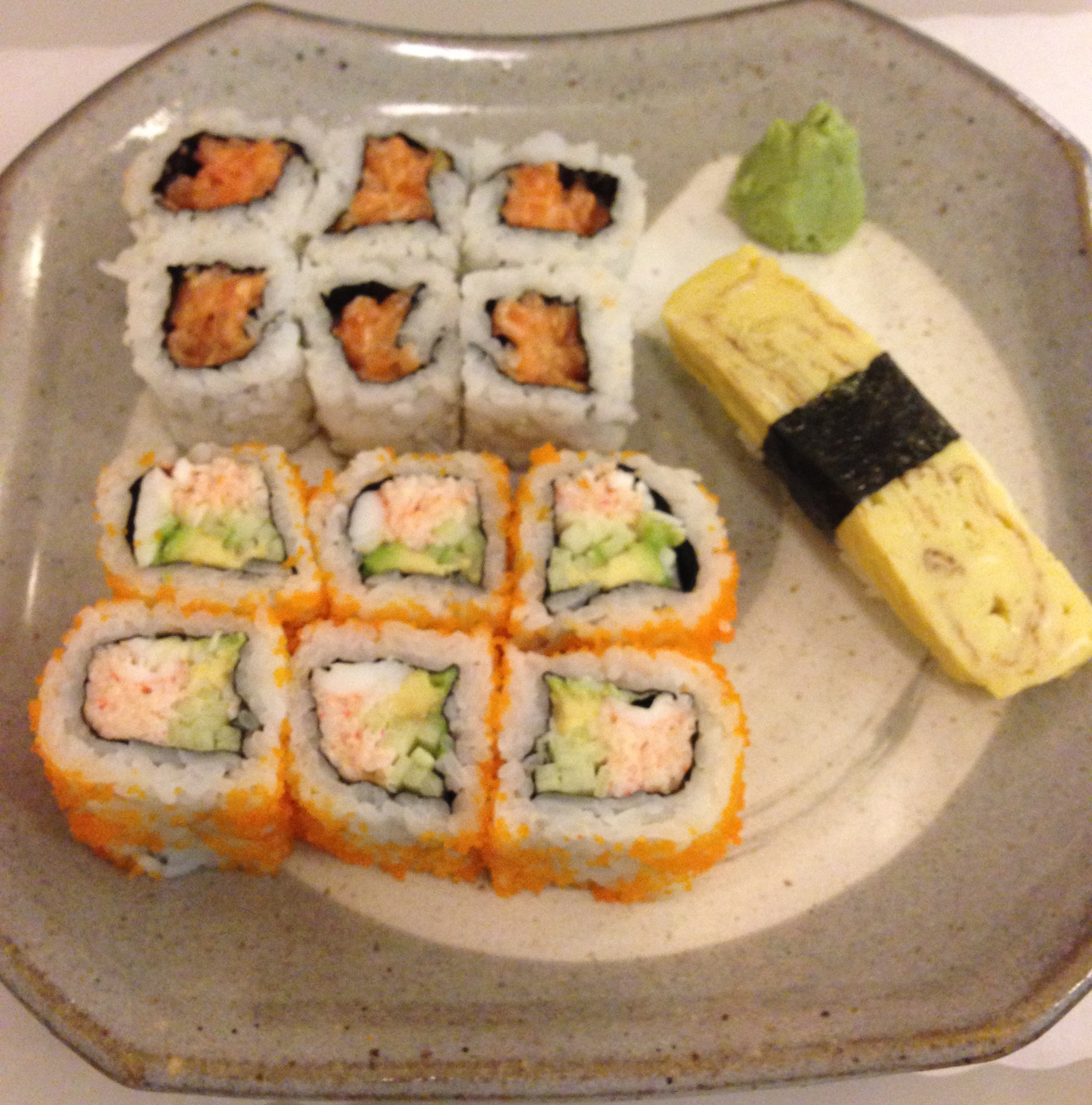
Regardless of my sufferings in the name of quenching my thirst, we ordered our food.  Janice got a mix of spicy hotate (scallop) rolls, California kani (crab) rolls, and a tamago sushi roll.  As for me, I was quite hungry, so I got a katsudon.  We waited quite awhile for our food which was kind of surprising given that we were the only people in there, but it was a sign that they were making everything fresh and taking care to make each piece perfectly.  Before we got our main course, we received complimentary bowls of miso soup and a kind of noodle salad.  IMG_4863I love miso soup in any form because it was warming our souls on that frigid night along with the wonderful earthy, savory umami flavor that Japanese cooking is notorious for.  IMG_4864The noodle salad was ok, and the white dressing that it was drowning in tasted kind of like ranch but not as tangy.  Eventually, our food came out, and the care the staff took in preparing the meal showed through in every piece of sushi. IMG_4869 The spicy scallop rolls weren’t terribly spicy, but the seaweed wrapping mixed with the slightly salty scallops to perfection. IMG_4871 I was more of a fan of the California rolls since they had a mix of smooth avocado, sweet crab meat, and crunchy cucumbers. IMG_4870 The tobiko fish eggs on the outside were the icing on the cake or the crown on these king crab rolls since they added a salty contrast to the vinegar soaked sushi rice.  As for the tamago, it was a part egg and part rice sushi roll was a bit too bland for me, but it’s wildly popular in Japan and elsewhere in the Far East.  So much so that even famous Korean rapper G-Dragon perhaps unknowingly sported a dodgy hairdo paying tribute to the eggy treat.rambut-g-dragon-sushi  Then there was my katsudon.  The word katsudon is a portmanteau of the Japanese words tonkatsu (breaded pork cutlet) and donburi (rice bowl dish).

The bowl...

The bowl…

Surprise surprise, that’s exactly what my meal was:IMG_4868  a moderately sized bowl packed with rice on the bottom and then topped with a melange of egg, fried noodles, and fried pork cutlet pieces.  I couldn’t go wrong with all of that protein and carbs, and I really didn’t.  The pork was plentiful and lightly fried with a crumb-laden crust.  Mixing the pieces with the rice and noodles proved to be quite the hearty meal that filled me up but did not leave me bloated, uncomfortable with a greasy taste in my mouth, and with a bad case of the meat sweats.

By the end of the meal, we were greatly satisfied with our meal, and the price we paid wasn’t bad at all compared to more glamous/popular sushi joints.  So, if you want to get quality sushi at reasonable prices with friendly service, check out Yokohama Japanese Restaurant in Westmont! Sayonara!

Yokohama Japanese Restaurant on Urbanspoon

Furama Is Fureal

Posted on

Welcome one and all to another spectacular edition of Mastication Monologues!  Today finds me absolutely freezing my toes off, but that hasn’t changed much from the previous week or so since the weather has been less than tropical.  January in Chicago, go figure.  However, today’s post will put you in a sunny mood if you are craving Dim Sum right now or ever for that matter.  I mean, can’t go wrong with Chinese tapas!  Variety is the spice of life.  If you have been to Chinatown in Chicago, you’ll find that their dim sum menus are often reserved for dinners starting roughly after 5 pm.  However, at Furama in the Edgewater/Little Vietnam neighborhood, you can overdose on the little plates of goodness from 9:30 am to 8 pm!!!  The prices for each choice range from $3 for extra small plates to $7 for extra large plates.

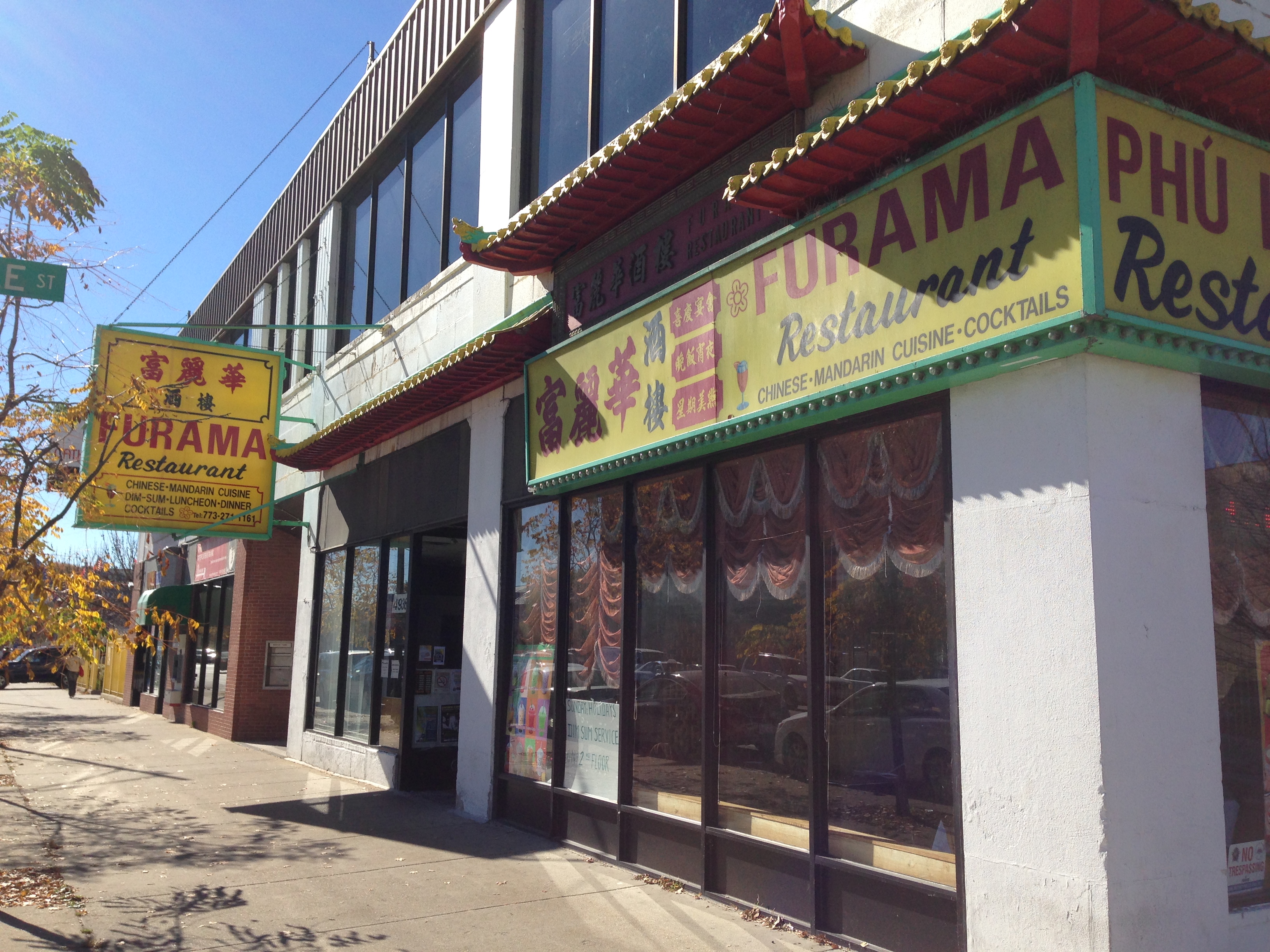
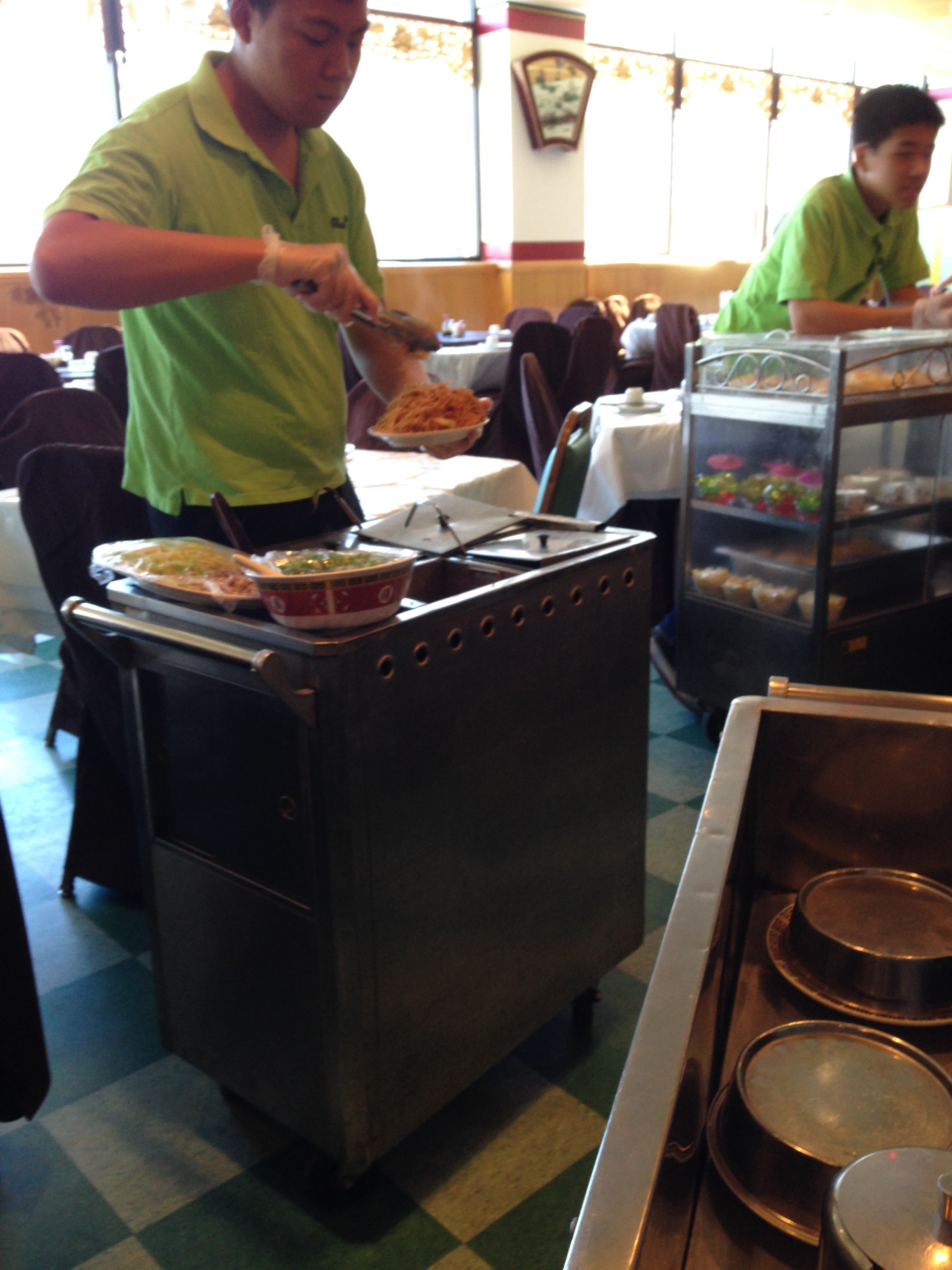
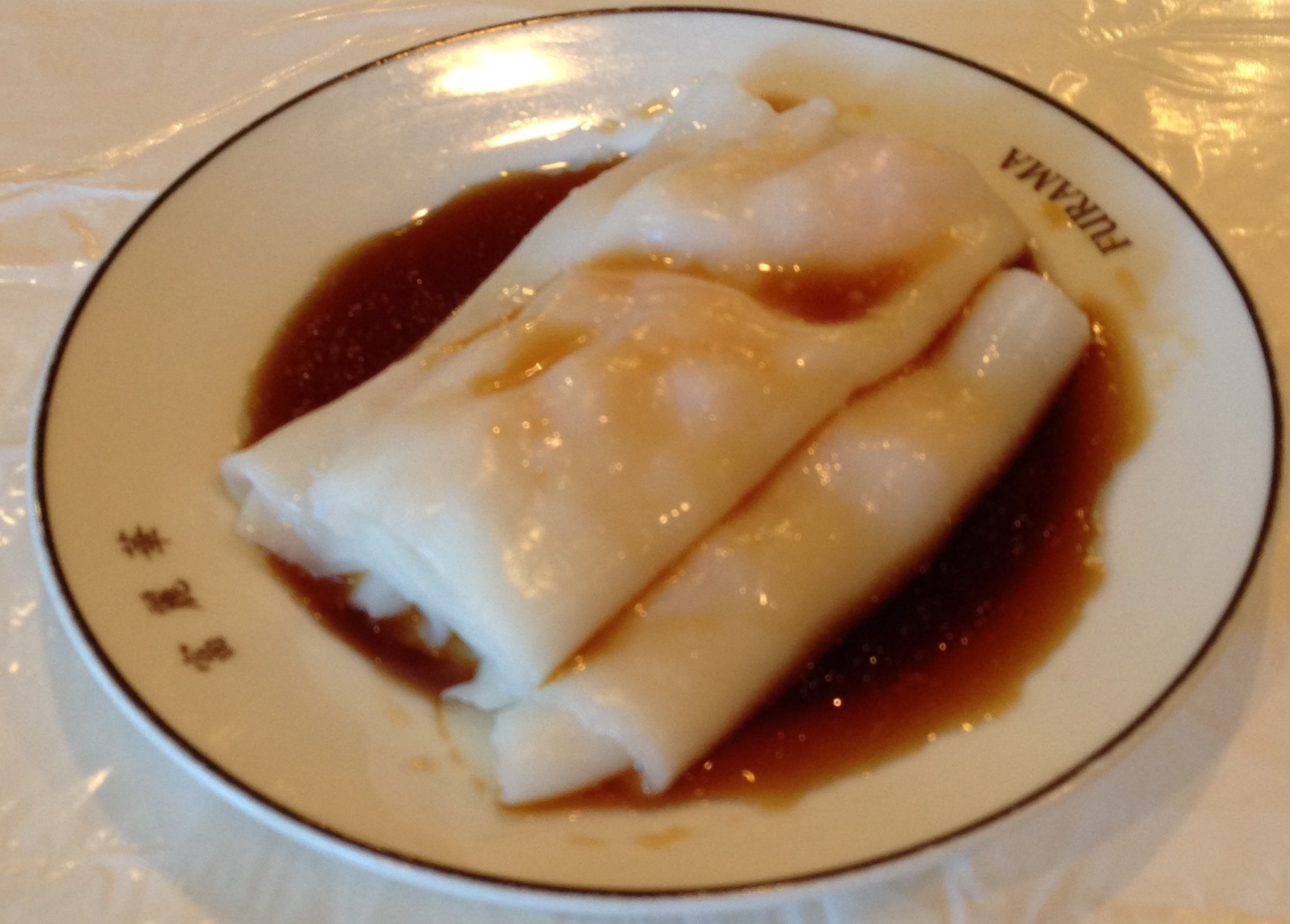
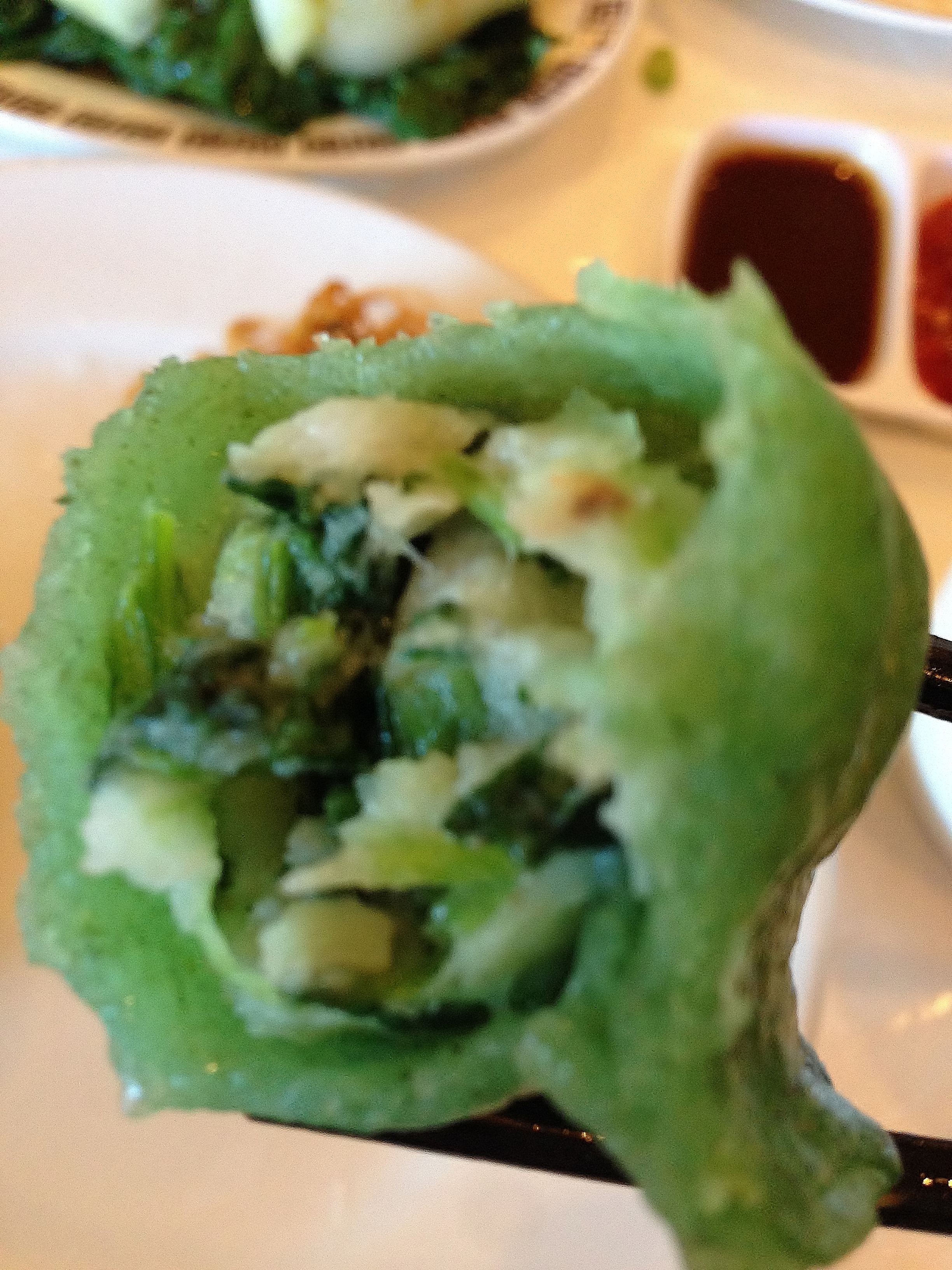
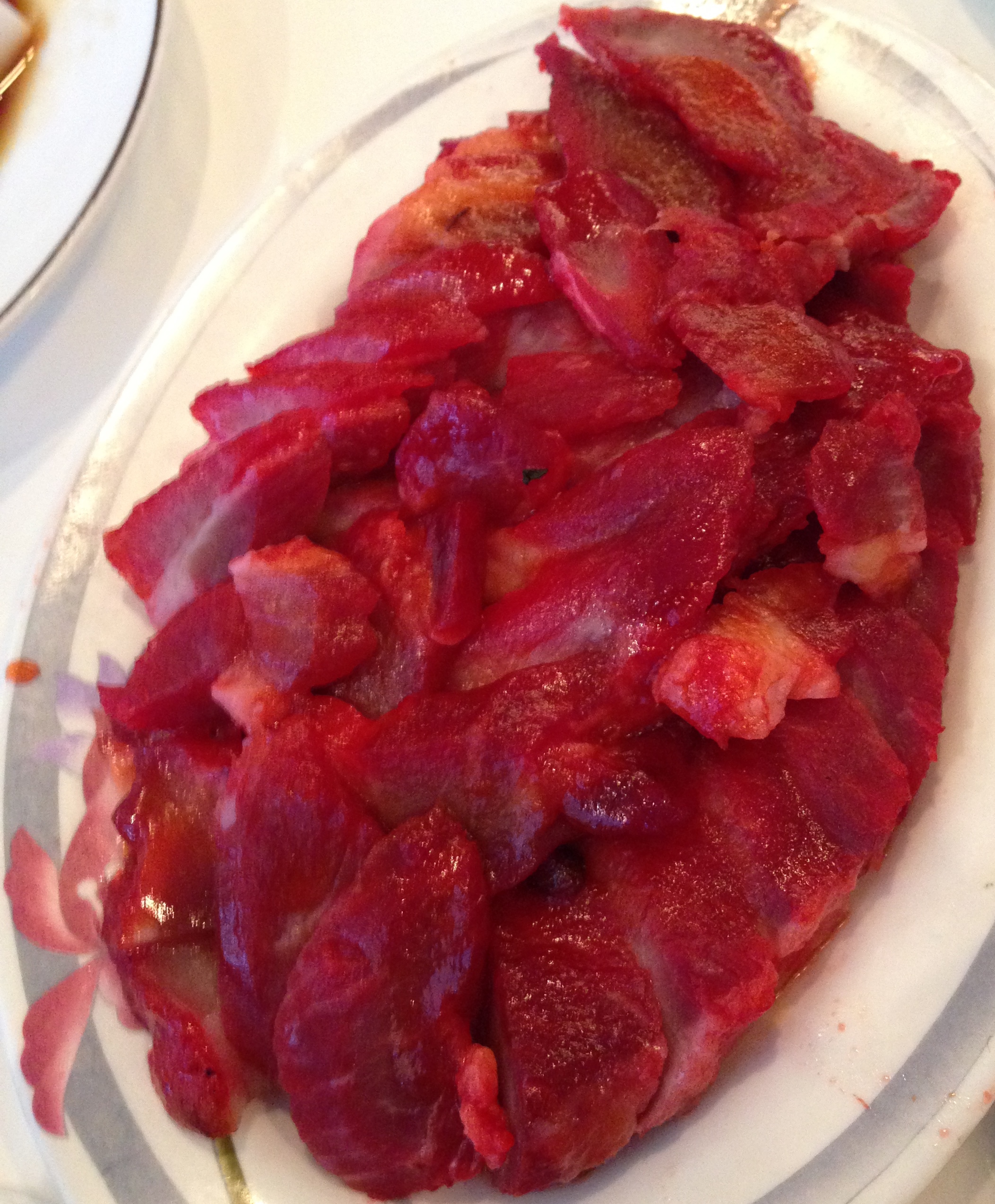
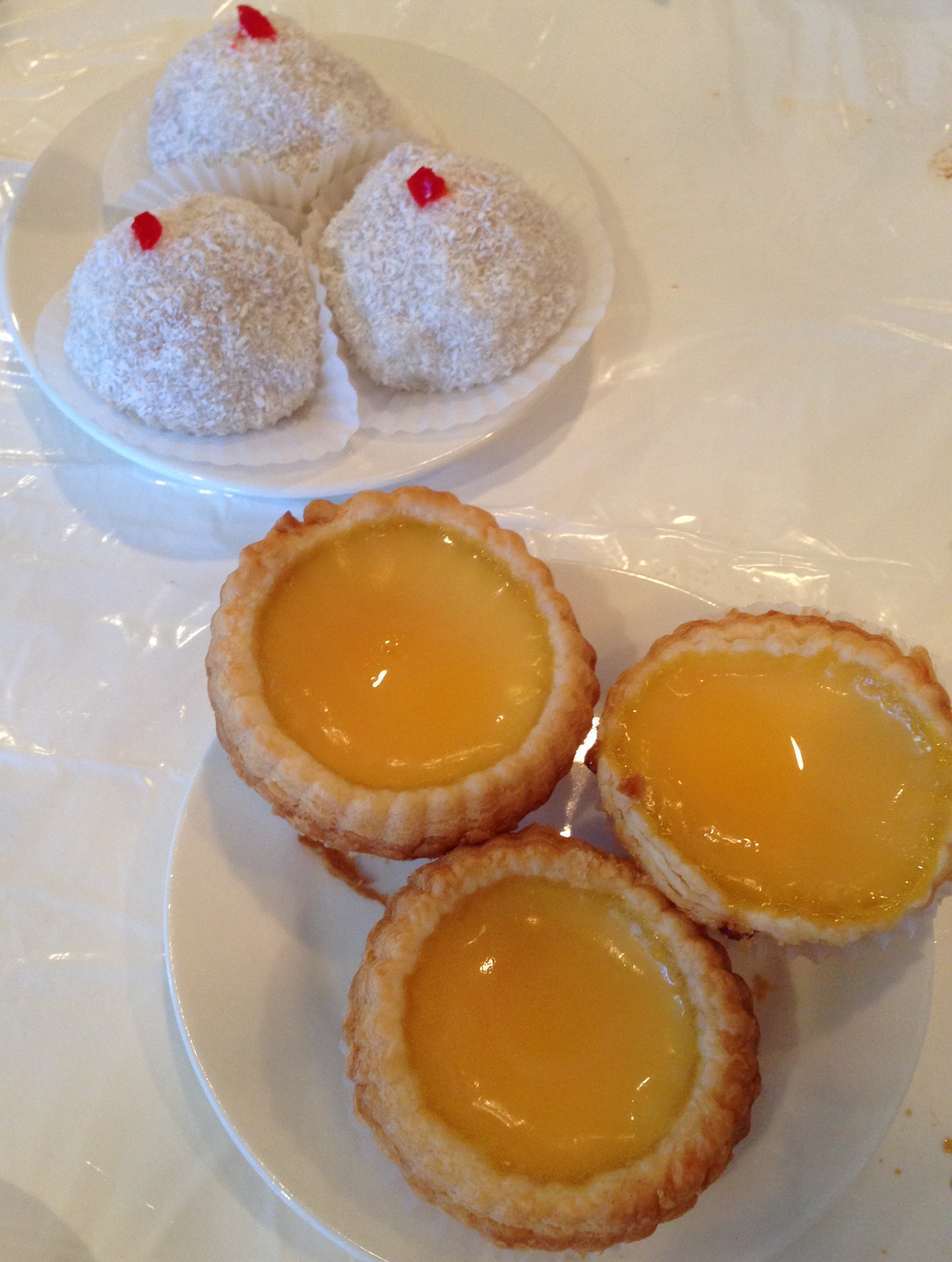
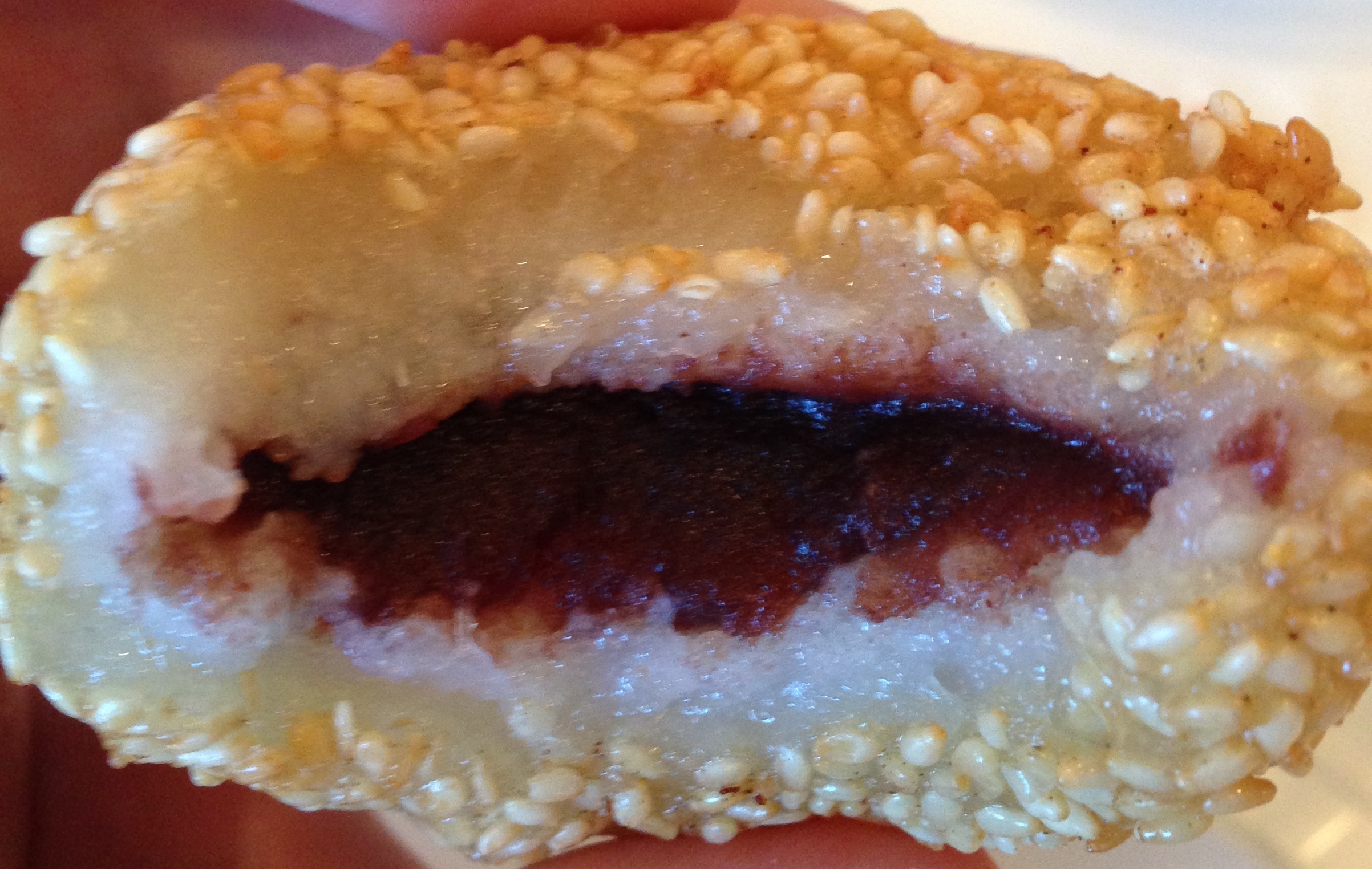
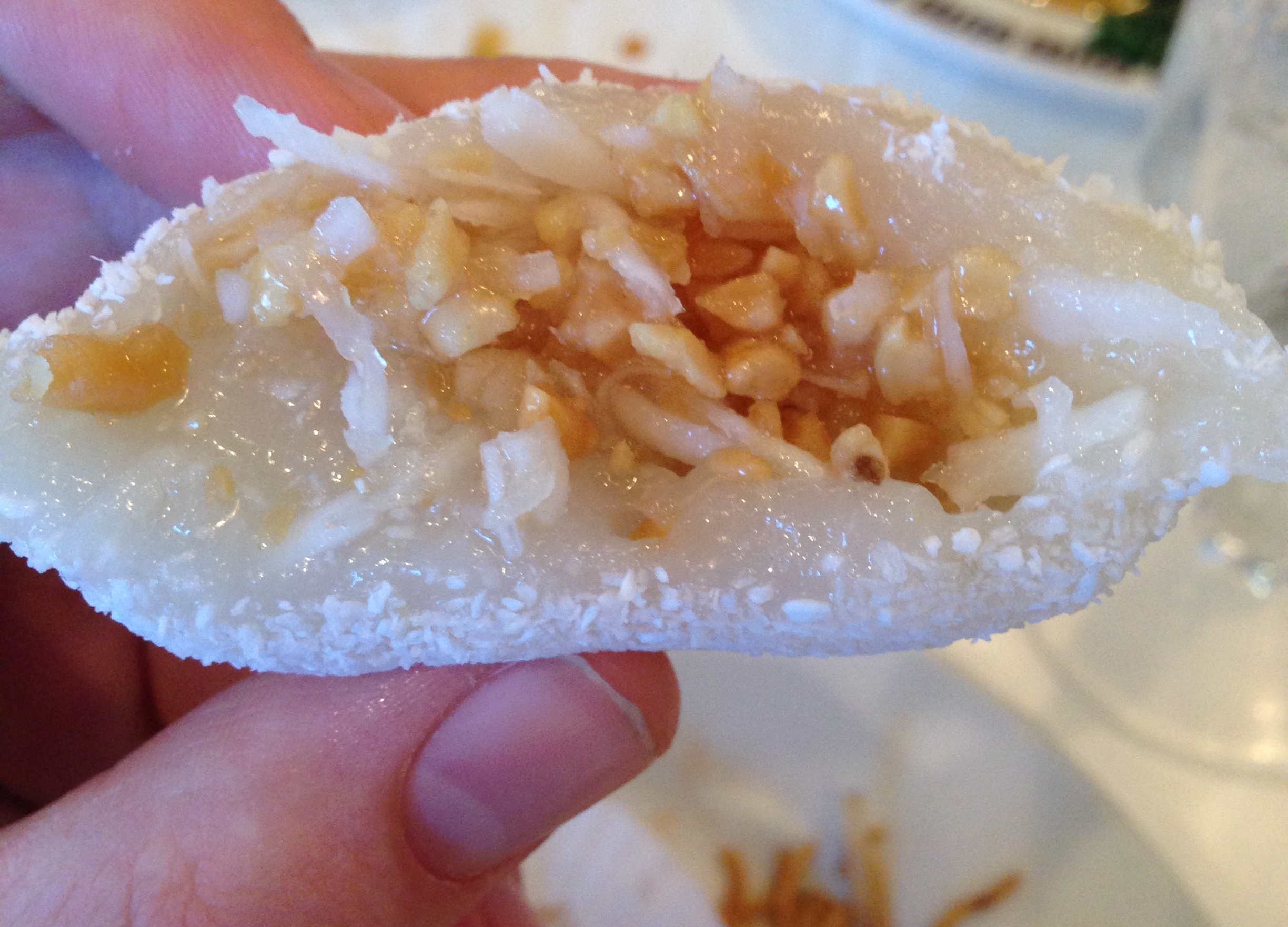
The exterior doesn’t look like it has changed in 50 years, and I was alright with that. IMG_4705 Inside, we had to climb stairs, similar to Three Happiness in Chinatown, to the main dining room. IMG_4702 It was spacious and somewhat filled with people on a Sunday morning.IMG_4706  There was a stage in the front of the dining room which raised my hopes for some live entertainment, but sadly no one came out to bust a move or serenade us.  No matter, the food was plenty of fun by itself.  First, there are an army of servers zooming around with carts like some sort of culinary chariot race calling out what they have to offer in both Chinese and English. IMG_4707 We could mark down what we wanted on a card, and they could get it for us, or we could just pick something off their cart.  We opted for the latter, and the first thing we picked was the 猪肠粉 or rice noodle roll ($3.50).  I must warn you that if you do not have excellent chopstick skills, this slippery mass will be extremely difficult to eat.IMG_4708  After living for a year in South Korea, I thought I was the Mr. Miyagi of eating with chopsticks, but these noodles were so hard to pick up.  The shrimp inside were cooked perfectly, but the slippery and savory soy drenched noodles had to come later when I used Mr. Fork to be less than cultured.  Next, we got an order of the pork chow mein noodles ($9.25).  IMG_4709They were crispy but a bit too greasy for my liking.  In the background you can also see the pan fried shrimp and chive dumplings/韭菜虾饺 ($3.75).  Those were great since the crispy rice skin gave way to chunks of shrimp and plenty of verdant onions.  The 蒸餃 spinach and shrimp dumplings were really eye-catching.IMG_4710  I had never seen a spinach-infused dough used before in dim sum, so we helped ourselves to a plate ($3.75).  The spinach in the chewy dough didn’t make much of a difference, but the greens and shrimp found on the inside were very lightly seasoned which left the earthy veggie tones come through and blend nicely with the shrimp. IMG_4712 Our next stop on our dim sum adventure was my call when I heard them shout “叉燒!” or “Char siu!” ($5.60).  I may not know a lot of Cantonese/Mandarin, but I know that this pork option is off the hook or more like off the fork since more like it since char siu literally means “fork-roast”.  What makes it so great?  Well, consider this the ancient form of barbecue where they use a molasses-based rub that creates a sweet crust on the pork skin and permeates throughout the meat.  IMG_4711It is then treated with some red food coloring to make it really stand out along with a bath of spices and wine on certain occasions.  When all of these ingredients come together, you get a plate of pork chunks that are both savory yet sweet that no Western pit boss could get close to.  We then stepped it up to get 叉烧包烤 or baked cha siu bao which are Cantonese baked pork buns.IMG_4713  I had tried the 蒸 (steamed) bao in Hong Kong, and I think I prefer them over the baked version.  Still, these buns were delicious.  Their shiny exteriors concealed a moderate pocket of the aforementioned sweet meat, but I feel like they skimped on the meat and focused more on the bread.IMG_4715  After we had our fill of savory treats, we hit up the dessert cart.  We got 煎堆 (Jin deui) or sesame buns ($3.50), sweet rice pastry ($3.50), and  蛋挞 egg custard tarts ($3.50). IMG_4716 I had the sesame buns before, and it’s probably the only time I’ll willingly eat red beans in Asian cuisine (click here to see my reaction to red bean in Korea). IMG_4714 I think it’s because it’s surrounded by sweet, super chewy mochi (rice dough) and drowned out by savory sesame seeds.   I really was a fan of the sweet rice pastries which utilized the same rice dough in the shrimp rolls we got to start this entire meal.  Instead of floating in soy sauce, they were coated with coconut and filled with chopped peanuts and sweet syrup. IMG_4718 Talk about decadent yet not really.  It was a Taoist dessert with a mix of sweet yin to the subtly savory yang.  Finally, there were the egg tarts that were competently made but nothing like what I tried in Macau or Lisbon where they are originally from.  These tarts made their way into Cantonese cuisine in the 1940s via the Portuguese colony of Macau, and now they are served in dim sum halls from San Francisco to NYC.  By the end, we were stuffed like the dumplings we just destroyed yet in a Buddha state of bliss.IMG_4719

So if you want some delicious dim sum that you can get any day of the week at reasonable prices, definitely make the trip up to Furama!
Furama on Urbanspoon

Costa Rica (Day 4)- Willy Wonka In the Jungle and Dining In a Drug Port

Posted on

It is almost the new year, and that means that I got to squeeze in these last few Costa Rica posts before starting anew in 2015 (fingers crossed).  What does the future hold for Mastication Monologues?  The sky is the limit I think if I keep up the great material, and all you readers out there keep on enjoying my posts.  Plus, I just got picked up to write for Localeur, named by Forbes as one of the top travel apps of 2015, so things are already turning up Milhouse.  More to come on that.  Anyway, today’s entry is going to be quite the sweet treat that began over breakfast back in San Jose.  If you want to read from the beginning of our vacation, click here.

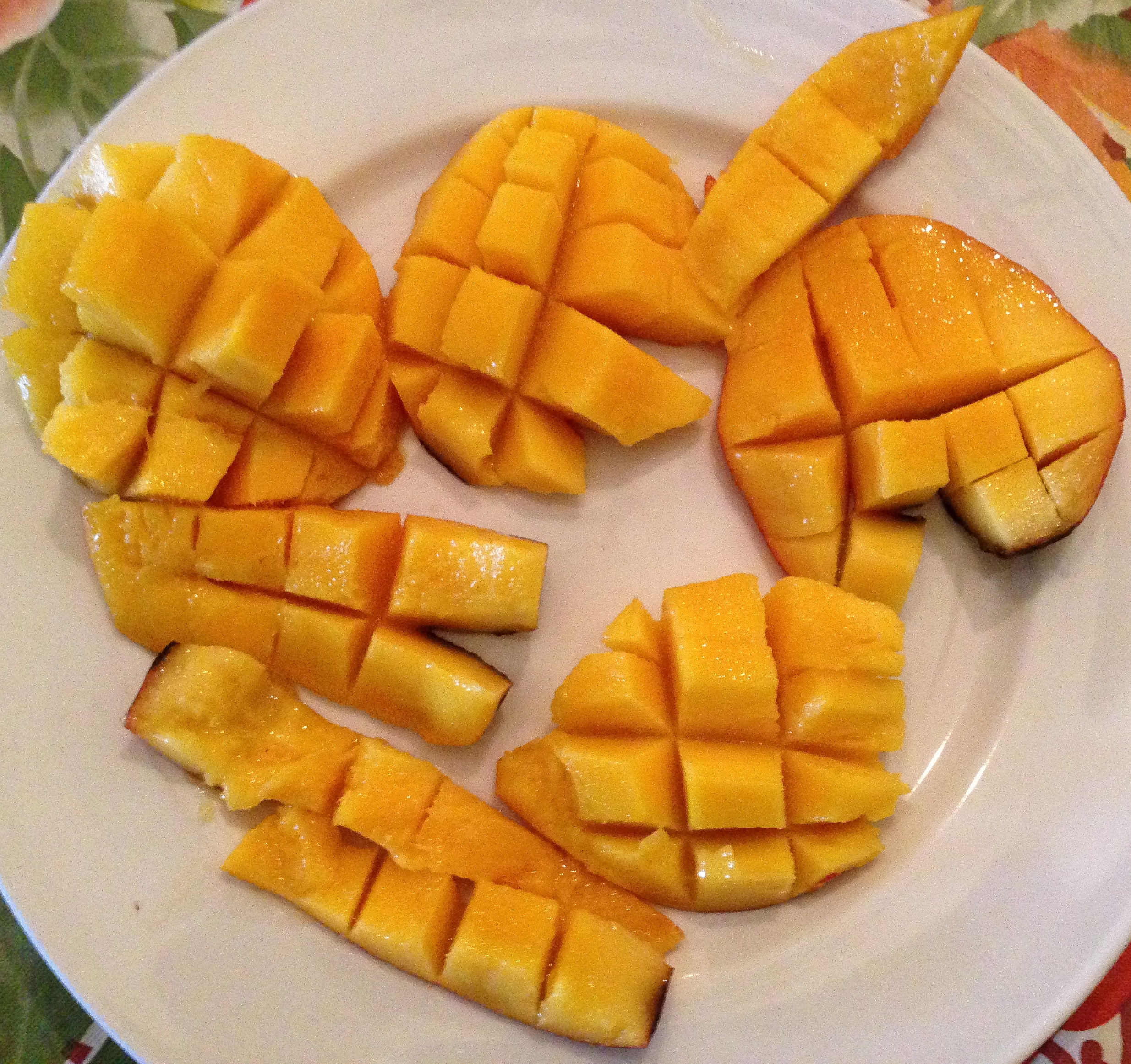
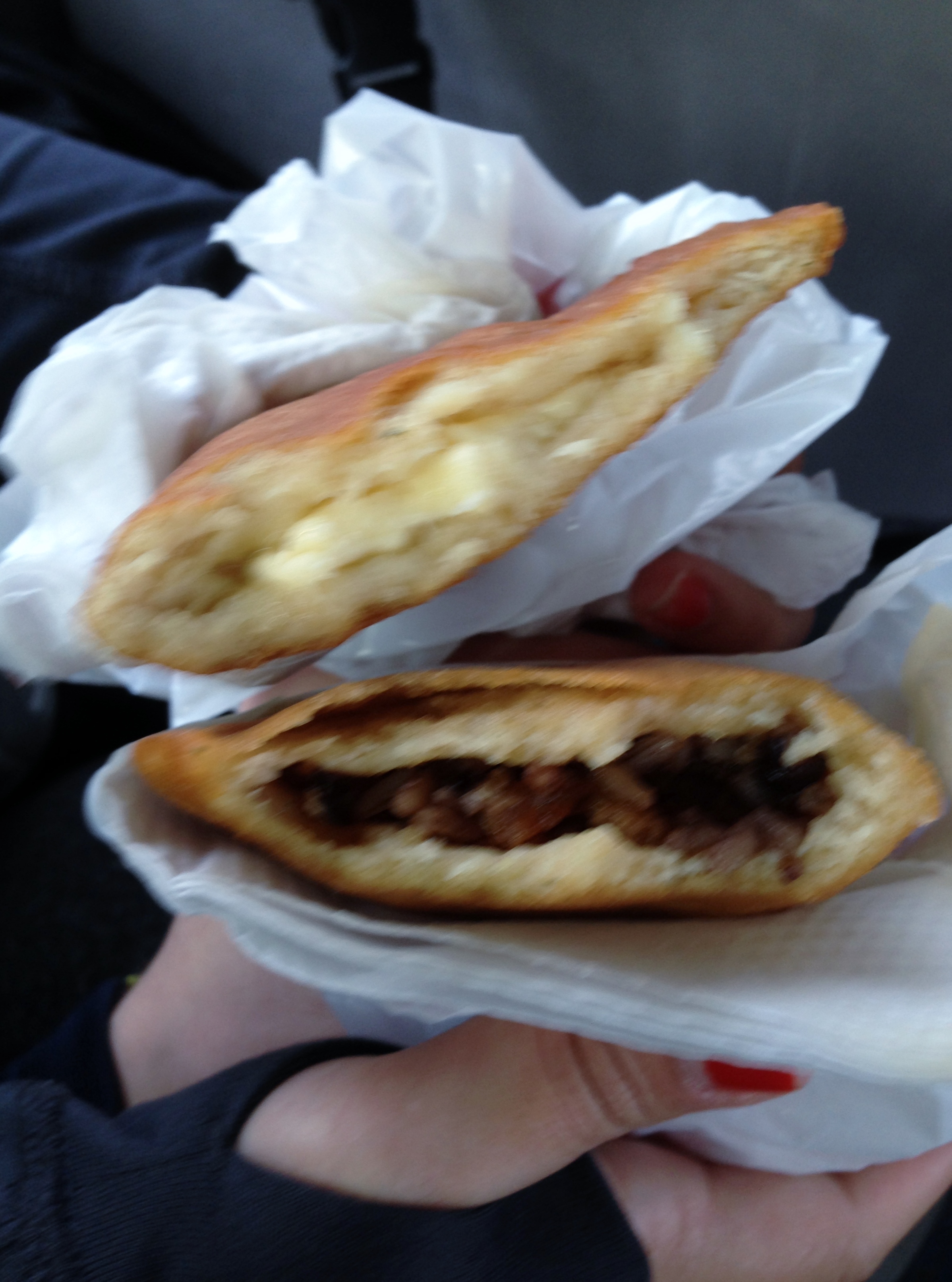
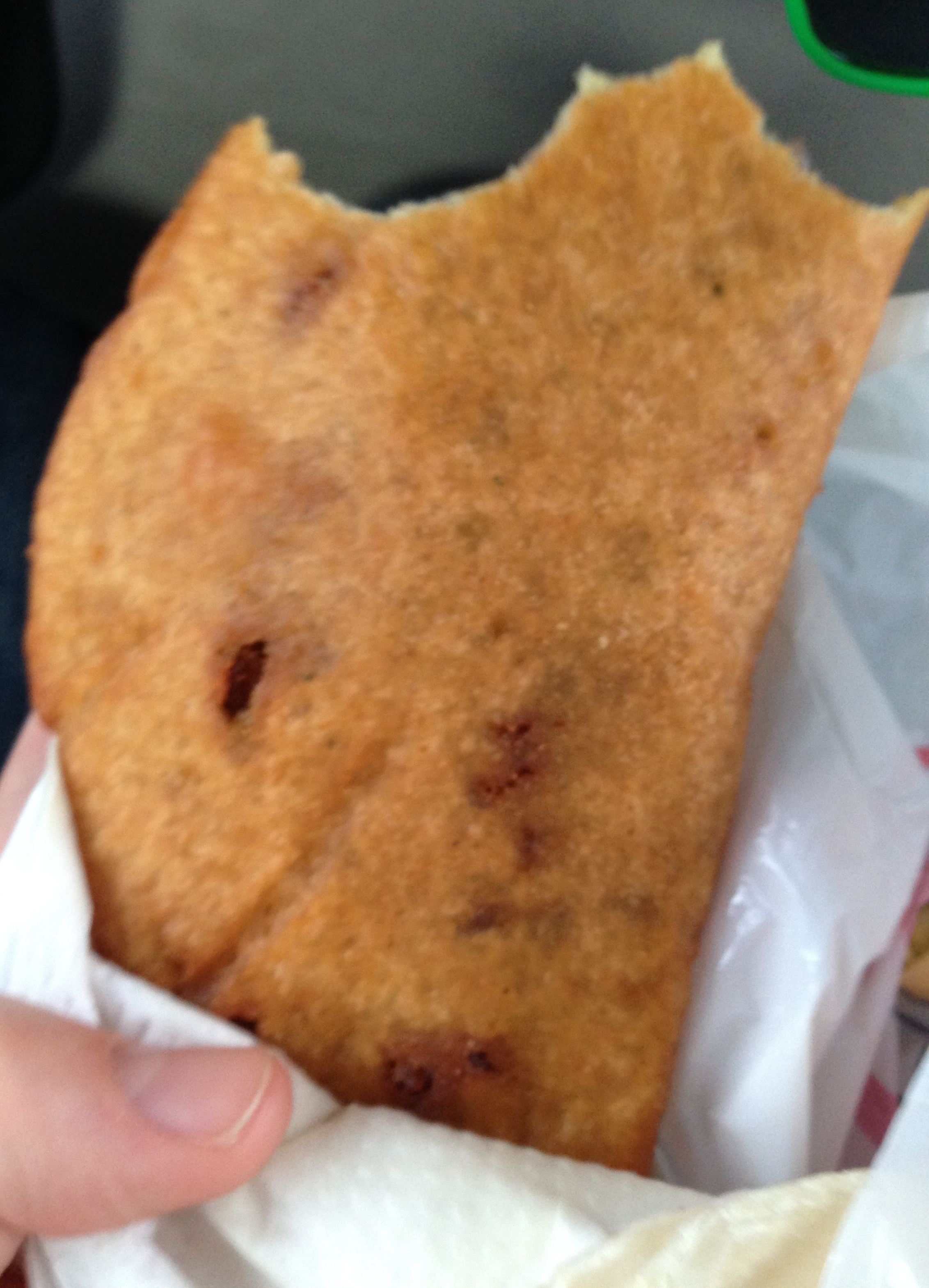
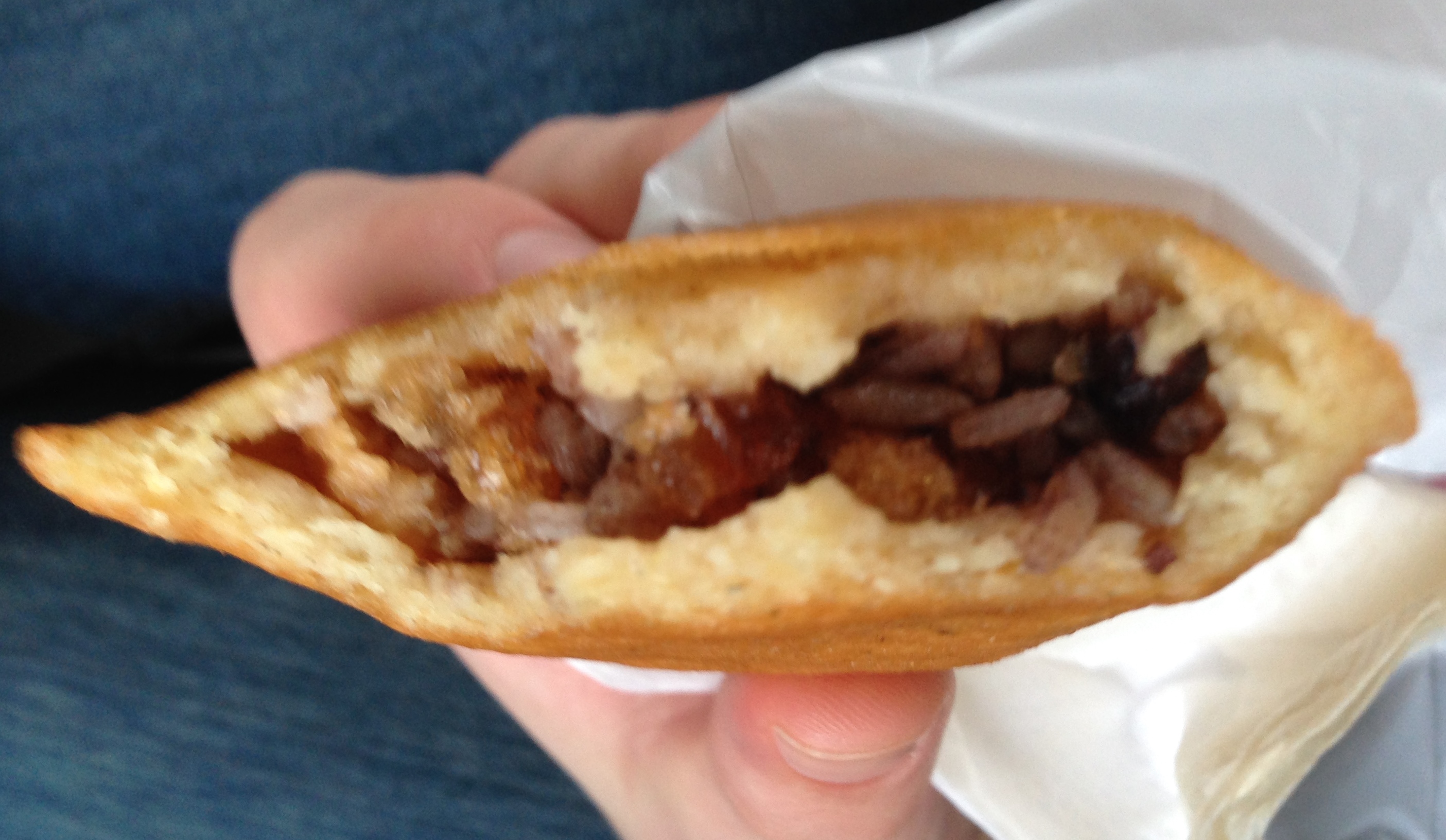
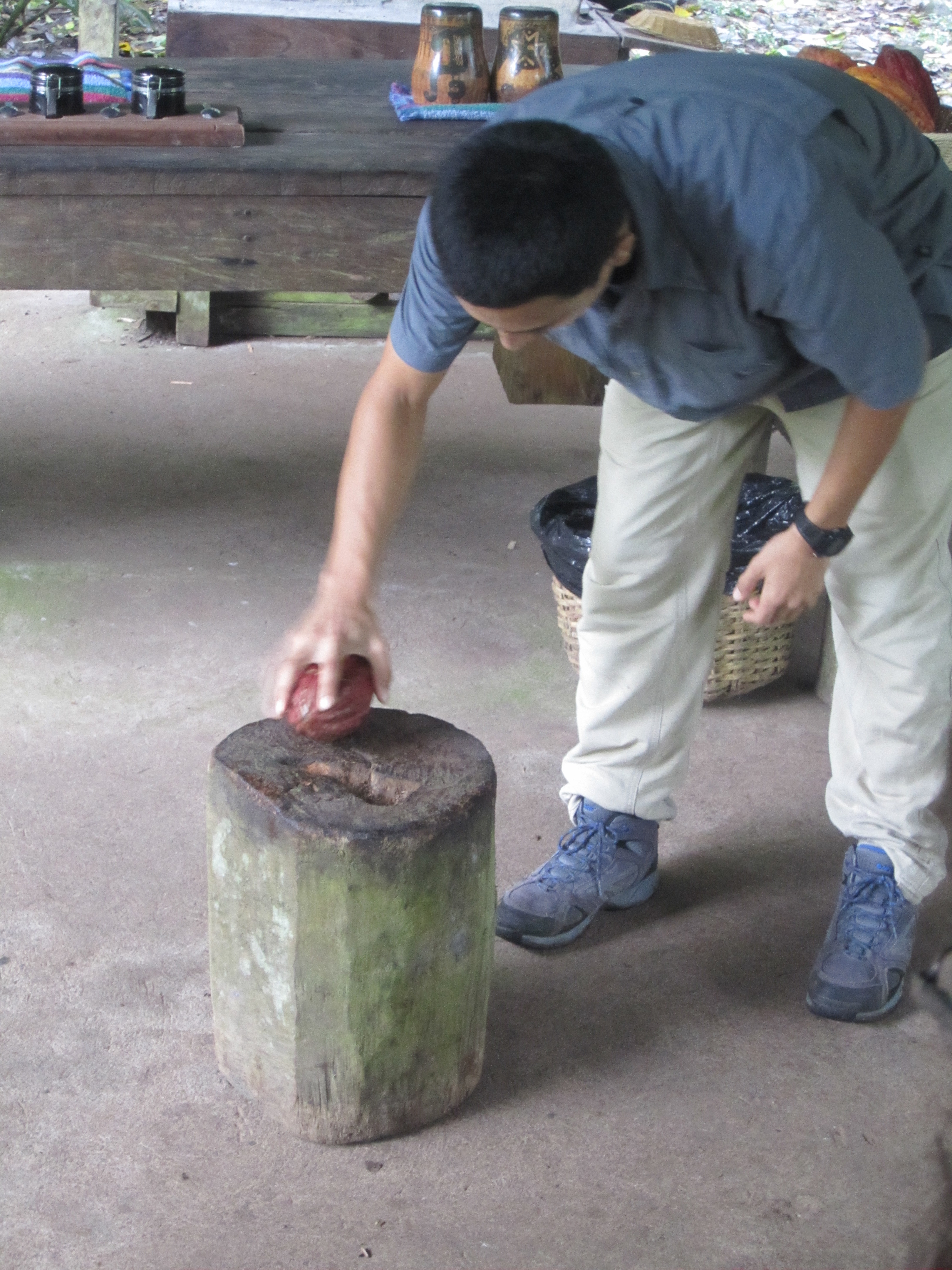
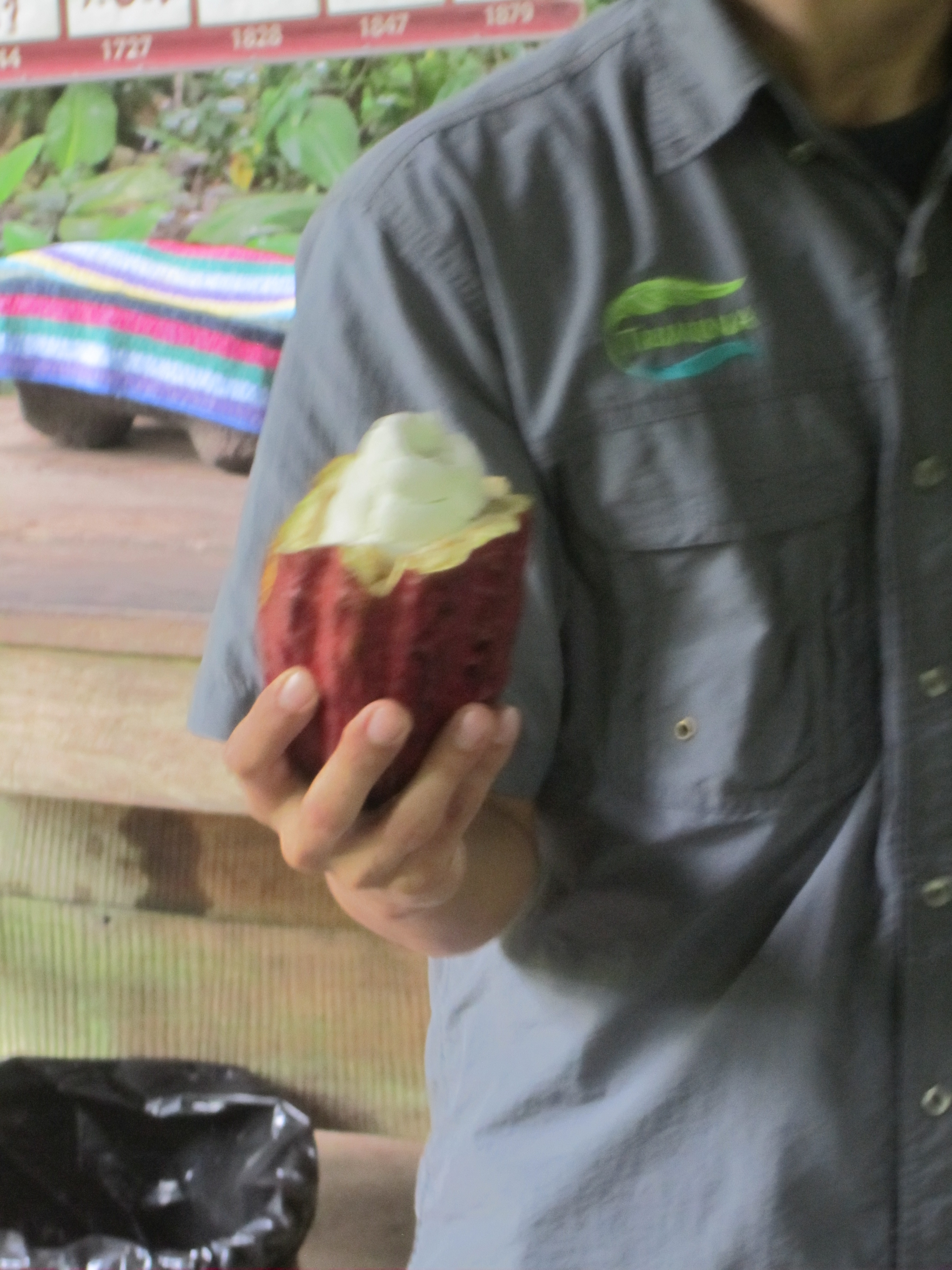
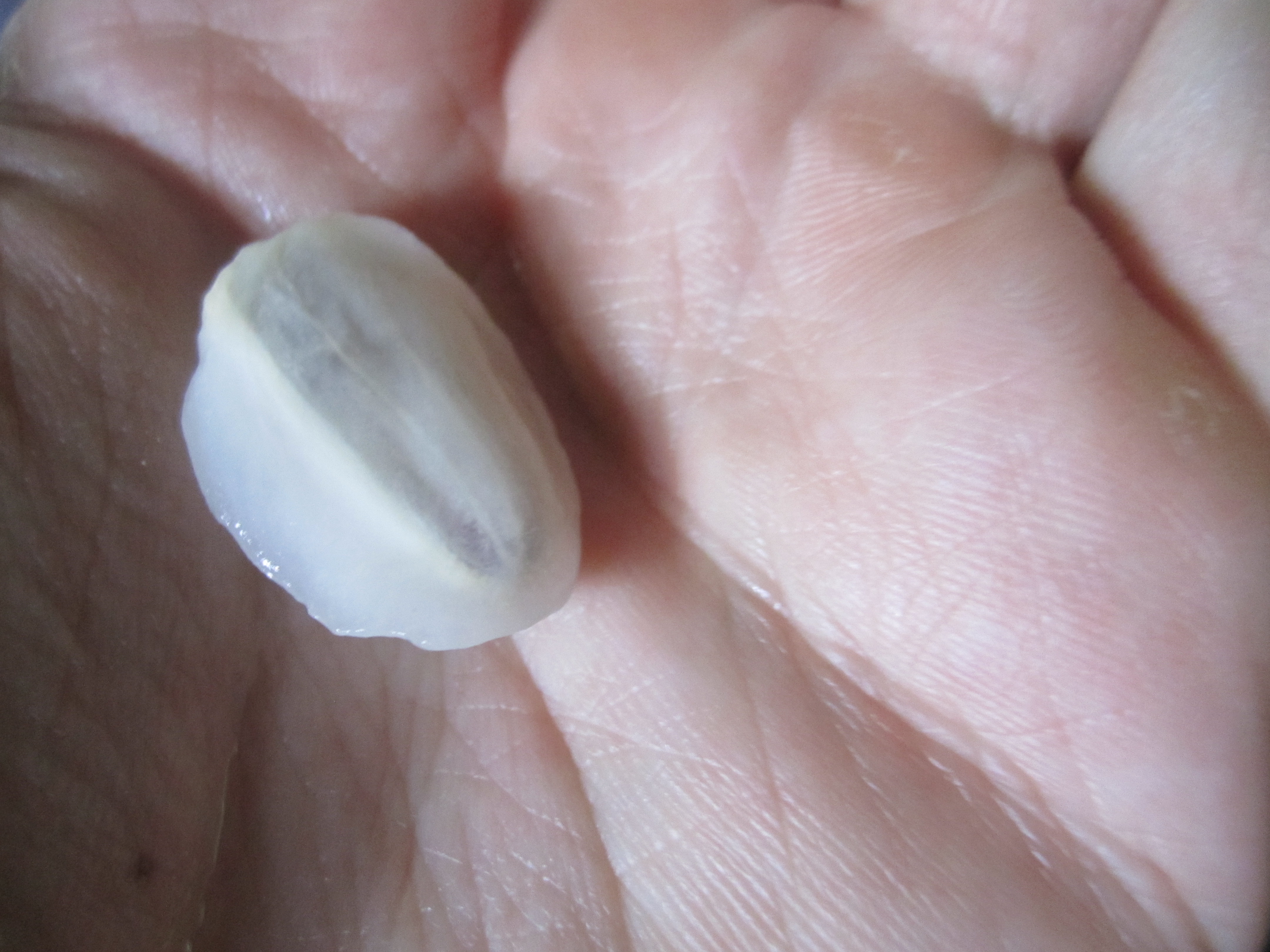
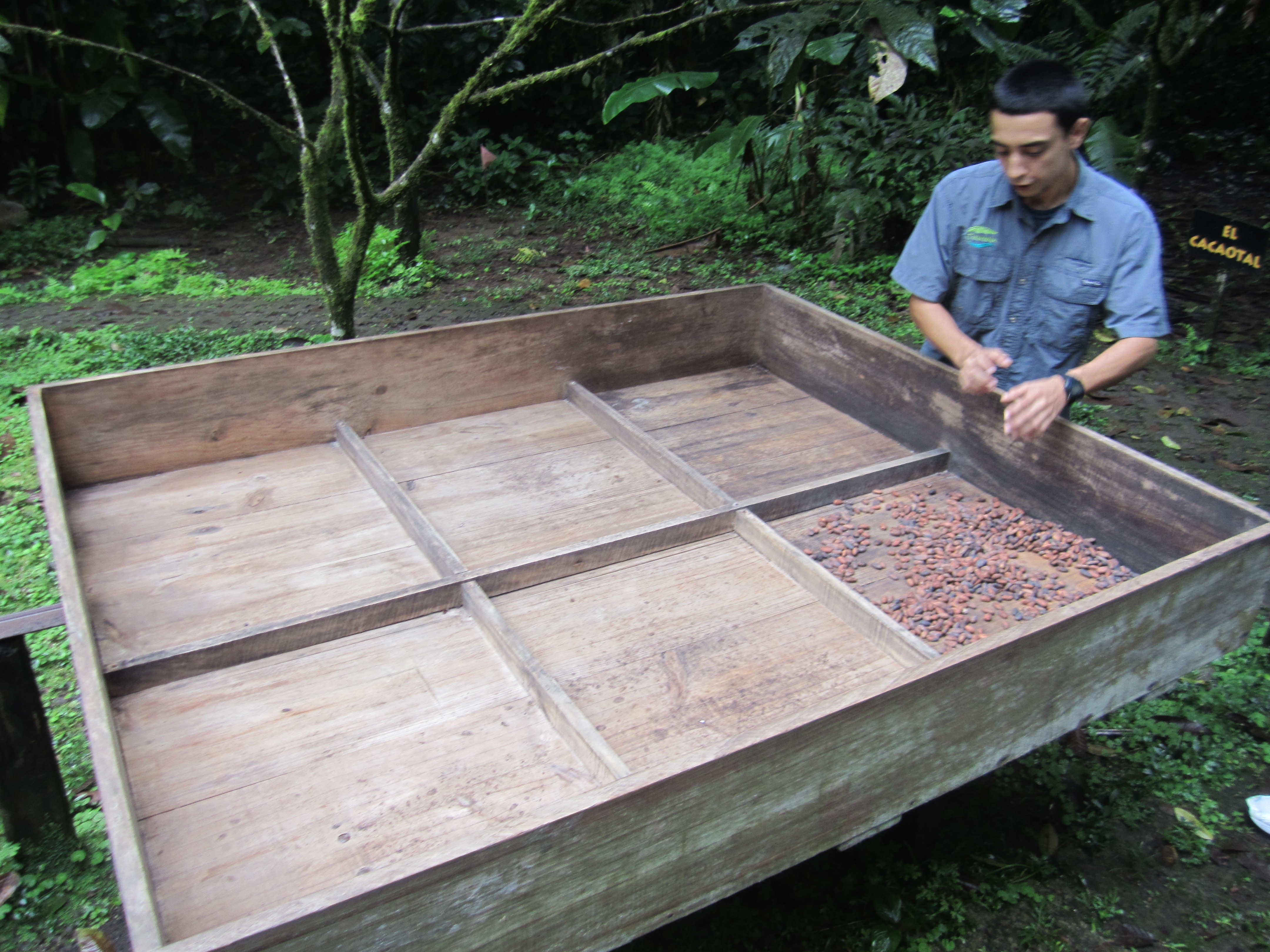
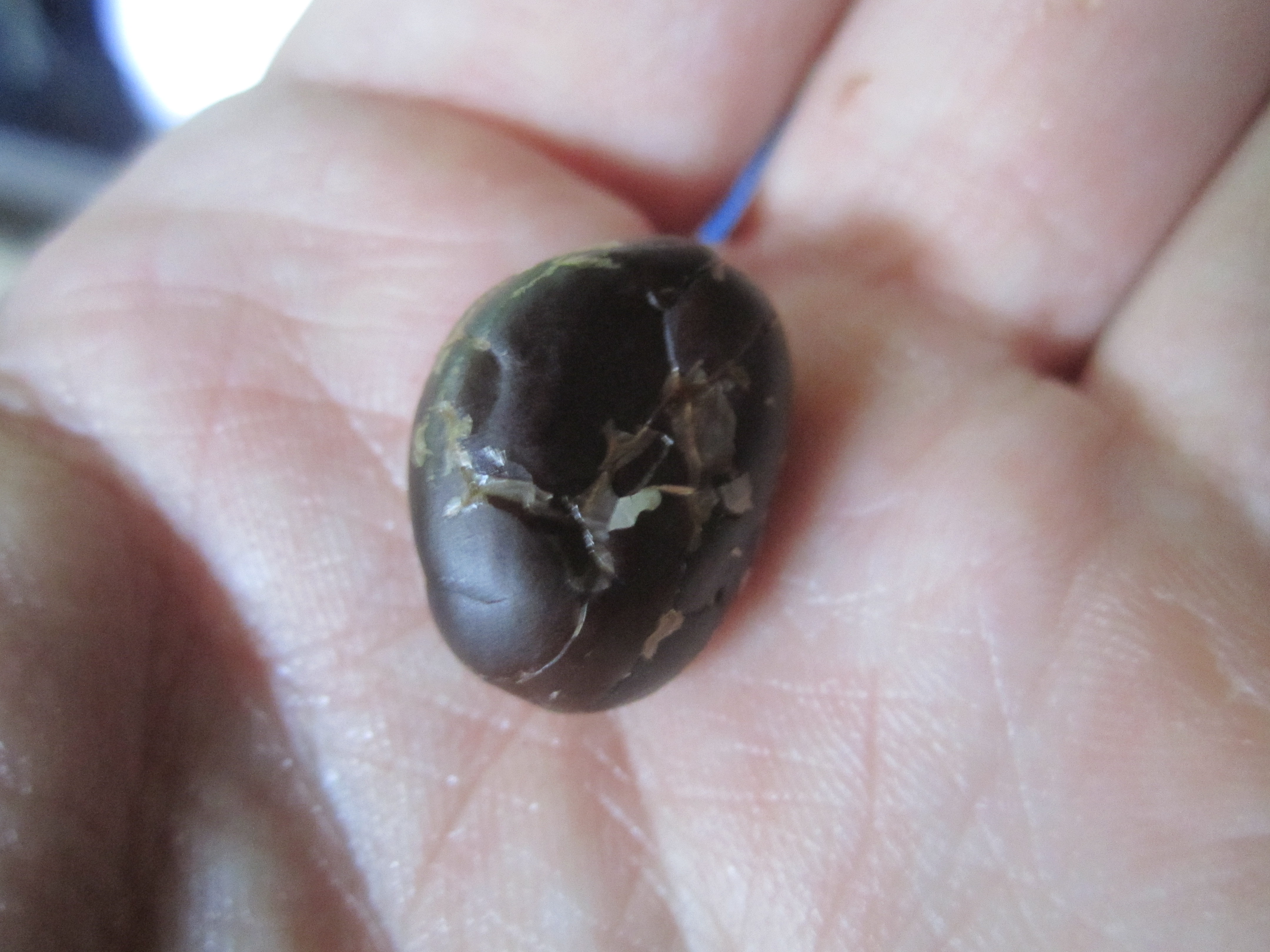
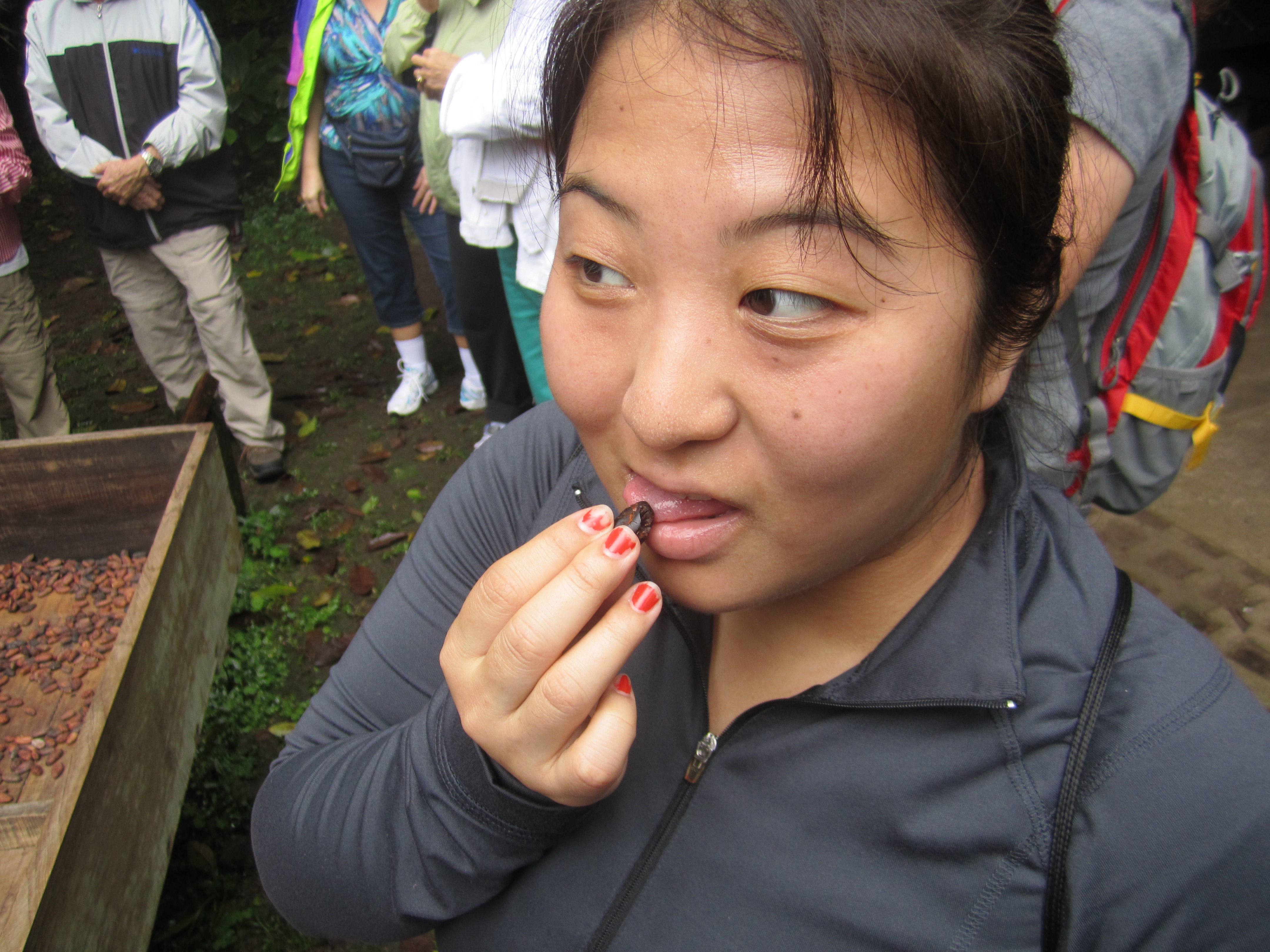
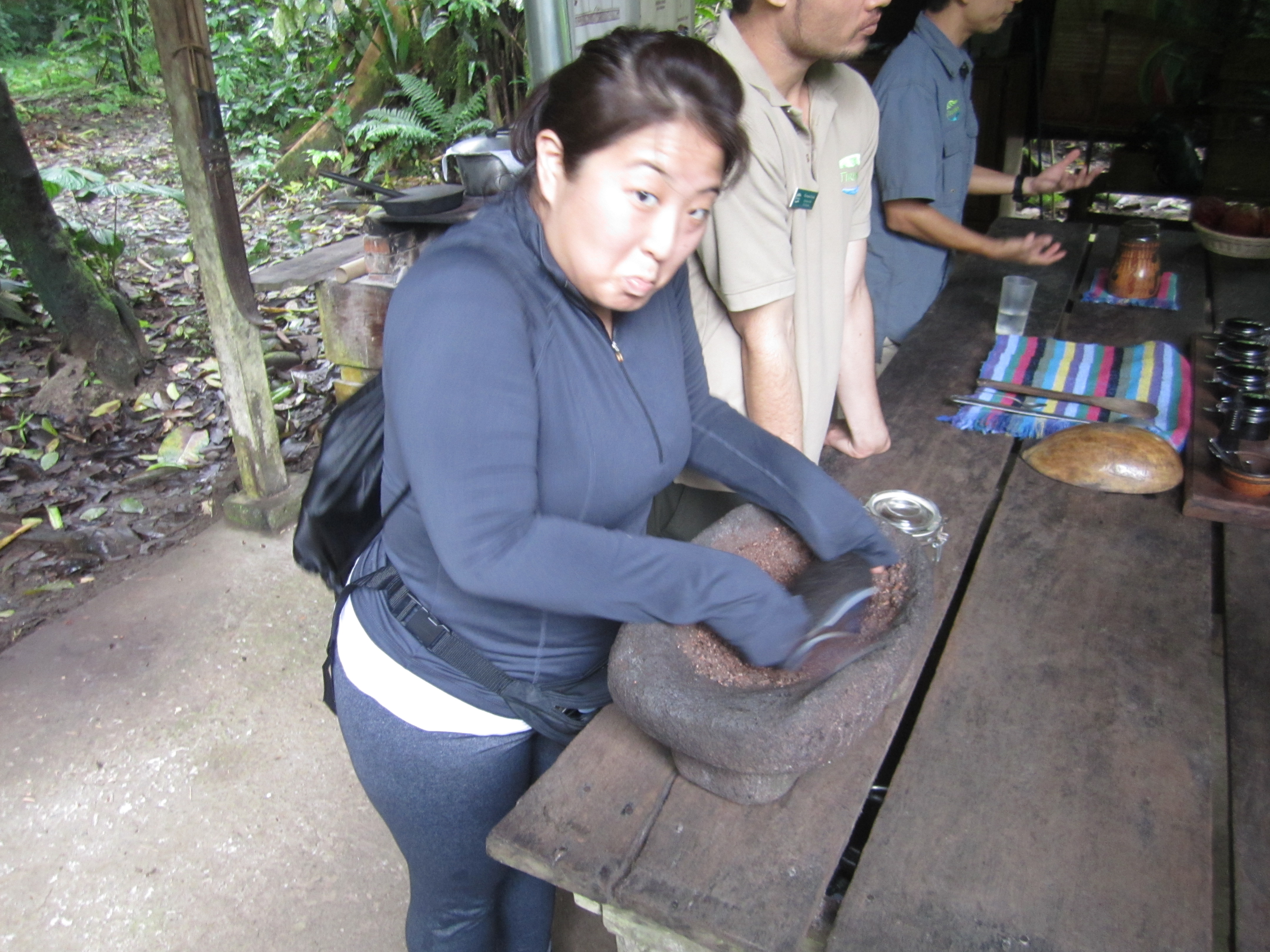
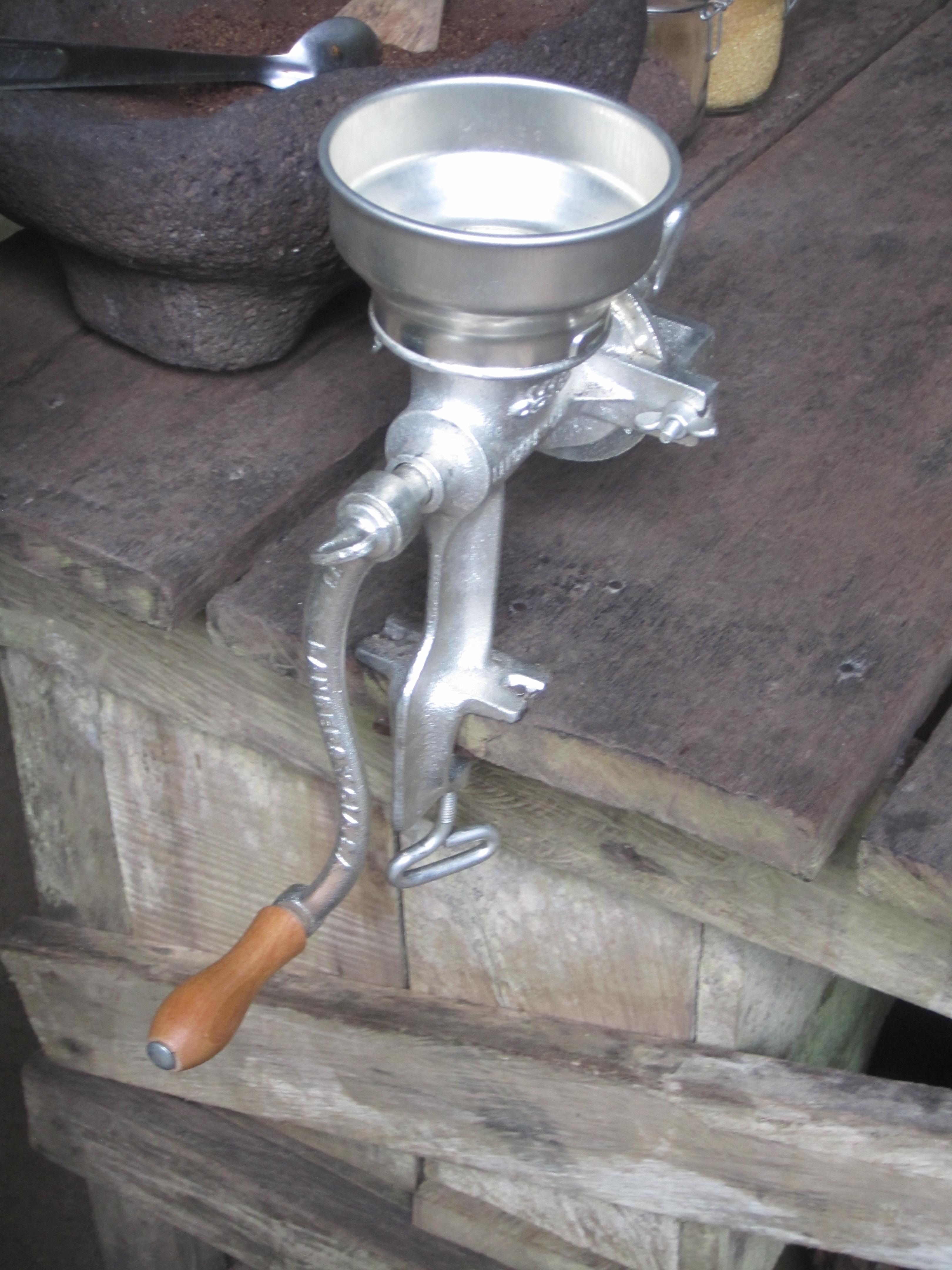
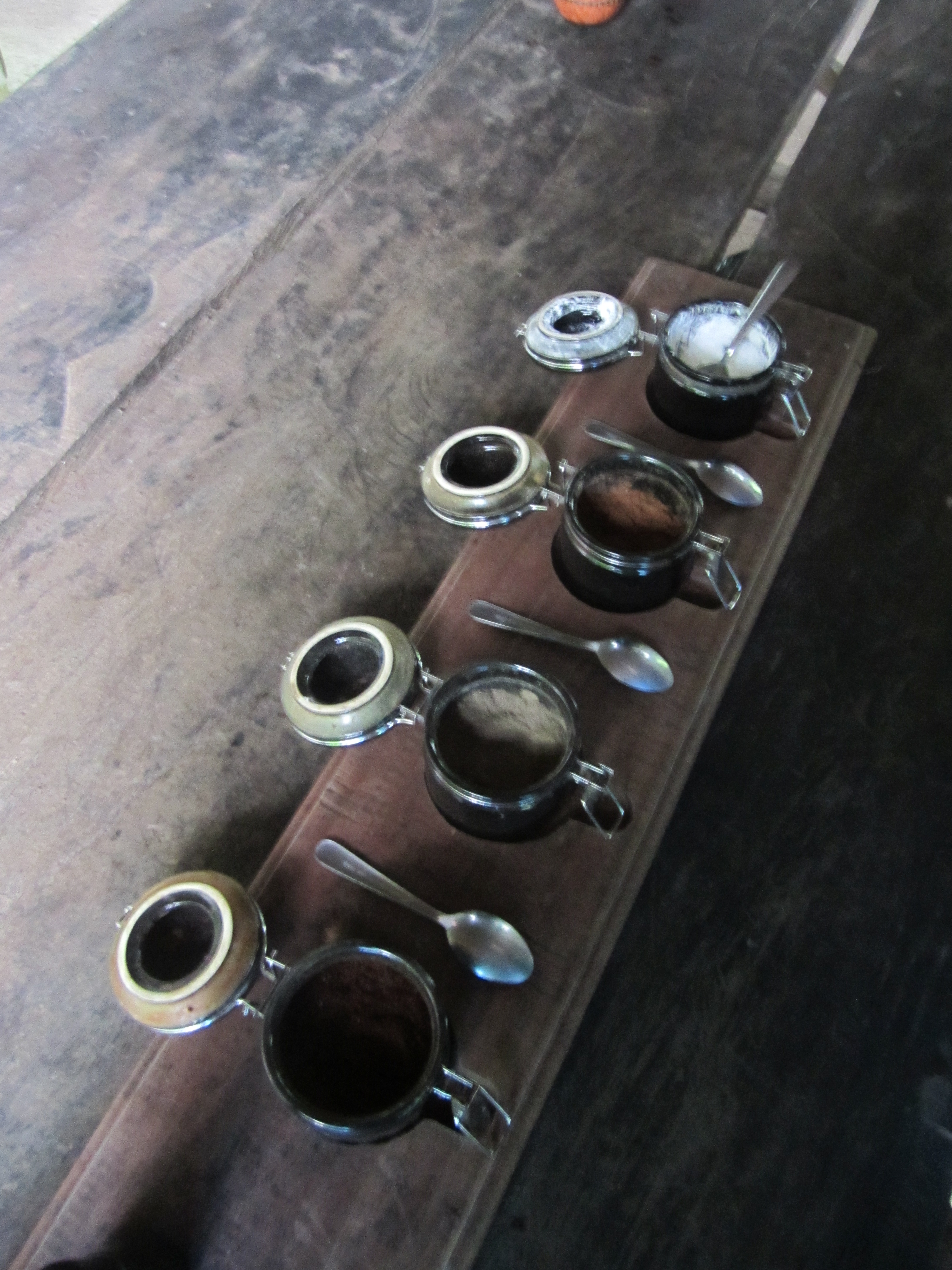
Day 4 in Costa Rica started with a fresh breakfast of delicious mangos that were served up in an exquisite manner by Janice. IMG_5202 We had bought them a day earlier at a roadside fruit stand that went beyond apples and oranges.  After taking a bite, I became ravenous and destroyed the rest of the super sweet and satisfying pulp.  Having all of this fresh fruit around was yet another reason we came to love Costa Rica.  We met up with our group and proceeded northeast from San Jose toward Braulio Carillo National Park.  Before we got there, we had a rest stop at a roadside restaurant and gas station.  We were still hungry after our mango breakfast, so Janice and I got empanadas to go.  It was the perfect mini meal.  They were fried and greasy which I loved, and they were stuffed with a ton of ingredients. IMG_5206 Janice’s had a lot of smooth but not very bold cheese, but mine was a whole lot better.  IMG_5208It was filled with gallo pinto which we first had on day two before our Pacific cruise and chicharrones or fried pork skins. IMG_5209 It was best breakfast for on-the-go Ticos (“Costa Ricans” in the local dialect) which combined semi-savory rice, hearty beans, and crunchy yet chewy pieces of pork.  When we finally arrived at the national park, we started on the trail toward the chocolate presentation the forest rangers had prepared for us.  At one point in time, we passed over a huge river while being hooted at by a family of howler monkeys.  The jungle was getting more and more humid as the drizzle came down around us like a wet blanket. We eventually reached the theobroma, the variety of chocolate grown there (“food of the gods” in Greek), trail that led to the presentation pavilion.IMG_4072IMG_4080  Being a chocolate lover, I was greatly intrigued being in the heartland of where one of my favorite types of candy originated.  We started with an introduction to the cacao pods that grow in the jungle, and the white seeds that can be found in the fruits. IMG_4125IMG_4081 Our guide gave out free seed samples to eat, and the key was to suck on them until the white pulp melted away.IMG_4083IMG_4085  It tasted like lychees actually, but then the seeds were needed for the next step in the chocolate making process.  IMG_4086We learned that the early Mesoamericans ate and spit out these seeds throughout Latin America while migrating since it gave them energy for the long hikes.  These migrations combined with seed spitting led to the spread of cacao plants both north and south of Costa Rica.  After handing our slobber-coated seeds back to our guide, he showed us the second step in chocolate production:  fermentation.IMG_4088  These seeds are placed in a large box with micro-organisms that eventually results in a completely pure bean consisting of cacao solids and cocoa butter. IMG_4090 We could taste the beans, and it could be likened to a 80% cacao dark chocolate bar.IMG_4097IMG_4098IMG_4094  The next step in the process took a turn for the historical.  The presenters took out a large volcanic stone basin known as a metate and a super hot stone called a metlapil, both Nahuatl words for the Mayan tools used in chocolate grinding.  As one of the guides got down to business, he offered us the chance to try our hands at making coarse cocoa powder.  I went first, and I couldn’t believe how stoic the guide was when he was using the metlapil.  I could only hold it for two seconds at a time tops it was so hot.  Janice tried it too, but she was smart and used her long sleeps as oven mitts. IMG_4101IMG_4102 After a couple more minutes of playing Mayan hot potato, a semi-fine cocoa powder resided in the metate.  However, our main guide informed us that when Spanish nuns arrived after the Conquistadores, they realized they could make this bitter Mayan treat a lot more palatable for Spanish tastes by adding sugar and cinnamon to the mix.  IMG_4105We also got a chance to try a European grinder that was a lot more labor intensive, but you weren’t burning your fingerprints off in the process.IMG_4107IMG_4109  Once finished, we took the very fine powder and mixed it with hot water to make one of the most sacred drinks of the Maya. IMG_4113 It was only served to the upper classes, priests, and kings.  The Mayan chocolate drink was then made to be frothy by pouring it back and forth between cups to get the ideal espuma or foam on top.  You can see a Mayan illustration of the process behind our guide in the picture below.  IMG_4116 However, the Spaniards disliked this drink, known in Nahuatl as cacagua, because it was bitter and literally means “poo water” in Spanish (caca + agua), and probably tasted like it to them before the addition of sugar and cinnamon.  We also saw how the Spaniards made the drink frothy by using what looked like a 16th Century egg beater. IMG_4117 Then, in true Maya fashion, we were allowed to put in some classic additives the chocolate producers would introduce to their varieties to make them more popular.  In this instance we had corn starch, ground pepper, chile, cinnamon, and vanilla.

Right to left:  corn starch, chile, ground pepper, cinnamon

Right to left: corn starch, chile, ground pepper, cinnamon

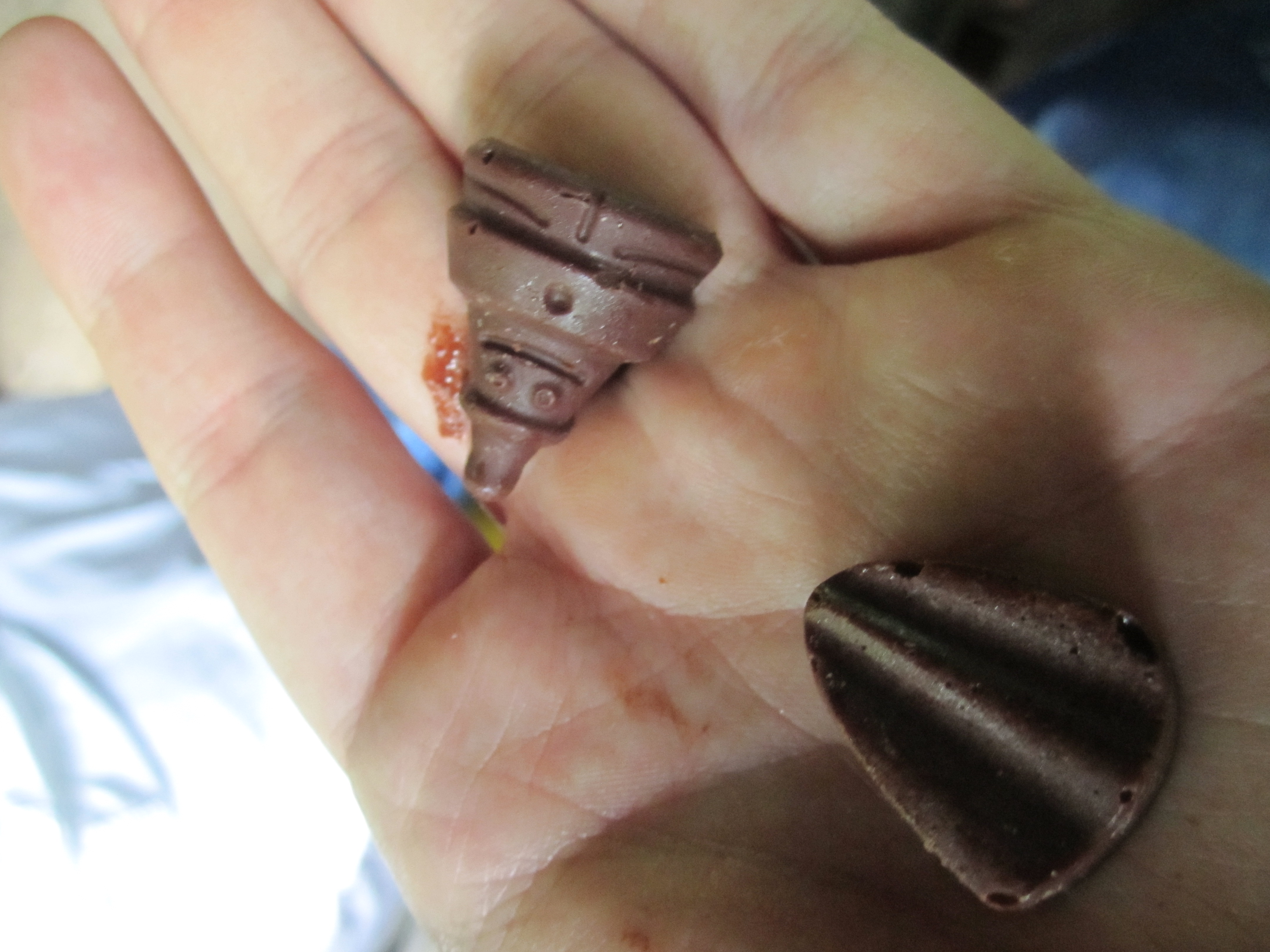
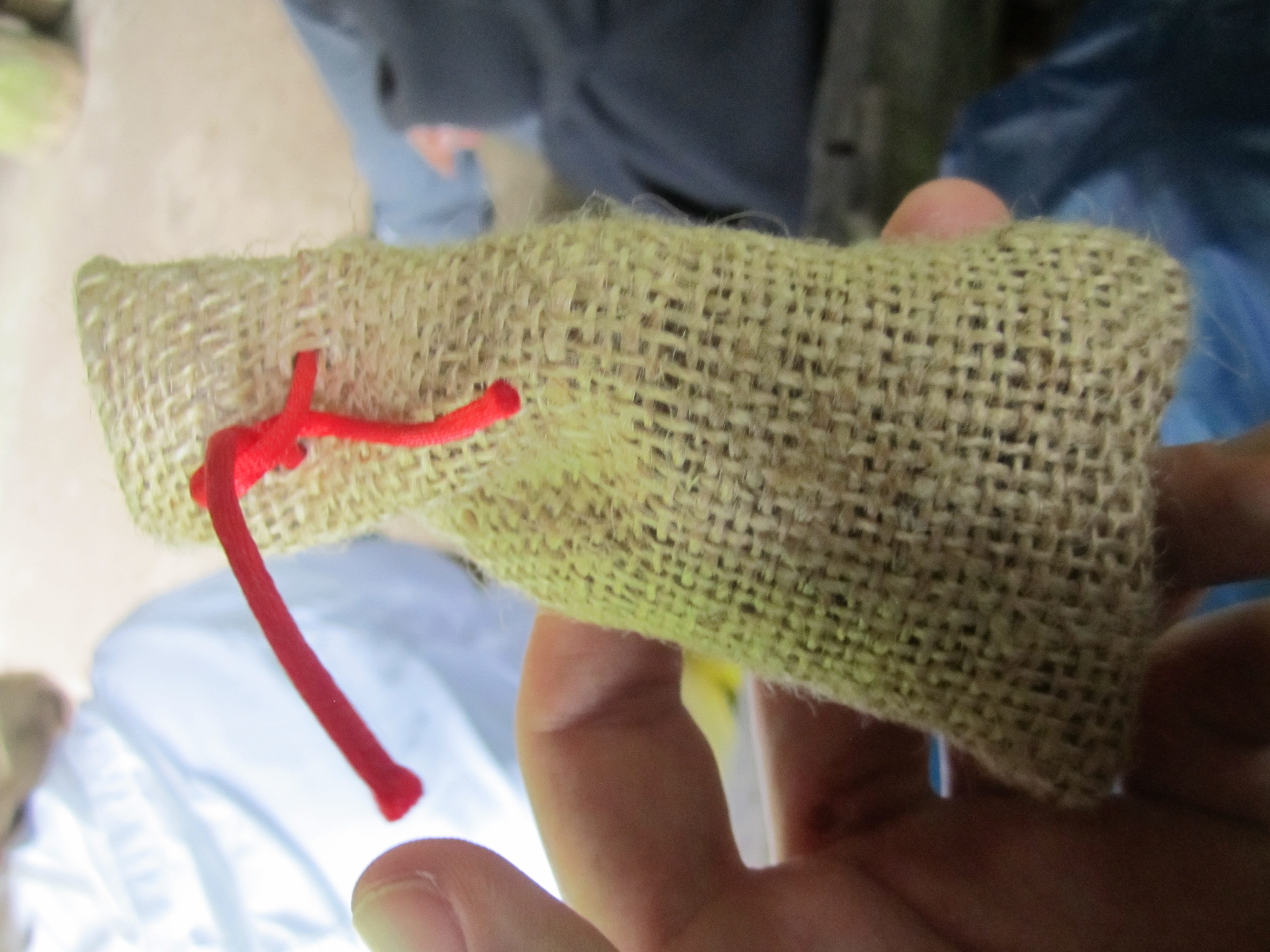
Too bad they didn’t allow us to mix in some tobacco and smoke it as the Maya once did.  Instead of scorching my lungs, I went for a literal hot chocolate with a lot of chile, some ground pepper, a dash of vanilla extract, and some corn starch to thicken the drink.  It was plenty spicy, but I didn’t note any thickening of the watery mixture. IMG_4123 The chocolate was sublime as we sipped to the sound of the gently falling rain and the rustling of agoutis in the underbrush and calls of exotic birds in the distance.  After that, we heard that the chocolate powder to make chocolate bars is first pressed to separate the cocoa butter from the cacao solids.  This is where our guide dropped a huge bomb on us:  white chocolate is not chocolate!!  What it actually is is a bar of cocoa butter, sugar, and condensed milk.  Basically it’s eating a bar of fat with no chocolate involved.  After pressing, the cacao solids are then melted in a kiln and the result is liquid deliciousness.IMG_4124  We got to eat spoonfuls of the milk chocolate goop along with two fresh chocolate shapes. IMG_4126IMG_4129 IMG_4130 To end the demonstration, we got a bag of cocoa beans that we could cook at home or exchange for post cards.  IMG_4131Like Gollum, I kept my precious to eat at home.  On our walk back through the forest we saw real cocoa pods on the trees that were infected with a fungus that shut down the chocolate plantation that used to be in that very same jungle.

Red cocoa pods infected with black fungus.

Red cocoa pods infected with black fungus.

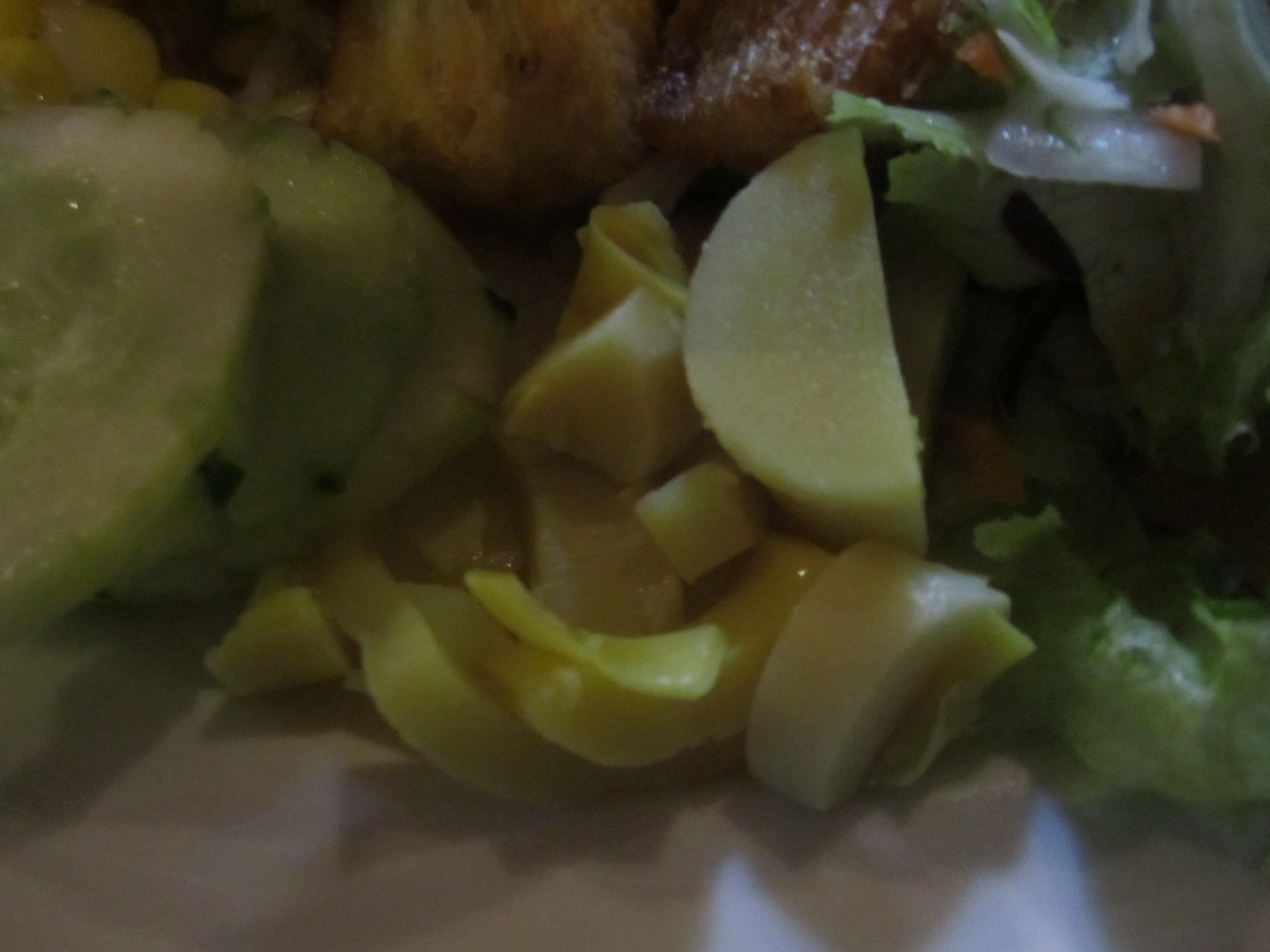
This fungus devastated the chocolate industry in Costa Rica, and that’s why the biggest chocolate producers are in West Africa now.  We went back to the entrance for lunch which was another buffet with rice and beans, but there were also three new items on the menu:  heart of palm, fried yuca, and chayote. IMG_4135 The heart of palm is a vegetable that literally comes from within certain palm trees, and I could liken it to a non-offensive artichoke.  The fried yuca literally tasted like deep fried potato slices, and the chayote tasted like squash.

Heart of palm and chayote

Heart of palm and chayote

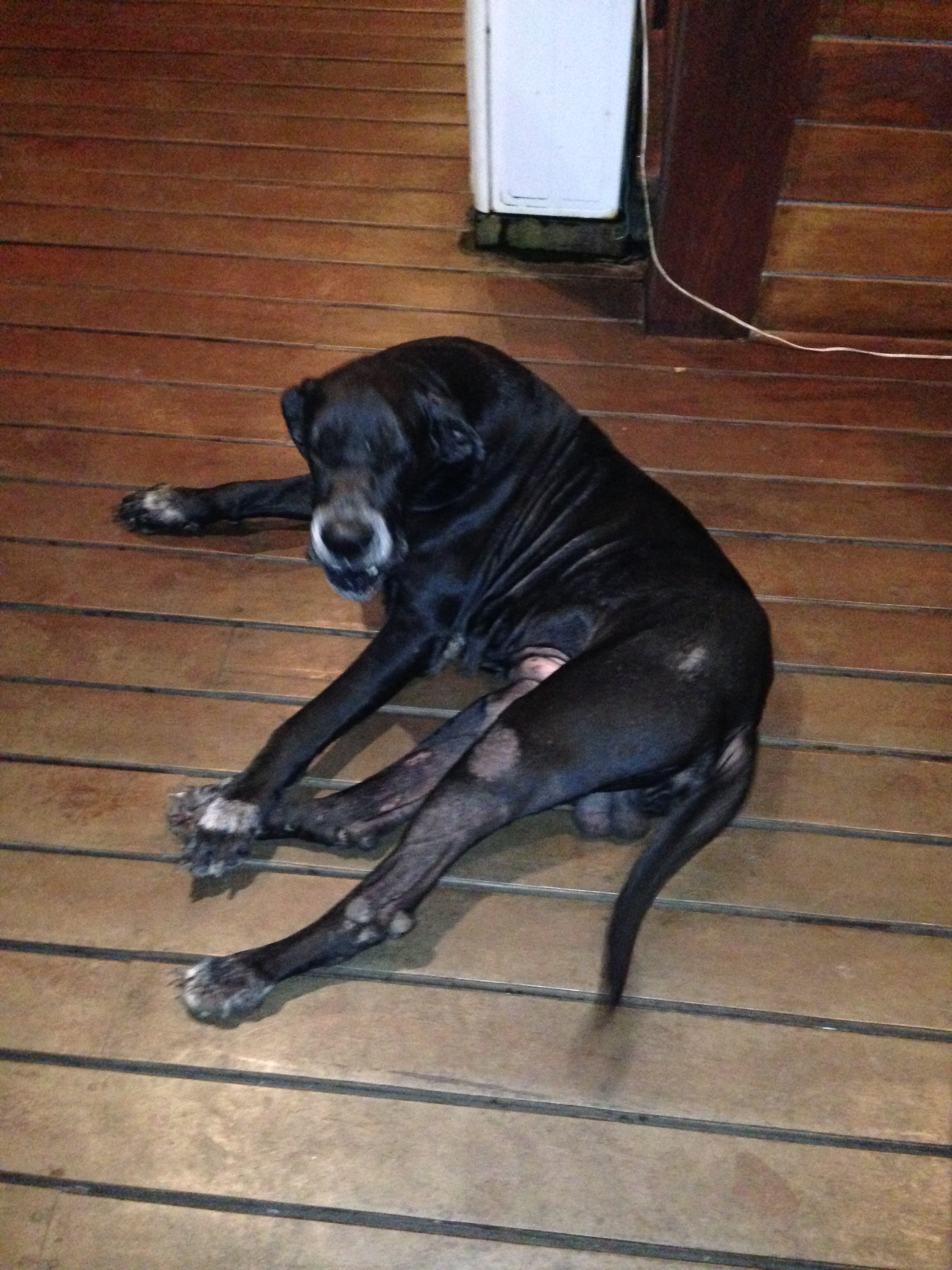
For dessert, there was flan that was not too runny that I really enjoyed especially with the drizzle of super sweet caramel on top.IMG_4139  Once we finished our tour in the national park, our bus driver took us back to the roadside restaurant and gas station where we got our empanadas in the morning.  Janice and I broke off from the group with our new driver, Rigoberto, to go to the Caribbean coast since we were going to see the Sloth Sanctuary the next day.  After a long drive and night had fallen, our cordial driver stopped in the port city of Limón.  Our condo owner, Mark, warned us of drug trafficking and violence in the town, and it fit the bill.  Large groups of shady guys hanging out on street corners.  Prostitutes chilling outside truck depots.  Kids lighting off firecrackers in huge groups of people that could have been mistaken for gunshots.  Rigoberto, a native Costa Rican, looked super wary as we parked the car outside a typical Costa Rican greasy spoon diner or a “soda” in Costa Rican Spanish called Happy Landing.  He made sure we left nothing in the car, and looking at our surroundings I could see why when he said many people don’t like to come to this area.  We walked in, and the place could have used new lights and a new coat of paint.  IMG_5221 IMG_5220We looked at the menu, and it was all Chinese food!  Classic Costa Rican cuisine haha.  I decided to get the chow mein, and Janice just got fried chicken.  While we were waiting, Rigoberto got randomly pulled into a convo with a guy who had at least ten empty beer bottles in front of him on the table (see pic above; drunky is in plaid).  Eventually, my food came out, and it was the most ridiculous Chinese meal I’ve ever eaten, and I’ve eaten some interesting things in China. IMG_5223 IMG_5224 They fried the noodles, and put them on the side like a bread basket or something like that.  The ingredients were all mushed together and not very flavorful.  Janice’s fried chicken came out way later than my plate or Rigoberto’s for some reason, but this diner was not worth stopping for.  We safely made our way out of the drug port and deeper into the dark jungle to find our hotel.  Rigoberto hadn’t been to the coast since 1986, so he was as lost as we were.  Google Maps to the rescue!  We eventually had to traverse a dirt and gravel path in the jungle to get to our destination, Kenaki Lodge, that was across from the beach.  The gates opened, and we were greeted by a French woman and her poochy parade.IMG_5228  We quickly became friends with them, including my best bud the Great Dane. IMG_5227 It was a long day of adventures and food sampling that left us looking forward to the day to come as we fell asleep to the sounds of the waves crashing on the beach.

Costa Rica (Day 2)- Cruisin’ For Brews, Beans, and Bites

Posted on

As this Chicago winter rolls on, I seriously think that Janice and I brought back some of the sunny warm weather with us from Costa Rica.  Seriously, there has been little to no snow in Chicago, and I´m loving it!  However, today’s post is day 2 in my Costa Rica travelogue.  By the way, If you haven’t read day one on my blog, I highly suggest it if you are a seafood lover.
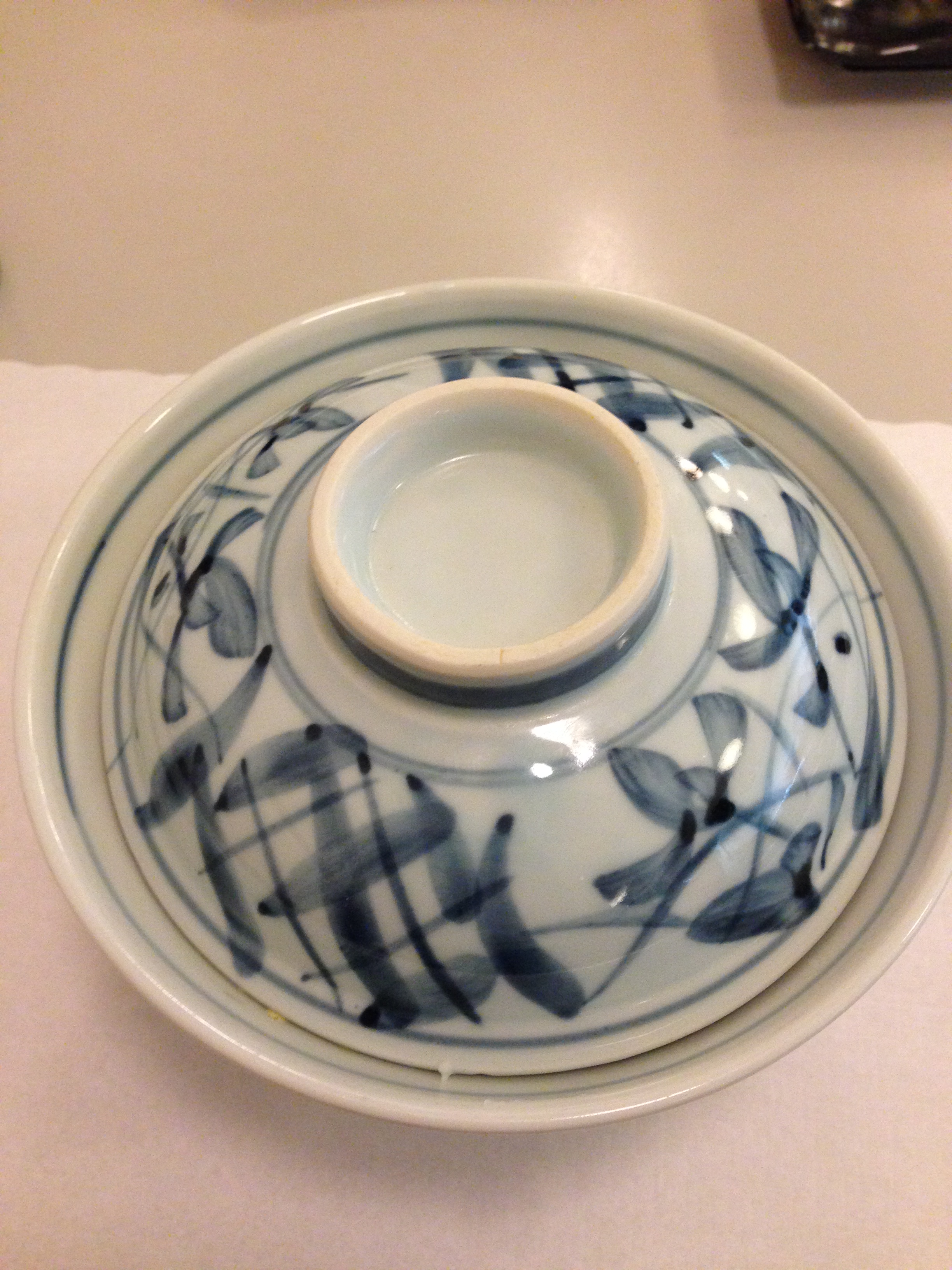
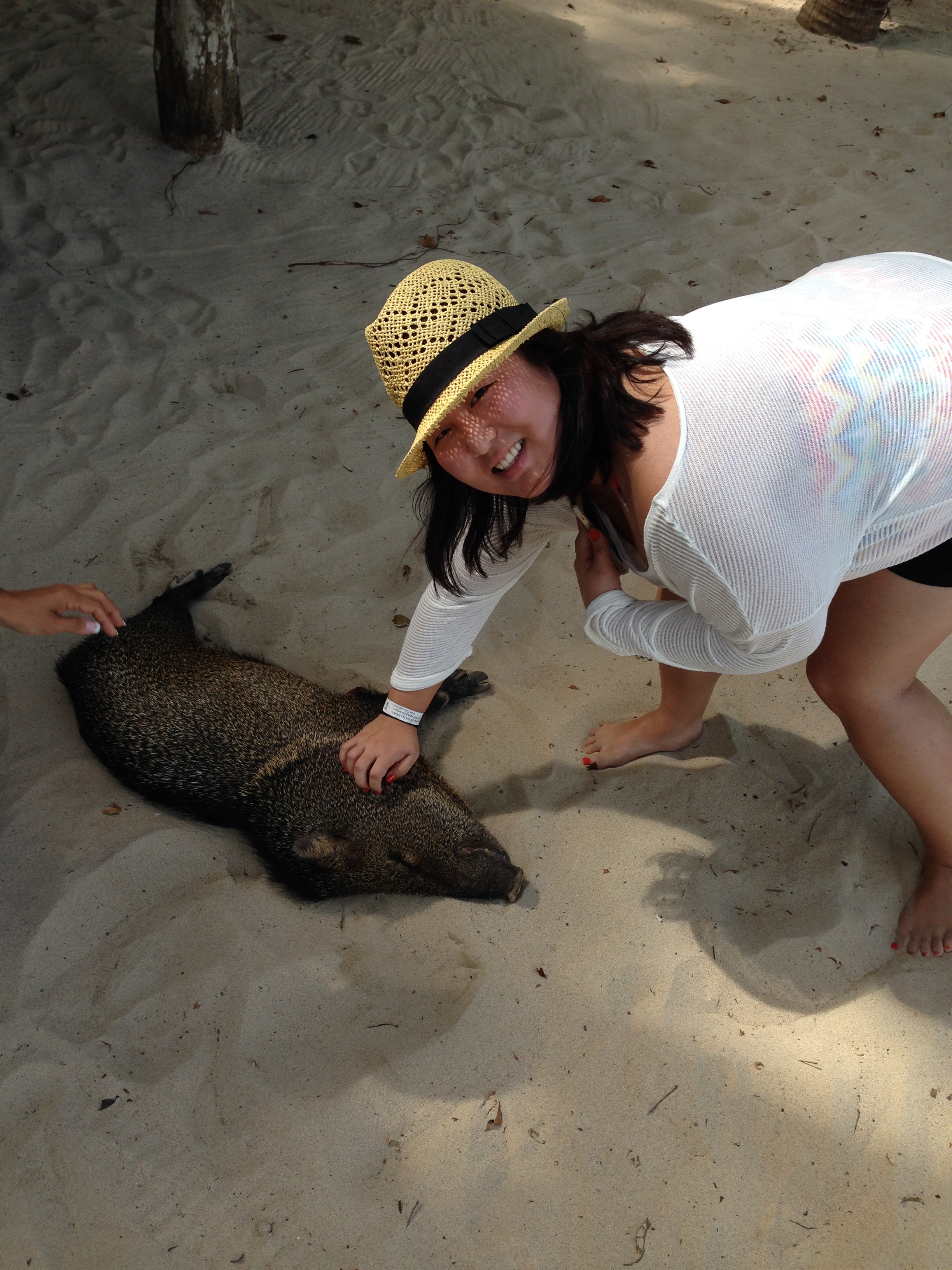
Anyway, day two kicked off with a classic Costa Rican breakfast that is a little bit different than the ol’ eggs, bacon, and pancakes as big as your face back in ‘Murika.  Instead, we were greeted with the quintessential Costa Rican breakfast of gallo pinto, tortillas, and two different types of plantains.   IMG_5097First, there is gallo pinto (“spotted/painted rooster” in Spanish) whose name is derived from the ingredients bearing a resemblance to a type of cockerel.  As for its origins, some believe the dish came over with the African slaves that migrated into Latin America while others believe it came from Spain where its known as cristianos y moros (Christians and Moors).  Whatever you call it, it was delicious.  It wasn’t heavy but very filling and flavorful.  I could see that it came from humble but rich roots with the black beans mixed in with the seasoned and fried rice.  It made a great filler for the tortillas on the side to make small breakfast burritos which do not exist in traditional Costa Rican fare (not every Latin American country has tacos and burritos!).  I do have to say that the Costa Rican tortillas were better than any of their Mexican counterparts I’ve tried.  They are both corn based, but the Costa Rican ones were super resilient compared to their relatives up north.  That scored big points on my foodie scorecard.  As for the two different plantains, there were both baked and fried varieties.  While down in Costa Rica, I also learned the difference between plantains and bananas, and it isn’t the difference in size.  While bananas can be eaten raw, plantains must be cooked if they are to be consumed by humans.  If I had to pick one or the other, the fried ones were my jam like during day one, and they were the ideal sweet compliment to the savory rice and beans.  Once we finished our breakfast to the tunes of a marimba band, we were off on a catamaran to Isla Tortuga on the Pacific coast.IMG_5096  What better to go with the pristine view of the Gulf of Nicoya than a cold, Costa Rican beer?  So, I got an Imperial which is the official beer of Costa Rica.  IMG_5103Once again, this supposed king of beers was a mere pretender to the throne.  It was an average, light lager that was crisp and non-offensive for a beautiful day.  Once we landed on the postcard that was Isla Tortuga, we enjoyed snorkeling, swimming, and some breathtaking views.  IMG_4022When it came time for lunch, it was anything but normal.  First, we were summoned to the feast via a conch shell.  Then we got a full salad bar that was freshly made in the kitchen hut.  The mixed salad was verdant and coated in a semi-sweet vinaigrette, but I was more partial to the cucumber and onion mix.IMG_4005  It was smooth and filled with some funky dill that made a potentially bland salad really pop.  IMG_4007IMG_4006The real star of the show though was the local peccary that Janice quickly made friends with.  Apparently this wild pig has been coming by the cookouts for over 15 years, and the marimba music was almost like its intro song.IMG_4010  It was very friendly and fell over whenever someone would pet it.IMG_5112  I could see that it was smarter than it looked since it worked the room by getting free food from each table.  Lunch was much more elaborate in the form of a full meat and veg platter complete with a Hibiscus flower for a flourish.  This meal didn’t even need a flower to be fancy and eye catching.  IMG_4014The chicken breast was muy sabroso  (very tasty) with just the right amount of char-grilled flavor to compliment the sweeter, coconut based curry sauce that had specks of the white fruit sprinkled on top.  The bread was warm and soft, but the butter was oddly bland.  I especially enjoyed the vegetable hash on the side that consisted of pan-fried carrots and cassava strands.  As for dessert, it was a rich but understated tres leches cake whose vanilla laced crumbs were topped with a drunkenly placed strand of whipped cream.IMG_4018  It, like most other Costa Rican meals, was fresh, filling, but not heavy like most American meals.  It gave us the energy to take on a lame banana boat ride and to savor the final views of that enchanting island that immediately made us realize of the beauty Latin America had to offer.IMG_5120

Costa Rica (Day 1): Eating With Royalty

Posted on

Merry Christmas and happy holiday season to everyone out there in cyberspace!  I hope this post finds you well, and you have been enjoying plenty of delicious dishes at some rockin’ parties.  Today begins the recounting of our (Janice and I) adventure to Costa Rica.  Why Costa Rica you might ask?  Well, it was the same price as a ticket to Texas, and we wanted some place warm.  So, why not go to a place that is a bit more exotic and less like King of the Hill? Then there is the question as to what exactly Costa Rica offers over more popular Latin American destinations like Brazil or Argentina or Mexico?  Easy.  A country that is an anomaly in the region in the sense of being a more European enclave surrounded by more indigenous/mestizo nations.  A country that has not had a standing army since 1948.  A country with the largest sloth sanctuary in the world (more to come on this particular Costa Rican highlight).  Another fun fact is that our trip to the land of Pura Vida is that it was one of my best vacations ever thanks to my lovely travel partner and delicious food that we sampled all over the country.  Day one takes us to a local favorite in San Jose, the capital city.
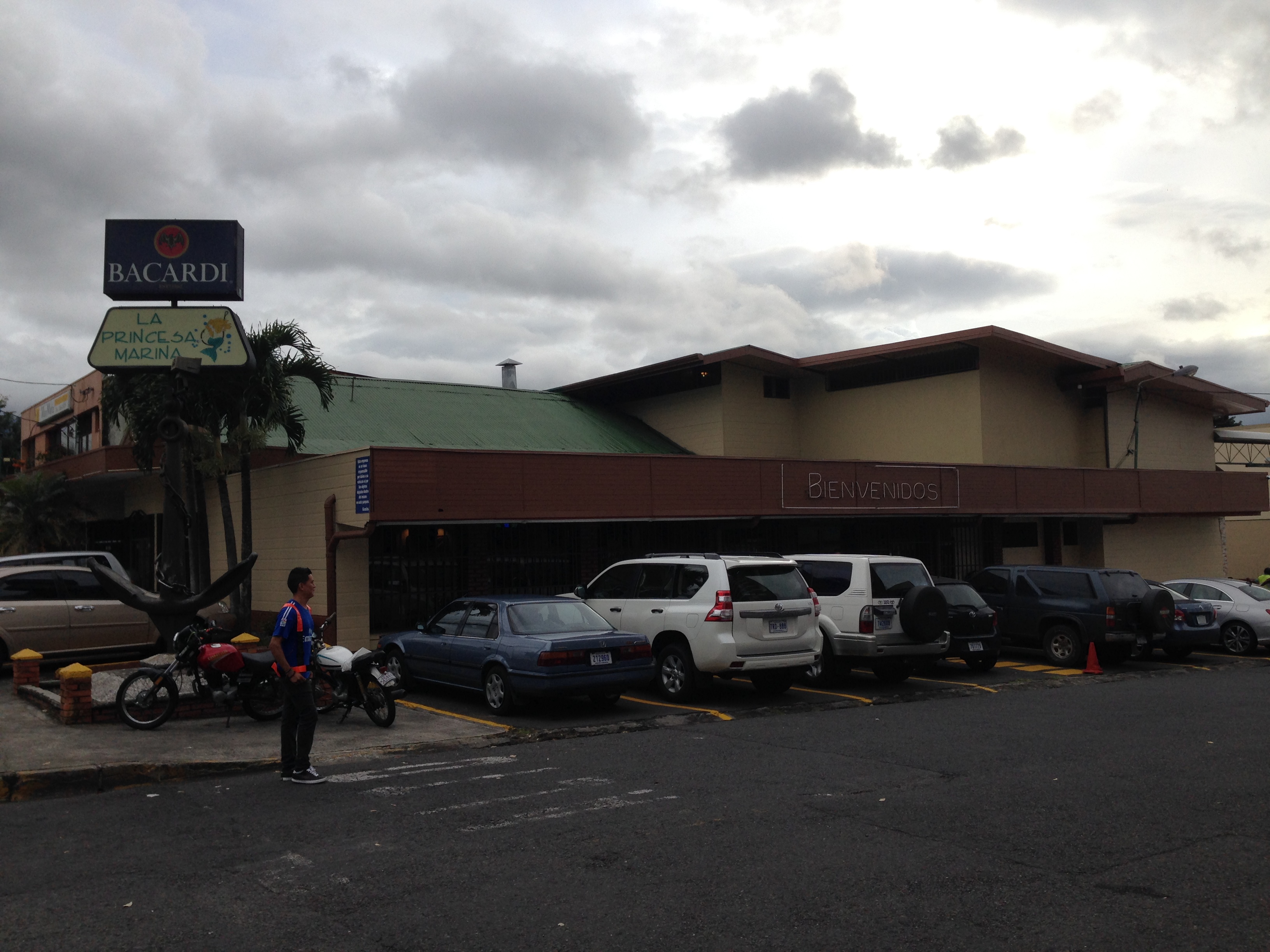
When we landed in the country, we were greeted with sun, smiles, and warm weather.  Coming from typically frigid Chicago, I could only turn to Janice, chuckle, and say, “This is December”.  This became a common refrain when we witnessed something absolutely beautiful that would be instead frozen solid or coated in a sludge of melted snow if it was up north in Chi-town.  While being driven from the airport to our condo, we talked with the driver, Rigoberto, about what would be a good, local place to grab dinner.  He recommended La Princesa Marina (The Marine Princess), and soon thereafter, our condo owner also confirmed that it would be a perfect way to kick off our vacation.

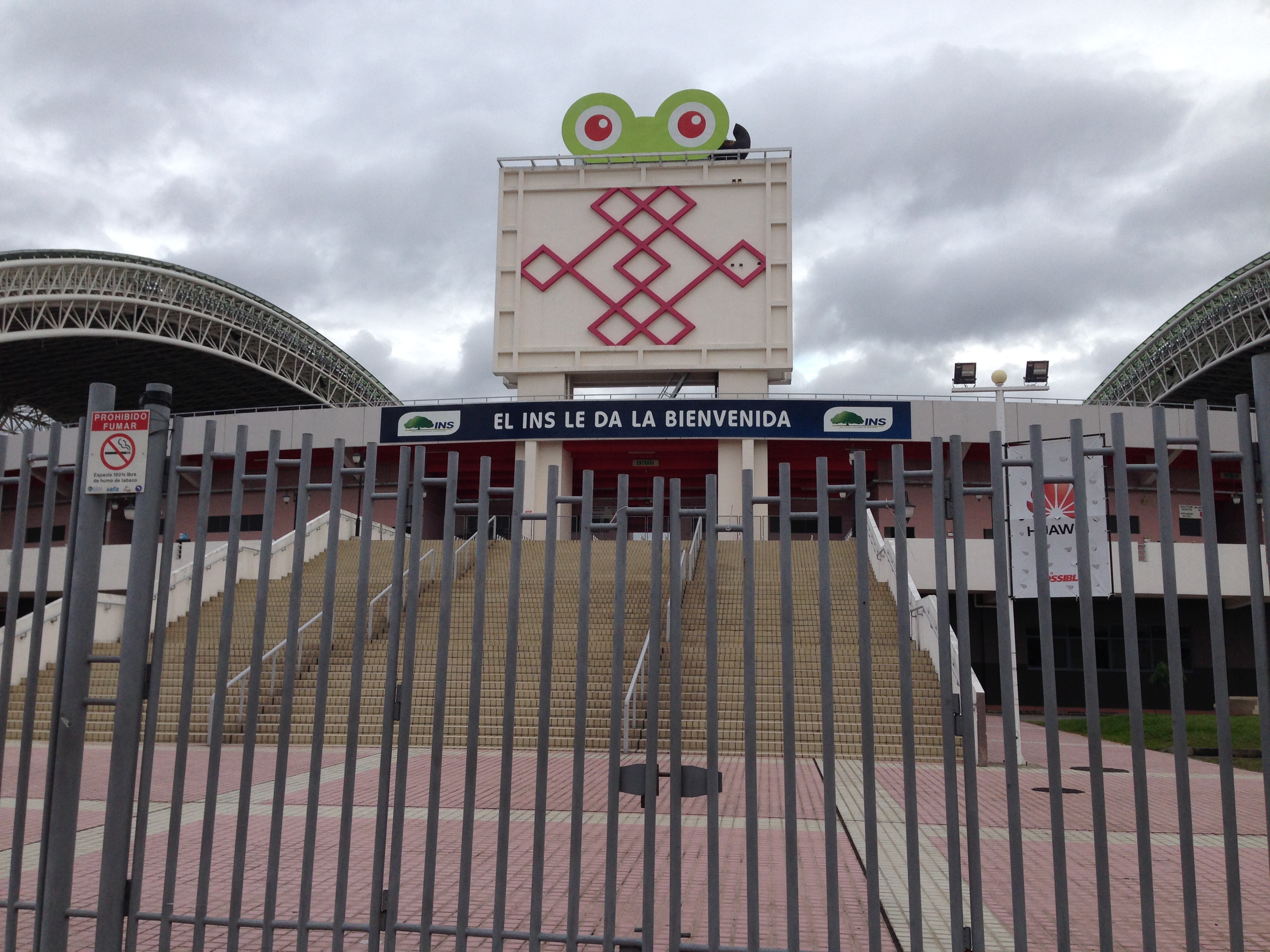
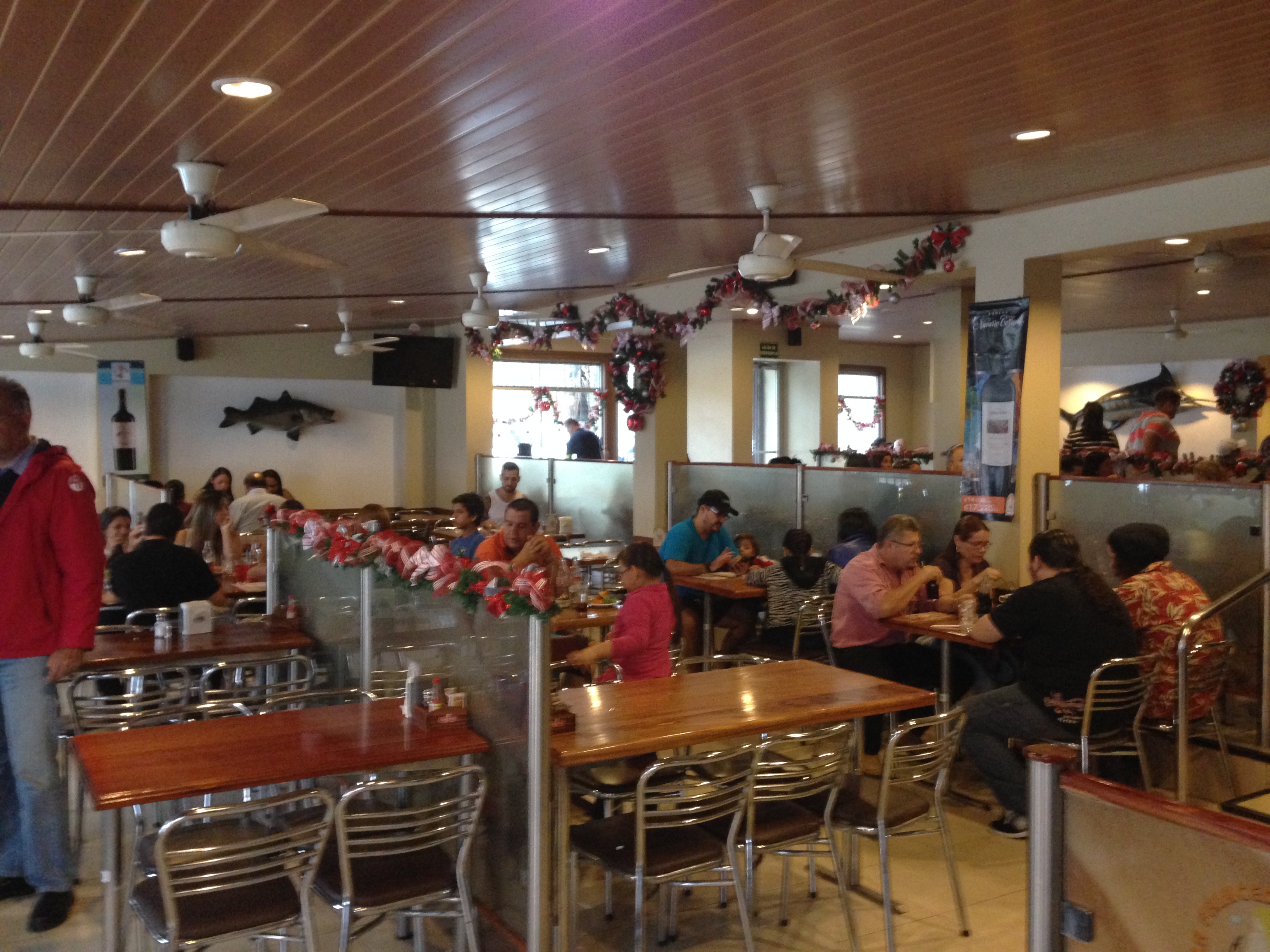
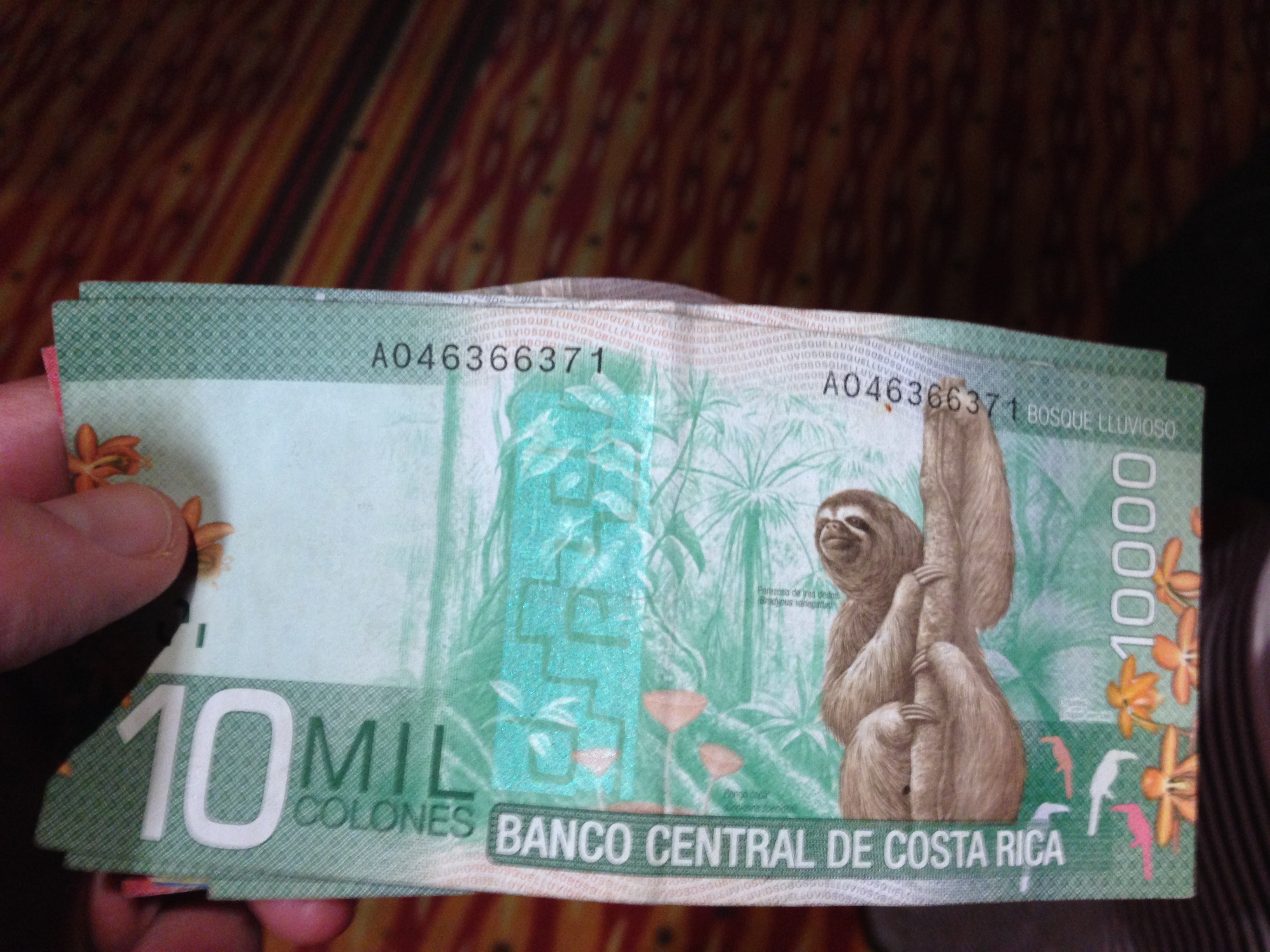
We caught a ride with the condo owner, and eventually arrived at the door.IMG_5082  I couldn’t give you directions there since Costa Rican street names aren’t the best, and most locals rely on landmarks to show you the way.  Ergo, the biggest thing by the establishment is the Estadio Nacional de Costa Rica shown below (the national soccer stadium build by the Chinese curiously enough).  IMG_5086It was moderately packed when we walked into the place since local soccer club, Saprissa, was getting ready to play the final game of the season against neighboring Heredia. IMG_5080 Apparently this is one of the big, rowdy hangouts when the big matches happen.  Luckily, we came there way before kickoff, so we weren’t caught up in any type of hubbub. IMG_5081 Most of the staff were rocking their Saprissa jerseys though.  Janice and I just had our game faces on as we were looking over their giant menus that were in both English and Spanish, and there were two columns of prices that indicated the price before and after tax.  I never saw that anywhere else in the world.  Obviously, La Princesa Marina is a seafood place, and Costa Rica is known for their amazing frutas del mar.  Naturally, we kicked it off with two different types of ceviche, camaron con aguacate (shrimp with avocado; 3,690 colones/$6.80) and corvina con aguacate (sea bass which is a local specialty with avocado; 3,320 colones/$6).  NOTE:  They accept both Colones and USD in Costa Rica in most places, but the exchange rate is really messy when trying to convert between the two which made it difficult for us to determine what was a good or bad deal.  They say use USD, but I’d recommend using Colones because it’s less of a headache.

Sloths!

Sloths!

To drink, I got a Costa Rican Bavaria Gold ( 1,905/$3.50).  That came out first, and it was nothing special. IMG_5065 It was a pilsner that was slightly bitter and had hoppy notes, but it was pretty watery overall.

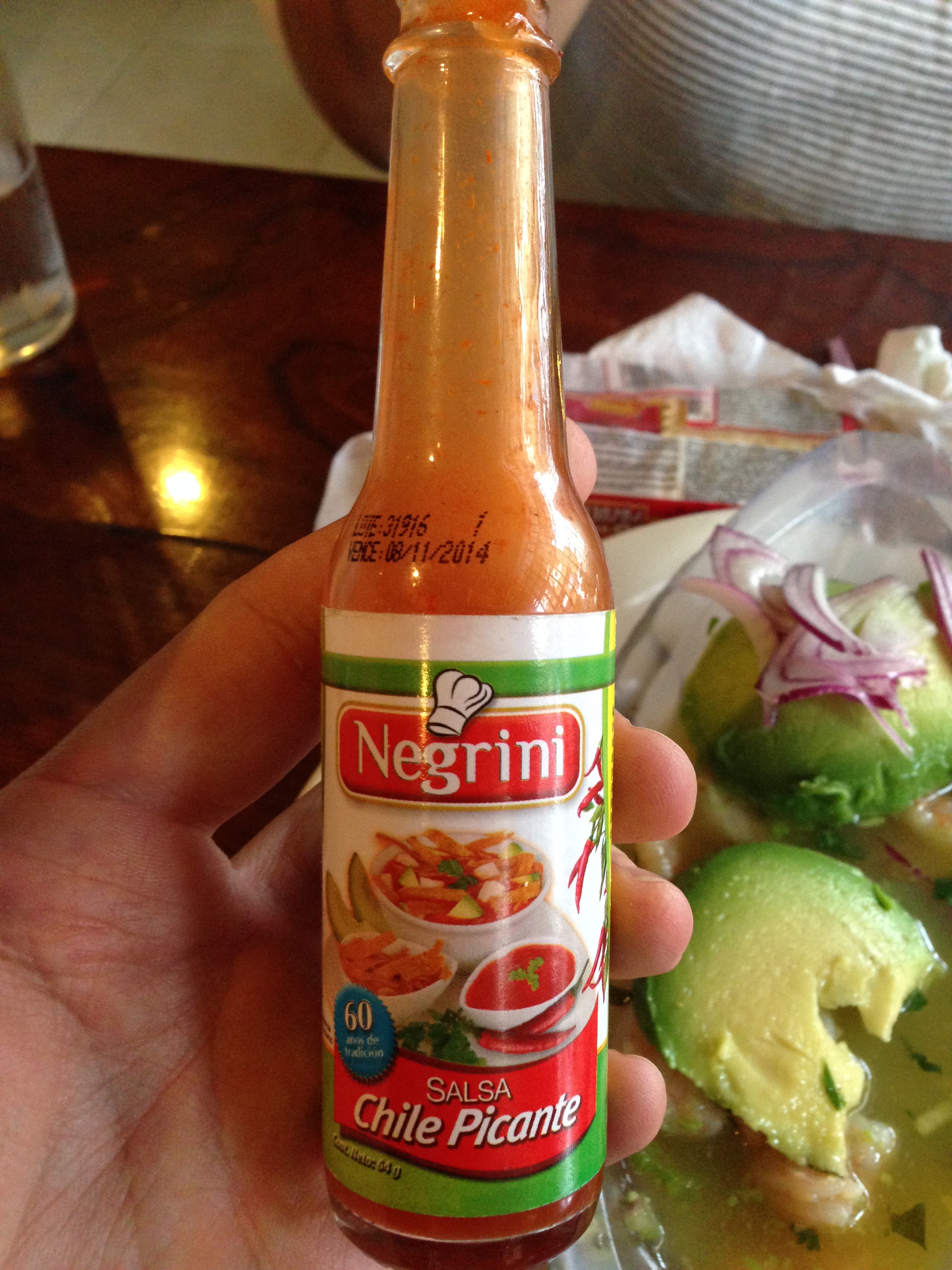
When they all came out, I was pleasantly surprised.  Now, I’m not a big fish guy beyond shrimp and tuna fish sandwiches, but this ceviche really won me over.  Ceviche has a colorful history that stretches back over 2,000 years in Peru (originally called siwichi in Quechua) that was first invented by Inca populations that then adopted the citrus fruits like oranges, limes, and lemons that the Spanish explorers brought with them compliments of their former Moorish overlords.  The dish basically hasn’t changed since then since it still consists of raw fish that is “cooked” by the citric acid from the aforementioned fruits, in this case lemon and lime.  However, it was a bit different than Mexican ceviche I’ve tried that had tortilla chips on the side instead of the saltines the Costa Ricans preferred.  Plus, it had a lot more liquid in it which was similar to an Ecuadorian variety I sampled at a family friend’s party.  Either way, I sampled both and liked the shrimp ceviche better. IMG_5068 I found the corvina to be good, pure white sea bass, but it didn’t have the chewier texture that the shrimp brought to the table.IMG_5066  For both, I loved the combination of smooth avocado with the onions, cilantro, and tangy citrus juices that I kicked up a notch with a trusty local hot sauce that I could liken to a kind of Tabasco. IMG_5071 I wasn’t a huge fan of the saltines as a means of transporting the tasty ceviche from bowl to mouth due to the crumbliness of the cracker, so I guess I enjoy the Mexican ceviche more in that aspect.  Once we were almost done with our ceviches, our main plates came out.

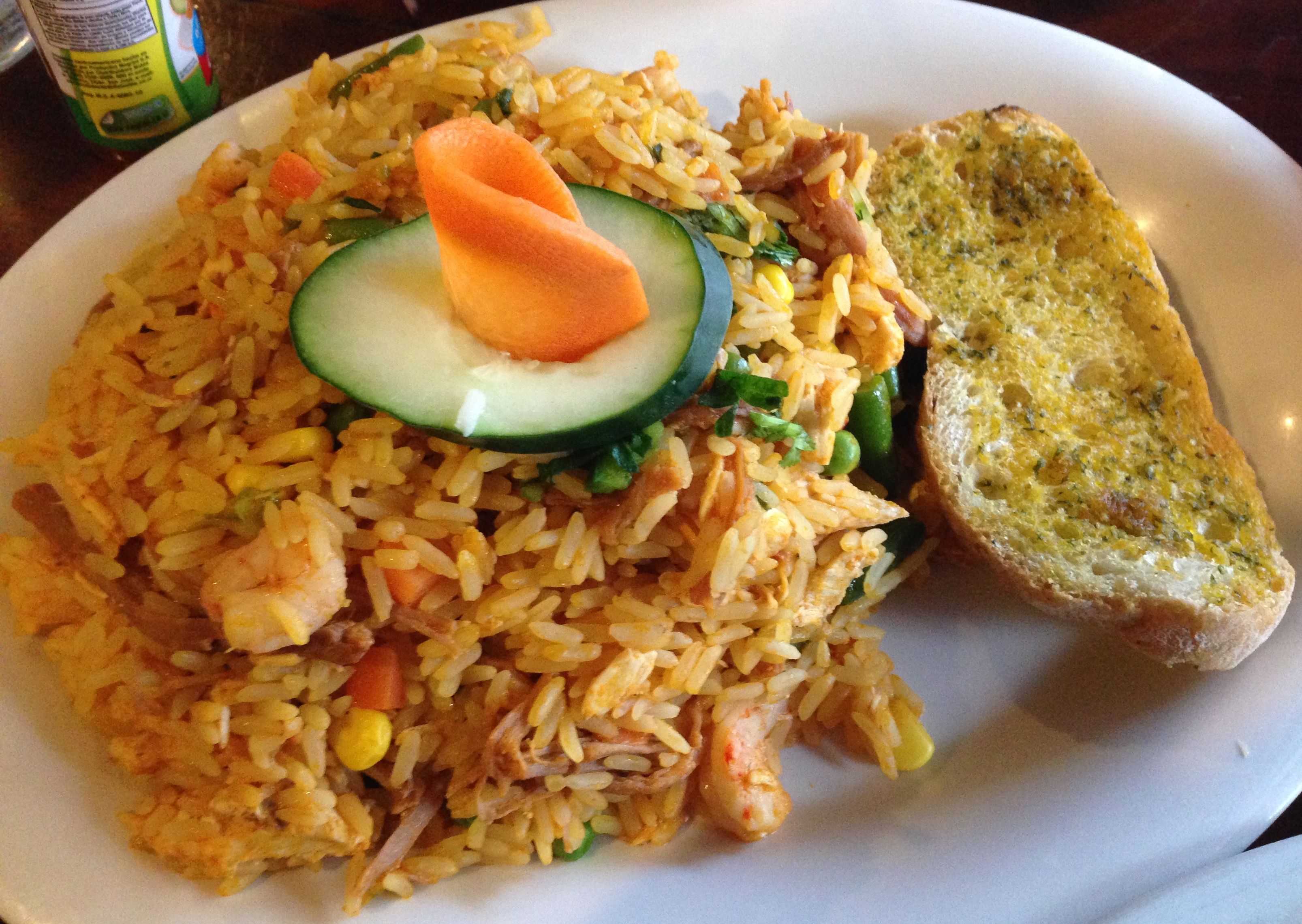
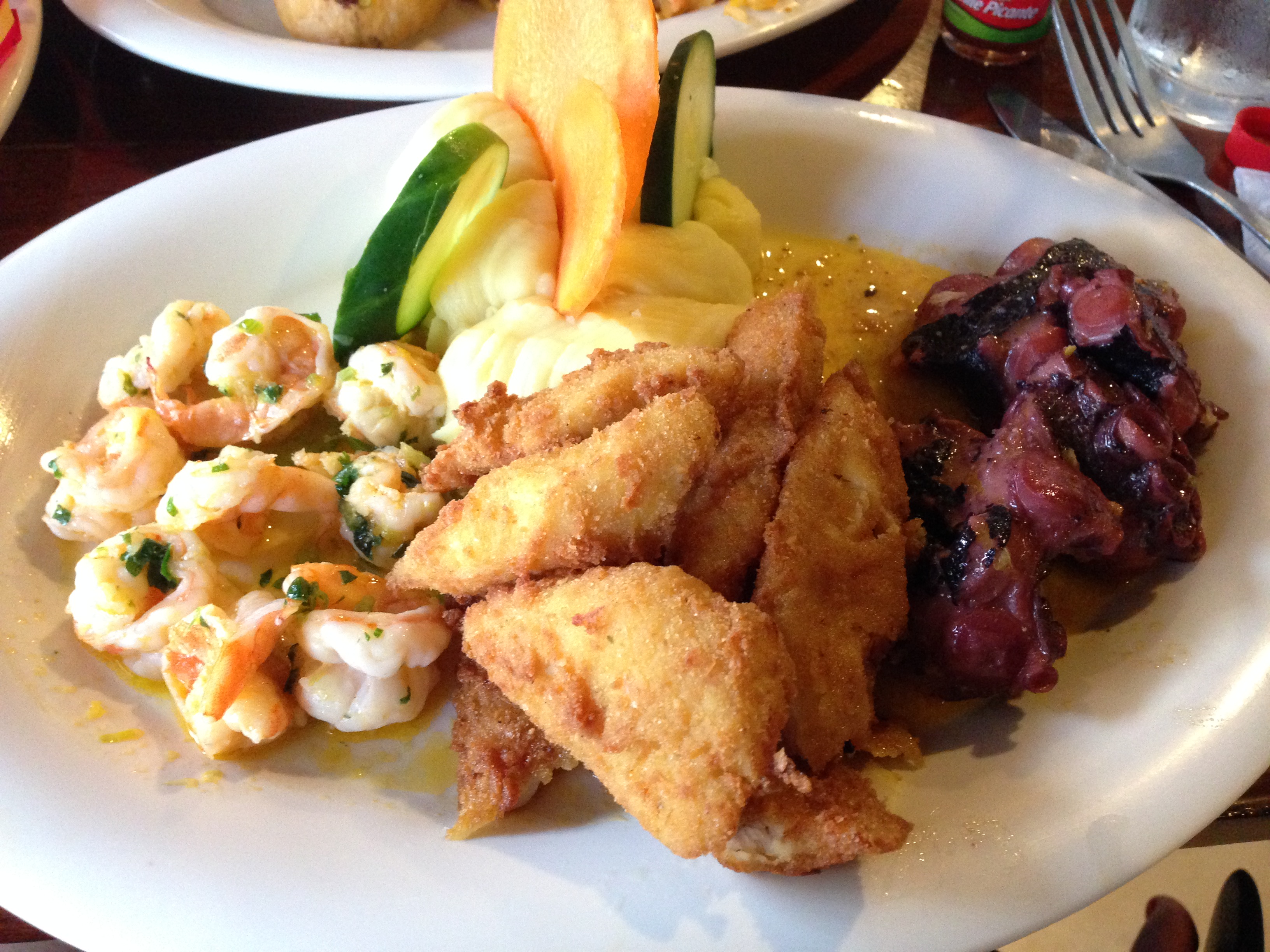
First, there was my arroz de la casa (rice of the house;  4,180/$7.75) which was a ton of cooked rice that was seasoned and filled with shrimp, pork, chicken, and a mix of vegetables. IMG_5074 It was similar to the rice side dish found in almost every Mexican restaurant in terms of the orange hue, slightly buttery flavor, and corn and peas lurking amongst the grains, but the meat really jazzed up this side dish to make it one of the highlights of the meal.  My lomo en salsa jalapeña (sirloin in jalapeño pepper sauce; 5,535/$10) was also fantastic.IMG_5072  The steak was seared to perfection, and the spicy sauce was filled with onions, peppers, and extra spicy jalapeño slices.  Not only did I have the huge slab of meat in front of me, but there was a cup of fried plantains, plain white rice, and black beans on the side.   IMG_5075I ignored the rice, but the fried plantains were wonderful since they tasted like a mix of caramel and bananas.  As for the black beans, they were interesting since there literally was a piece of pork sticking out of the ebony muck like the sinking Titanic.  However, this doomed piece of pork imparted its flavor to the beans that were scrumptious, and soon thereafter had a one way ticket to my stomach.  Then there was Janice’s mixed plate of shrimp, fish filets, and octopus (plato surtido de camaron, filet, y pulpo 7,380/$13). IMG_5076 Even with the wonderful seafood in the ceviche, Janice was quite disappointed with this mixed plate, and she loves seafood which is saying something.  It looked like the shrimp were cooked and marinated in some type of butter/olive oil sauce with herbs, but I didn’t try them or the fish filets. IMG_5077 The filets just looked like fried pieces of corvina, so I’m sure they weren’t anything special. IMG_5079 As for the octopus, if they were cut in slightly smaller pieces with a pinch of paprika, I would say it was just as good as the pulpo gallego I had in Santiago de Compostela in Spain. IMG_5078It was so fresh that the suction cups still would stick to the plate, and it was neither too chewy nor too soggy.  Definitely the king of this sea platter.

When it came time to pay, I found out that I had go up to a cashier window that looked more at home in a liquor store than a restaurant since it had bars on the window and a small opening where receipts and money were exchanged.  While paying, this was where I first found out how screwy the currency was since our bill came out to roughly $50 bucks.  I paid in USD, and I got Colones back and mixed change, i.e. there were 100 colon coins, 500 colon coins, and then some nickles thrown in there for fun.  Seriously?  Nickles?  Either way, La Princesa Marina was a filling and satisfying way to kick off our vacation, and got us ready for the adventures to come.


OpenTable: A Land of Delicious Opportunities

Posted on

Chicago. The Windy City. The City of Broad Shoulders. Whatever you’d like to call it, I just call it home. It is a city known for its skyline, architecture, and especially the food. The dining culture in Chicago is unique due to a variety of factors, but I plan on highlighting the cultural diversity that contributes greatly to the food scene throughout our great metropolis. Although there are numerous communities scattered throughout Chicago, I only have room for five ethnic groups, so get ready for some great Italian, Polish, Chinese, German, and Mexican dishes.  You can find most of them online on OpenTable’s Chicago restaurants  page where you can then make reservations to enjoy all the great meals they have to offer.

1.  Al’s Beef

IMG 3211 150x150: Top Five Ethnic Eats in Chicago   Food and TravelWhen most people think of Italian food, they think of pasta or pizza, but how about beef? Italian beef is a Chicago invention that originated in the Little Italy neighborhood on the Near West Side on Taylor Street. Like many great dishes, it was born out of necessity in hard times. During the Great Depression, Italian families had to make the most out of the cheap cuts of beef they were able to afford. Therefore, they first soaked it in spiced broth to soften up the tough pieces of meat, and then they cut it into razor thin pieces to be eaten on a roll. Thus the Italian beef sandwich was born.

Today, there are many Italian beef sandwiches throughout Chicago and the Chicagoland area, but Al’s Beef on Taylor Street is the original sandwich stand starting all the way back in 1938. It has been featured on the Today show, Man Vs. Food, the History Channel, and even Good Morning America as one of the best sandwiches and restaurants in America. Al’s Beef may have a big reputation, but it is an extremely simple establishment. It’s a modestly sized building with a small parking lot alongside it. Upon walking in, you’ll be greeted with a simple menu that includes not only Italian beef sandwiches but also other Chicago specialties like Chicago Polish sausage, Chicago style hot dogs, and Italian sausage. I always go for the Italian beef sandwich since that is Al’s specialty, and it’s prepared the same way they did back in 1938.

You can order it depending on what kind of toppings you like: plain, sweet (grilled mild green peppers), hot (giardiniera or pickled vegetables), or cheese for an extra charge. Once you’ve picked your topping, then you have the option of how much of the seasoned beef broth you’d like on your sandwich. It ranges from dry (obviously with none) to wet (a little bit on top of the sandwich) to dipped (the authentic Chicago experience with the whole sandwich dipped in the broth). Once you have your sandwich, you can either order a soda or water to drink. Not much selection here, folks.

When it comes to actually consuming the meal, Al’s Beef is interesting in the sense that there are no traditional tables to sit at. Instead, there are only chest high counters that go around the inside of the establishment. Therefore, you must master the Italian stance. What this consists of is putting your forearms on the edge of the counter and moving your feet back about two feet. This provides stability and avoids getting any of the sandwich on your clothes. If you have room, I’d recommend walking across Taylor Street to Mario’s Italian Lemonade for dessert to taste another relic of Italian American pride in Chicago. So, if you want a one of a kind piece of Chicago Italian culture for a great price, check out Al’s Beef.

 1079 W Taylor St, Chicago, Illinois
(312)226-4017
http://www.alsbeef.com/ 
 
2. Podhalanka

IMG 3789 150x150: Top Five Ethnic Eats in Chicago   Food and TravelI stumbled upon an intriguing infographic that showed the top language, excluding English and Spanish, in all 50 states in the United States. Illinois’ third biggest language and ethnic group is people of Polish descent. At one time, there were more Polish people in Chicago than the Polish capital of Warsaw. While this is no longer true, Polish cuisine and culture is extremely strong throughout the city. I am one of the millions of people of Polish descent in Chicago, so I only felt it necessary to highlight a restaurant representing this community.

While there are tons of Polish restaurants I’ve tried around my grandparents’ neighborhood surrounding Midway Airport, I’d like to tell you more about a hidden gem on the North Side called Podhalanka. It is located in the Polonia Triangle, considered the oldest and most prominent of Chicago’s Polish enclaves. Therefore, Podhalanka is the real deal when it comes to no-frills Polish food for a great price. If you’ve never tried Polish food, this would be the most authentic you could get without hopping on a plane and landing in Krakow. This restaurant may have never been on the Food Channel or on Good Morning America, and frankly, Podhalanka doesn’t really care. They just care about providing scrumptious food with plenty of love to their customers.

While the inside and outside of the restaurant might lack of cutting edge design, it more than makes up for it through the food that is spectacular and the overall atmosphere. Podhalanka is filled with plenty of local flavor as the walls are festooned with various artifacts of Polish culture, and the bar is often occupied by old timers taking down some soup with a beer. The wait staff is also colorful as they are gruffer than your average American waiter, but they aren’t mean spirited.

Looking over the menu, they have a variety of soups, salads, and meat dishes. The wait staff might also just tell you what to get if you’re overwhelmed with the selection of foreign dishes. I’d highly recommend the Kotlet Schabowy which is a breaded pork cutlet that is huge and has a perfect, golden-brown bread crumb crust around a tender piece of pork.

Another great dish would be the żurek or sour rye soup. It’s not as gross as it sounds. Rather it’s more like a creamy soup filled with large chunks of hearty Polish kielbasa and a slightly sour aftertaste to offer a little zing with every spoonful. I had for my entree the Sztuka Miesa W Sosie Chrzanowym or boiled beef with horseradish sauce when I visited Podhalanka, and if you like cleaning out your sinuses while chowing down on a stick-to-your-ribs type of meal, I’d highly recommend it. So if you’re looking for a great Polish diner with giant plates for tiny prices, checkout Podhalanka.

 1549 W Division St, Chicago, Illinois
(773)486-6655
http://chicago.menupages.com/restaurants/podhalanka/menu

3. Cemitas Puebla

IMG 3559 150x150: Top Five Ethnic Eats in Chicago   Food and TravelThe Mexican community in Chicago has steadily been growing in the past couple of decades, and now one can find tacos, burritos, and quesadillas in restaurantes throughout the ciudad (city, for those of you who don’t habla espanol). However, there is one Mexican restaurant in a predominantly Puerto Rican neighborhood, Humboldt Park, that really took me by surprise. I’m talking about Cemitas Puebla.

I originally saw it on Guy Fieri’s Diners, Drive-Ins, and Dives, and I vowed that I had to visit it after seeing these mouthwatering sandwiches being made. They’ve also been featured on the local ABC News Chicago branch’s “Hungry Hound” segment and PBS.

So why choose Cemita Puebla over all the other Mexican taquerias in Chicago? Because they offer a unique dish from Puebla, Mexico that I have not seen anywhere else in the country. There is only street parking for this establishment, so make sure to get there before the lunch crowd rushes in. The outside of the restaurant is simple and advertises their appearance on the Food Network, and the inside operates on a typical line up and “Can I take your order?” system. The clientele are mostly families and locals from nearby businesses.

Their menu has a range of different cemitas along with other Mexican staples like tacos, burritos, and chalupas. However, I went for the signature cemita atomica or “atomic cemita” along with a cup of agua de jamaica or “hibiscus water”, a popular drink throughout Latin America that is kind of like sweet, red Kool-aid. The cemita I ordered consisted of a grilled, sesame topped bun piled high with breaded pork, roasted pork, and plain ham along with queso fresco, fresh avocado, and two complimentary bottles of mild and spicy tomatillo sauce on the side. I was living in hog heaven south of the border with this pig-tacular sandwich. It is a great place for lunch or dinner that is a bit out of the way, but it is a piece of Mexico that isn’t often represented in the Chicago culinary landscape.

 
3619 W. North Avenue, Chicago, Illinois
http://www.cemitaspuebla.com/
 
4. The Berghoff

berg 150x150: Top Five Ethnic Eats in Chicago   Food and TravelI chose the Berghoff since it is a pillar of Chicago’s ethnic and culinary background. Germans have resided in Chicago since the 1800s. Although their presence isn’t as large as it once was, the German community’s identity still remains strong especially during Oktoberfest when everyone is a little German to celebrate the harvest and that delicious beer that Deutchland makes.

What makes the Berghoff so unique is that it is a purely Chicago institution that opened in 1898 as a men’s only saloon that served free corned beef with the purchase of a stein of beer. Their beer sales were severely affected during the era of Prohibition, but when the ban was repealed in 1933, the City of Chicago issued the Berghoff liquor license number 1.

This tradition continues even today along with still being run by the Berhoff family in the form of the great-granddaughter of the Berghoff’s founder, Herman Berghoff. While they maintain many of their traditions, the menu has expanded to feature more contemporary favorites, including gluten-free dishes, which are side by side with typical German meals.

The interior is amazing with the rich, dark wood carvings and stained glass windows. It is a slightly more formal place, so I’d recommend not walking in with torn jeans or tank tops. They also do group events in their cafe and even cater for parties if you want to host a large party.

When I was there, I got and highly recommend the seasonal ox joint with pumpkin gnocchi. It was large, hearty, and had fall-off the bone meat. I haven’t tried their other plates, but if you’re a beer lover, they have a wide range of lagers, pilsners, and seasonals to quench your thirst. I’d also suggest visiting this German restaurant for their Oktoberfest celebration that is one of the best in Chicago. For the kids, The Berghoff makes their own root beer which became popular at The Berghoff during Prohibition, and there are other non-alcoholic drinks for those who would rather not imbibe while dining. So if you’re looking to raise a stein of beer with a friend or go out with a special someone while sampling some Old World fare, I’d highly recommend The Berghoff.

 
17 West Adams, Chicago, Illinois
(312)427-3170
http://www.theberghoff.com
 
5. Three Happiness

img 0800 150x150: Top Five Ethnic Eats in Chicago   Food and TravelChinese food is a cuisine of fusion and variety due the presence of numerous ethnic groups within the country along with traders from other lands over centuries bringing their own ingredients from their homelands to the Middle Kingdom. In the United States, we are used to the American Chinese classics like orange chicken, sweet and sour pork, and various fried rices. These dishes have their roots in Cantonese cuisine since most of the Chinese immigrants who emigrated to the USA during 1800s came from this southern region of China. However, there is much more to Chinese food than just fried meats covered in sweet sauce and cookies containing often cryptic fortunes.

I’d like to talk more about the Chinese tradition of dim sum which can be found throughout Chicago’s Chinatown. Although it is not as big as San Francisco’s Chinatown, Chicago’s Chinatown is the second oldest in America after Chinese laborers fled violent clashes with white settlers on the West Coast. It has plenty of great sights to enjoy like the Chinatown mural, the square, and the Chinese New Year celebrations. However, I’d like to highlight Three Happiness as a great restaurant for both traditional American Chinese fare and delicious dim sum.

There are two Three Happineses: the original next to the Chinatown gate or the new one next to the Chicago fire department. I’ll be talking about the new Three Happiness. I’ve been going there since I was little, and they have plenty of space for big parties or just a table for two. It gets pretty loud inside during peak hours, so it wouldn’t be the best spot for a romantic, candlelit dinner.

When it comes to the typical American Chinese dishes, I’d recommend their shrimp fried rice since it isn’t very greasy and the shrimp are plentiful and large. Their sweet and sour pork is great too because of the slightly spicy kick to the thick sauce that coats every piece.

I also would suggest trying dim sum which is like Chinese tapas where you have to order a few small dishes and then share them with everyone. How it works is that you’re given a list with pictures of the small plates, and you check off what you want. The server then takes it, and your plates come out to you in waves. Out of all the dim sum plates I’ve tried I’d recommend the sesame buns which are small pieces of fried, rice dough coated in sesame seeds. Inside there is a slight dab of red bean paste that isn’t overwhelming like how other places do these sesame balls. I’d also get the pork bao which are fluffy, white buns that are steamed and filled with barbecue pork. Watch out for these because they are addictive!

The last dim sum plate I’d recommend are the chicken feet just because they are not for the faint of heart and quite unique. While there isn’t a lot of meat on these poultry tootsies, it is entertaining to eat them while trying to strip the meat off the cartilage while savoring the sweet, orange marinade. Brush up on those chopstick skills! (seriously though, they have forks). So, if you want to taste a bit of authentic Chinese culture and take a walk on the wild side beyond Panda Express, check out Three Happiness and Chicago’s Chinatown.

 
2130 S. Wentworth Ave, Chicago, Illinois
(312)791-1228
http://chicago.menupages.com/restaurants/new-three-happiness/

Woosah at Yeowoosai

Posted on

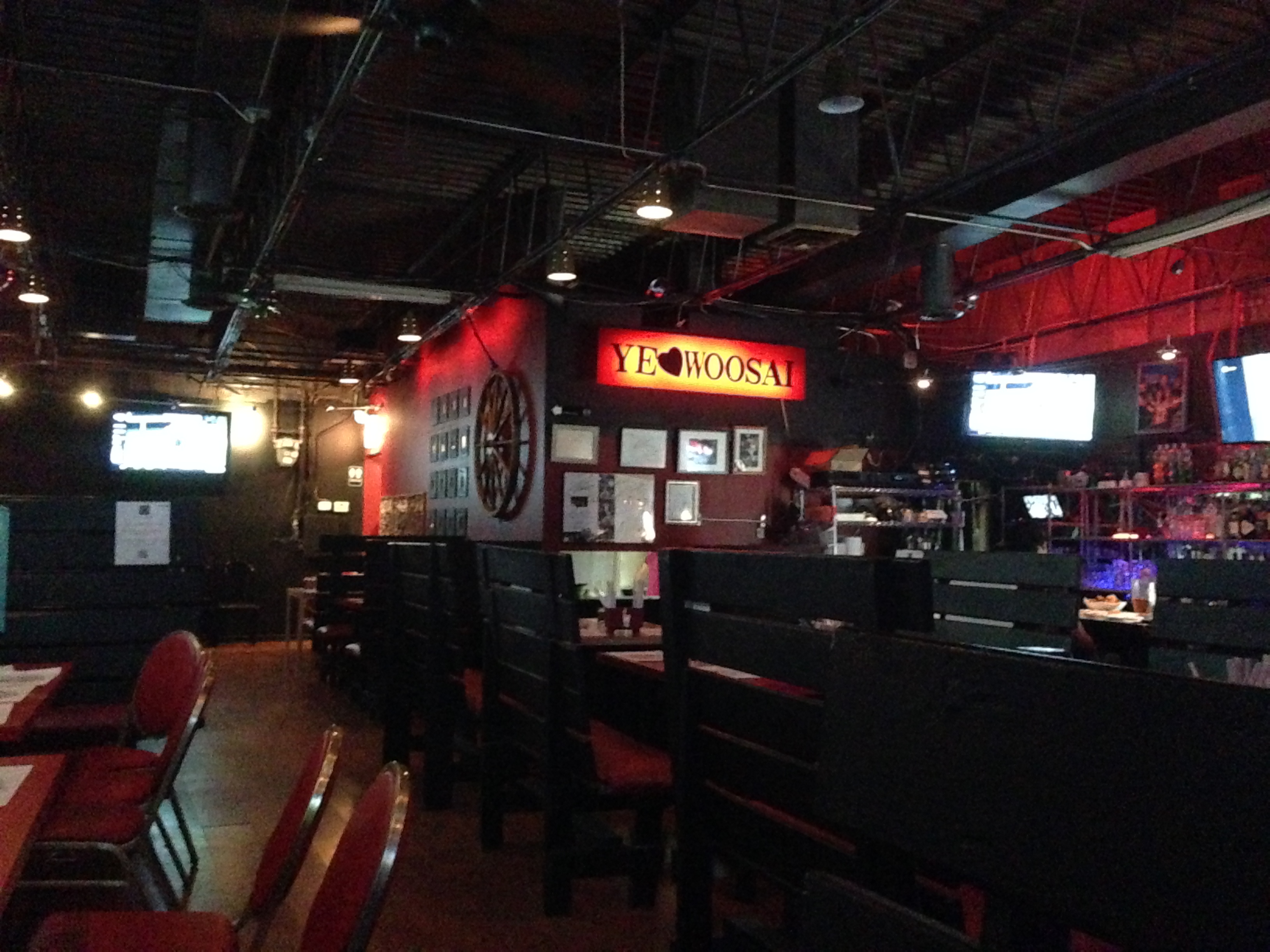
Fried chicken.  Is there any other food that is more quintessentially ‘Murikan?  Actually, I’ll have to stop you right there.  Fried chicken actually has its roots in Scotland where they coated their chicken and made it so much tastier than the boiled and baked versions of the poultry dish down south in England.  They carry on the tradition even today of consuming everything fried including Mars bars and cookies.  There is also evidence that West African cuisine utilized fried chicken for ceremonial meals.  Ergo, when both European immigrants from Scotland and African slaves arrived in the American South, the culinary traditions of both groups became woven into the fabric of the multi-colored patchwork that is our country’s food history.  However, what many people wouldn’t associate with fried chicken is Korea.  In fact, during my time in the Land of the Morning Calm, I sampled some of their fried delights that were an extra-greazy reminder of home in an otherwise kimchi-laden environment.  However, Yeowoosai in Chicago’s Koreatown manages to combine both American and Korean cuisine with a sports bar atmosphere that conveniently has a noraebang (or karaoke) attached.

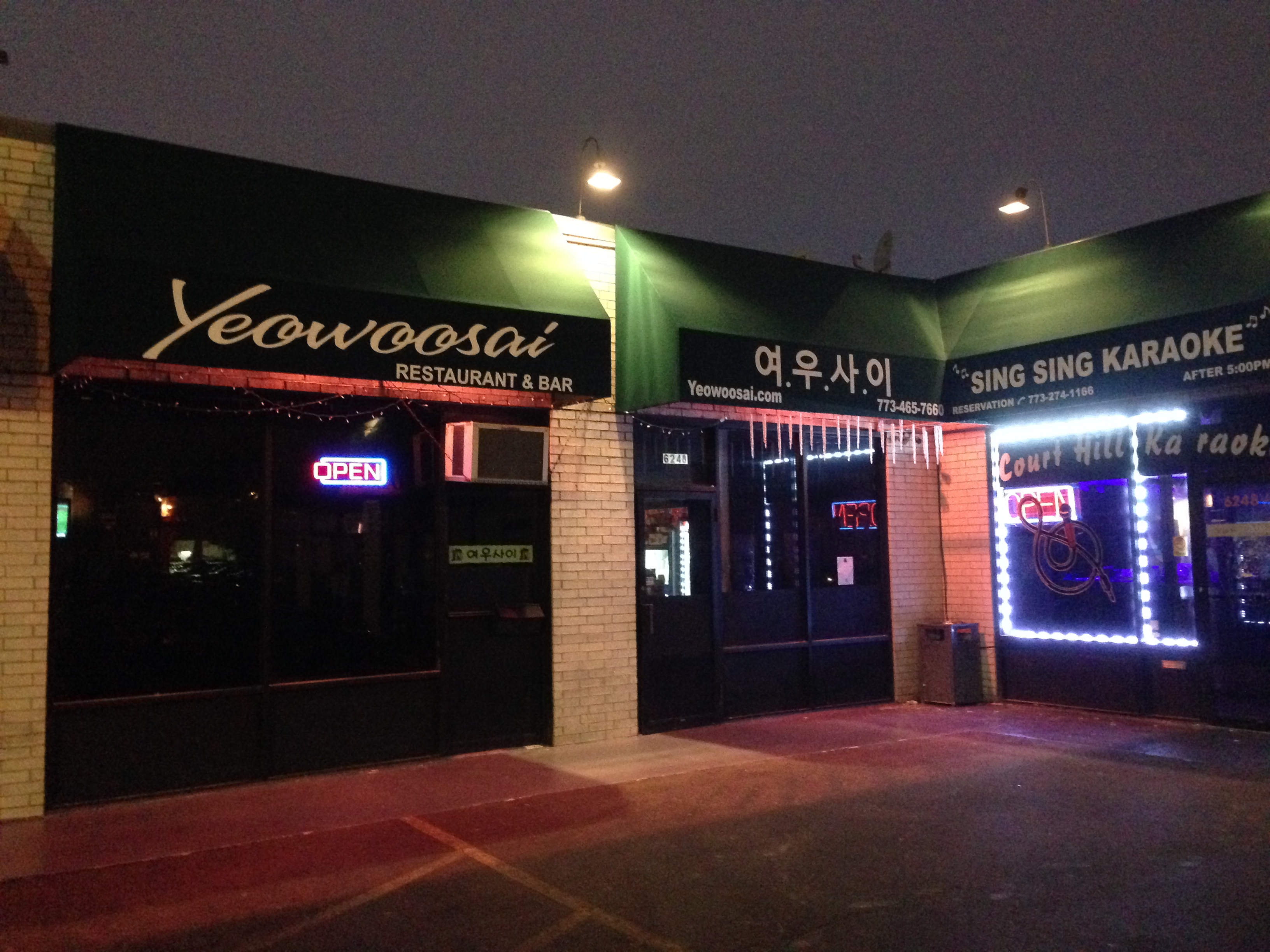
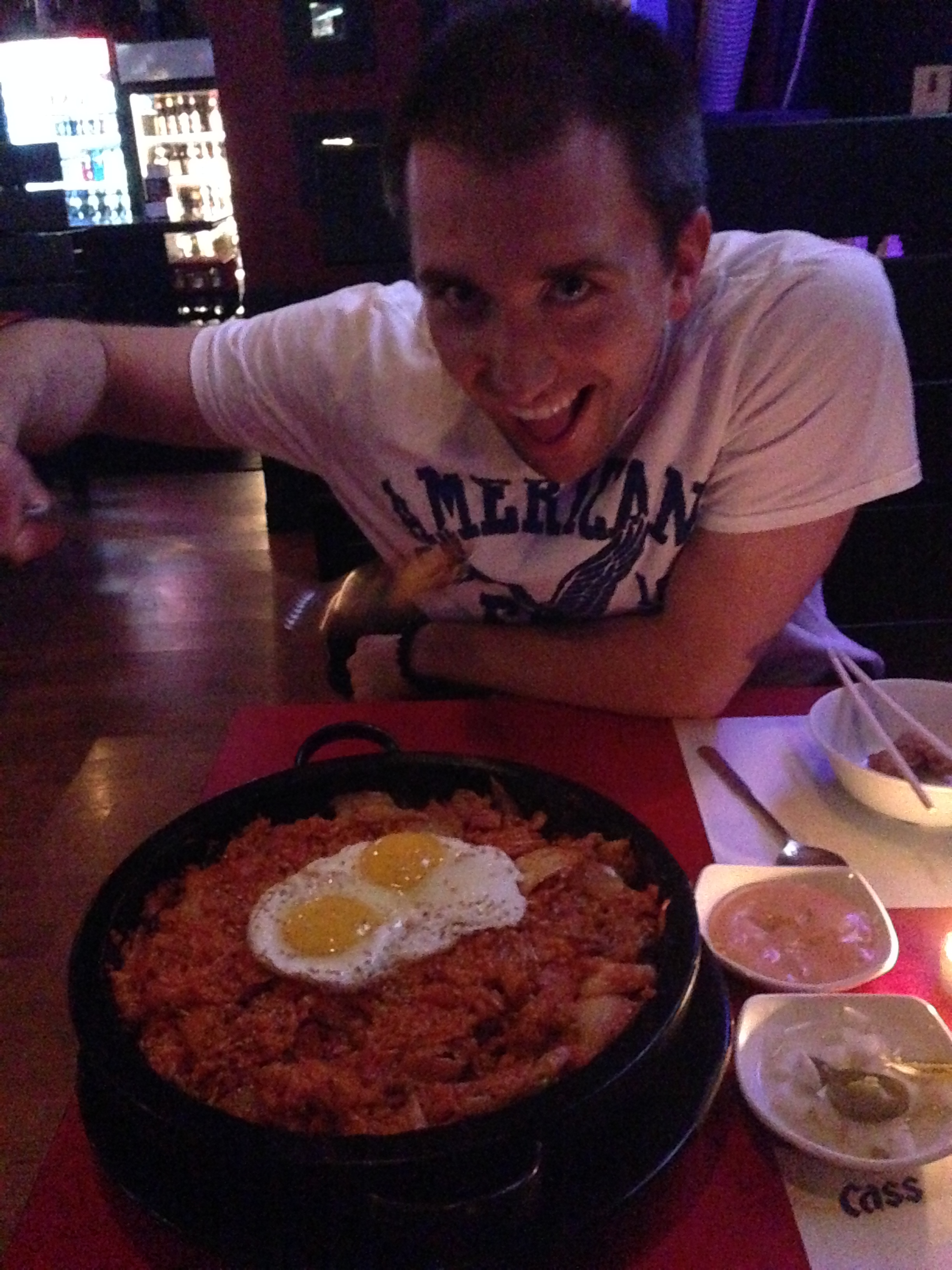
It’s located in a small strip mall, but little did I know that my tastebuds and my world were about to be rocked into submission.IMG_4333  It was quite empty when we went, but I’m sure it gets quite bumping on the weekend.  IMG_4334We didn’t look at the menu since Janice ordered for me since she gets the same thing every time she goes there:  the 닭디겜 (daktigem or popcorn chicken).  We also got  김치볶음밥 (kimchi bokkeumbap or kimchi fried rice).  However, they do offer plenty of Korean classics like 비빔밥 (bibimbap or a rice bowl with meat and veggies), 김치찌개 (kimchi jjigae or kimchi soup), and  갈비 and 불고기 (galbi or grilled ribs and bulgogi or marinated beef).  The entire time we were waiting, Janice was building up this food, but I didn’t believe how good it really was going to be.  It’s not like I haven’t seen popcorn chicken or fried rice before.  How severely mistaken I was.  First the popcorn chicken came out.  It was literally the size of a wash basin and my potential food baby was lying in it.  It was served with a side of “yellow sauce” and a pickled jalapeno and radish mix.  IMG_4339This was hands-down the best popcorn chicken I’ve ever tried in my life.  From the smooth, buttery, yet light breading to the juicy all white meat nuggets that were quickly filling my stomach, I couldn’t get enough.  Then when I dipped them into the yellow sauce which I figured must be some type of mayonnaise and horseradish concoction with a hint of pepper, a dash of crack, and a soupçon of meth mixed in (seriously though, no drugs were involved in the making of this delicious meal), it finally happened.  I was and still am addicted to Yeowoosai’s popcorn chicken and yellow sauce complete with meat sweats and shakes.  As for the jalapeno and radish salad, I thought it was a refreshing, cool, tangy, and slightly spicy way to cleanse your palate between mouthfuls of chicken.  Then there was the kimchi fried rice.  We just got the original with Spam and eggs.  Why put Spam in a meal when you have a choice not to?  Why not use beef, chicken, or pork?  Well, Spam in Korean cuisine is actually a carry over from the Korean War period where food was scarce, but the American military ate Spam.  So, that’s what the local populace scavenged from the GI army bases to make meals.  While South Korea has made great advances since then, Spam still is seen as a luxury gift.  This often bewilders Americans and other Westerners when Korean shoppers are clamoring to buy Spam giftsets for loved ones at Christmas and Chuseok or Thanksgiving Day.   The American armed forces has also made Spam popular in other places like the Philippines and Hawaii.  Hooray for spreading terrible quasi-meat around the world!  Anyway, the fried rice.  IMG_4340Once again, portion-wise it was gigantic like the popcorn chicken and for a great price.  It was also a quality choice.IMG_4341  Compared to the kimchi fried rice back in the Motherland, it was even better.  It was rich, spicy, but not too spicy.  The pieces of kimchi thrown in provided a texture contrast that popped up now and then between spoonfuls.  I was having multiple moments of being overwhelmed by the large amount of mind-blowingly amazing food in front of me, but eventually my wild ride came to an end as I threw in the towel..er napkin and woosahed .

Long story short, go to Yeowoosai if you want to try a Korean sports bar with plenty of dishes your average ajumma (Korean old woman) would recognize.  Plus, these huge and reasonably priced portions of food will leave both your wallet and stomach stuffed.  Not a bad deal at all.

Yeowoosai on Urbanspoon
 

Design a site like this with WordPress.com
Get started