Category Archives: European Cuisine

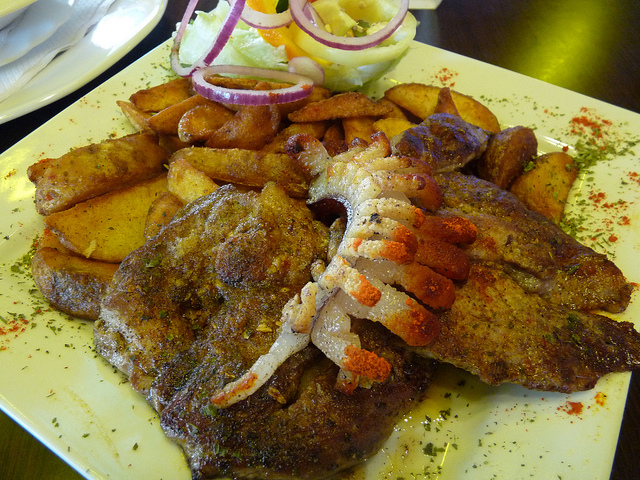
Little Bucharest: All the Meat That’s Fit to Eat!

Posted on

Romania.  A linguistic anomaly in Eastern Europe along with mostly being known for gypsies and the Prince of the Night, Dracula.  However, a trip to Romania back when I was studying in Spain left me with a different impression of the nation.  It was a bit off the beaten path in terms of the tourist trails of Europe, but it had plenty of character, friendly people, and great food.  So, when my girlfriend said that she had a Groupon for a Romanian eatery in Chicago called Little Bucharest, I was more than excited.

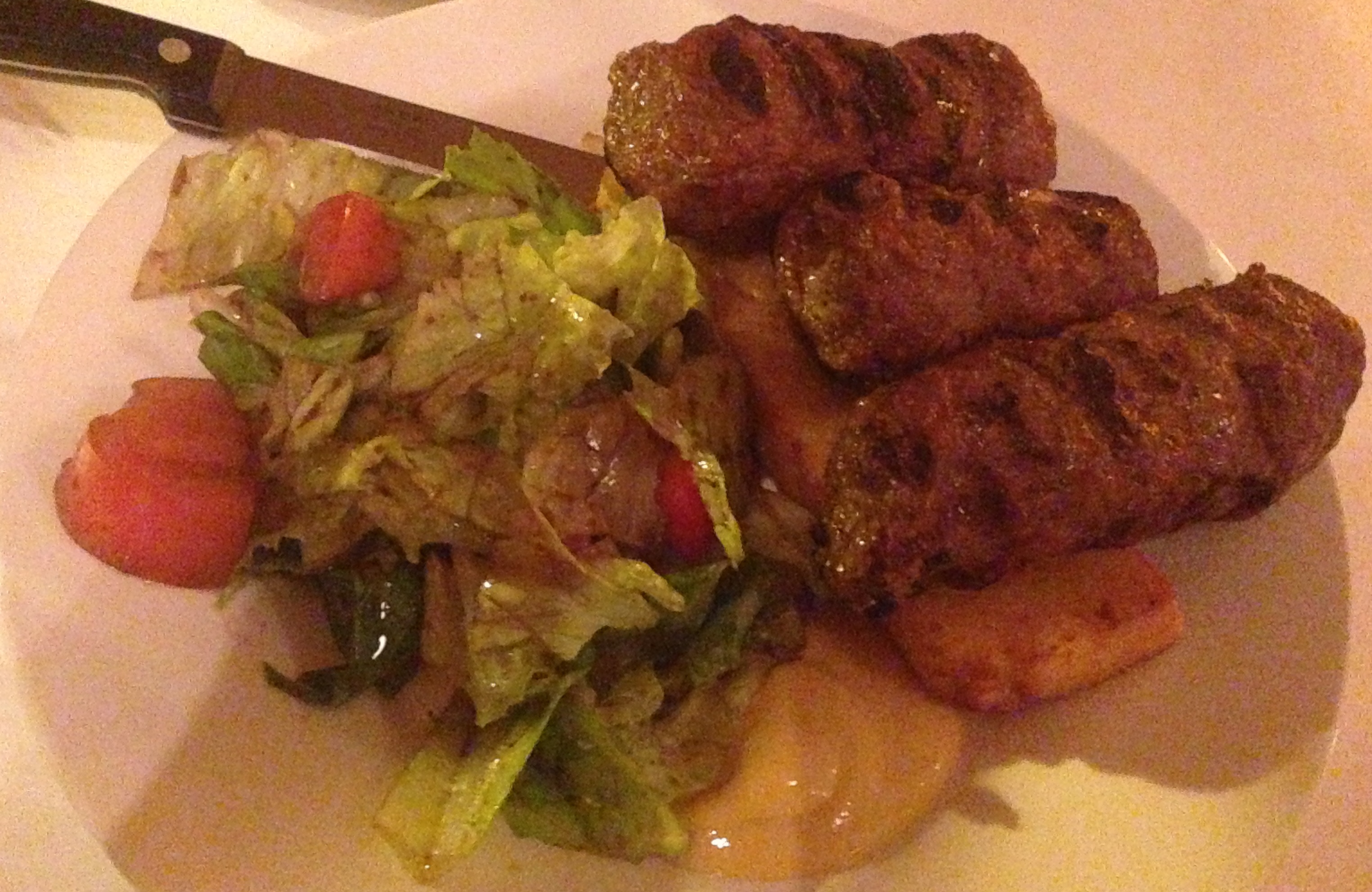
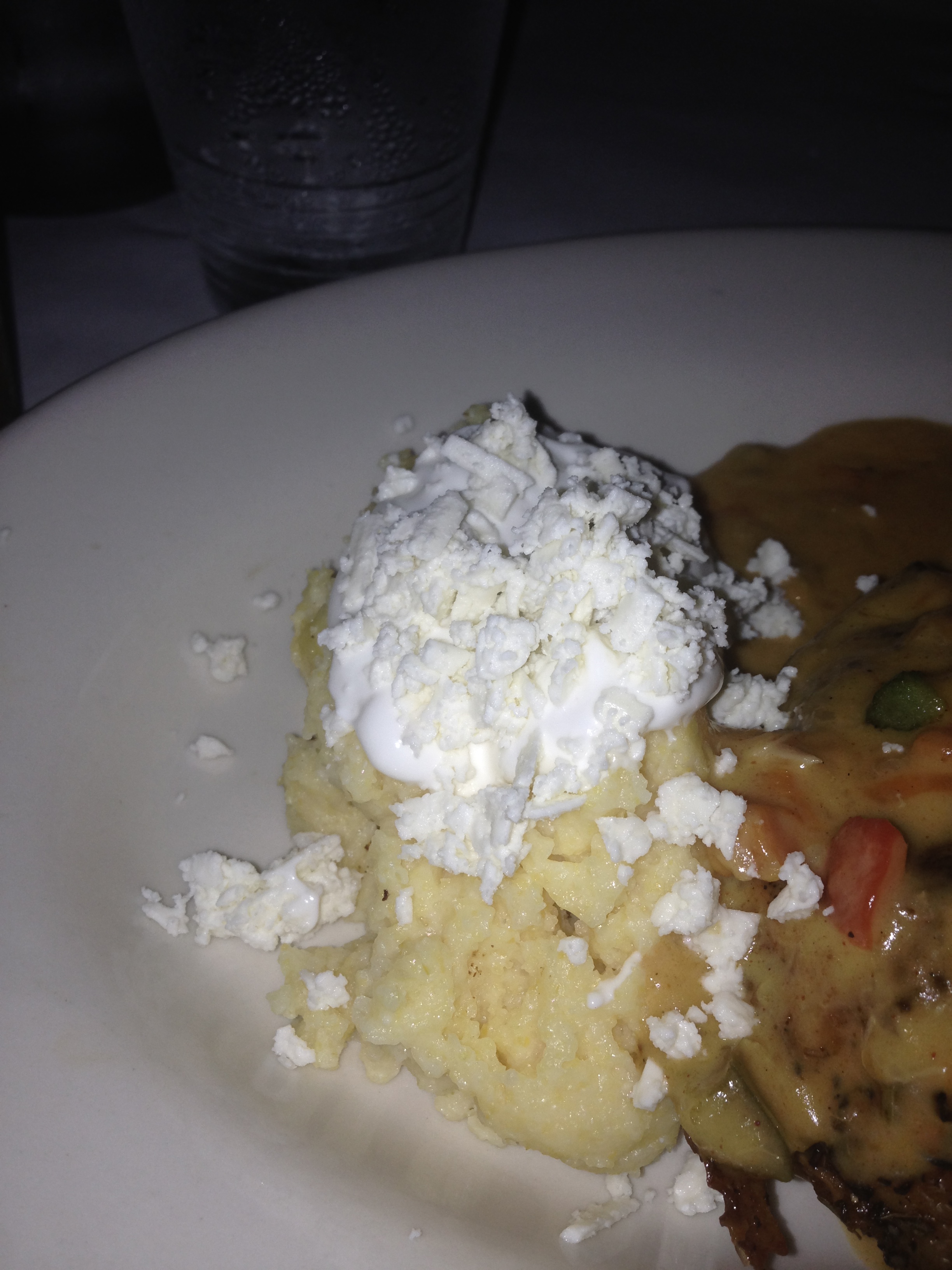
It was a cold and rainy night, similar to the weather I experienced while traveling between Bucharest and Sighisoara, so I was having a serious case of deja vu minus the feral dogs running around in the street and the airport.  It had a charming exterior with a patio that obviously wasn’t being used that night along with a fountain.  IMG_4589IMG_4570IMG_4569Upon setting foot in the establishment, we were warmly welcomed by the staff and led quickly to a table.  IMG_4571The cheerful music and clean interior put me at ease since other Eastern European restaurants are a bit more rustic in terms of their setup.  To drink, Janice got a sweet red Romanian wine, and I got a beer from Timisoara.  It seems the alcohol content was a bit much for her along with its sugary aftertaste, but it was still enjoyable.  As for my beer, it was a light lager that could be comparable to Heineken.IMG_4574  We also destroyed a basket of fresh baked bread that wasn’t warm, but they said they baked it in the morning.  IMG_4573This definitely showed in the overall quality of the sliced loaf.  It was chewy but slightly crispy on the outside while the inside was fluffy and white.  We demolished it so fast that the owner came over to say that our healthy appetites for his bread were quite the compliment.  For our appetizer, we got an order of the Mititei ($10).  These little sausages were served with a side of salad, fried polenta, and mustard.IMG_4577  These chubby meat nuggets were quite heavenly and juicy with a heavy emphasis on the garlic, and it seemed to have more beef than pork in the meat blend that jived well with the sour mustard.    The fried polenta (corn meal) was warm but not piping hot.  It also had an enjoyable butter flavor that had overtones of French fries.  As for our entrees, Janice got the sarmale ($18) and I got the chicken paprikash ($20).  The sarmale are similar to Poland’s golabki or stuffed cabbage rolls.IMG_4580  These wee bundles were stewed in tomato sauce which led the cabbage to be extra soft but firm enough to keep all of the pork, ground beef, and rice from bursting forth.  It was a bit more sour than the Polish version of the dish, but it still had the Slavic heartiness common to both meals.  As for my meal, the chicken paprikash was essentially half a chicken in a paprika infused gravy along with green beans and pearl onions. IMG_4581 The sauce was the boss for this dish, and the chicken was falling off the bone.  Beware of the small bones in the chicken though!  For both the sarmale and chicken paprikash, there was mamaliga or soft polenta served on the side.  This was my favorite food I tried in Romania, and it was like going into a culinary time machine for me from the first bite.  IMG_4582From the smooth, golden polenta to the cool sour cream and strong Feta cheese, I was in heaven.  The only differences between Little Bucharest and the real Bucharest was that the mamaliga in the Motherland was served in a bowl and with a fried egg on top.  Aside from that, it was the perfect comfort food to combat the terrible weather outside.  I couldn’t finish my meal since my stomach was about to burst from all of the polenta and grilled meats, but I didn’t feel bloated like I did with other meals where I ate a lot.  At the end of the meal, we were walking out, and the owner wished us well and told us to check them out on Facebook.  I then told him that I write a food blog, and he was so overjoyed that he hugged me and gave me a bottle of Romanian dry red wine on the spot.IMG_4587  I’ve never experienced such generosity from a restaurant in Chicago or perhaps anywhere else in the world.  Thanks, Branko!
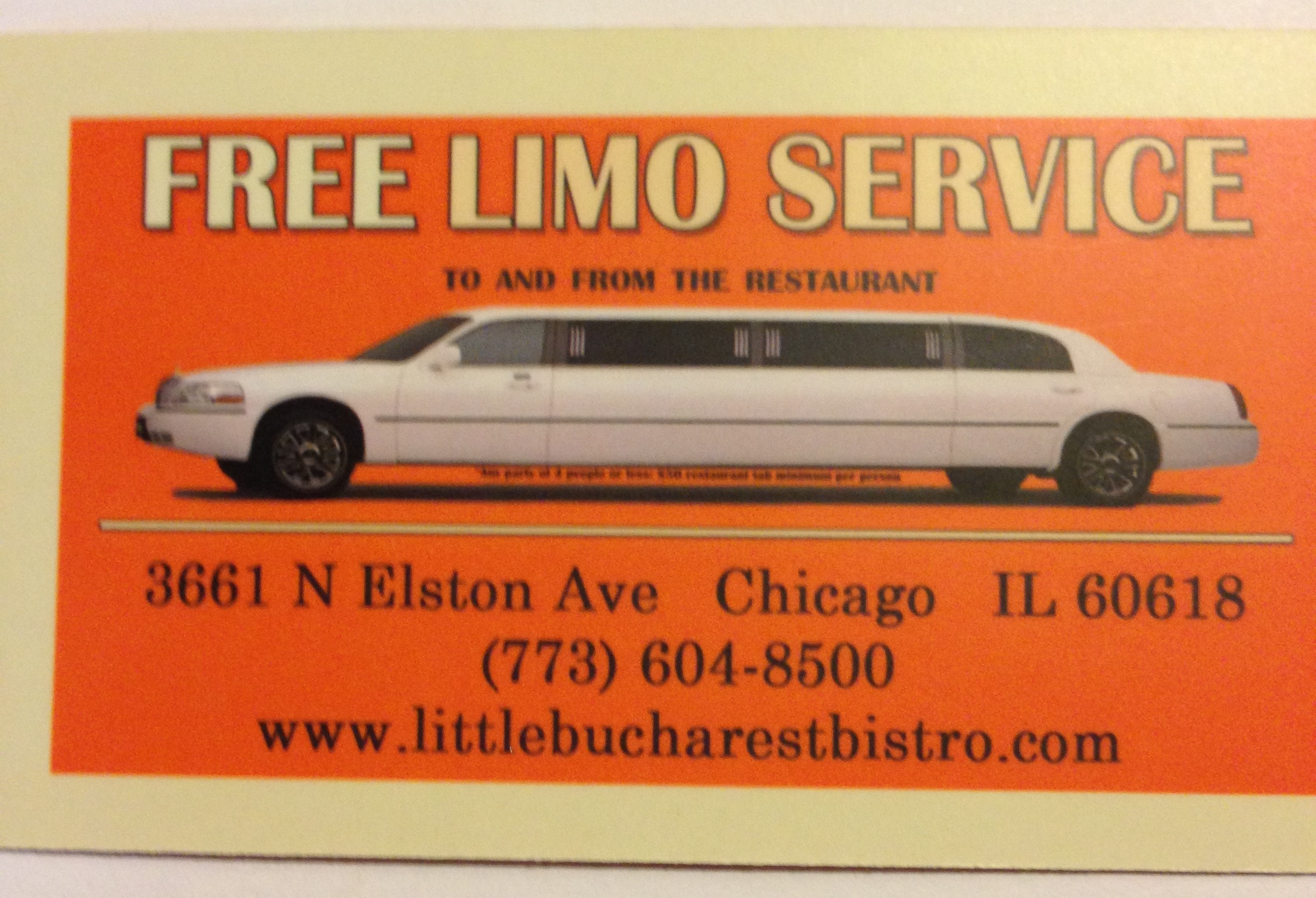
So in closing, we walked away from Little Bucharest greatly satisfied with the friendly service, great prices for huge portions of delicious Romanian fare, and a memory of one of my many distant travels around the world.  This is the real deal if you want to try Romanian food, and they even run their own limo service if you want to experience it in style.  IMG_4590
Little Bucharest Bistro on Urbanspoon

Pane and Pleasure

Posted on

There’s nothing I love more than a perfectly made sandwich.  From the crunchy bread to the random assortment of ingredients that reside between the foundation layers, it is a meal that can be customized for anyone from any walk of life.  Ergo, there are a plethora of different sandwich shops throughout the Chicagoland area, and I’d like to tell you today about Panes Bread Cafe.IMG_3895

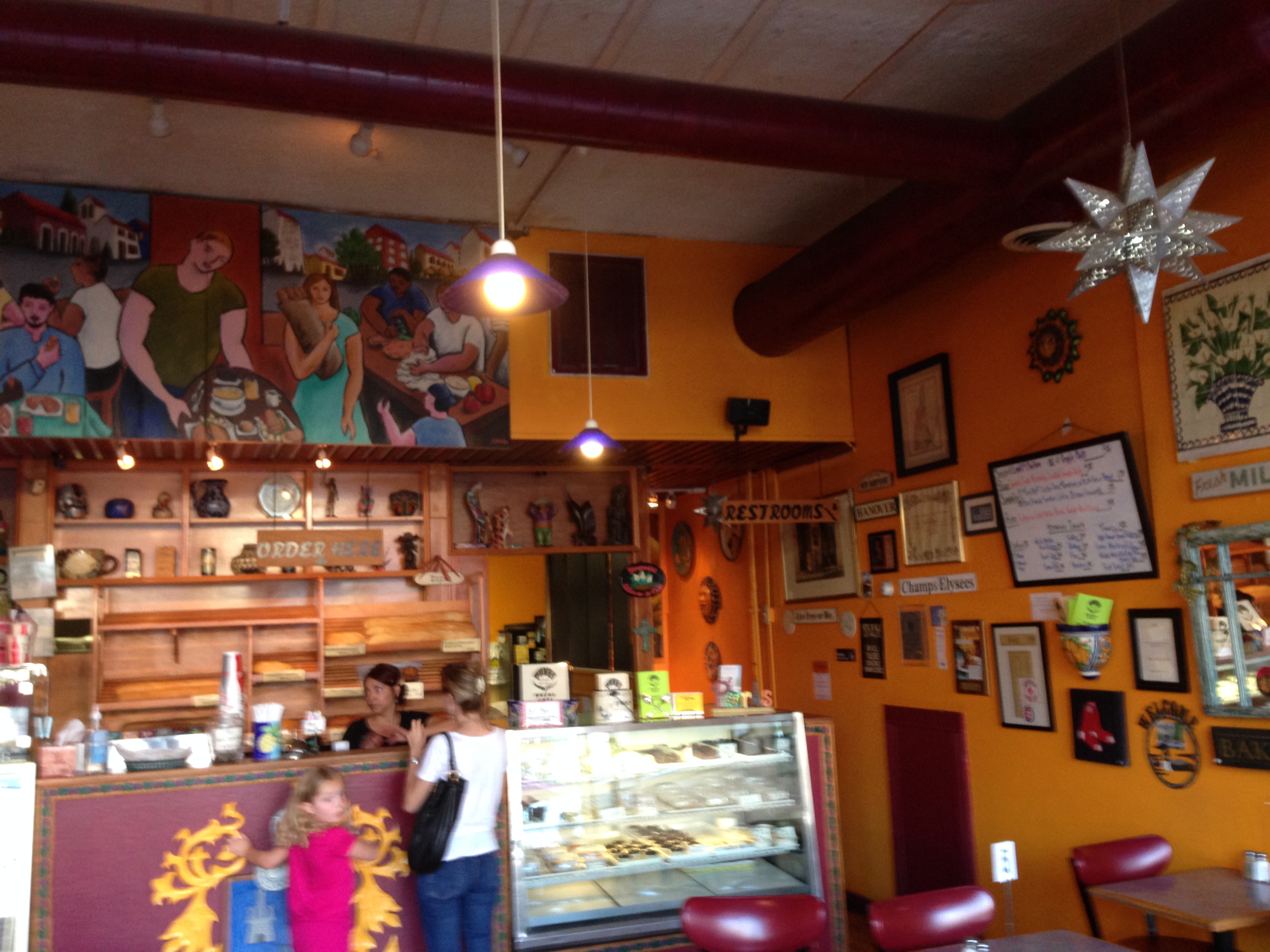
I had never heard of this establishment prior to a random visit there with my girlfriend.  I didn’t really know what to expect from a place called a “bread cafe”.  I’m sure there would be coffee involved, but then what?  Random slices of bread to go with your espresso?  Anyway, we walked in and were greeted by a brightly painted interior decorated with an eclectic mix of Latin American artifacts, Italian movie posters, and colorful murals.   IMG_3894We walked up to the order counter and looked over the menu. IMG_3890 Panes offers everything from soups, salads, sandwiches, pizzas, and pastas, but I was eventually swayed to the bread side as I looked over the sandwiches.  While they had more tame options like a ham and cheese or a B.L.T., I went for the devilish pollo diablo ($5.95).  My girlfriend got the pompazo sandwich ($5.95).

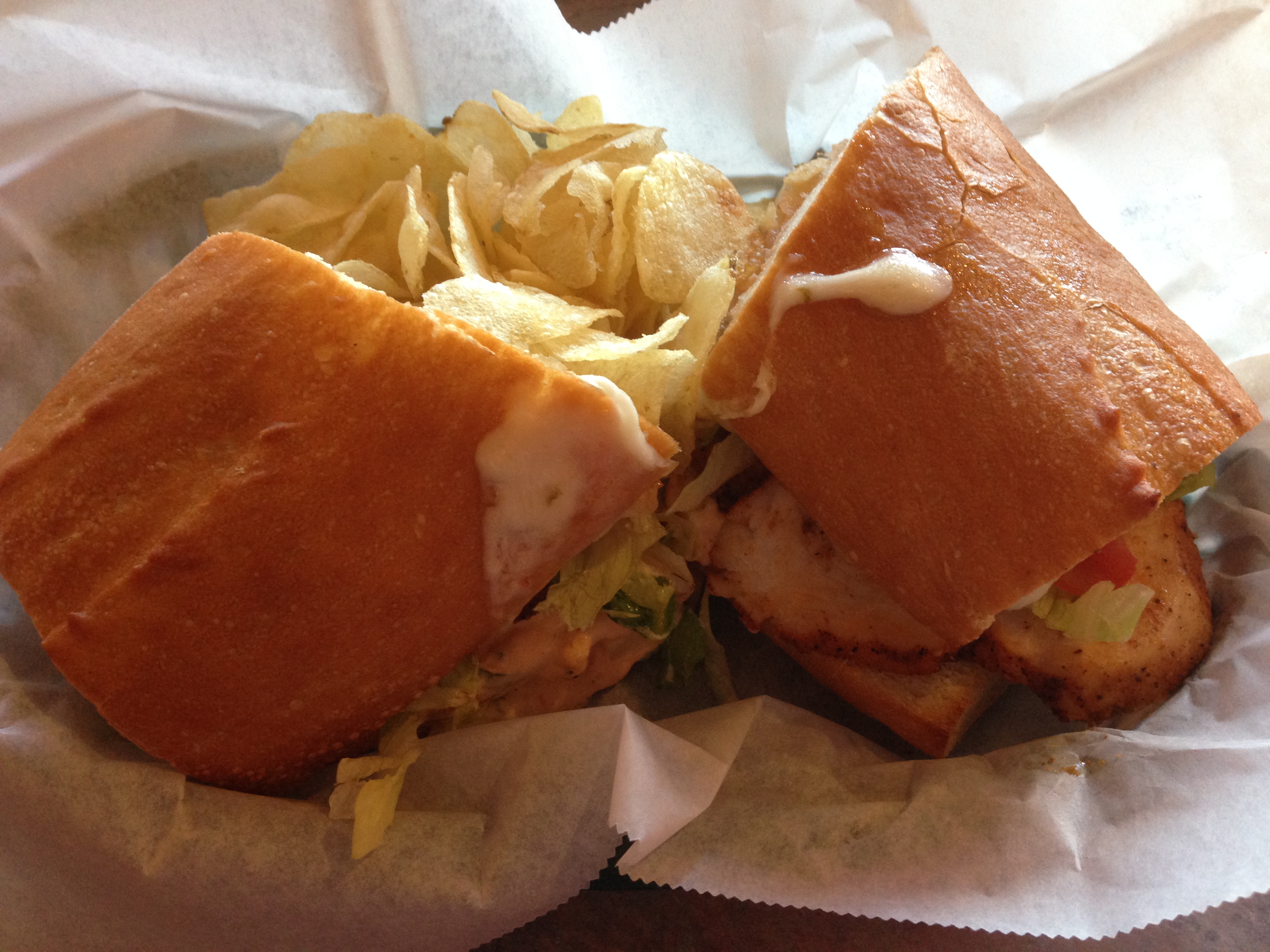
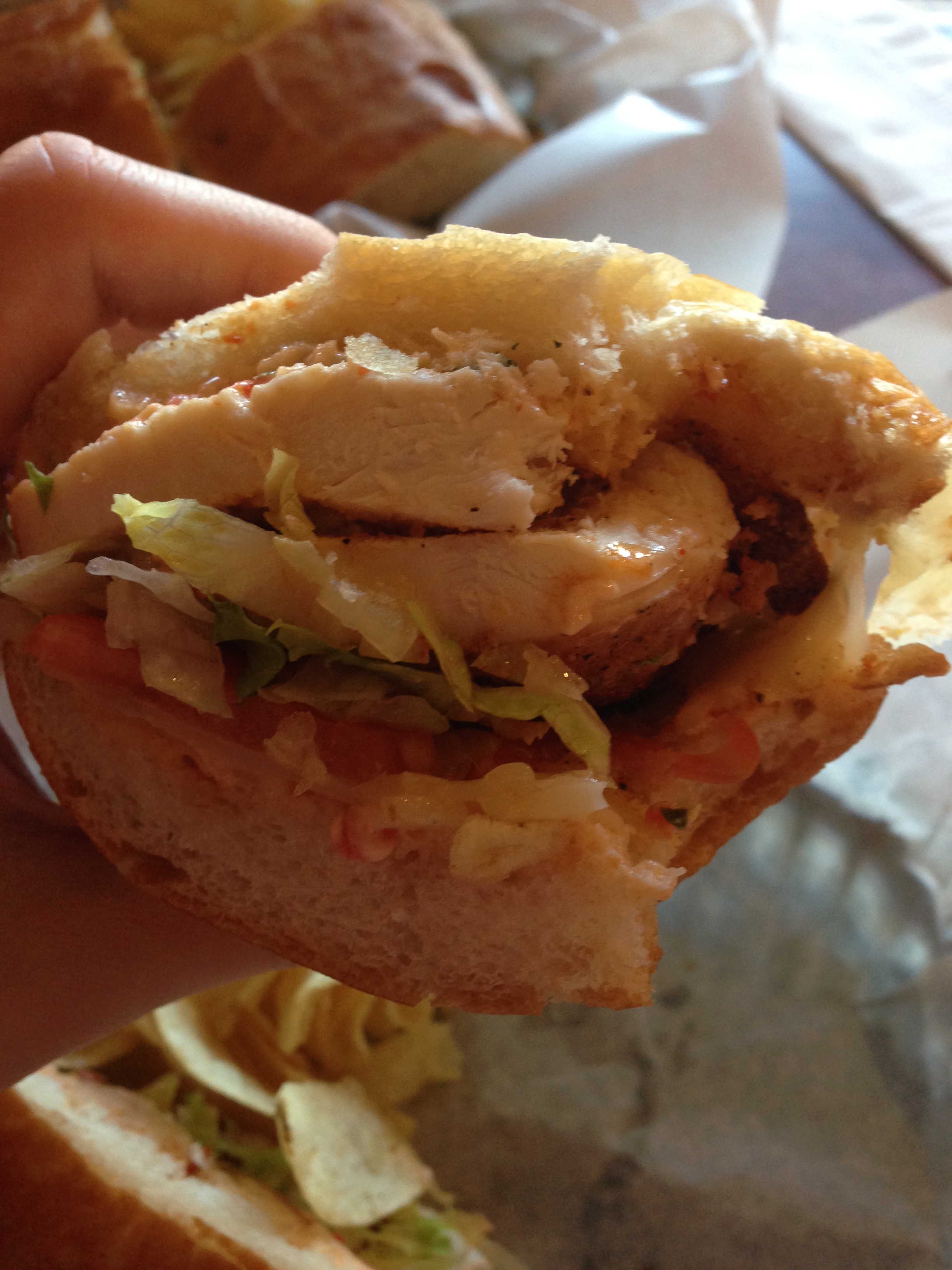
They both came out about 10 minutes later as they constructed and pressed each fresh panini sandwich to perfection.  They both looked great with the golden potato chips on the side. IMG_3891 I wouldn’t consider my sandwich anything that would render Satan a hot mess due to the spicyness, but it had a slight kick due to the spicy mayo and peppery spice rub on the juicy, all white chicken breast. IMG_3892IMG_3893 I personally thought that the bread really brought the sandwich to the next level.  The pompazo was ok, but I felt that the rich and verdant pesto overshadowed the chicken, tomatoes, and cheese.  Pesto-avalanche aside, I was impressed by their fresh ingredients on perfect bread that was hefty enough to deal with me tearing through it like Pac Man in the labyrinth of white dots.  As for the potato chips, I really liked them because they were crisp but not too salty.

I highly recommend Panes Bread Cafe if you’re looking for a cozy cafe that offers plenty of fresh sandwiches that won’t cost you that much bread.

Panes Bread Cafe on Urbanspoon

Throwback Post: Chocolatería San Ginés in Madrid

Posted on

Bienvenidos y welcome to Mastication Monologues!  If you’re reading this, you’ve finally reached the end of my throwback Europe series.  We’re touching down in the heart of the Iberian peninsula in the ageless city of Madrid.

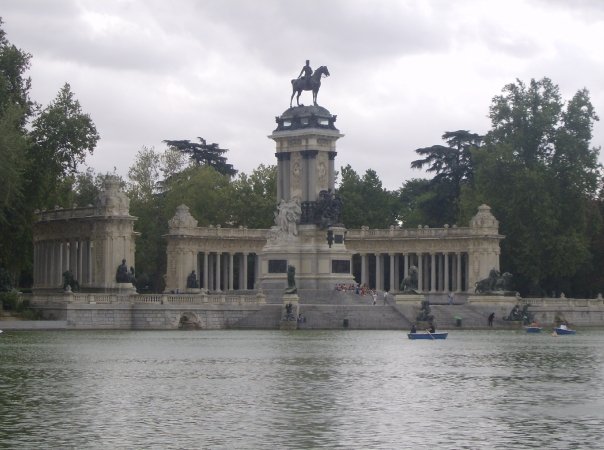
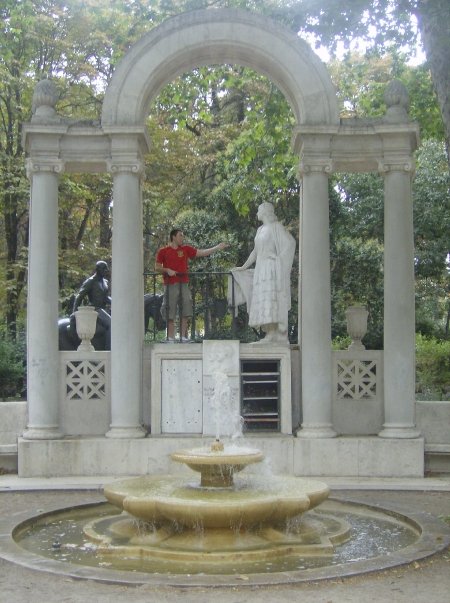
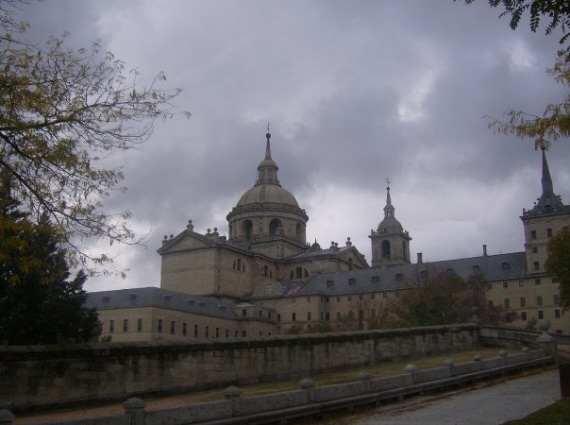
Home to the Spanish government and monarchy, Madrid is the imposing and more regal version of Spain’s more laid back second city, Barcelona.  Everywhere my friend Kevin and I turned, we were confronted with another piece of history.  Royal palace?  Check.1930504_1100433668123_5085_n  El Prado Art Museum?  Check.  El Parque de Buen Retiro?  Double check. 10400831_1100124860403_5015_n 10400831_1100124220387_9578_n 10400831_1100124380391_983_nI especially enjoyed the park because it offered a bit of relaxation in a city that is mostly business-minded.  Not only are there plenty of open lawns and large trees, but the main fountain in the middle of the park was the best because you can rent rowboats for an hourly fee.  It was nice to just sit on a bench and take in the more leisurely pace of life in Spain where families were out on paseos (after meal walks) and the old timers were arguing about the superiority of Los Colchoneros vs Los Merengues over some coffee.  One of the best places outside of the city that I’d recommend visiting is El Escorial. n1145100159_31215923_1194 It was commissioned by Felipe II to be a royal palace and a symbol of Catholic strength in the face of the rising wave of Protestantism.  The palace’s design is particularly interesting  since it was designed with a grid floor plan to pay homage to the red hot griddle that Saint Lawrence was burned to death on.  From the halls gilded with gold mined from New World mines to the exquisitely carved statues in the Court of Kings, it was a royal palace without equal.n1145100159_31215937_5529  While I did try some delicious tapas throughout my stay in the city, the star of the food show took the form of churros at Chocolatería San Ginés located at Pasadizo de San Gines, 5, 28013, Madrid.san-gines chocolateria-san-gines-_328091 What are churros?  Churros are basically pieces of fried dough that are often long and thin.  From there, chefs have given their own twist on them which have included:  plain, coated with cinnamon-sugar, coated in chocolate, coated in chocolate and filled with caramel, or coated in chocolate and filled with custard.  At Chocolatería San Ginés the churros are served plain with a cup of chocolate on the side for dipping. Chocolate_con_churros_-_San_Ginés_-_Madrid This churro shop has been open since 1894, and it has been a favorite hangout for night owls and club goers who want something sweet and greasy to fill them up before going home.  I just stumbled upon it through pure chance during a normal night after dinner, and I never forgot the first time I bit into one of the golden wands of magical fried dough.  They were substantial, light, and fresh out of the fryer.  I could have eaten them without the chocolate due to their subtle buttery base common to many fried dough treats, but the warm melted milk chocolate took this dessert to another level.  I was communing with San Lorenzo, San Gines, and the rest of the culinary saints by the end of the heavenly plate.  It was a perfect end to my visit to the Spanish capital, and a heavenly denouement to this throwback series.10400831_1100123420367_3194_n  I hope you enjoyed reading this European adventure as much as I had writing it.

Throwback Post: Île Flottante in Paris

Posted on

Bonjour a tout le monde!  Today’s Mastication Monologues post is the penultimate installation in my throwback Europe series.  It has spanned the Old World from Romania to Scotland and even Slovakia.  Today we are continuing our march westward to France.

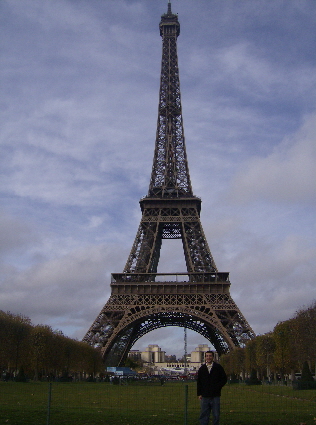
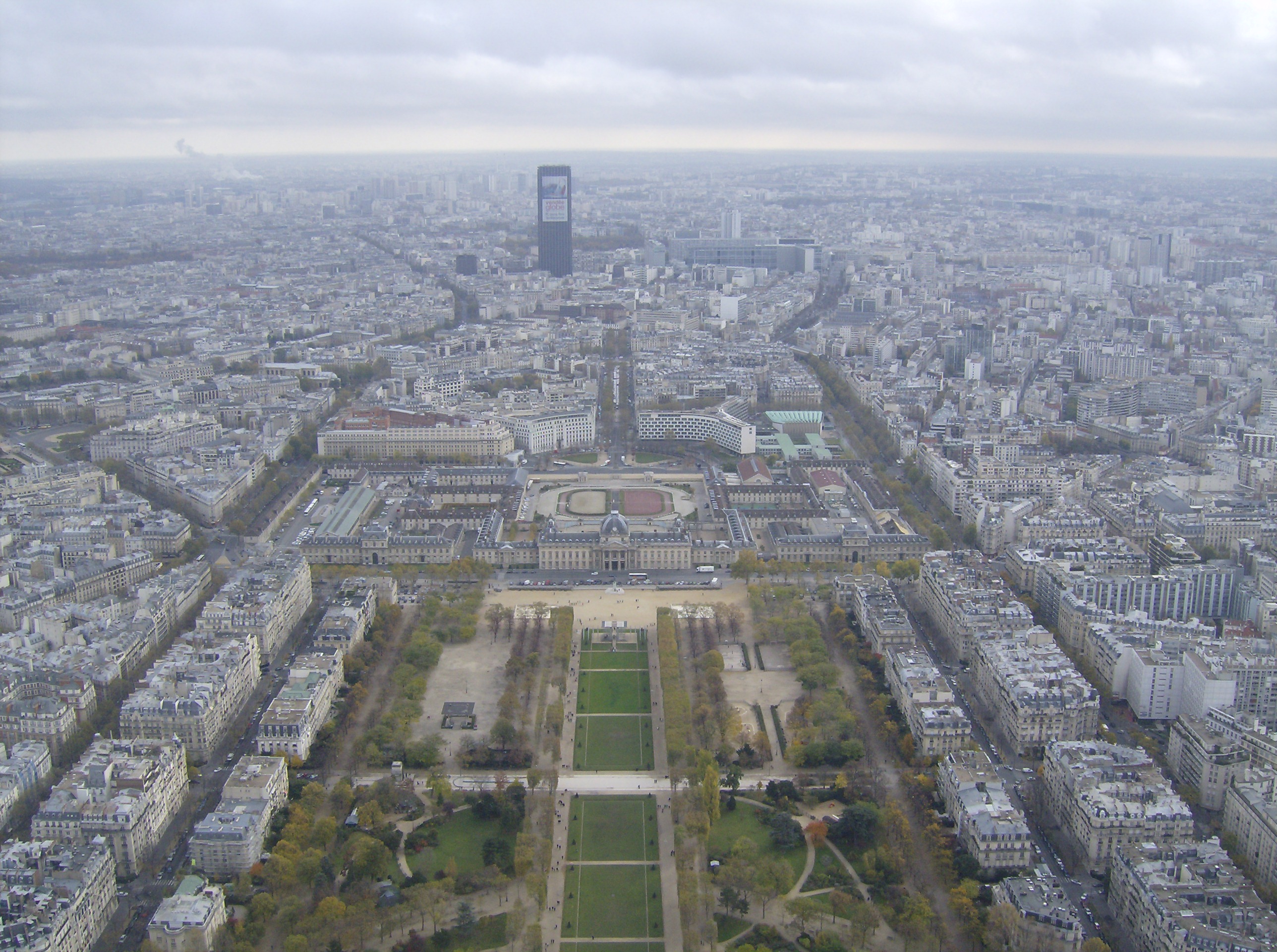
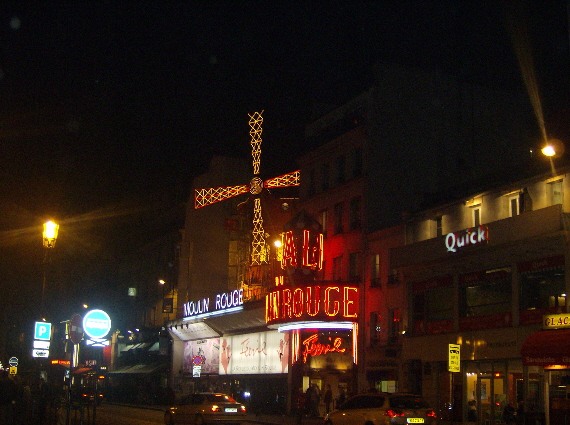
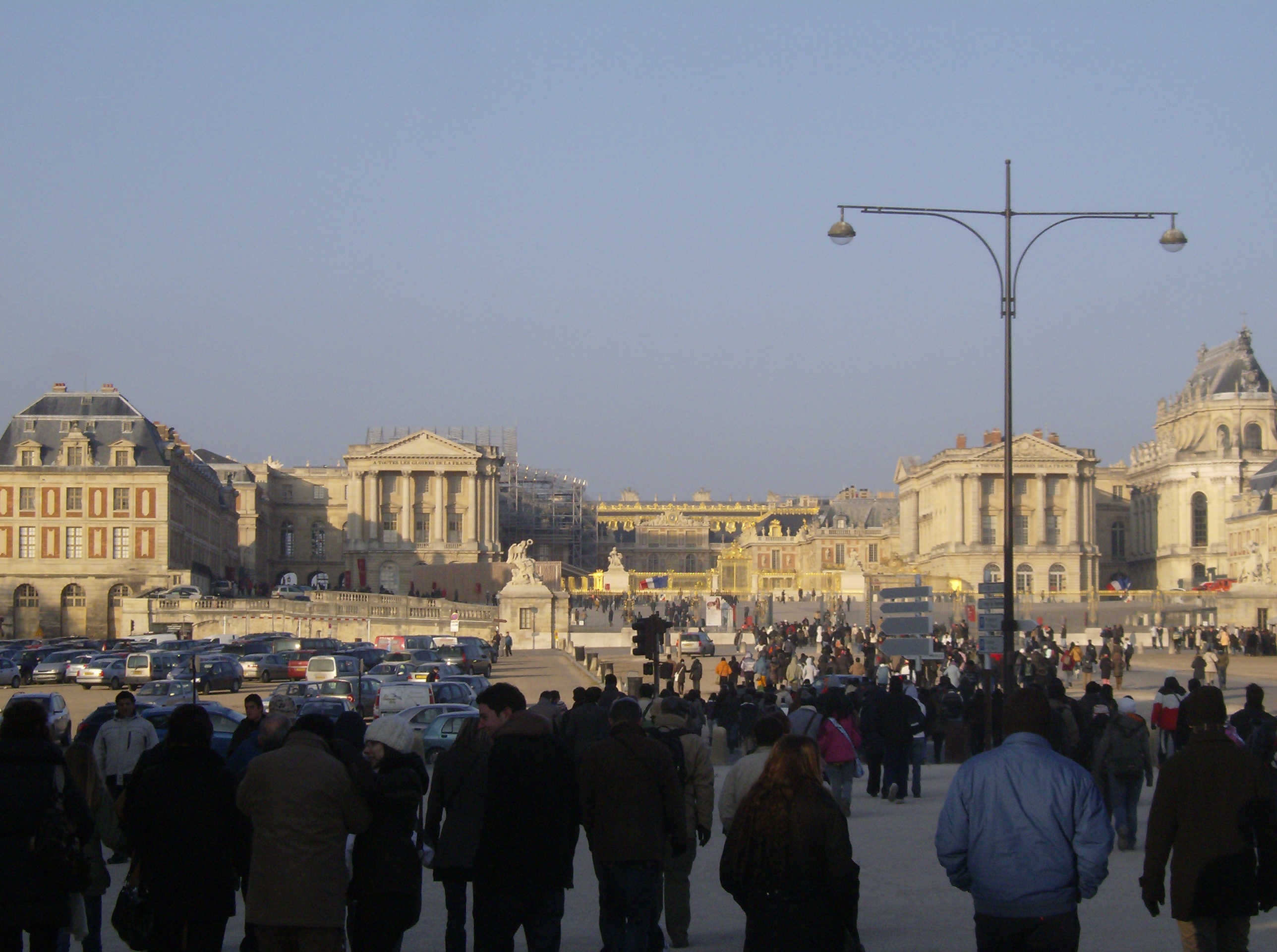
I have visited Paris twice along with Marseilles once, but I’m just going to be focusing on the former since it was where I tried a unique dessert that I haven’t seen anywhere else in the world.  Paris truly is one of the most beautiful cities that I have visited throughout my travels.  I was amazed to finally be face to face with so many iconic landmarks that I only saw on posters and postcards. HPIM1920 Climbing to the top of the Eiffel Tower was an epic trek that was helped at the end with a little elevator ride.HPIM1911  From the top, I could absorb the broad boulevards and mid-18th century buildings that made up a majority of the city center.HPIM1912  Once safely back on the ground, I also visited the signature Champs Elysees and Arc de Triomphe that were stately yet highly congested with traffic.DSCN0652  The famed, ultra-sexy Moulin Rouge was also highly congested with foot traffic as well-monied patrons lined up to see the cabaret shows advertised outside.HPIM1812  One of my favorite Paris memories was actually outside of the city of Paris in the form of the Palace of Versailles. HPIM2248 This was hands down one of the most impressive man-made structures I’ve ever laid my eyes upon.HPIM2295  No wonder this life of luxury and Marie Antoinette’s contempt for the common man enraged and caused the French people to rise up in arms against the aristocracy.  Still, it was amazing to walk the same halls that Louis XVI did before being captured and beheaded in the capital.  All of this sightseeing made me hungry, and what better place to find something to snack on than Paris?  From their crepe stands to their pastisseries (pastry shops), one could eat something delicious and different for everyday of the year.  The perfect storm for me to indulge my sweet tooth.  Enter the île flottante.  I had it in a restaurant, and this dessert meaning “floating island” in French lived up to its name.  First, there was a crème anglaise or “English creme” that served as the vanilla flavored base to the dish.  It consisted of egg whites, sugar, and milk, and was a watery custard that was sweet but not overwhelmingly so.HPIM1801  It was also served cold. Then there was the island in the middle of my vanilla flavored sea.  It was a perfect example of how French are able to combine both artistry and innovation through the culinary arts.  The egg whites were whipped with sugar into a fluffy meringue island that was substantial enough to be almost like a large, slightly melted marshmallow yet light enough to bob in the vanilla sea.  It was all jazzed up with a light drizzling of caramel sauce.  I’ve heard that this old-school French dessert is disappearing quickly, so set sail for Paris and find your own hidden island.

Throwback Post: Drop and Rijstaffel in Amsterdam

Posted on

Howdy, Mastication Monologues readers!  I’ve been finding it harder as of late to keep up with my posts due to all of the fun happenings with the girlfriend and the job hunt.  It seems like my inbox has been filling up with new places to write about, and I’m not even done with this throwback Europe series.  It is nearing the end though, so I will have plenty of new restaurants to talk about in the near future.  Anyway, back to the throwback vein of things.  Today’s post brings us to the old but vibrant port city of Amsterdam.

I visited this city twice while living in Spain, but I found the second time around a lot more enjoyable.  The first time I went there, for my birthday, it was deathly cold and windy.  Northern Europe in the beginning of winter, go figure.

So. cold.

So. cold.

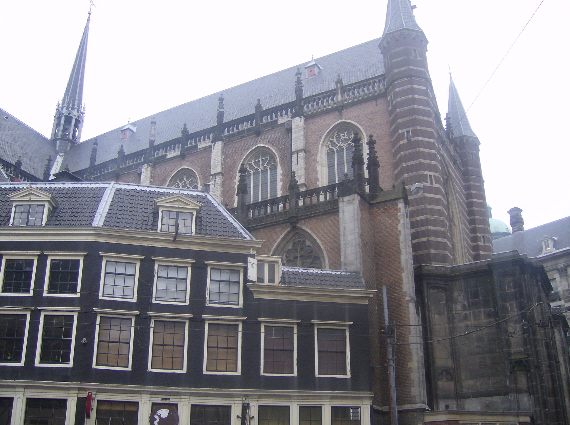
As we walked around the city, we were almost run over by the prodigious hordes of bikes that are all over the city.  If you go there, keep your wits about you because you will get cracked if you’re too engrossed in a guide book or your smart phone.  I found Amsterdam to be a quaint city that would have been more enchanting in the summer since I was more focused on not having my hands and nose fall off due to the chilly arctic winds. HPIM2076 HPIM2072The canals and narrow houses harken back to the golden era of trade for the Dutch trading companies in global trade led by their innovated flat bottom barges that were useful in the canals of the city and the rest of the Netherlands.  We managed to see the Rijksmuseum, Anne Frank House, and the infamous Red Light District and a few coffeehouses while we were there.

Rijksmuseum

Oude Kerk (Old Church)

The latter two are the most notorious parts of Amsterdam for different reasons.  The Red Light District since the canals are lined with full sized glass doors with each one sporting a lady one could spend time with for a fee.  However, contrary to popular belief that an area filled with prostitutes is extremely dangerous, it was one of the safest places in Amsterdam we walked in as there were men, women, and even old couples strolling past the sex shops.

I don't think sex AIDS would be easy to sell

I don’t think sex AIDS would be easy to sell

There were even police on almost every corner, taking pictures of any of the working girls is prohibited in the Red Light District (you will get your camera confiscated by the authorities), and CCTV cameras watch out for troublemakers.  The Dutch government, being liberal leaning since the 1400s, deems these window sex workers legal, collect taxes from them, and even require the girls to get regular medical exams to identify and prevent the spread of communicable diseases.  As for the coffeehouses, not only do they serve caffeine-laden beverages but also marijuana if they have the proper license.  The smell is inescapable if you walk down the street in some areas, but it is nothing that is out of control in terms of people overindulging in public.  The Dutch government is also cracking down on foreigners coming into the coffeehouses due to drug tourism and gangs attempting to sell hard drugs to coffeehouse customers.  While these two aspects of Amsterdam seem to be the most popular in the collective imagination, I’d like to talk about two unique Dutch foods I tried while there:  drop and rijstaffel.

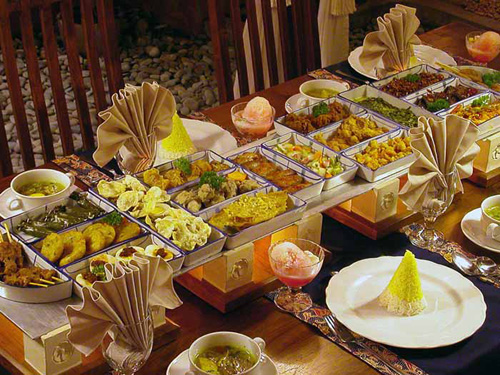
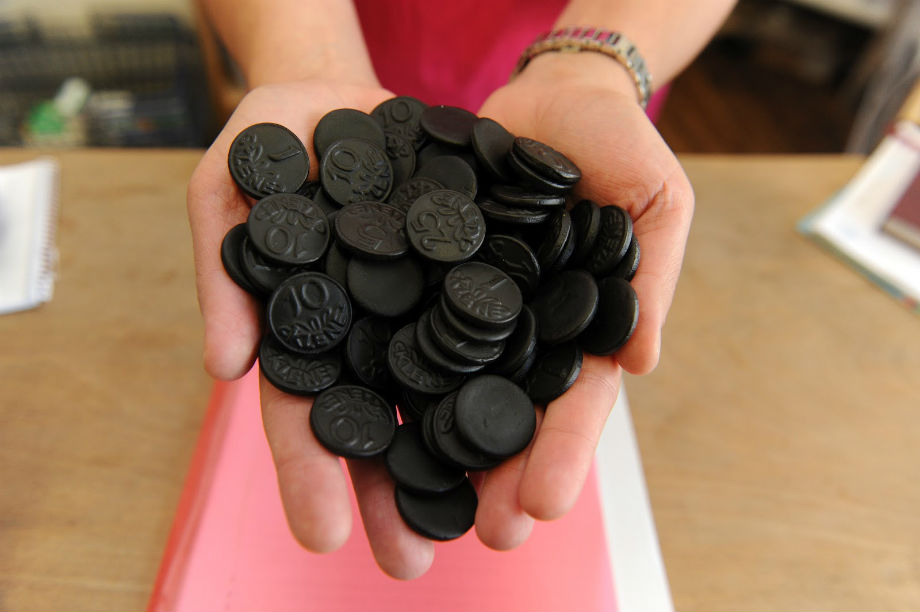
My meeting with drop or licorice in English came in the train station under Shiphol Airport as we were waiting for our train to the main train station in Amsterdam.  I had heard that drop was the most popular Dutch candy, and lo and behold I found some in a vending machine.  Turns out that the Dutch consume the most licorice in the world, but I heard that this drop was definitely an acquired taste.  This particular variety was half and half nibs where one half of the piece was fruit flavored while the other was the signature black drop. Dutch-drop The first bite of this Dutch candy left me greatly puzzled since it didn’t taste like normal black licorice.  After a bit of research, it turns out that it is flavored with ammonium chloride which gave it a salty yet stinging flavor.  Out of my group of friends, I was the only one who enjoyed the chewy, mystery chemical licorice.  Later on during our trip, we tried a Dutch specialty known as rijstaffel.  The word “rijstaffel” in Dutch literally means “rice table” since it is a style of dining that originated in Indonesia during the Dutch colonial period in the 1600s and continued through to 1945.  The Dutch traders wanted to eat elaborate meals that encompassed all of the interesting Indonesian dishes that existed throughout the archipelago, so the rijstaffel was born.

Land o' Pleny

Land o’ Plenty

First, the servers would bring out a large plate of rice, and put it in the middle of the table.  Then, anywhere from 10 to 100 smaller dishes, depending on how many diners there were, were brought out and combined with the rice.  Indonesia has done away mostly with the rijstaffel since their independence in 1945, but this Dutch colonial tradition still is going on strong in Amsterdam as we experienced a slice of history.tumblr_m16qwm2bCe1qczjobo1_500  I remember the chicken satay served with sambal kacang (peanut sauce) was particularly delicious along with the bebek betutu (duck roasted in banana leaves) that was extremely tender with an essence of banana baked into the meat.  Some of the other common dishes include nasi kuning (Indonesian yellow rice), nasi goreng (fried rice), lumpia (spring rolls), and babi kecap (pork belly in sweet soy sauce).  I could go on forever with the other small plates since we had about 20 different dishes for about 30 Euros, but I highly recommend the rijstaffel if you want a unique Amsterdam dining experience.

Throwback Post: Haggis and Irn Bru in Scotland

Posted on

Hello and welcome to another throwback edition of Mastication Monologues!  I’ve finally made it out of the Eastern European leg of posts (Poland, Romania, Slovakia, Czech Republic, and Hungary), and now time to focus on Western Europe.  Where better to start than the land that has given us Sean Connery, the Loch Ness Monster, and Groundskeeper Willie among many other great cultural exports:  mighty mighty Scotland!

Blending in with the locals.

Blending in with the locals.

My first and only visit to Scotland was during the summer following my graduation from undergrad in 2010.  It seems like forever ago, but it was an enchanting place to explore.  We started first in Edinburgh which is often mispronounced by Americans as “Eh din burg” instead of how the locals say it “Eh din burra”.  Luckily, I learned my best Scottish accent from the previously mentioned surly yet totally hilarious Groundskeeper Willie who we aren’t quite sure where he hails from.  Aberdeen?  North Kilt Town?  Who knows?  Either way, I at least didn’t get made fun of by any of the locals or when out on the town with my friend, Sandy, and his sister’s friends.  Linguistic differences aside, the Scots are wonderful people and very proud of their heritage, especially in Edinburgh.  My parents and I walked along the Royal Mile, the Edinburgh Castle, and gazed at Arthur’s Seat from afar among many other famous sights.

Royal Mile

Royal Mile

DSC01747DSC01757 DSC01767We also took a trip to Glasgow, the knife crime capital of Europe, but I found it to be the rougher, more realistic Scotland compared to the neat and shiny Edinburgh.  While there, we visited both Rangers and Celtic Football Clubs a.k.a. The Old Firm.  This is one of the fiercest sporting rivalries in the world which makes Bears vs. Packers look like a day in the Brady Bunch House.  What makes the relationship between these two clubs particularly tense is that they were traditionally divided along political and religious lines.  Rangers being pro-Union with England and Protestant while Celtic is pro-Scottish independence and Catholic.DSC01784DSC01792  The clashes of Protestant versus Catholic left the battlefields of Europe and were transferred to soccer rivalries.  Hundreds of people have died or been victims of violence caused by the tension between the warring tribes.  Even back in 2011, then manager and former Celtic player Neil Lennon received packages containing bullets and death threats from Protestant supporters.  Luckily, my visits were much more peaceful minus the fierce winds.  Along with the futbol, we sampled a bit of the local flavor in the form of haggis.  Now, if you’ve never heard of this quintessentially Scottish dish, brace yourself for this description.  It is a sheep’s stomach stuffed with hearts, lungs, liver, onions, oatmeal, suet, spices, and salt.  It is all then boiled for around three hours and then sliced or minced.  This organ rich dish even has its own special dinner and poem dedicated to the memory of Scottish poet Robert Burns.  Unfortunately, there wasn’t any fanfare when this meat dish was placed in front of me along with the naughty sounding neeps and tatties on the side (those are turnips and potatoes, respectively, in Scottish English, pervs). DSC01774 I started with the haggis and was pleasantly surprised.

tatties, haggis in the middle, and orange neeps

tatties, haggis in the middle, and orange neeps

It was rich, beefy, yet slightly nutty, but it wasn’t heavy at all.  It was almost like a meat granola in texture which I could imagine was due to the oatmeal.  The oat crackers on the side didn’t help it at all since they tasted like eating cardboard coasters.  The neeps were ok.  They were lightly salted with more of a neutral flavor.  The tatties tasted like standard mashed potatoes.  After finishing off my haggis, I should have washed it down with a warm glass of Glenfiddich, but I found something that was both eye-catching and super Scottish.  It was a drink called Irn Bru or Iron Brew pronounced with a thick Scottish burr.DSC01817  Not only was this soda radioactive orange, but it was so sweet I could feel the enamel being stripped off my teeth with every sip. DSC01818 Totally worth it to cap off my visit to the North.

Thowback Post- Gołąbki in Poland

Posted on

What is happening, everyone out there reading Mastication Monologues?!  I hope this post is finding you well as the summer is slowly drawing to a close.  Things have been happening as of late with my job hunt, so I haven’t been able to update my blog regularly.  My b.  Anyway, this post continues of the same vein of previous posts where I am recounting my culinary tales throughout Europe, and today’s entry deals with Poland.

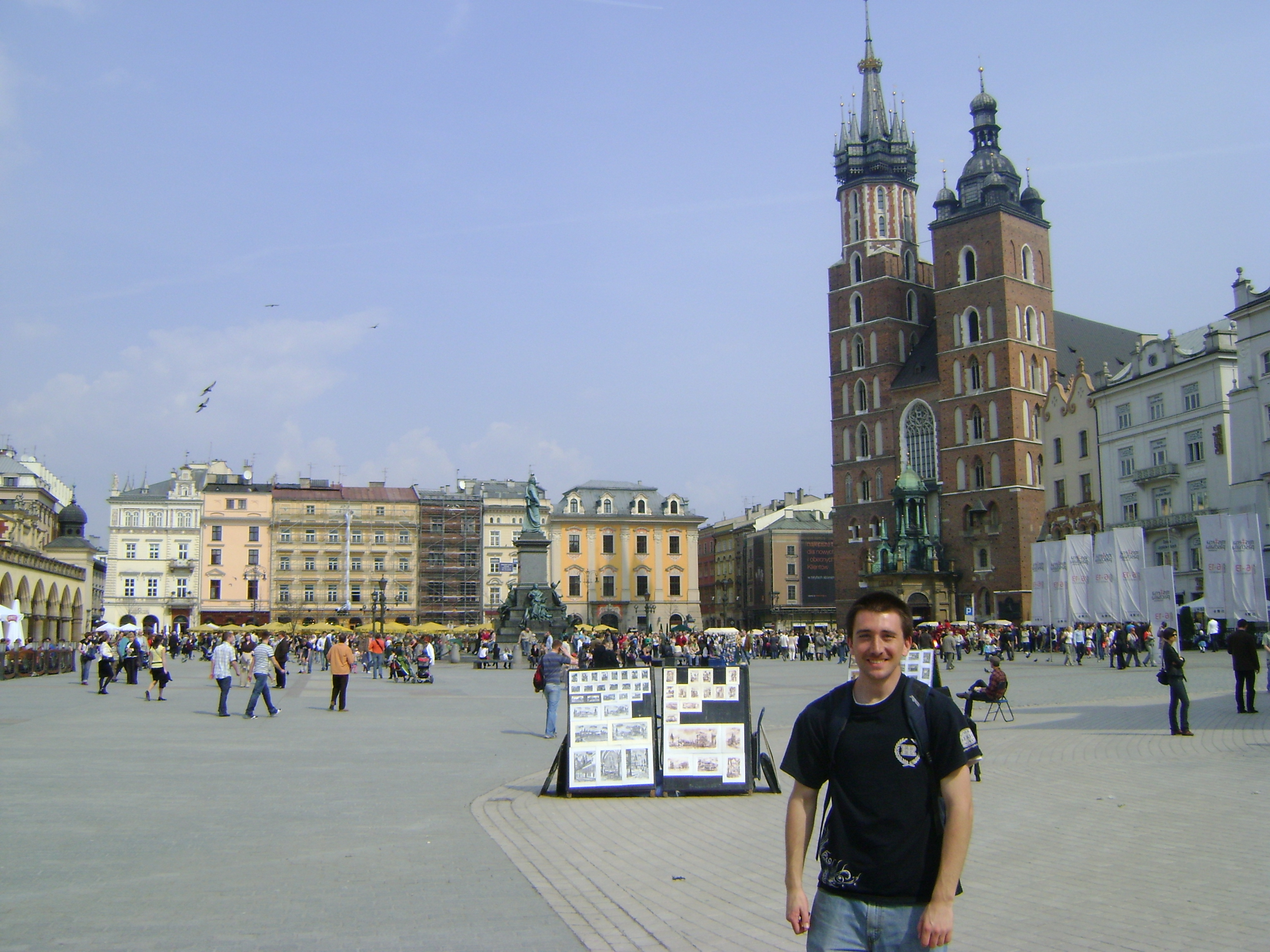
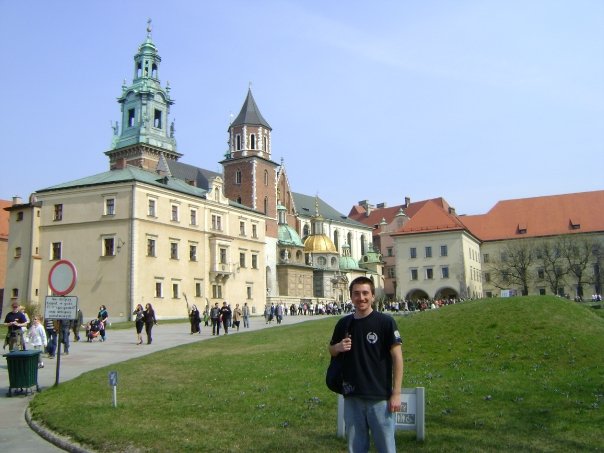
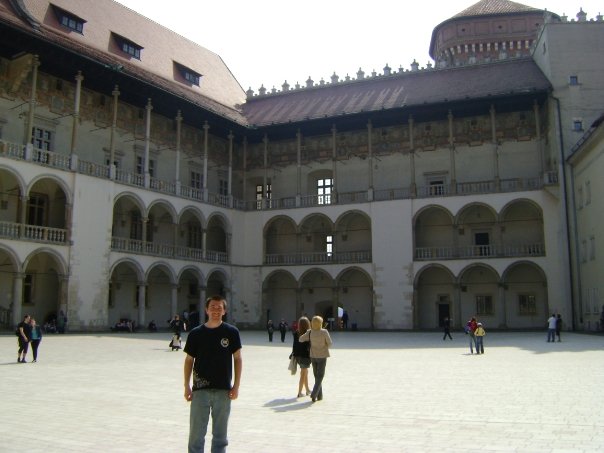
Poland has often been at the butt of many jokes due to the apparent ineptitude of its residents, but it is a tough country that has constantly been invaded by its larger neighbors like Austria, Russia, and Germany.  However, the Polish people have stuck together through these harrowing periods of history, and today have a vibrant democracy with a booming economy.  I saw plenty of P0land’s cultural history when visiting Krakow, the cultural capital of the south.2819_1239044213300_1052047_n  It’s also close to my great-grandparents’ villages they emigrated from back in the 1910s.  So, it felt like a type of homecoming for me to reconnect with my cultural roots.  While we were wandering about the streets of the charming Eastern European city checking out such sights like the city square, the cloth hall, and the Vistula river, it made us all work up an appetite.

The main square

The main square; Cloth Hall far left and St. Mary’s to the right.

St. Mary's Church

St. Mary’s Church

2819_1239045653336_1332560_n

Old Town

Old Town

Me being dashing next to the Vistula

Me being dashing next to the Vistula

Wawel Castle

Wawel Castle

Inside the castle

Inside the castle

So we stopped into a local restaurant and looked over the menu.  They had plenty of items that one could find in Polish restaurant Stateside like in Chicago and elsewhere.  If you’ve never had Polish food, it’s very hearty and simple food focusing on vegetables that can grow in the cold winters like potatoes and cabbage along with rich pieces of meat and sausage.  One item in particular caught my eye that I knew I had to get:  Gołąbki (pronounced:  Go-wumb-key).  This dish literally means “pigeons”.  According to Wikipedia, during the Thirteen Years War the kings of Lithuania and Poland allegedly fed gołąbki to their troops before the key battle of Marienburg Castle against the German Teutonic Order of Knights.  Result:  a Polish and Lithuanian victory.  Hooray for pigeon power! Don’t worry though, none of the head bobbin’, flying rats were harmed in the making of this meal.  Instead, it is like an Eastern European version of Greek dolmathakia.3354_850557907990_896543_n    First, there is the minced pork/beef blend inside that is seasoned and mixed with onions and rice.  This hearty melange is subsequently wrapped up in boiled cabbage leaves and then drenched in a warm tomato sauce.  The boiled cabbage was semi-firm, and the tomato sauce provided a smooth, tangy background to the spiced meats inside.  While we weren’t going to be engaging in hand to hand combat after our meal, it gave us plenty of energy to tackle the rest of our trip.  Honorable mention for food in Poland goes to the spreadable lard on bread that we tried in a different restaurant. 2819_1239046293352_2136836_n It was like a spreadable, warm butter mixed with bacon chunks that was so wrong yet tasted so right.  It was an homage to my grandparents who loved to spread it on rye bread.  It’s too bad they’ll never make it back to Poland, but I’m sure I made them proud with this meal.

Just like Baba and Papa

Just like Baba and Papa

Throwback Post: Pilsner Urquell and Olomoucké Tvarůžky in Prague

Posted on

Hey there and welcome to another edition of Mastication Monologues!  If you haven’t been reading my latest posts, I’ve started to chronicle my past food and drink adventures throughout Europe.  My journey starts in Eastern Europe due to its funky food history and local flavor.  Part one in Bucharest featured a heart-clogging favorite with Romanian shepherds, and part two recalled my misunderstanding over a piece of meat in a unique Budapest restaurant.  Now, part three takes me to Prague where I encountered one of the worst tasting foods I’ve ever consumed, and I actually enjoyed the controversial king of fruits, durian.  So you know it has to be bad.

Prague is hands-down one of the most gorgeous places in Europe I’ve visited, but unfortunately everyone else in the world has found this gem behind the former Iron Curtain.  What this means is that such lovely places like St. Vitus’ Cathedral and the Charles Bridge are crawling with tourists like ants all over a picnic. 2819_1239081974244_3750230_n2819_1239082094247_4265863_n2819_1239080894217_306123_n2819_1239081654236_6953299_n However, there are some hidden gems like the Dancing Building which is colloquially known as Fred and Ginger as in Astaire and Rogers since the two structures look like they’re gliding across the dancefloor like their namesakes.2819_1239082334253_823374_n  Summer hordes aside, it is a metropolis that combines plenty of history with cuisine that has strains of both Slavic and Germanic traditions.  During our stay in Prague, Kevin, his then gf, and I traveled throughout the city and experienced the best Prague had to offer in regard to sites, sounds, and toward the end of our trip, smells.  I’m getting ahead of myself.  First, let’s talk about beer.

In America, we have a very large beer culture compliments of the scores of Northern and Central European immigrants who came to our country, but Czech beer plays a very large part in the history of the hoppy drink, especially when it comes to pilsner beer.  The word “pilsner” derives from the Germanic form of the Czech town of Plzeň (Pilsen in German) since that’s where this type of beer was invented.  Therefore, it only made sense to Czech out (pun YOLO!) the most famous and original pilsner, Pilsner Urquell, in the heart of Prague.  The most interesting part of our bar hopping adventures beyond the beer was a local bar outside the Prague city center that was around the corner from our hostel.  It looked like any other watering hole on the outside, and when we walked in, it didn’t strike us as anything novel.  There was a mix of men and women sitting throughout the establishment sipping on steins, but then there was the all female wait staff.  They were all topless.  TOPLESS!  It wasn’t a nightclub or anything.  No Guns and Roses’ “Welcome to the Jungle” pumping over the speakers as dancers took their turns on the pole.  Instead, it was like any other bar in the world, but all the ladies must have forgot their shirts at home.  It made holding a conversation with my traveling companions hard and ordering beers even worse.  The whole experience was the polar opposite to the Puritanical views in America toward nudity.  The Pilsner Urquell was equally titillating when it came out.

Bros and brews

Bros and brews

It tasted better out of the tap than the bottles sold in America.  It was crisp, clean, and slightly bitter with hoppy elements that complimented the intense roast pork I had to eat.  Along with the amazing beer, I tangled with a very interesting dish that hails from the capital of Moravia, Olomouc.

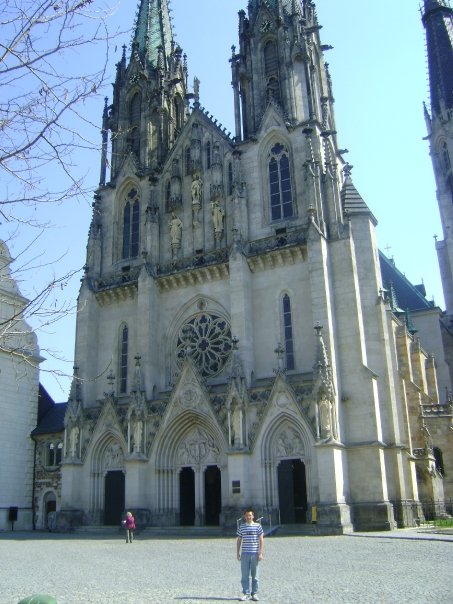
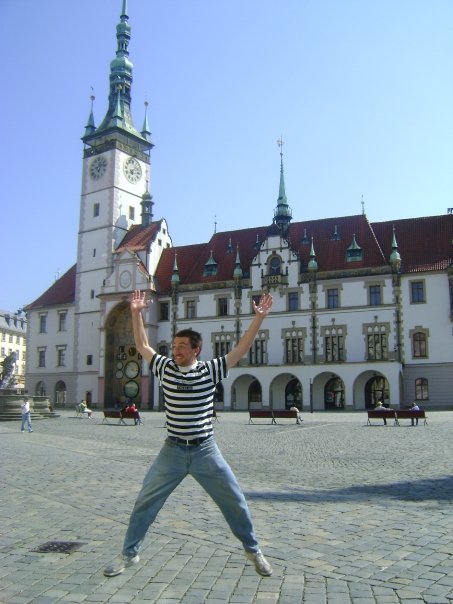
Olomouc (pronounced “Oh-luh-moots”) was the only other city we visited in the Czech Republic, but it was the ideal balance to the hectic streets of Prague.  It was more provincial but just as beautiful. 2819_1239094654561_7931694_n The St. Wenceslaus Cathedral was immense like most houses of former worship in secular Europe, and the town square possessed a beautiful sun clock that was shot up by the Nazis during their retreat from Russia in WWII.2819_1239095054571_3336137_n  When the Soviets took over the town, they rebuilt it with proletarian heroes in place of the Catholic saints that originally decorated the clock’s facade. 2819_1239094894567_4225919_n There still are other remnants of Soviet rule like the working scenes in the train station, and all of it added to the character of the town.  We enjoyed our time in the town, and highly recommend it to anyone looking for a daytrip outside of Prague.

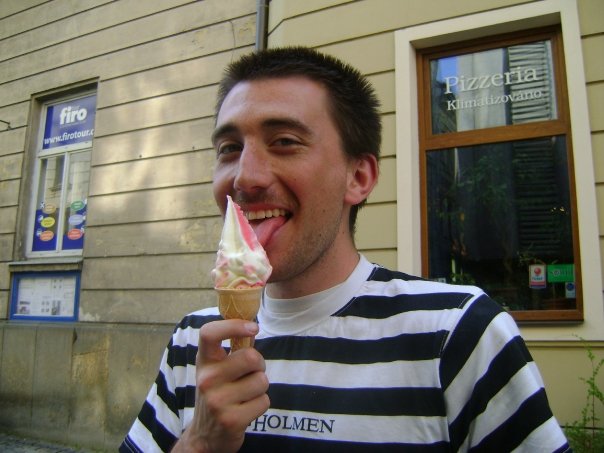
Mmm Olomouc ice cream

Mmm Olomouc ice cream

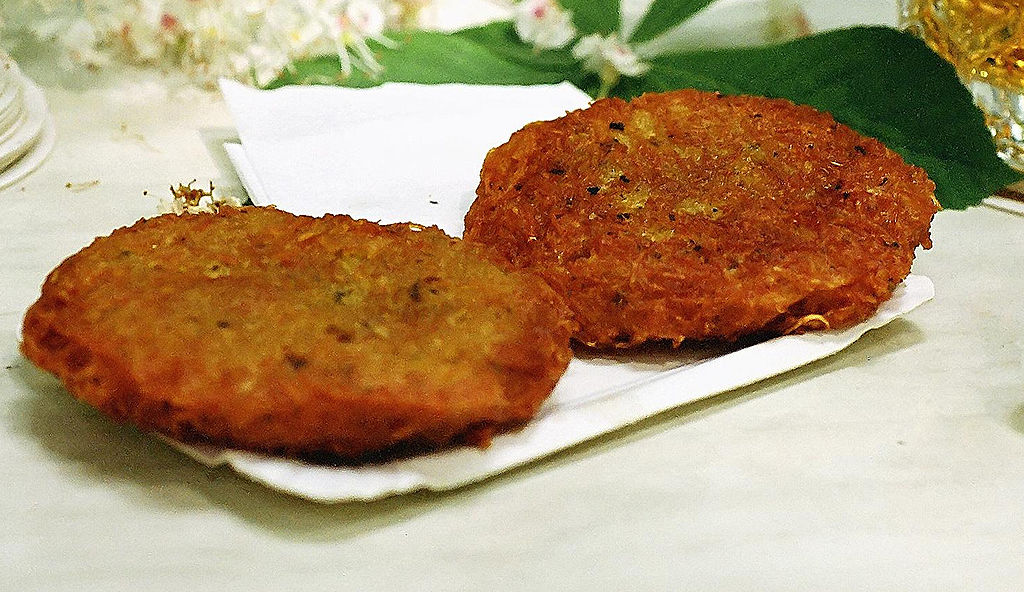
When we came back to Prague, we visited the Jewish Quarter since Kevin’s gf was Jewish. After seeing a synagogue, we stopped at a local restaurant.  They had a mix of Czech and American dishes, but I was drawn in by the “stinky cheese” option.  I ordered one plate which didn’t look that stinky.  It just looked like two patties of fried cheese, but when I sliced into it and took a bite…wow. 1024px-Kartoffelpuffer It tasted like the smell of the pachyderm house at the Brookfield Zoo, i.e. think of hay mixed with pungent urine and aromatic feces.  You know it’s bad when you can only describe the taste of something as a smell.  I could only finish one patty since it was so nasty yet I was so hungry.  Luckily it was only a side to my main dish.  I did some research, and the name of this nasty cheese was  Olomoucké Tvarůžky. tvaruzky It’s a cow milk cheese that originates from Olomouc, the city we visited earlier in the day.  How such a terrible creation could have come from such a wonderful part of the country and has been “enjoyed” since the 15th Century is beyond me.

Overall, the Czech Republic is a great budget vacation in comparison to other places in Western Europe, but you really can experience what the country has to offer at reasonable prices if you venture outside of Prague.  Drink as much beer as you want there but beware of the stinky cheese.  You’ve heard it here first!

2819_1239095094572_6827683_n

I approve this message on behalf of Pilsner Urquell


Throwback Post: Rooster Comb Fake Out and Goulash in Hungary

Posted on

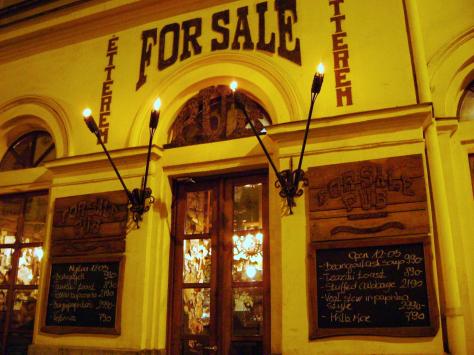
What better place for I, a traveling gourmand, to travel to than Hungary.  Not only is the name fitting for my perpetual state of being, but this land of the Mighty Magyars and a tongue twisting language proved to be quite interesting when Kevin and I explored Budapest during Spring Break in 2009.  2819_1239033173024_5272662_n2819_1239032813015_5002839_n 2819_1239032012995_3465861_nIt was one of a couple stops during our trek throughout Eastern Europe, but it started off with a bang  the first night Kevin and I went out for dinner at For Sale Pub and Restaurant.

While the outside seemed relatively normal, that concept was quickly thrown out the window as soon as we waltzed in. tumblr_lm3gccir8A1qcdq9m The inside seemed like a peasant’s house complete with hay on the floor and a rustic wooden interior.  We scaled the staircase to find a room whose walls seemed to be decorated by Office Max with all of the random pieces of white paper.  imageUpon closer inspection, each leaf had a message on it.  They ranged from the basic salutation to fellow diners to letters to loved ones to random curse words in various languages.  Oh freedom of speech!  We got menus and a free basket of peanuts from our waiter while Tupac’s “California Love” bumped over the speakers.  Thankfully the For Sale doesn’t put on any airs since we could throw the peanut shells on the floor.  Looking over the menu, they served numerous types of Hungarian specialties including the signature goulash along with some other more mysterious selections that caught my eye like the gipsy roast.  I asked our waiter what exactly the roast consisted of, and he just said “meat”…goody.

When it came out, along with our goulash, it looked not too bad.  I didn’t take a picture of it, but I found an adequate representative of it online. 8120147582_1fd8ed6fe7_z It seemed like a few slices of steak that were rubbed with some salt, pepper, and garlic.  The meat itself was quite succulent and juicy.  These wandering social outcasts do know good food.  As for the potatoes, they were just boiled.  However, the parsley gave them an herbal scent that enticed my nose and palate.  The final piece of the plate I couldn’t really tell what it was.  I asked our friendly waiter what exactly it was, and he said, “Rooster” while pointing to his head.  I took it to meant that it was a fried rooster comb, a.k.a. the red junk on top of the rooster’s head.  It was crispy yet slightly chewy with a definite bacon flavor.  After doing a bit of research, turns out our English impaired waiter took me for a ride.  After doing a bit of research and seeing this gipsy roast preparation video, I discovered what I ate was actually bacon, not rooster a rooster comb.  What he meant to say was it was bacon cut in rooster comb style.  The goulash, however, was the highlight of the meal.  103317937_goulash_271334cApparently, the name goulash comes from the Hungarian for “gulyás” or “herd of cattle” since the Hungarian plain was a huge cattle raising area.  Therefore, the herdsmen would always have some cattle to slaughter along the way in order to make their goulash.  The For Sale Pub’s soup was filled with plenty of slightly spicy and hellishly red paprika which originally came from the Turks who invaded Buda in 1529.  As for the contents, it was simple yet hearty fare with bobbing beef chunks, potatoes, onions, and peppers.
While I was crestfallen to find out that I didn’t unknowingly eat a bizarre food, the national dish of Hungary, goulash, definitely made up for it.  It was one of many memorable moments as I traveled through Budapest with Kevin and his girlfriend.  If you can’t find anything else to eat, Budapest has plenty of delicious, handmade pretzels in their public parks and blood orange, or as they put it “Spanish flavor”, flavored Fanta. 2819_1239033413030_6268170_n 2819_1239032333003_7335081_n I guarantee satisfaction!

Throwback Post: Mămăligă in Romania

Posted on

What is up, everyone out there?  Welcome to the first installation of many on Mastication Monologues that is a retro series of food adventures I undertook throughout Europe while living in Barcelona.  I know there are many stereotypical dishes to try throughout Europe like fish and chips in England, baguettes and pate in France, or tons of different tapas in Spain to name a few.  Believe me, I’ve tried them, and they all were delicious.  Instead, I’d like to highlight more unique plates and snacks that you might have never even heard of and might want to try or maybe not.  Today’s post brings us to the farthest eastern point of my wanderings:  Romania.

Romania is an anomaly in Eastern Europe.  Not only do they speak a language that falls into the Romance category alongside French, Italian, and Spanish while being surrounded by Slavic neighbors, but their most famous celebrity is the infamous prince of the night, Dracula.  I went there in December with my friends Kevin, Steph, Jesus, and Jillian, and it was probably the best trip I ever took during my time abroad.


We all approve of our new house.

We all approve of our new house.

My travel companions, the wild environs including wild dogs in the airport, and just the general randomness that seems to be more prevalent in Eastern Europe made it a journey to remember.  n1949958_46935972_9877The food was a mix of Slavic and Latin flavors with a leaning more toward the former, and one meal that really stood out to me was something called mămăligă.

Since it was the beginning of December, it was quite chilly, so we didn’t spend a lot of time sitting in parks and enjoying the local flora and fauna in Bucharest.  We quickly found a folk restaurant and appreciated the warm room and comfortable places to sit.  It looked like a more upscale place based on the spotless floors and walls, but it also seemed more traditional in its decor.  While many restaurants in America may give you a free bread basket or tortilla chips with salsa on the side, this place supplied us with a complimentary plate of assorted pickled vegetables along with a free shot of vodka.  I’m sure the pickled cucumbers and spicy peppers were used to chase the strong spirit, and the alcohol warmed us up quite quickly.  We looked over the menu, and I couldn’t really decide what to get.  The staff didn’t speak much English, but I saw there were terrible English translations under the Romanian items.  One caught my eye called balmoş (sometimes spelled balmuş).  It just said it was made of  mămăligă, butter, cheese, sour cream, and eggs.  The waiter seemed happy with my choice, and it really piqued my attention once it came out.  it was served in a small bowl.  It looked like a yellow and white porridge with bits of sausage on top.  After doing some research afterward, the yellow was the mămăligă or a porridge made of yellow corn.800px-MamaligaBranza  It is normally boiled with water and can serve as a substitute for bread, but for this balmoş it was boiled in sheep milk.  Along with that fun tidbit, I found out that this dish is a specialty with Romanian shepherds.HPIM2109  So, I grabbed a spoon and dug into the bowl to find layers of sour cream, telemea (a type of feta cheese), caş (a type of fresh curdled ewe cheese), urdă (a type of curdled cheese).  Thank God for Wikipedia to explain all of those cheeses to me.  The cheeses were strong and pungent yet softened by the sour cream and porridge.  It wasn’t a huge bowl, but it really stuck to my ribs for the rest of the day/night.  I could tell that the Romanian shepherds perfected this recipe for long, lonely stretches in the wild.  However, I was surrounded by friends and having the time of my life in Romania.

So if you want perhaps a Romanian vegan take on chili or are in Bucharest and looking for a fading piece of the past, try the mămăligă!

Design a site like this with WordPress.com
Get started