Tag Archives: restaurant

South Carolina (Day 1): Everyday I’m Husklin

Posted on

Finally, done with final exams and my 2nd Bachelor’s Degree!!! The feeling is amazing, and what better way to celebrate than starting the story of our journey to Charleston, South Carolina? Oh yeah, and also asking my wonderful girlfriend to marry me!  So, like any good tale, let’s start at the beginning.

Before we left for Charleston, we had been talking about when we would get married and types of engagement rings Janice wanted.  In fact, she was the occasional Debbie Downer thinking that I might never pop the question.  Little did she know I had already ordered and secretly stashed the ring at home.  *Cue maniacal laughter*  Once we got to the airport, the game was afoot.  Through a series of strategic positioning choices while walking, like holding her left hand in my right hand because the ring was in my left pocket, and taking advantage of classic airport situations, like the madness at the security lines and Janice’s subsequent rage at everyone’s incompetence, I managed to sneak the ring in my backpack.  This is where it would stay until later in our trip.  Keep that in mind, readers.  The flight and nighttime jaunt to our Air BnB was relaxing, and we were ready to explore the city the next day.  We woke up to a slightly cool day that was punctuated with plenty of intermittent rain and wind as we were off to brunch at our first Charleston restaurant.  From the outset, we knew this was going to be an eventful day since we were greeted with biblical floods throughout downtown Charleston.  IMG_9076Not only were we learning the streets, but we were also playing our own version of Oregon Trail in our rental car which also oddly had a dial instead of an actual gear shift.  Definitely was freaking me out.

Notice the flood waters right outside our window.

Notice the flood waters right outside our window.


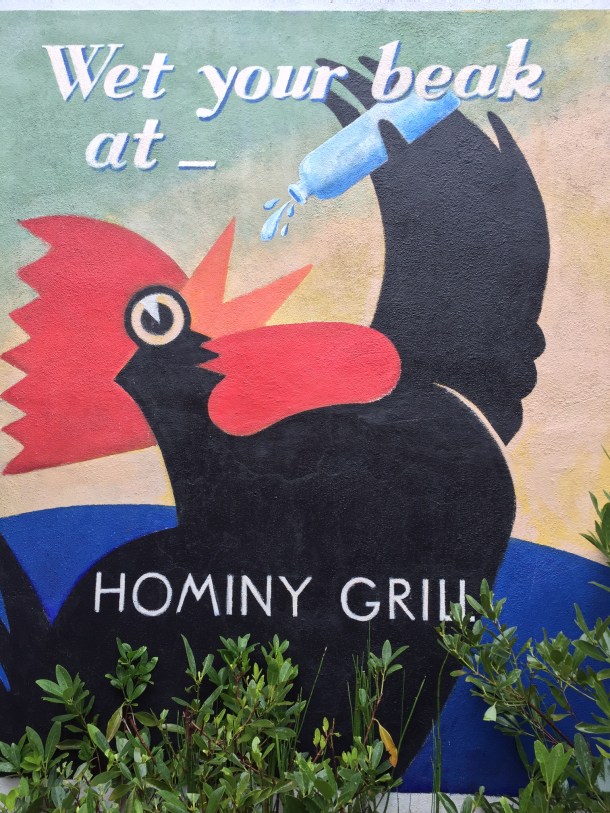
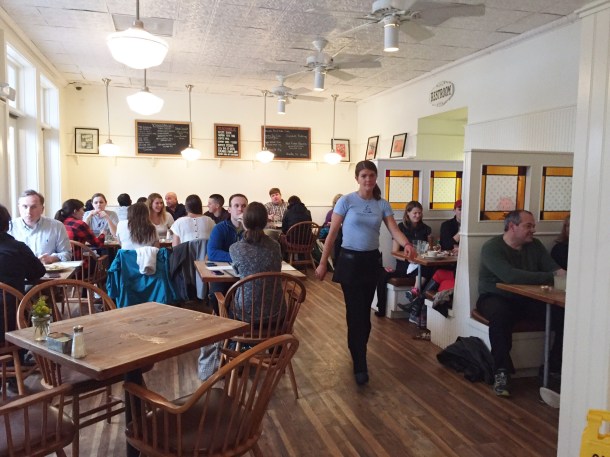
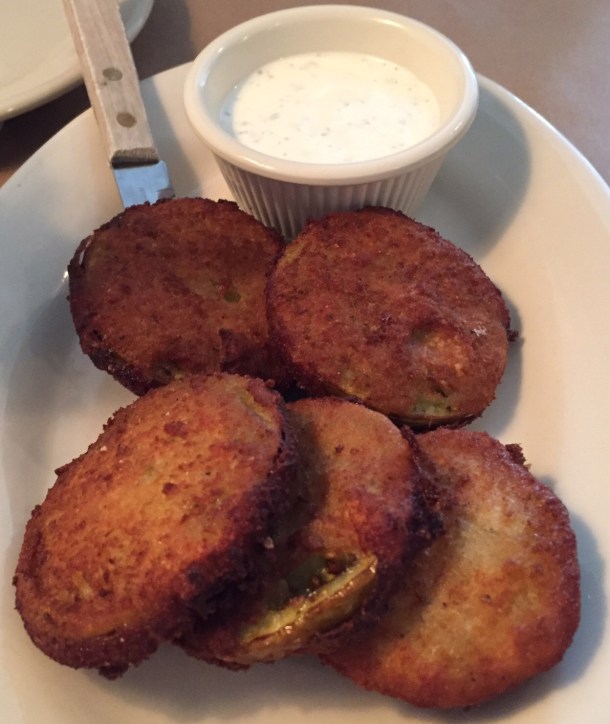
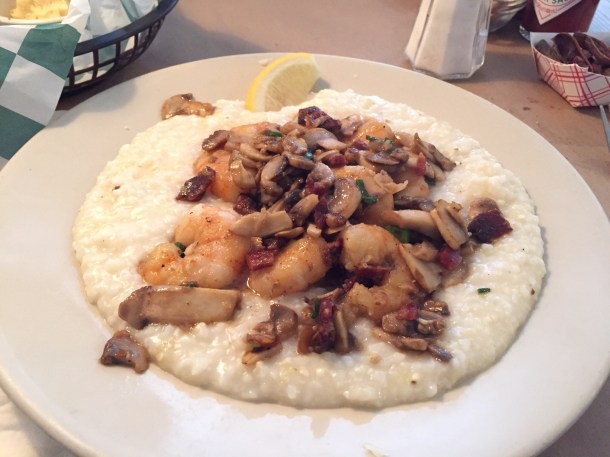
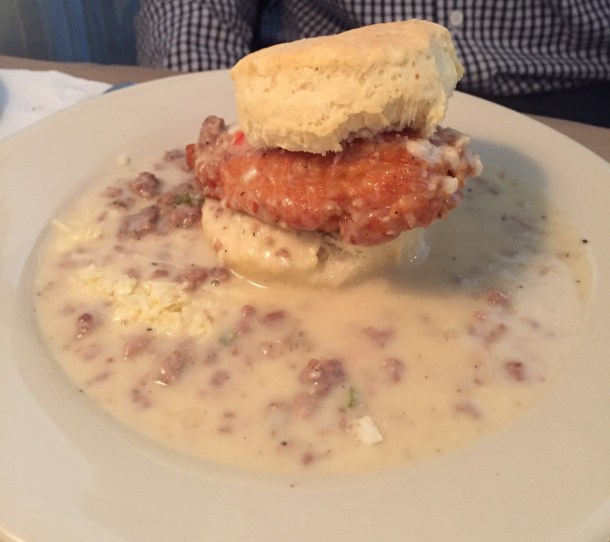
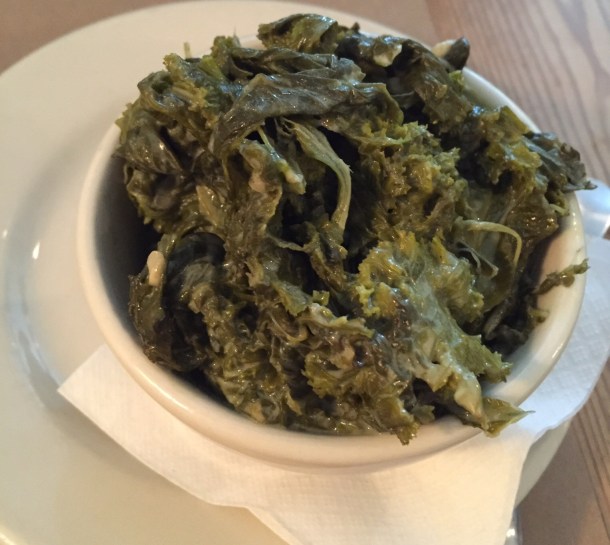
 Fording all of those rivers really whipped up our appetite, and we finally arrived at Hominy Grill (thankfully we didn’t lose any oxen!). IMG_9078IMG_9079 This tastefully and colorfully decorated historical Charleston house was a symbol of the deep roots that run through the east coast port town.  Charleston was one of the richest cities in the original 13 colonies due to cash crops like rice, indigo, and timber that were harvested by the slaves that were subsequently brought over to do all the dirty work.  Although the institution of slavery is based on the concept that one group of people is viewed as being less than human and more like chattel or general investments, the power of good food can still make the oppressed class make their voices heard even when other parts of their culture might be done away with by the ruling class.  In fact, it is often the case around the world that some of the best food comes from the lower classes since they have to make the most of what they could afford.  That would be a common theme throughout our trip as we ate signature Southern American dishes that have African roots but appeased the taste buds of the English colonists.  Hominy grill brought plenty of this blended South Carolinian culture.  We loved the antique interior which also kept the quaint colonial vibe when I noticed they weren’t playing any music in the restaurant. IMG_9094 IMG_8203 I don’t know if it’s a Chicago thing, but we more often than not have music going on in restaurants.  So, it was a welcome change to just hear the sound of families and friends enjoying good food.  The meal began not with a bread basket rather a paper container of boiled peanuts.  IMG_9080While these are now a common Southern snack, they trace their roots back to Africa.  They are commonly sold as a street food in Ghana even to this day, and in the South they can also be called “goober peas” which reminded me of a popular Civil War my mom would randomly sing.  I had actually never had them, so we tucked into them.  It was weird because the normally crunchy shells peeled off like a loose skin, and the peanuts had an almost meaty quality to them.  I can see why they could be a good snack food, but I prefer my honey roasted variety.  I did like that we got more than we bargained for because for some reason it seemed that there were a lot of three and even four nut shells.  IMG_9081We kept the food festival going with two appetizers in the form of fried green tomatoes ($6) and hushpuppies ($5).  IMG_9082I had had hushpuppies before, but never like this.  The first people to have made them were Native Americans in the Southern United States, but they became popular during the Civil War.  Their name supposedly came from the Confederate soldiers using them to make their dogs be quiet or “hush the puppies”.IMG_9083  I can see why because I was making my barking stomach curl up and sleep in a food coma.  IMG_9086I didn’t really get the jalapeno flavor or spice in them as advertised in the menu, but the subtly sweet sorghum butter was a fitting compliment to the crunchy and salty crust.  The real star of the appetizer round was the fried green tomato plate.  IMG_9084It was another Southern fried treat which consisted of unripe tomatoes coated in batter and fried with a side of ranch dressing.  It might have been the Midwesterner in me which embraced the ranch dressing, but the creamy richness was a match made in heaven with the semi-juicy and sour interior and crispy exterior.  As if that wasn’t enough food, we managed to move on to our entrees.  Hominy Grill is a Michelin starred restaurant with not super Michelin prices serving plenty of Southern comforts, and we stayed true to what Hominy Grill is good at.  Janice ended up getting the Shrimp and Grits ($19) which was different than most grits I’ve ever had.  They were more like a very fine risotto compared to the creamier grits that I tried in Georgia or have seen at soul food events.IMG_9089  The shrimp were perfect and the scallions and bacon brought a savory edge to the smooth plate.  Then there was my choice:  the Nasty Biscuit ($10.50). IMG_9087 If there was one plate to sum up Southern cuisine, this tried to roll every element into one meal (minus delicious barbecue).  It was a buttermilk biscuit with a piece of fried chicken in the middle bobbing in a sea of sausage gravy and cheddar cheese.  Straight.  Up.  Nasty. (in a good way, naturally)  There was no easy way to eat this symbol of Southern madness/genius, but it was as heart stoppingly good as you might imagine.  I wouldn’t have to eat for another week with the amount of calories this bomb contained, but I would recommend it to anyone who wants something that’s more southern than Colonel Sanders, the Dukes of Hazard, and Nascar combined.  We also got a side of collard greens since Janice likes them, and we needed to keep the southern food train rolling. IMG_9088 I never really tried them before this moment, but I would liken them to an earthier spinach.  Not something I’d go out of my way to eat, but thank God I got something green to eat in this sea of deep fried goodness.  Somehow, some way we managed to make room for their famous homemade buttermilk pie.  Good lawd, I have never had a pie like this, but it was the lightest pie I’ve ever eaten.  IMG_9091First, it was chilled which made it seemed more lithe than the cumbersome fried food we had before.  Then the filling was like consuming a sweet treat that was like a suave vanilla custard that caressed our overworked palates.  Finally, the crust.  It was minimally intrusive compared to your typical lard based pie crust which made all the difference in this belt buster of a meal.  We came super hungry and left super satisfied. IMG_9093 Can’t praise the Hominy Grill restaurant and staff enough.
Thankfully, we walked like crazy afterward along Charleston’s harbor.  Since the weather was craptacular, we thought we could wait out the rain in the Charleston aquarium, but unfortunately we missed the last tour for the biggest draw:  the sea turtle hospital.

We did come out on top with puns though.

We did come out on top with puns though.

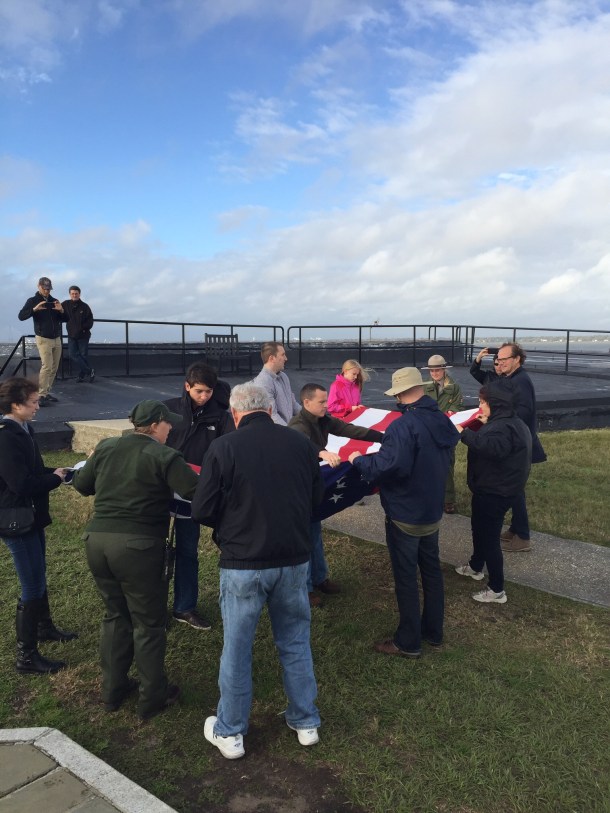
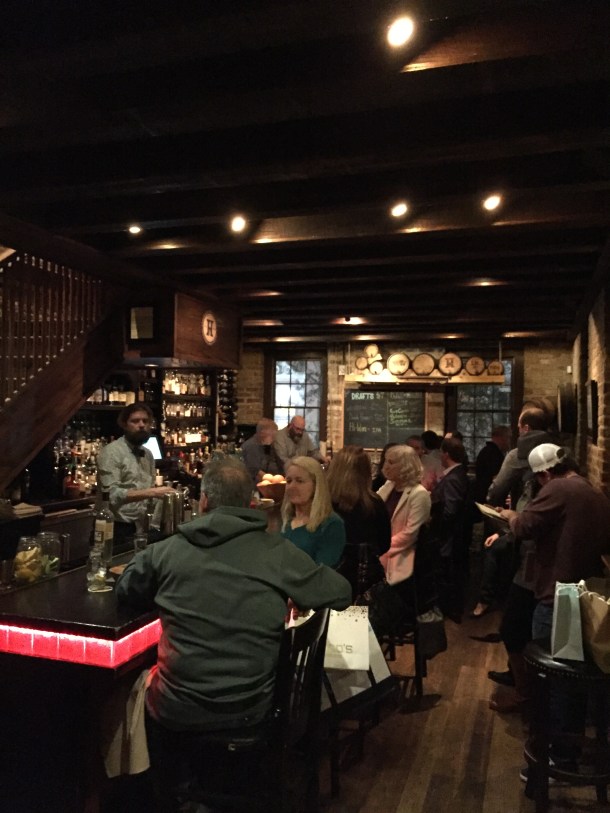
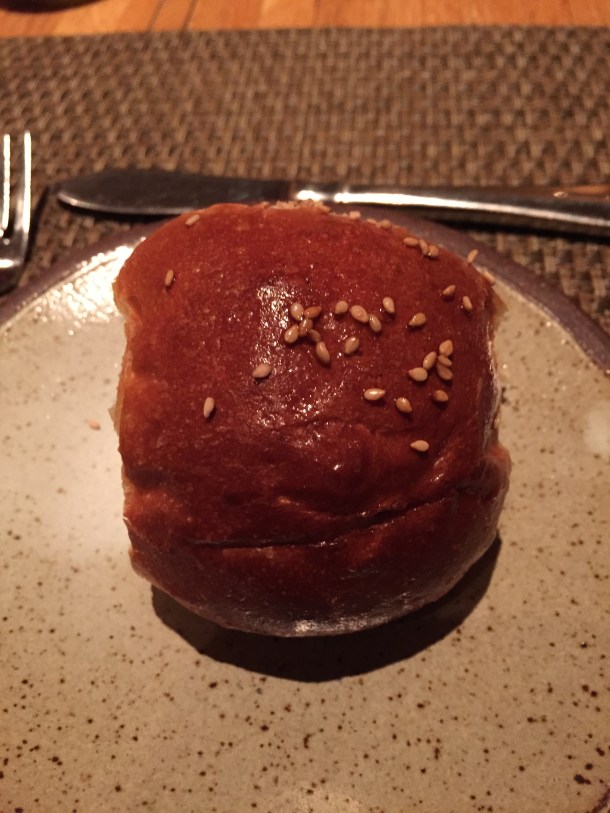
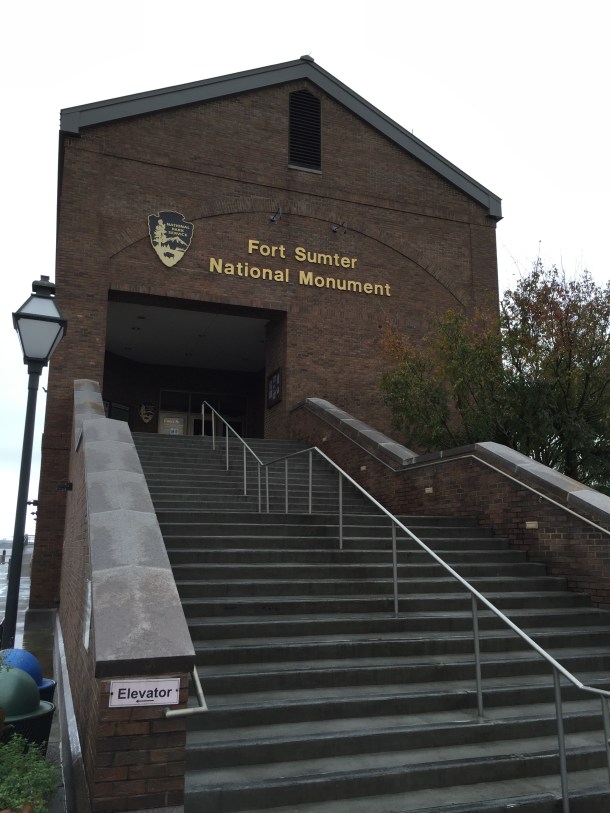
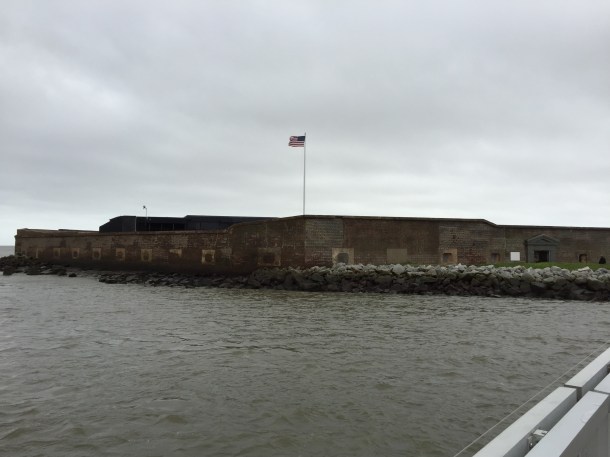
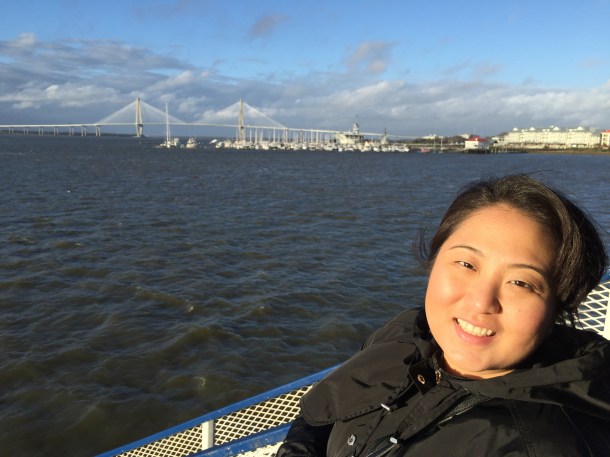
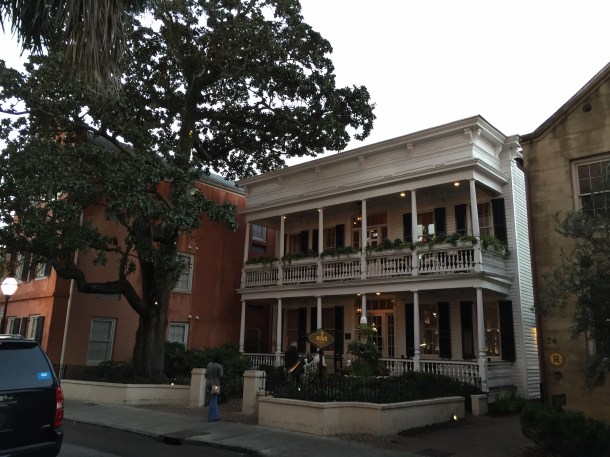
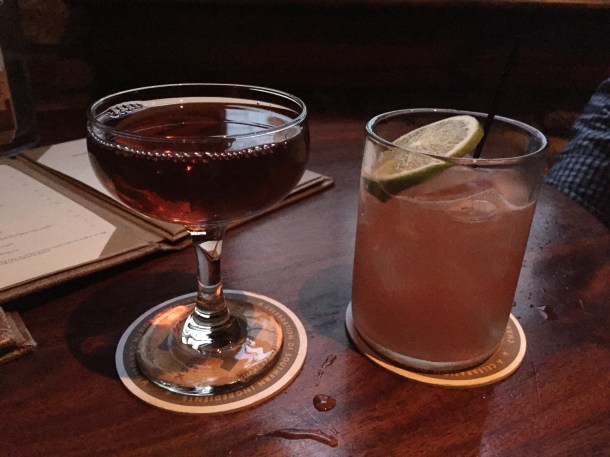
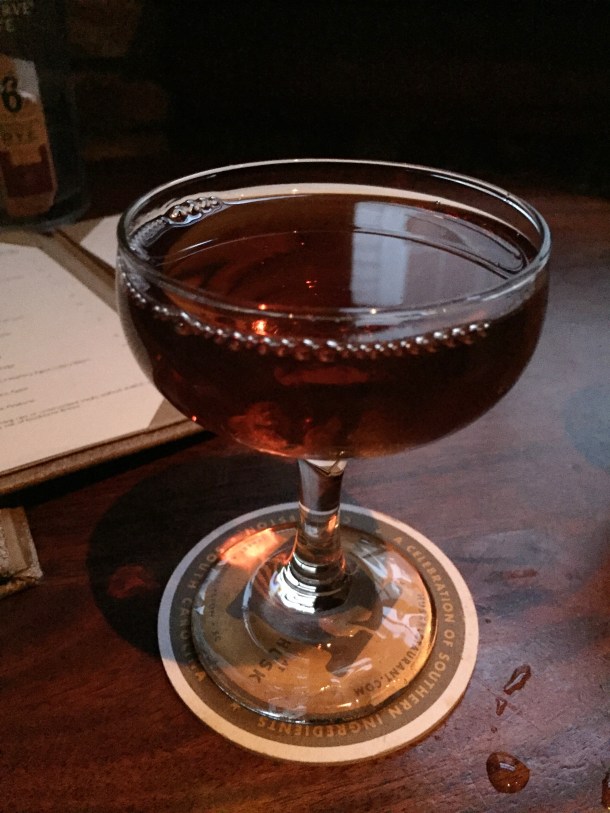
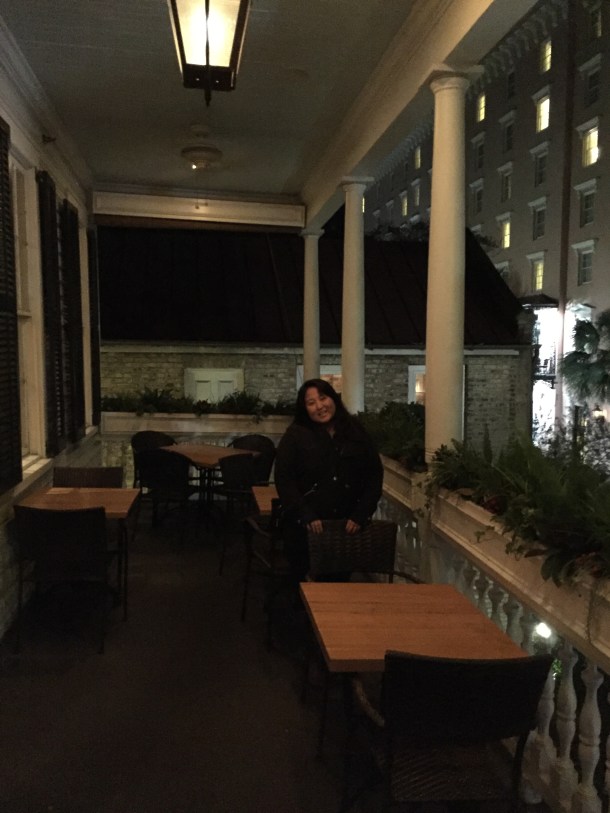
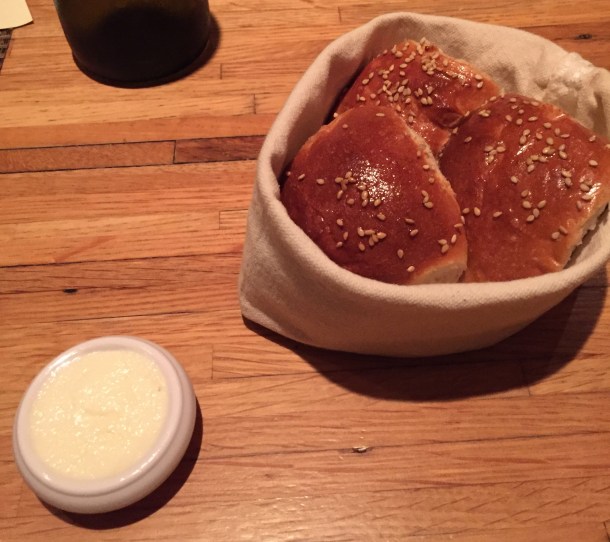
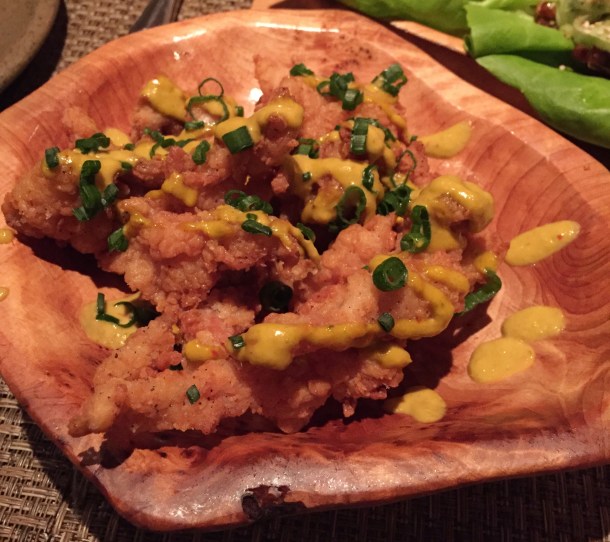
We cut our losses, and got tickets for the next day and instead went to Fort Sumter which just so happened to be next door.  Well, actually it was the national park museum commemorating the flashpoint of the beginning of the Civil War, and it was chock full of historical goodness that we appreciated.IMG_8206  The actual fort consisted of us getting on a ferry boat and going out to an island in the harbor.  IMG_8208It was windy and cold, and I was smart enough to not bring a jacket (or I’m just that tough).  IMG_8220We landed and it was the perfect time to go since the weather scared away the hordes of tourists.  The fort was a mere shadow of its former self, but I could imagine how terrible it must have been for the defenders to be behind its ramparts and being shelled day after day. IMG_8225IMG_8229 IMG_8230 IMG_9156 IMG_9157My favorite part of the visit consisted of the flag lowering ceremony that was similar to how the former Union defenders would do at the end of each day.  It was an extremely windy day, and it was more challenging than you may think.  IMG_8240Think about a fifty foot piece of heavy canvas flying and whipping at you violently, but luckily teamwork saved the day. IMG_9160IMG_9161 IMG_8245Going back on the ferry, thankfully the weather let up to take in the many beautiful views of Charleston skyline and bridge. IMG_8251 IMG_9163I later learned that Janice had thought I was going to propose to her on the ferry which surprised me.  That big event will come later in the story at a more unique location!  Instead, we continued to walk off our heavy lunch along the broad avenues of Charleston’s historical downtown.  I could not get enough of how much history was around every corner.  Surprisingly, we were hungry again, so we had to try a little place called Husk. IMG_8260 It is in a late 19th Century mansion and led by a James Beard award winning chef, so we threw ourselves at the mercy of their menu.  Janice wisely got reservations before we even landed in Charleston, so we checked in just below the steep staircase.  IMG_8270We still had to wait for a table though since the entire establishment was hopping.  Thankfully, they had a smaller guest house next door that was converted into a two tiered bar. IMG_8268 IMG_8267 The drink menu was Charleston through and through with references to parts of the city (the Four Corners of Law) and southern flavors.  We were quickly seated upstairs at one of their rustic wooden tables.  We started off with a Turcotte’s Tipple ($11) and a Charleston Light Dragoon’s Punch ($9).  IMG_8264Janice’s tipple drink was an homage to the rider of the Triple Crown winner Secretariat, and it was a bourbon based, grapefruit-infused drink that was as fleet footed as its steed namesake.  IMG_8266If you’re looking for a light, understated fruity drink for a hot summer day, this is your best bet.  As for mine, it was taken straight from a 1783 recipe from the archives of the Preservation Society of Charleston.IMG_8265  It was much stronger than Janice’s front porch refreshment due to the rum and the peach brandy, and it combined with black tea and lemon juice to add a spiked sweet/iced tea flavor to the mix.  I’d liken this drink to a British version of a Manhattan.  Even though we were next door, Husk’s staff actually came to get us upstairs in the guest house to lead us to our table in the main house.  Now that’s what I call service!IMG_8302  We were shown upstairs past their homemade pickled vegetables and firewood for the ovens to one of the front dining rooms that had a view of the second floor porch. IMG_8300IMG_8272 Janice also got a Copperhead ($11) which a whiskey with a hint of absinthe that was like a licorice infused Old Fashion. IMG_8276 As for food, we got a complimentary basket of fresh pretzel rolls that were small, warm orbs of heavenly dough with a side of whipped creamy butter.IMG_8274IMG_8277  The culinary dream that happened soon thereafter was the stuff of legend.  First, we got fried chicken skins with kimchi mayo, black garlic mayo, and scallions ($11) and glazed pig ear wraps ($12).  The former was continuing with the southern fried theme from our Hominy Grill lunch.  The people at Husk could sell them at any national chicken chain as a guilty pleasure and make a fortune.  IMG_8278They were just the right amount of crunchy, salty, savory, and spice with the kimchi mayo.  As for the glazed pig ear wraps, they were like a southern version of Korean ssam bap. IMG_8282 The cook had similar strips of pork that were a bit tougher than kalbi, but they did have some pickled cucumbers and red onion to keep in line with this Korean fusion dish.  I would highly recommend both of these appetizers.  We moved on to the entrees where Janice got the heritage pork ($34) and the bacon cornbread ($8) while I got the flat iron steak ($34).  I thought that combining the hottest ingredient/breakfast food since sliced bread with a delicious southern staple would have yielded an unforgettable pairing to our flawless dishes, but alas, we were not impressed since it was actually on the dry and crumbly side. IMG_8285 Thankfully, my flat iron steak was assembled to perfection with medium rare steak, mushrooms, broccoli, and shishito peppers. IMG_8288 The steak were burgundy nuggets of bliss and the vegetables were expertly sauteed.  Kudos to the addition of the shishito peppers that gave the mostly mild ingredients a nearly undetectable hint of sweet spiciness.  I thought Janice’s pork plate was ok, and she didn’t feel it warranted the price tag.IMG_8286  I could see why because the pork, while flavorful, was too much of the same flavors.  There wasn’t that element, like my peppers, that always kept you guessing with every forkful.  Finally, there was the dessert, and what a dessert it was.  It was a caramel bread pudding that consisted of a brown butter crumble and cinnamon ice cream with flower blossoms for decoration. IMG_8289 Now, I’ve had my fair share of bread puddings, some good and others not so good (contrary to popular opinion), and this was hands down the best I’ve ever had.  It wasn’t too hot or too cool.  The crumbles were spiced and just in the perfect ratio to the soaked bread below that was filled with luscious caramel.  The warmth of the skillet made the cinnamon ice cream atop this work of art melt and soak into each spoonful.  I was having my own When Harry Met Sally moment by the time we sadly hit the end of our metal clad sweet secret.IMG_8292IMG_8295IMG_8294  After we paid and did a short nightly jaunt around one of Charleston’s main streets, we made our way home after a successful first day in Charleston.  Stay tuned for the next chapters in our journey and the road to our engagement proposal!IMG_8298

Hominy Grill Menu, Reviews, Photos, Location and Info - Zomato

Husk Menu, Reviews, Photos, Location and Info - Zomato

My Neighbor Tokoro

Posted on

Hello…helllooo..helloooooo….Is anyone still left out there that reads this blog?  It seriously has been way too long since I have posted any new content on Mastication Monologues, but such is the life of someone working on a 2nd Bachelor’s degree.  Thankfully, the light at the end of the tunnel is near, and I am looking forward to some mental rest and relaxation.  Thankfully, I won’t slack too much though because I have plenty of great reviews and food adventures to bring to you.  Today’s review involves Tokoro Sushi in the Lincoln Square neighborhood.

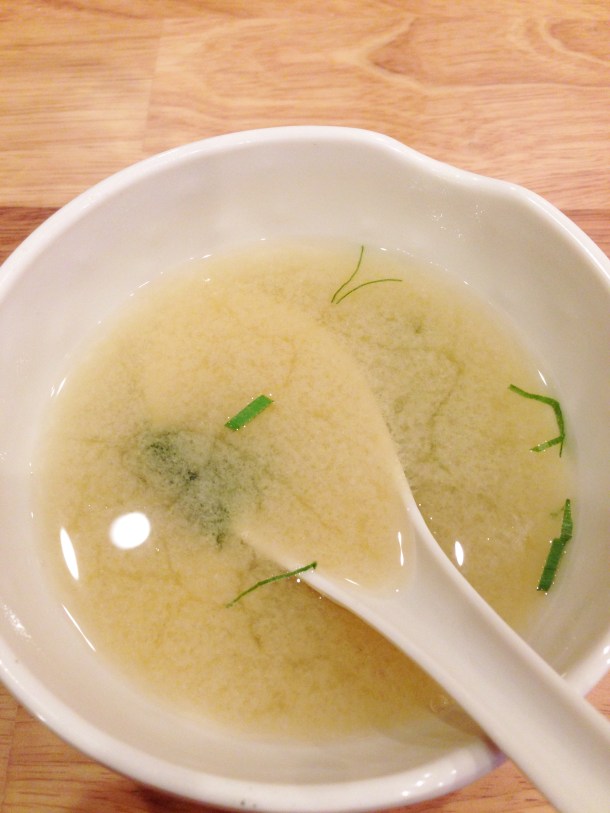
My fiancee, then girlfriend, suggested we try the new eatery when it opened last year, and we have been back since.  However, our first visit wasn’t the most enjoyable compared to the second time.  There is mainly street parking and there are plenty of public transportation options for those of you rocking Ventra cards on the bus or L.  The interior of Tokoro looks like any other sushi restaurant complete with bamboo prints and assorted Japanese tchotchkes.  Fitting given the name of the restaurant in Japanese literally means “place”, i.e. this could be the interior of any of the other million, lower/middle rung Chicago sushi restaurants.  They have a BYOB policy and a free corkage service which helps if you care for a glass of chardonnay to go with your unagi.  Upon sitting down, we looked over their extensive sushi menu and saw most of the the typical Japanese restaurant offerings from lunch specials, soups, gyoza dumplings, sushi rolls, sashimi, and even hibachi offerings for diners searching for something a bit more substantial.  Janice and I preferred to try the figurative treasure chest of sushi that lay before  us in the menu, so we got the “all you can eat” sushi option for 20 bucks.  Some people always wonder or straight up deny that the all you can eat option is a waste of money, but when you think about it, there is some method to the madness.  Based on current trends of fishing, human consumption, and sushi demand from around the world, the price of fish, especially the fatty toro tuna, is only going to sky rocket.   Therefore, placing a cap on your wallet but not on your stomach makes perfect sense to me especially if you were as hungry as we were.  Then again, who knows if most sushi restaurants actually use the fish advertised on the menu.  The results are often times surprising.  Either way, that didn’t stop us from enjoying some good, not great sushi.  Thankfully, we got a complimentary bowl of miso soup which I think should come free with each meal in Japanese restaurants because it is such a simple but satisfying soup to make.  IMG_6101This traditional Japanese soup consists of a kelp/fish based broth and a soy based paste called, you guessed it, miso.  I have never seen it anywhere, but there are also red and mixed color miso pastes used in miso soup.  However, I greatly enjoy the white miso which is typically used in American Japanese restaurants because it is salty, savory, and has a taste that envelopes your entire body with a warmth that is enhanced with the soft cubes of tofu and slightly crunchy scallion strands.  Definitely great for the cold Chicago winters.  Once we drained our bowls, it was time to dive into our sushi.  Side note:  the service was absolutely terrible the first time around in terms of waiting for food, but thankfully they have improved their turnaround time from ordering to bringing out your order.  Our first platter consisted of the crazy tuna roll, spicy tuna roll, and mountain roll.IMG_6102

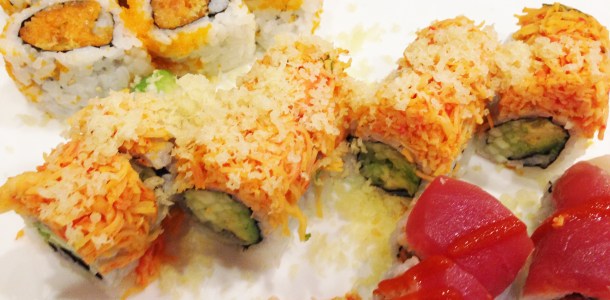
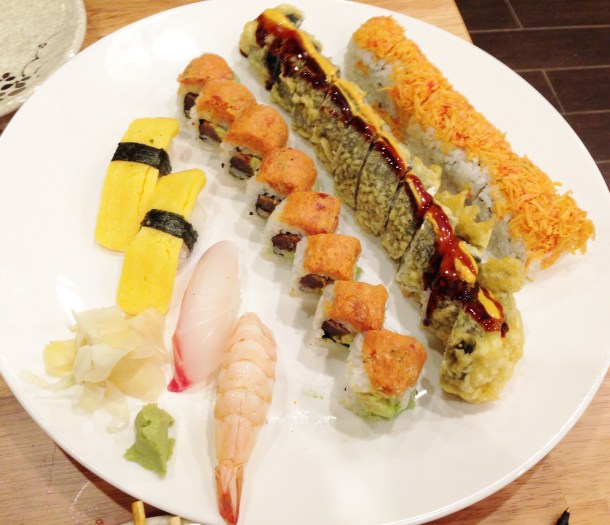
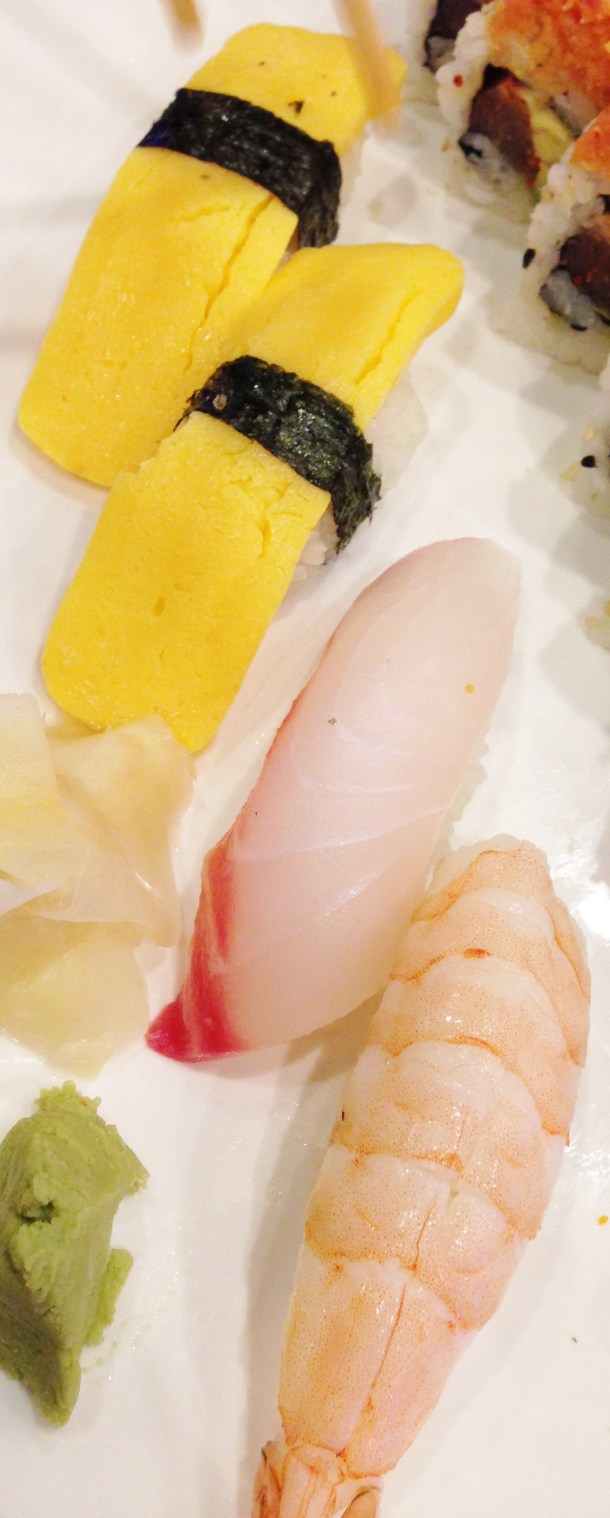
The crazy tuna roll, the one closest to the wasabi in the picture above, consisted of the rice rolled around a tuna and pepper mix and topped with slices of tuna and a sriracha chili sauce. IMG_6103 I didn’t find it to be too spicy, but it went down just fine.  The mountain roll was next which left the biggest impression on me for this round. IMG_6104 The inside was a cool cucumber and creamy avocado duo, but the real fire came from the spicy crab and spicy mayo on top that was festooned with a sprinkling of crunchy tempura crumbs.  I liked it the most out of the three selections due to the contrast between the relatively understated interior and the more eye-catching exterior.  Kind of a case of sushi superficiality, but this is a roll whose cover really makes the book a must read.  The same could not be said about the spicy tuna roll which was like the crazy tuna roll minus the “crazy” part. IMG_6105 I’m a big spicy food eater, and I didn’t think it lived up to its fiery moniker.  So it was not a big draw for me.  It was just a transition to the next sushi round we ordered.  We amped it up with a volcano roll, a kiss on fire roll, another mountain roll, and got some actual sushi on the side with a tomago, shrimp, and a piece of yellowtail.IMG_6106  I’ve already spoken about the mountain roll, but the volcano roll and kiss on fire roll were bolder than the first round participants.  The kiss on fire roll (between the raw fish and fried roll) did actually bring some spice since below the tuna there was a raw jalapeno pepper resting in wait for our unsuspecting taste buds.  I always like being kept off kilter sometimes during my dining experience, and I would recommend this roll for those who do like a bit of spice with their rolls.  Then there was the volcano roll.  Frying actual sushi is a crime against humanity, yet with rolls it kind of works.  The light, rice flour based batter goes well with the delicately constructed rolls, especially one that was bulging with spicy tuna, crab, avocado, cream cheese, and eel sauce and spicy mayo streaks across the sliced roll.  I think this was more of a luxury roll than a spice-centric entree due to the amount of ingredients that went into it.  I’d still recommend it though if you’re looking for a bit more heft to your typical sushi roll.  I did not have the tomago (egg) sushi, the shrimp, or the yellowfin, but Janice said they were all competently made but not mind-blowingly fresh/delicious.IMG_6107

So, if you’re looking for a solid, middle of the road sushi restaurant on the far northside of Chicago, roll on over to Sushi Tokoro!

Sushi Tokoro Menu, Reviews, Photos, Location and Info - Zomato

Nice to Meat You!

Posted on

Zdravo, friends!  Welcome to another edition of Mastication Monologues!  If you didn’t recognize my initial greeting, it was just one way to say “Hello” in Bosnian.  This Balkan nation goes back to time eternal, but after millennia of shifting borders and political alliances have managed to achieve stability and a high standard of life for its citizens.  974e3dc3acc579a582b38880adf839b8The name of Bosnia and Herzegovina is disputed, but many scholars believe that Bosnia is derived from the Bosna river while Herzegovina is a bit more complicated.  A Bosnian nobleman adopted the title Herceg (“duke” in Bosnian) and combined it with the ending “-ovina” meaning “land”.  Once again, a rich guy stamping his name on a piece of land like Pennsylvania and America, for example.  Anyway, moving on from monikers, today’s post involves Kiko’s Meat Market, a homey piece of the Balkan nation located in the Lincoln Square neighborhood which is home to numerous immigrants from the Balkans.

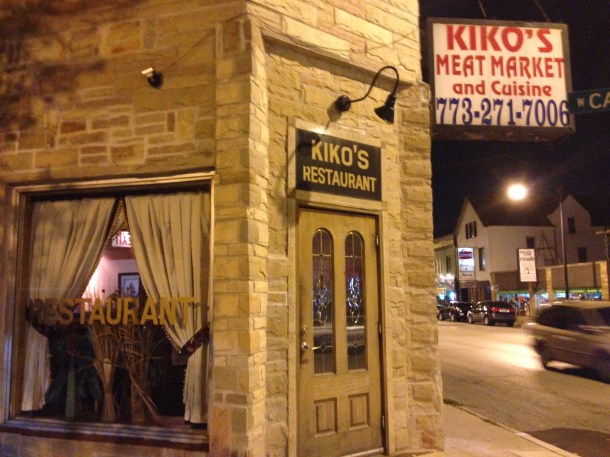
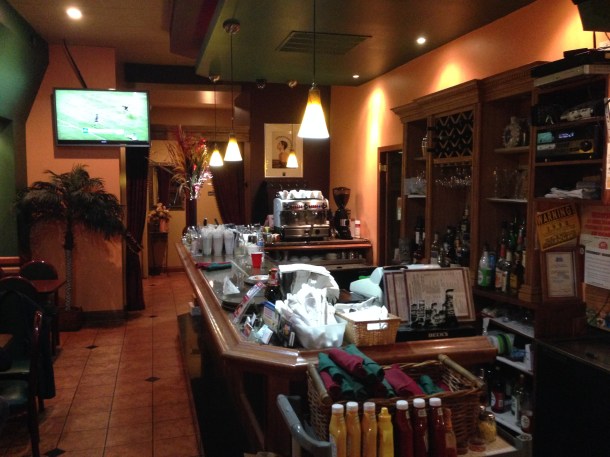
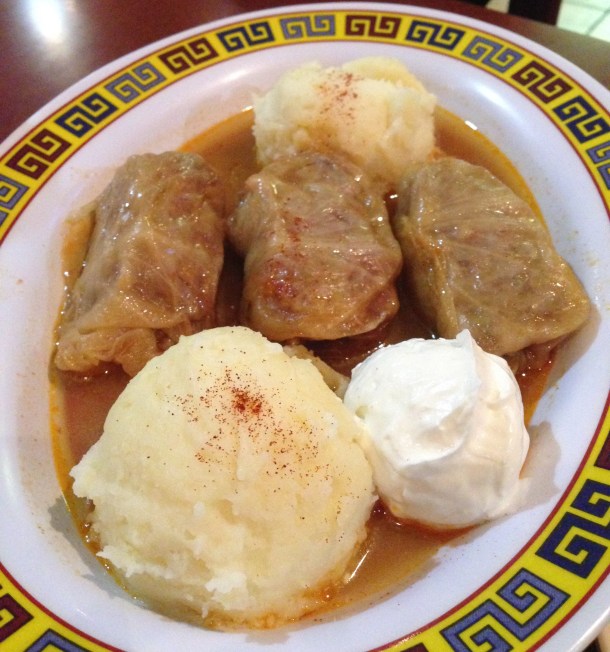
It was a cold night when Janice and I finally made our way into this mysterious restaurant right across the street from one of numerous magic shops that inhabit this part of town for some odd reason.  I didn’t know what to expect from an establishment with the term “meat market” in the title.  IMG_7665IMG_7666Was it going to bring me back to my life as a deli counter worker in the now defunct Chicago-based, all things Slavic emporium Bobak’s Sausage Company, or perhaps something more fitting in the Boystown neighborhood?  It was neither.  There is street and paid parking on the surrounding streets, and the staff were very friendly to us upon entering.  We heard more Bosnian and Serbian conversations than English as we were escorted to our seats which only added to the ambiance of traveling to another corner of the world without even needing a passport.  As for the actual decor, it wasn’t anything over the top or notable.IMG_7664 IMG_7659  It was a basic diner that reminded me of some of the Polish diners that used to be all over on the Southwest side around my grandparents house.  Not only was it a restaurant, but it was connected to a Balkan grocer and deli where you could buy different types of meats and treats from the old country.IMG_7661IMG_7660IMG_7662  Definitely worth a visit if you’re looking for some sausage or bakery or waiting for the waitress to come to your table like I did. Before we got a chance to look over the menu, we ordered our drinks.  I got a Jelen beer which is a Serbian pale lager.  The name of the beer in Serbian means “deer” hence the majestic wildlife on the label. IMG_7646 It was nothing of note.  In fact, it reminded me of every beer from Southern Europe, i.e. thin and inoffensive.  Not surprising when these brews come from wine cultures.  On top of the liquid bread, we were provided the old fashioned sliced kind. IMG_7647 It may not look like much, but it was clearly homemade with the warm, pliant middle and just crusty enough edges that were enhanced by the accompanying European butter that was smoother and not as salty as its American counterpart.  These were just warning shots before the bomb that was dropped in the form of the entrees:  the sampler platter (Mješano meso) and the cabbage rolls (sarma).  The cabbage rolls looked similar to the gołąbki my Polish family makes for most, if not all, family get-togethers.  It consisted of a soft and slightly sour exterior of translucent, pea green cabbage that was doused in a beef and tomato sauce.  IMG_7650These little rolls were camping between two mini-mountains of mashed potatoes that were enhanced with a generous dollop of sour cream like fresh powder in the Alps.IMG_7651  We quickly cut into the rolls and were met with a rice and beef blend that was kind of different from the pork, rice, and pea mixture found in my family’s Polish counterpart.  It was everything I love about Eastern European cooking:  warm, comforting, and hearty.  The cool sour cream cut through the bit of grease that accompanied the meat.  The mashed potatoes were anonymous in a plate full of character and bold flavors.  After that first act, it was time to step up to the plate and take on the champ.  The sampler platter was the Andre the Giant of our meal:  just one giant hunk of meat (thankfully, better looking though).

Beauty and the Beast

Beauty and the Beast

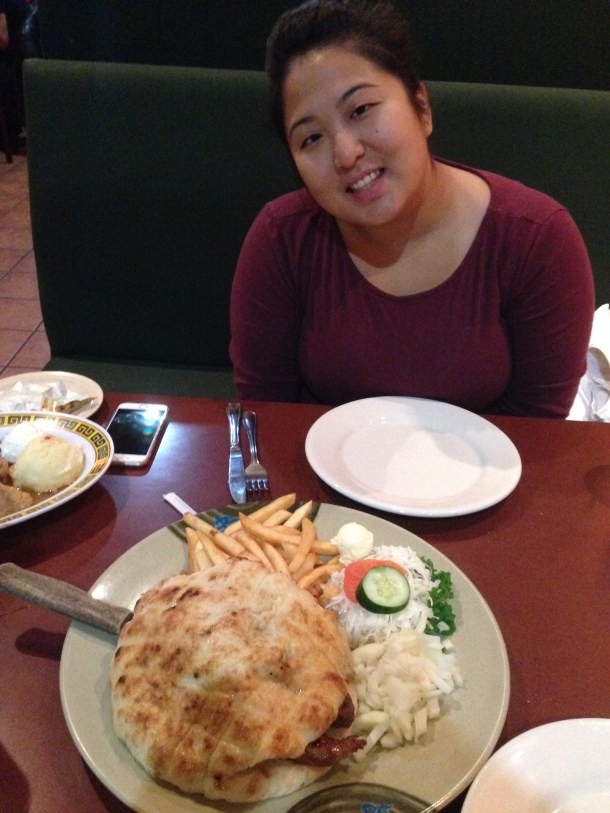
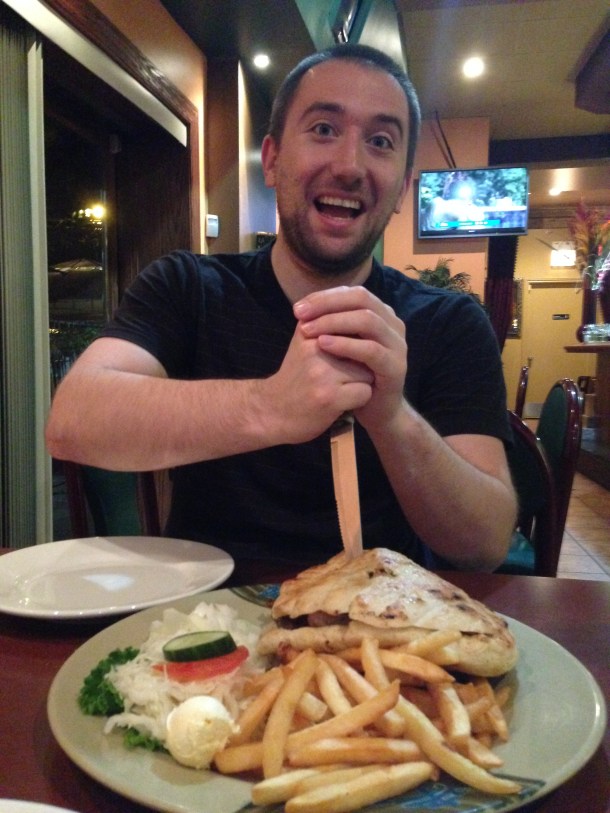
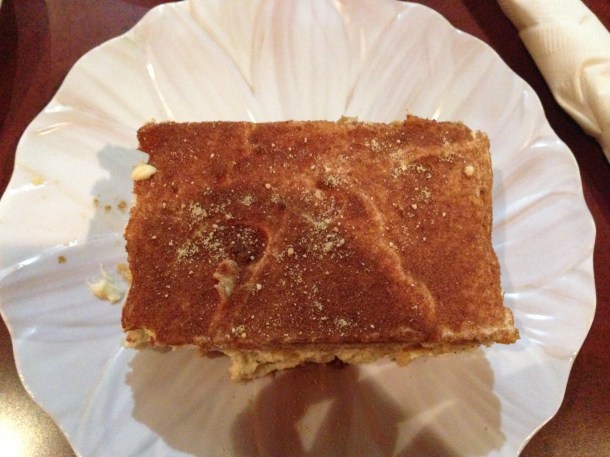
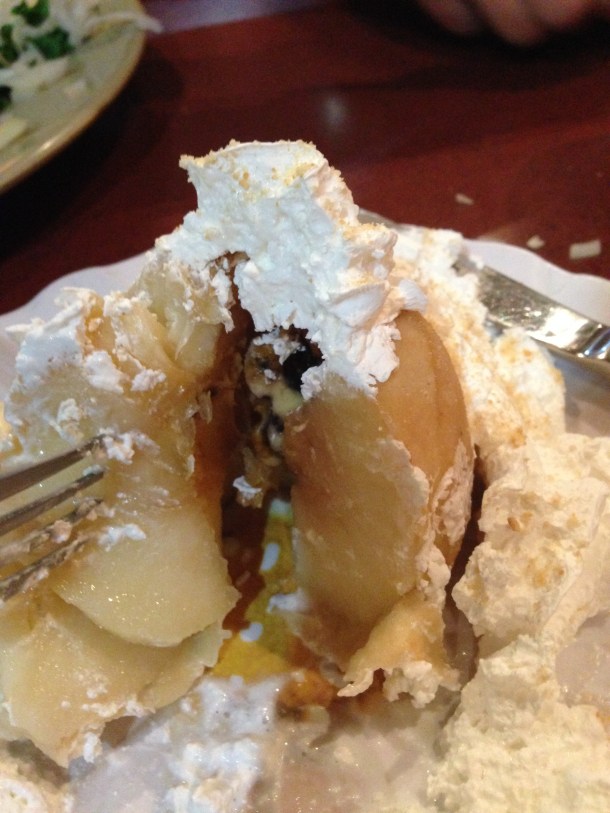
Actually, to be specific it consisted of a variety of Bosnian meats including chevapi, sausages, chicken, veal kebobs, and veal liver all served within traditional a traditional Balkan pita bread with a side of fries, salad, and ‘kajmak’ cheese.  We asked our waitress if it was going to be enough food before we ordered it, and once it was in front of us, we could see why she laughed at our naivete.  I felt like I was King Arthur putting Excalibur back into its stone home, IMG_7649but instead of having my crown rescinded, we were both blessed with a bountiful meal.  Naturally, the bread was warm and much more substantial than a Greek pita and baked to perfection.  The kajmak cheese was like a Balkan version of brie that went very well on the warm bread.  The chevapi weren’t new to us since we’ve tried other countries’ versions of these miniscule skinless sausages.  They’re essentially char-grilled pieces of beef and pork that just go down way too easy. IMG_7652 The sausages were all made in house, and they seemed to be pork based.  I was more particular to their chicken that absorbed a little bit of each of the other meats’ flavors which isn’t surprising since every meat seems to taste like chicken.  Long story short, if you’re a carnivore, this sampler platter is just for you.  The veal kebobs were very tender, juicy, and bursting with flavor.  We both tried a bit of the veal liver, but we weren’t fans of the unique, grainy texture that accompanies liver.  Then again, we were also saving room for dessert like the smart people we are.  Even though we felt like we were ready to burst, Janice jumped for the tiramisu while I went for the more exotic tufahija.  Tiramisu isn’t Bosnian, rather Italian, and is a more recent invention around the 1960s.  The origin of the name of the dessert is up for debate including the name of a Veneto baker’s apprentice’s maiden name, but a layer cake by any other name would taste as sweet and coffee-tastic.  It was a welcome change from the heavier plates we chowed down on earlier. IMG_7653IMG_7654 From the coffee soaked bottom layer to the heavenly light cream on top, it was a dessert fit for my classy bella donna.  As for my tufahija, it is a relic of centuries of Ottoman rule in the Balkans.  This is clearly evident since the name is derived from the Arabic word “tuffàh” (تفاحة‎) meaning “apple” in English, but the dessert itself originates in Persia.  It consisted of a cold, skinned apple soaked in sugar water and then stuffed with walnuts and topped with whipped cream.  IMG_7655It was so wildly different compared to everything I had that dinner, nay I’ve had in dessertdom, and I loved every minute of it.  The apple was slightly moist and chilled but not soggy somehow.  As I moved my way through the dessert, the core was filled with crunchy, basically raw walnuts that provided a much needed crunch and offset the sweet, but not overly so, apple.IMG_7657  These elements by themselves were wonderful, and the whipped cream was good up to a point.  I think it was a bit excessive with the wavy white sea this dessert was bobbing in.  I would highly recommend this dessert though if you’re looking to break away from traditional end platters to your meal.

We left Kiko’s with very happy and stuffed bellies with another full meal of leftovers in our doggy bag, so you will definitely get your money’s worth at this eatery.  If you’re a carnivore or looking for a new and unique restaurant that also serves one of Chicago’s many Balkan communities, you got to get to Kiko’s Meat Market!
Kiko' s Market & Restaurant Menu, Reviews, Photos, Location and Info - Zomato

Ann Extraordinary Brunch

Posted on

Hello and happy Fall to all (or Autumn for the international crowd)!  It has been way too long since my last post, about a month to be exact, and I’m planning on changing that fact right now.  If you’ve been wondering why the silence on the foodie front, it’s due to my path to speech pathology grad school.  However, that hasn’t extinguished my passion for tasty morsels and bring all the best recommendations to you, the readers.  Today’s post focuses on the Chicago diner cornerstone Ann Sather.

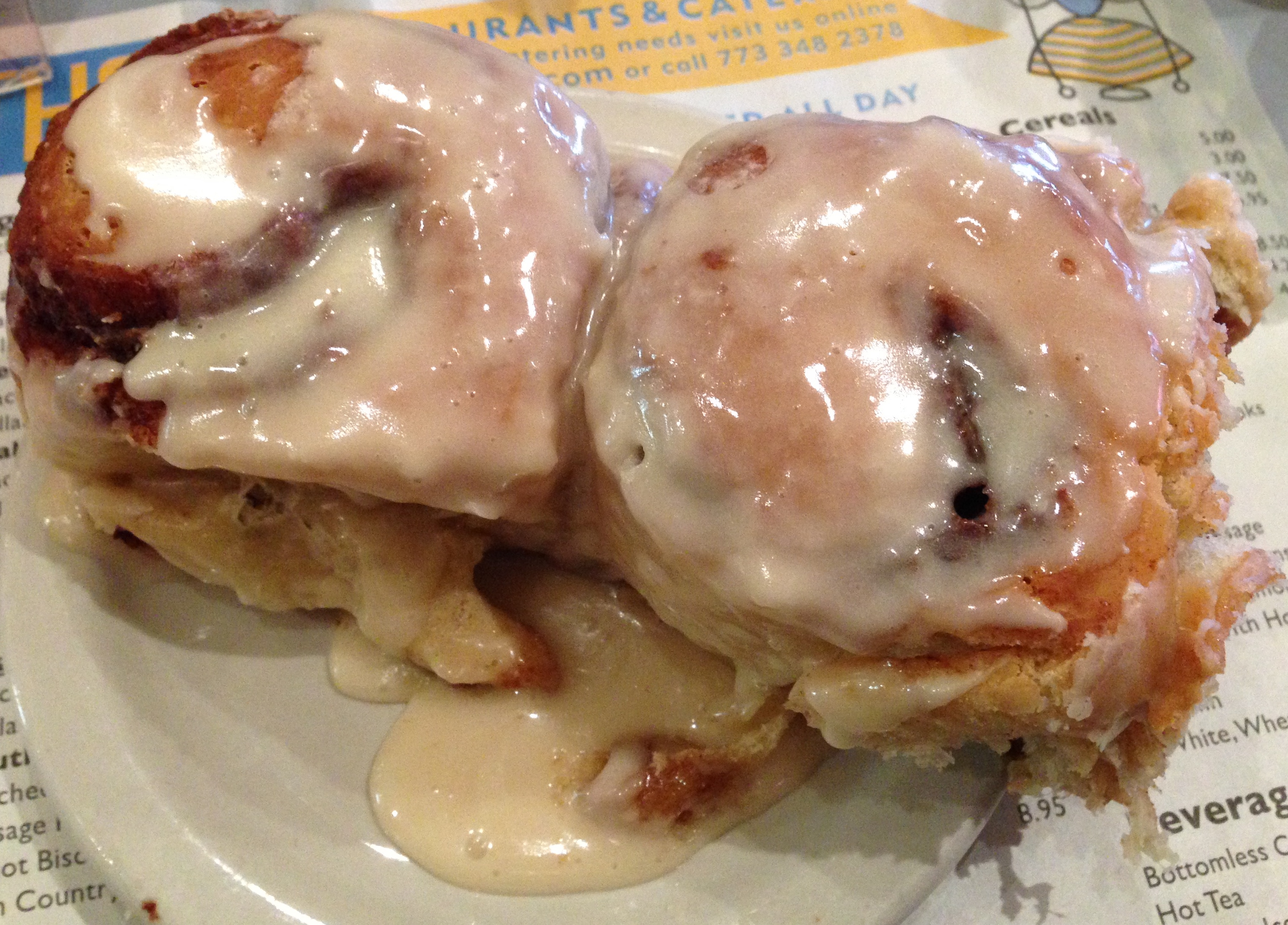
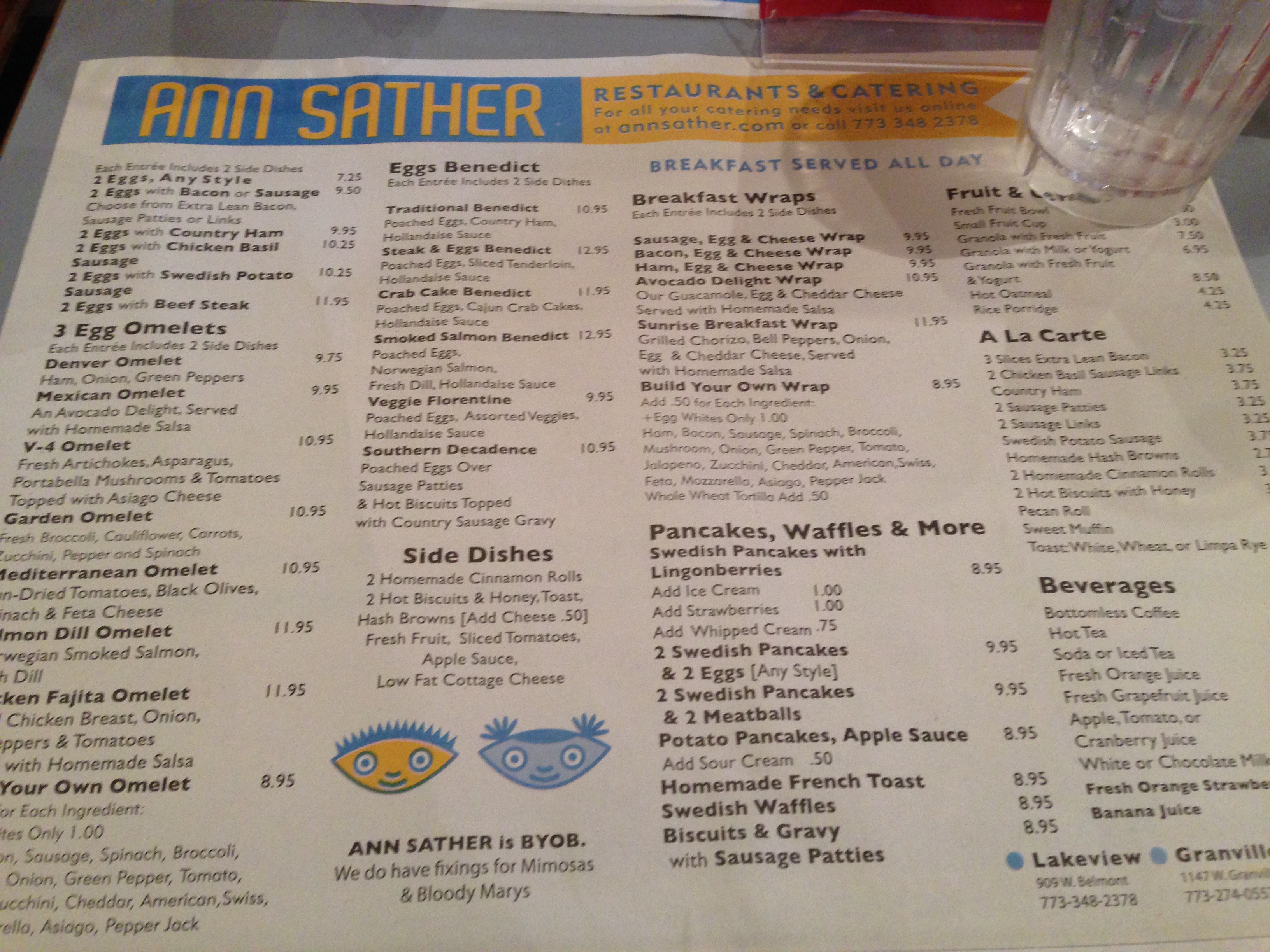
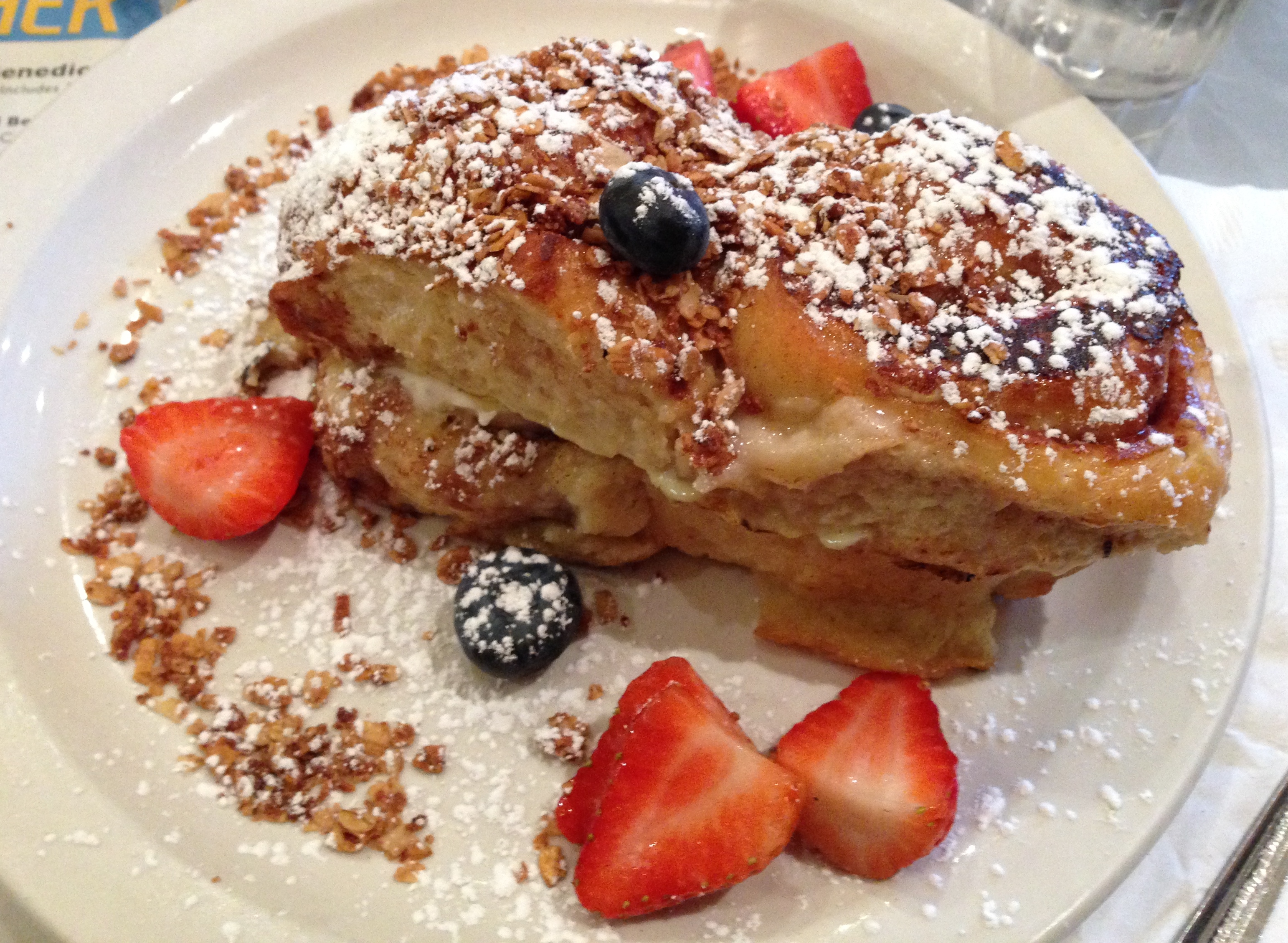
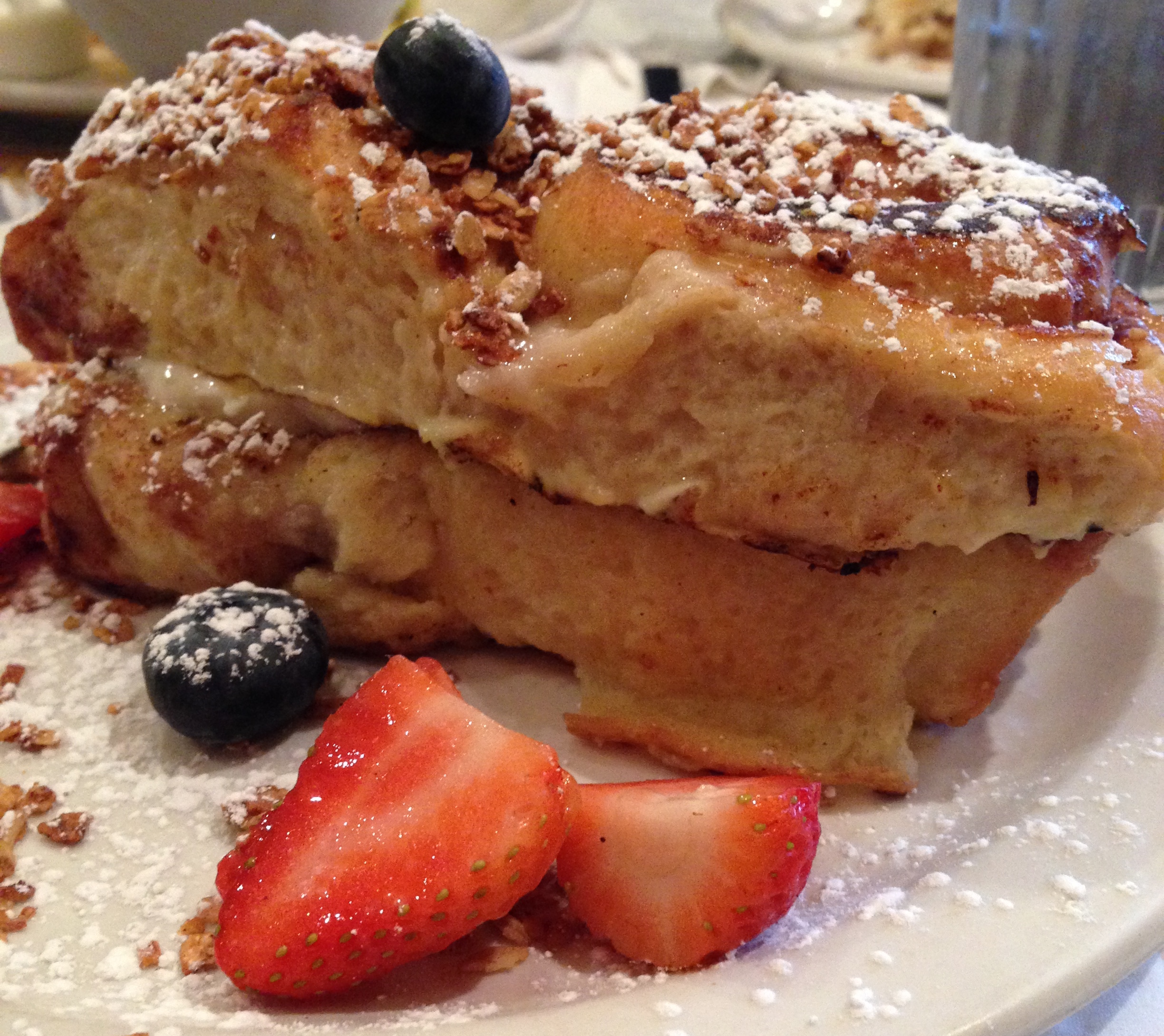
I’ve heard every opinion of these diners ranging from sheer ecstasy when talking about their famous cinnamon rolls to ambivalence to the opposite end of the spectrum with upturned noses looking for greener brunch pastures.  Instead of turning my interest away from this supposedly inferior diner to other, more modern establishments, it only intensified my curiosity when Janice, Michael, and I visited the Broadway cafe location, but there are other locations on the northside Chicago with one on Belmont and another on Granville.  Now, with a name for a restaurant like Ann Sather, you can safely bet that there is a story.  According to their website, Ann Sather was a real woman who bought the original restaurant over 70 years ago on Belmont from the previous Swedish owners of the property.  She was a stickler for quality, simple food made from scratch with a mix of American breakfast staples, Swedish classics, and a bit of Ann’s ingenuity. Ann eventually passed the baton in the mid 1990s to a southsider named Tom Tunney who actually is a Chicago alderman as well.  Even with the changing faces in charge, their decades of quality food and service shone through during our visit.   IMG_5754The Ann Sather cafe had plenty of personality on the inside with lots of Swedish inspired artwork which brightened up a rather gray and drizzly day.  I don’t know if it was my sweet tooth on a rampage or the warm orange/yellow motif, but I knew I needed to get some of their famous, daily handmade cinnamon rolls into my belly.IMG_5752  When they came out, they looked like the best $3.50 I spent.  When I sunk my teeth into one of these rolls, I was transported to culinary Valhalla on a boat of soft, cinnamon spiced dough covered in a rich, sugary sauce with a vanilla hint.IMG_5747  I wish I could have had an entire pan of them, but I knew I had to slow my roll (see what I did there) because I needed room for my actual breakfast entree.  Perusing the menu, I didn’t know where to begin.IMG_5746  Their wraps and omelets looked way to good to just pick one, but I couldn’t jump off that sugar train after taking down those cinnamon rolls like a great white shark to a seal.  Sadly, I don’t have a week on the Discovery Channel or the Food Channel devoted to me yet, so I got to keep practicing with more great eats like what I ordered next.  I finally settled on the daily special which was their cinnamon roll French toast ($7.50).  It was an interesting transformation of the dulcet treats I just devoured.  Instead of being doused with the sticky, soupy icing, a sprinkling of powdered sugar covered the plate and rolls like the semi-flurries that were fluttering past our window outside. IMG_5748 The fine white covering was punctuated with bright raspberries and blueberries and a tan layer of granola that blended into the rolls’ surface.  However, I didn’t know that the magic of the dish lie in wait for me because when I cut open the meal for my first bite,

Presto...

Presto…

I was greeted with a cream cheese filling.

change-o!

change-o!

It wrapped the plate together to perfection.  The French toast transformation of the cinnamon rolls replaced an overwhelming pool of pure sugar with more subtle, nuanced elements that complimented each other to make a Swedish-American original.  The berries, treading the fine line between sweet and tart, provided a contrast to the powdered sugar and sweet, but not overwhelmingly so, cream cheese filling.  I actually liked that the cream cheese centers were not too chunky or heavy but instead whipped to keep the rolls from turning into a culinary quagmire.  Plus, let’s not forget the granola, dude!  It was just enough to form a thin, rough coating to provide a satisfying and groovy crunch to the majority of the squishier ingredients, and the honey coating on each piece of the granola made me feel like these rolls and I were meant to bee.  I highly recommend this daily special if they have it available, and I have to note that my fellow diner’s choices were great as well.

In closing, I have to say that my visit to Ann Sather’s quashed all of the negative publicity with their food that is clearly made with plenty of care and quality ingredients along with a very affordable price tag in a brunch town where some prices are just plain criminal at times.  So, if you want to get a piece of Chicago’s breakfast history, roll on down to Ann Sather!
Ann Sather Menu, Reviews, Photos, Location and Info - Zomato

It’s Greek to Me

Posted on

Everyone needs a no-frills diner.  A place where you can go to get food that may not be the best for you or might not look the prettiest, but you know it will always make you feel good.  This type of culinary sanctuary is as varied as an individual’s palate, mood, and perhaps even time of day.  Let’s be real, late night eats are never the healthiest in the world, but there’s nothing like being a little naughty when the sun goes down. 1433858760_70ec314f6f2232ce557694c962a36572 This is where Margie’s Restaurant comes in.

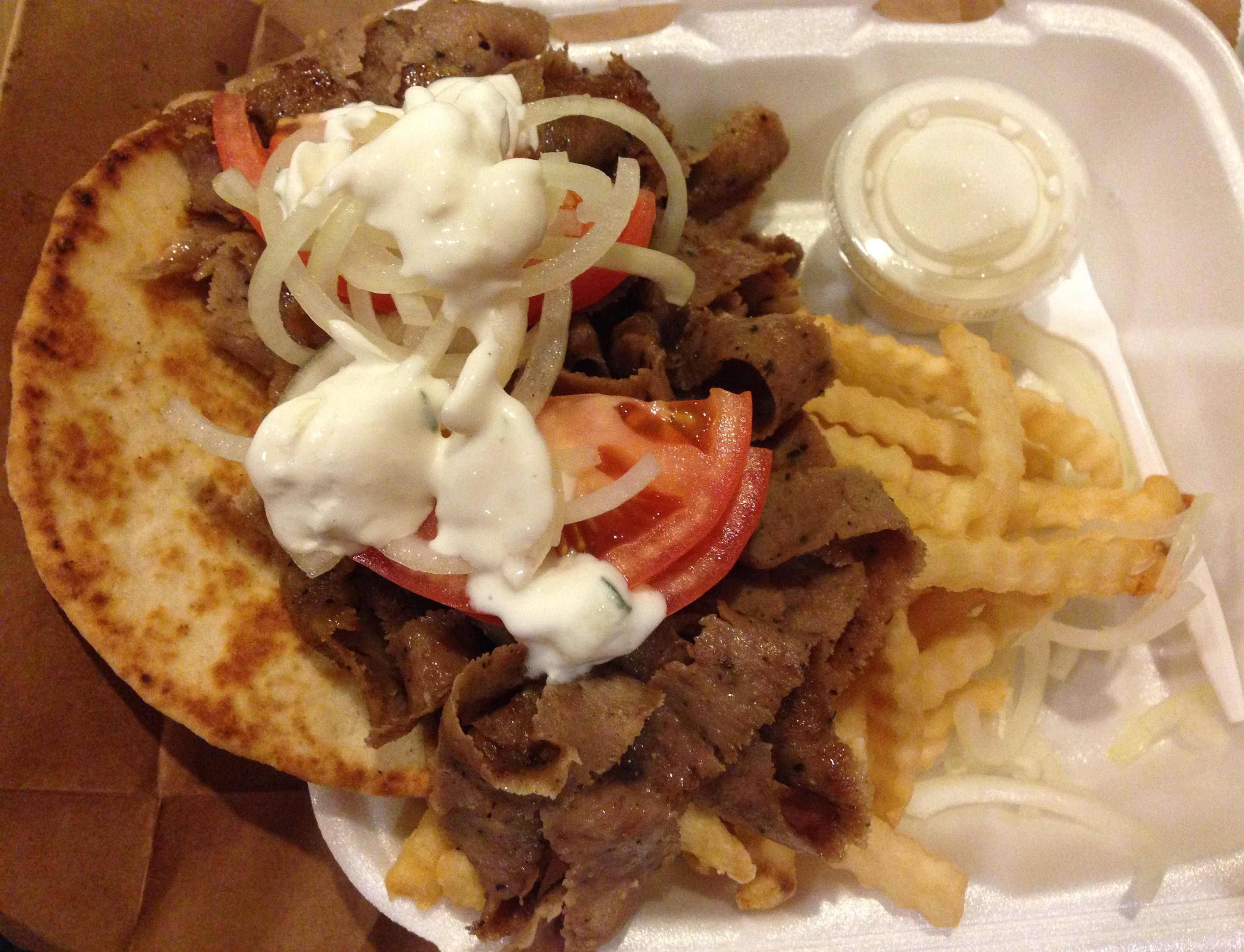
It was a cold and dark night like any old Midwestern winter night, and Janice was craving a milkshake and some fries.  Instead of just going to the local McDonald’s, I suggested we try a local favorite that I’ve always seen but never visited.  Margie’s is not much from the outside or inside. IMG_5671IMG_5674 It’s just a local fast food joint that serves really basic food for reasonably prices in large portions like your standard hamburgers and hotdogs or Chicago classics like homemade Italian beef sandwiches. IMG_5673 While I do love all of those, I had a particularly greasy favorite in mind when I went to order.  The gyro (plural: gyros) has become a staple of American fast food cuisine compliments of Greek immigrants who brought it here and made it popular in their diners across the nation.  It probably became popular with Americans due to the fact that you can eat it on the go even though I wouldn’t recommend it since they can be pretty jam packed with ingredients.  The name is also a point of contention as you might hear “jai-ro”, “jeer-oh”, or “yee-ro”, but the closest pronunciation is the last one. IMG_5675 The word “gyro” comes from the word for “turn” which replaced the Turkish term “doner” which means the same thing.  The turn part comes from the fact that the gyro meat is roasted vertically and sliced off in thin strips with a long knife or shaver.  This technique was invented in the 19th Century in Turkey, but the Greeks will tell you otherwise.  Your typical gyro consists of a pita flatbread that is filled with spiced lamb, tomatoes, onions, and tzatziki sauce.  However, there are alternatives out there; the most common variant I’ve seen is with chicken instead of lamb.  I always keep it traditional because I love the spice and flavor of lamb that the Eastern Mediterranean nations do so well.  Margie’s had a gyro special where I could get a plate of the Greek classic with a side of fries for 5 bucks.  Naturally, I jumped at the chance.  The service was brisk given I went on a random weeknight, and it was freezing outside.  The food came out quickly and wrapped up very nicely.  When I got home, Janice definitely enjoyed her meal, and when I opened up my bag, I didn’t know where to start.  IMG_5676A huge pita was lain over a facefull of fries, tomatoes, and onions along with two tubs of tzatziki sauce.  Basically, I had to be the mad scientist to put this monstrosity together, and luckily I had the skill and mettle to do just that.  Once I combined everything like a boss, I got down to the business.  IMG_5678The typical problem that I mentioned before is that the meat is oftentimes quite greasy, so you run the risk of having your clothes ruined by the gyro’s juices hopping a ride on your pants and or shirt.  Margie’s gyro, on the other hand, was not greasy at all, and the pita held up quite well to my ravenous choppers tearing through my meal.  The tomatoes were fresh and onions plentiful, and the tzatziki was cool and tangy like any good yogurt based sauce should be with hints of cucumbers.  As for the French fries, they were of the crinkle cut variety, and they were fried to perfection.  I wasn’t able to finish the golden stack of potato sticks due to the filling nature of the gyro, but I highly recommend this special or any of the other specials.  You’ll get your money’s worth, that is for certain.

So if you’re ever out in the western Chicagoland suburbs and need to get a ton of food for not a ton of money, check out Margie’s Restaurant!
Click to add a blog post for Margie's Restaurant on Zomato

A View to a Grill

Posted on

Welcome one and all to another great post on Mastication Monologues!  Today’s post focuses on cuisine that might not get the spotlight like other, more mainstream types of food like Chinese food or Mexican food, but that doesn’t mean that it is of lesser quality.  In this case, I’m talking about Syrian cuisine.  It is part of the Levant on the far eastern side of the Mediterranean Sea, its food shares roots with neighbors Turkey, Lebanon, Palestine, and even as far as Iraq.  Unfortunately, the ongoing civil war has colored everyone’s thoughts about this country, but I would like to show you that there is more to Syria than the seemingly eternal struggle between Assad and the plethora of Islamic militias that shift alliances as much as the Syrian desert sands.  I had my first taste of Syrian food at Pita Pita Mediterranean (formerly Pita Pit).

The restaurant itself doesn’t look like much. IMG_5658 It’s just another storefront in another stripmall in the northern Chicago suburbs, but the food inside is like the lamp in the Disney movie Aladdin:  relatively unknown to the world unless you help Jafar with both halves of the golden scarab.  Actually, it’s not as dramatic as that given that a quick Google Maps could sort you out in a snap, but there definitely is treasure to be found when looking over their menu.  I saw typical Middle Eastern/Mediterranean fare like kebab, hummus, and Jerusalem salad, but then there were other choices I’ve never heard of.  Naturally, I gravitated toward these options.  I started off with sampling their babha ghanouj ($3 small/$5 large) and the muthawama ($3 small/$5 large).

Baba (left) and muthawama (right)

Baba (left) and muthawama (right)

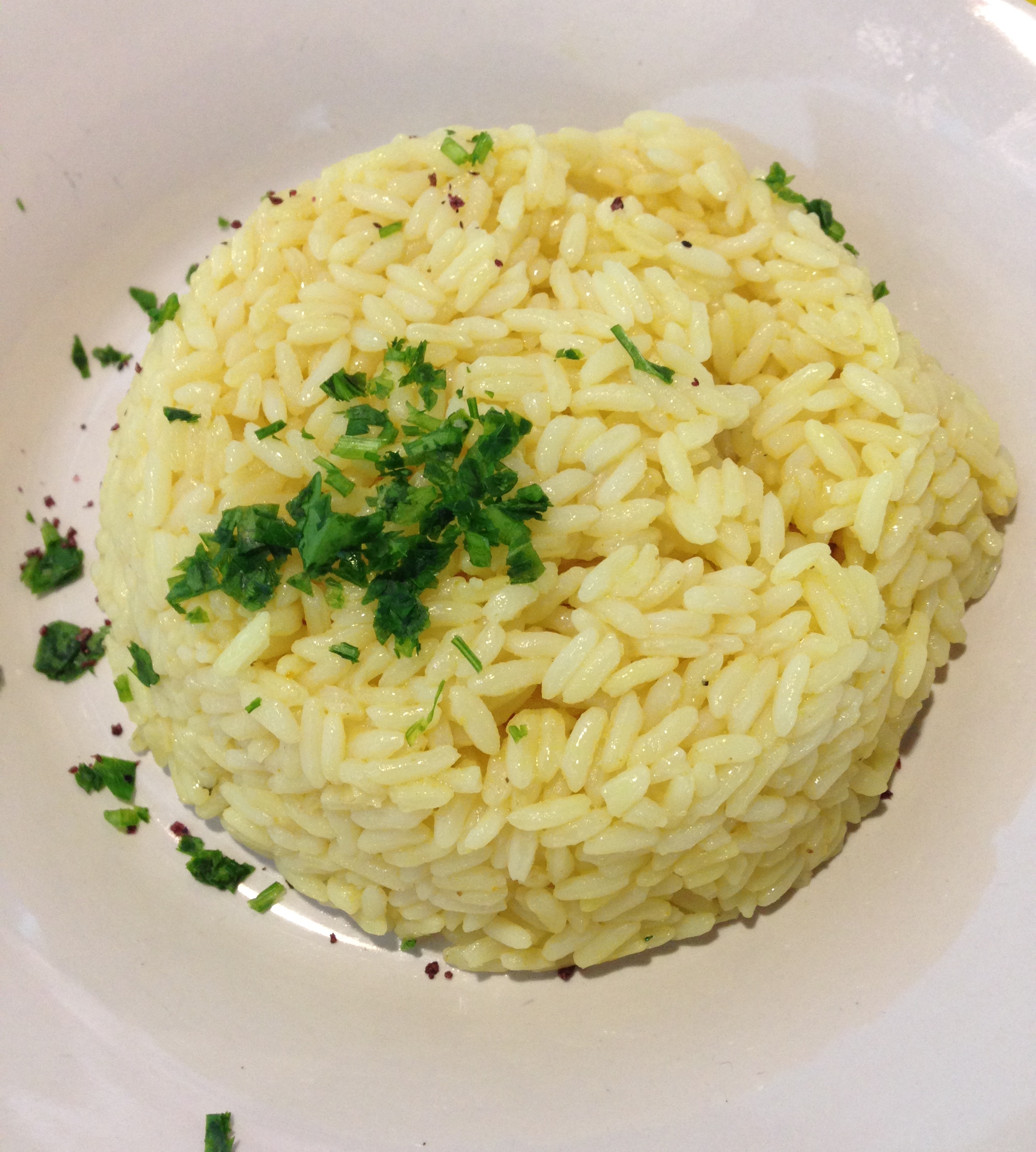
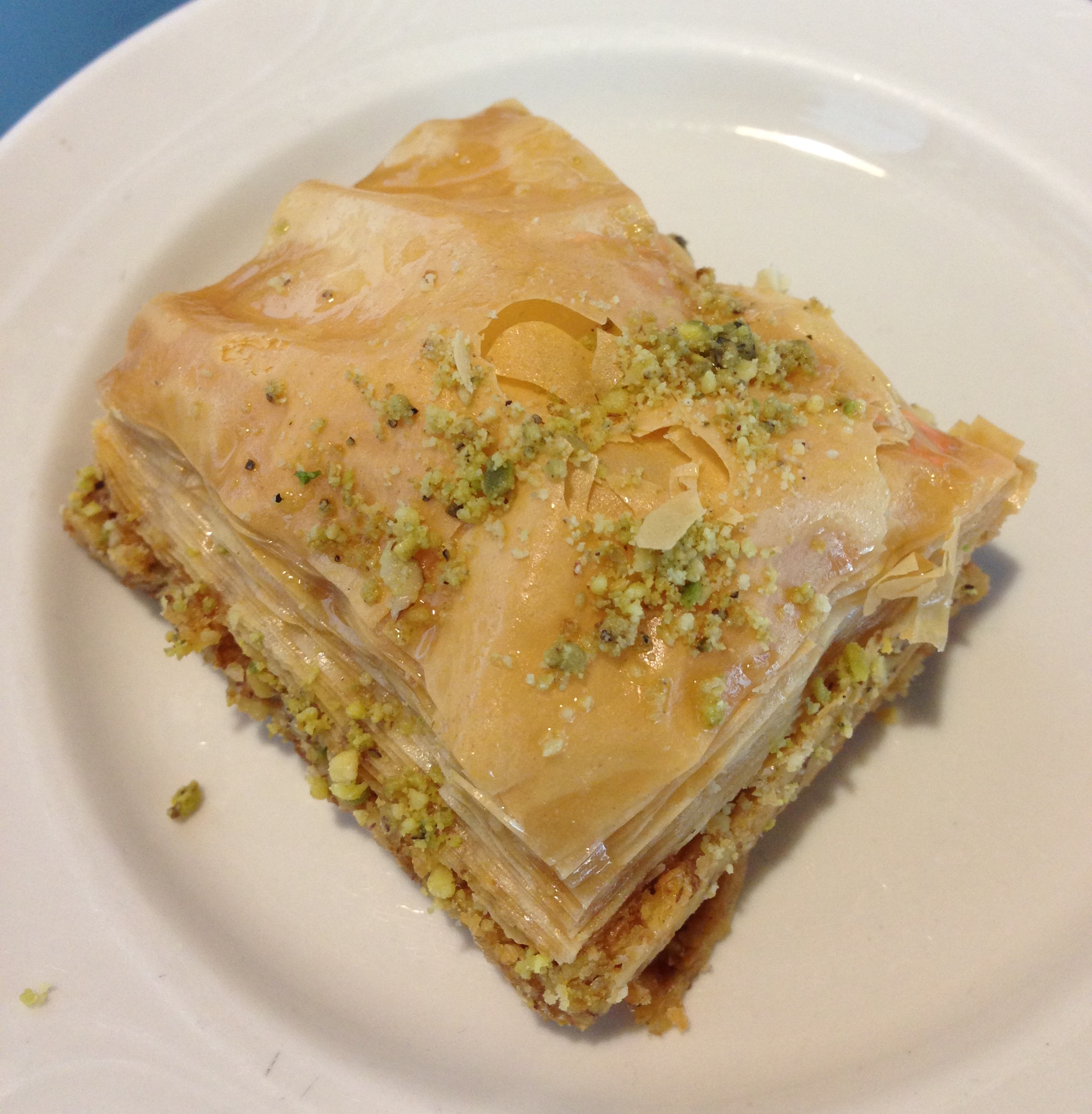
Babha ghanouj (بابا غنوج) literally means “pampered papa” in reference to most likely the head of a harem, and these flavors were definitely made for royalty.  It consists of grilled and pureed eggplant that is then mixed with sesame seeds, lemon juice, garlic, and yogurt.  It was also topped with a dollop of olive oil for good measure.  I found this cold spread to be both savory yet slightly tart that went very well with the light pita triangles that came with the dip.  I was more partial to the muthawama.  It was very similar to the babha ghanouj in terms of ingredients aside from replacing the eggplant with potatoes.  I think this switch made the white condiment feel more like sour cream and taste like a garlic aioli which goes great on any type of carb, be it pita or French fry.  As for my main dish, I passed over the tried and true favorites in my mind and took a dive into the great unknown with the mnazeleh ($10).  When it came out, I didn’t know what to think.  IMG_5655It wasn’t as sexy as the spreads I had before, but it looked more like an over spiced pile of onions and tomatoes.  The colors weren’t as bright either.  However, I made the mistake of judging a book by its cover.  It came with a more vibrant, complimentary side of rice that was moist and lightly seasoned that I subsequently folded into the main meal.  IMG_5654What I ended up experiencing was one of the best Middle Eastern dishes I’ve eaten.  The eggplant base that upheld the tomato, onion, and beef hodgepodge was super tender to the point of disintegrating faster than Subway’s ties with Jared and was infused with the beefy goodness residing above.  The addition of the rice gave it a lot more body, and I would suggest changing the recipe to include the rice.  I recommend this plate if you’re looking for something uniquely Syrian and full of flavor.  By the end of my meal, I thought I couldn’t fit anymore, but I had to try their baklava ($2.80).  This dessert’s history is as multilayered as its filo dough.  Different countries throughout the eastern Mediterranean claim it as their own invention, but there is no definitive answer for a dessert that is as old as time.  Some scholars believe it comes from the Mongols since it might derive from the root “bayla-” meaning “to pile up”, but the “-va” ending suggests a Persian origin.  The oldest recipe, dating back to the second century B.C., of anything resembling this sweet treat is the Roman placenta cake.  You might be thinking, “Ugh!  They made cake out of placenta?!!!  Vomitrocious!”  Au contraire, mon frere.  The word “placenta” derives from the Greek word “plakous” which related to layered breads and was then transferred into Latin as “placenta” as a word meaning “cake”.  However, the Roman version had cheese, honey, and bay leaves between each layer or “tracta” instead of the nuts we use now.  The modern version of baklava is thought to have derived from Istanbul during the reign of the Ottomans where the sultan would present his elite guard, the Janissaries, with trays of baklava on the 15th day of Ramadan in a procession complete with pomp and circumstance.  At Pita Pita Grill, I was neither a Christian mercenary nor served with any great ceremony.

Cue drooling...now!

Cue drooling…now!

The baklava was dripping with honey with every forkful, but I think it was a bit too thick for its own good.  It had plenty of chopped nuts throughout the flaky dough layers, but it made it extremely frustrating to cut with a fork.  I’d prefer if it was served in smaller, easier to eat squares.  I did get a ton of baklava for the price though, and I recommend it to anyone.  Just be prepared to use some elbow grease to keep it on the plate.

So, if you’re looking for a “diamond in the rough” restaurant that is no frills in terms of presentation, go to Pita Pita Grill and discover a whole new world of delicious, Syrian food!

Click to add a blog post for Pita Pit on Zomato

Do the Deaux

Posted on

Bonjour, y’all!  Today’s post on Mastication Monologues is extra dirty and deep fried since I’m going to be talking about some of the most Southern cuisine there is in the United States:  Cajun cuisine.  Most people think of Mardi Gras or Hurricane Katrina when they hear anything to do with the state of Louisana, but the reality is that it is also home to one of the most unique cultures in our great nation.  The Cajun people are descendants of the Acadian (French colonists) settlers in Canada who were deported by the British in the mid-1700s en masse to the then unknown lands to the south including the original 13 colonies, i.e. America in utero.  If these French colonists weren’t imprisoned, killed, or passed away from diseases before or after the expulsion, they found themselves migrating to new and foreign places like the territory of Louisiana.  At that time, it was considered part of the Kingdom of Spain, and the Acadian refugees were welcomed by the Spanish government due to the French and Spanish governmental and Catholic links.  This new rapport led to the Acadians becoming the largest ethnic group in Louisiana, and their name slowly evolved from “Acadian” to “Cadien” to eventually “Cajun”.  With a new name for their culture, their Cajun French (however strange sounding it may be at times) and food became two pillars of local pride for these new settlers and still are going strong today.

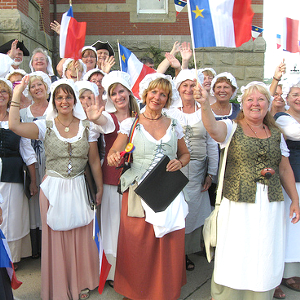
Modern day Acadians

Modern day Acadians

Acadian food had to adapt to the new environments they found themselves in since it was a lot hotter than old frosty Canada, and the local flora and fauna were extremely different, especially in the bayou regions.  Therefore, they adapted their tastes to create dishes that emphasize the use of pork and shrimp for proteins, flavorful spices, and the “holy trinity” of green peppers, onions, and celery.  However, with the rise of New Orleans as the biggest and most important city of Louisiana also came the rise of creole cuisine.  While some may use them interchangeably, creole cuisine is more varied in ingredients and reflect the more cosmopolitan nature of the city versus the more rustic Cajun fare.  For example, a key difference is that creole cuisine uses tomatoes while Cajun dishes do not.  With the rise of celebrity chefs like Paul Prudhomme and Emeril Lagasse in the latter half of the 20th Century,

The man. The myth. The legend.

The man. The myth. The legend.

there came a regeneration of Cajun and creole cuisine that was spicier and adapted for modern tastes as the food spread out across the USA.  Enter Pappadeaux Seafood Kitchen.

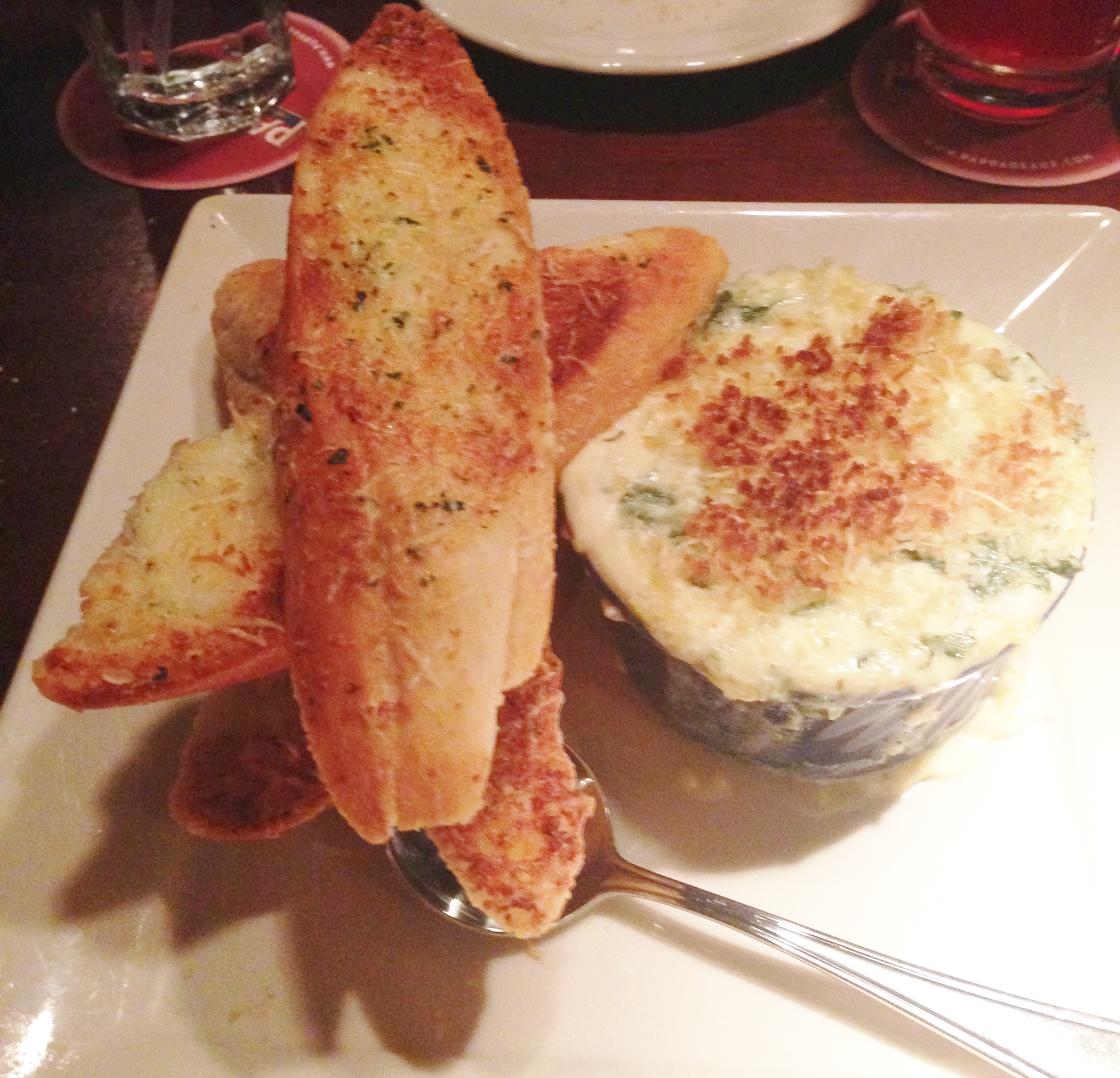
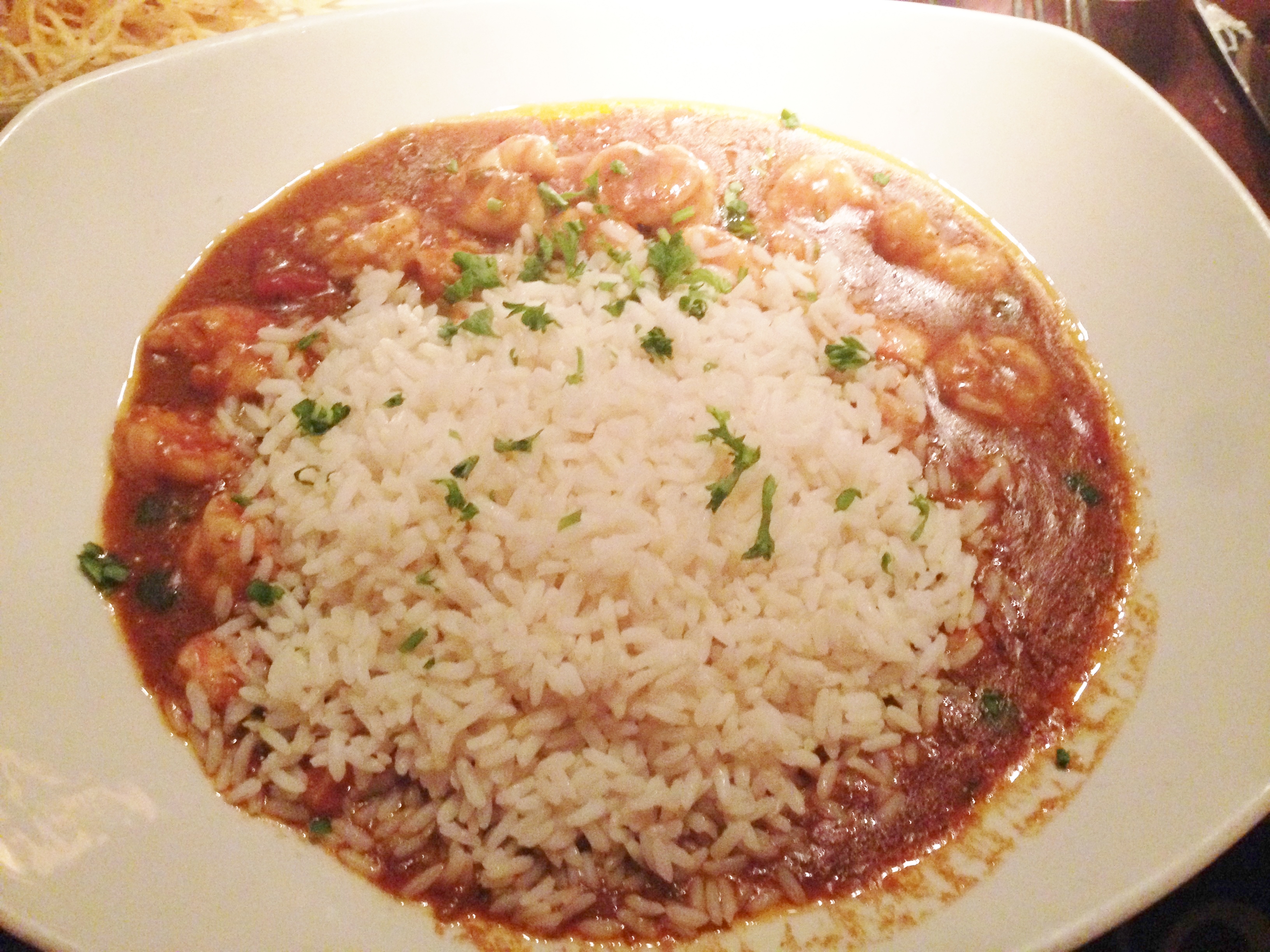
I had never been to this local restaurant, but one of my good friends worked there and said I should try the food.  I’m not a huge seafood fan (I’m more of a land animal lover), but Janice and I ended up going here on a double date since my friend David picked it.  The restaurant itself is like a typical seafood restaurant with a large, wraparound bar to greet you in case you wanted to eat some fish or drink like one.  We were more in the mood for a bite to eat, so we met up with David and Vivian who were waiting for us.  Looking over the menu, I could see that they definitely were trying to stay true to the Cajun and creole cuisine staples along with including more general American surf and turf options.  Price-wise, it’s not the cheapest eatery in town but reasonable for a seafood restaurant like in the $20-30 range for an entree.  We decided to focus more on the Big Easy specialties starting with our appetizers.  We got the shrimp and crawfish fondue and the crispy fried alligator. IMG_5648  The fondue was definitely worth it since it was warm, gooey, and filled with plenty of shrimp and crawfish chunks.  IMG_5651The crawfish/crayfish/crawdad/ecrevisse in Cajun French wasn’t really noticeable in this dish given that they often have a slightly muddy flavor given they live and eat whatever they can find in the muck at the bottom of streams.  Hence why some call them “mudbugs”.  The garlic bread isn’t very Cajun, but it mixes well with the creamy melted cheese.  What more could you ask for in an appetizer?  Oh wait, fried goodness!  That’s the last box that the alligator checked off.  Since the Acadians settled in the swampy bayous of Louisiana, obviously they needed to find protein sources.  Therefore, it only seemed natural they would try and find a way to eat the large and plentiful alligators prowling the waters.  At Pappadeaux it wasn’t like they were plucking them out of the water right outside the door, but they do promise the highest quality of alligator meat on their website.  It was served to us on a platter with a side of fried potato sticks and dipping sauce.  I would liken it to a plate of popcorn chicken with a dirty South twist.  The meat wasn’t exactly like chicken, but it did have a similar density and similar, but not identical, flavor.  The breading had a subtle, spicy hint to it with notes of paprika, and the dipping sauce had a thousand island/special sauce vibe going on.  Once we took down those tasty treats, I ordered my shrimp étouffée.  Before it came out, I got a complimentary cup of their gumbo.  This dish’s name originates from either the West African word for okra “ki ngombo” or the Native American Choctaw word for sassafras leaves “kombo“.  The reason why the name is linked to these plants is because this state dish of Louisiana is classified as African, Native American, or French depending on the thickening ingredient.  The first two were already defined with okra and sassafrass while French creole cooks used flour and fat to thicken their gumbos.  This was a lip-smacking good taster of Louisiana.IMG_5649  From the spicy andouille sausage to the rich brown base, chopped veggies, and shrimp,IMG_5650this small bowl could do no wrong.  I couldn’t wait for my étouffée to arrive.  Étouffée comes from the French verb “étoufféer” meaning “to smother” or “to suffocate”, and I could see that most of the ingredients in this creole dish were covered in the brown roux sauce. IMG_5652 Mixing the rice together with the rest of the dish made it resemble the fusion feijoada I had at Vermilion during Restaurant Week.  It showed the mixing of different cultures like with the use of rice from Spanish and African dishes, the local shrimp from the Cajun country, and the French sauce and spices.  It wasn’t a spicy entree, contrary to popular believe about creole and Cajun cooking, and it was the perfect dish for a cold night like when we visited Pappadeaux.  I really enjoyed the amount and quality of shrimp in this dish since they weren’t too chewy or undercooked.  Plus, the rice gave the étouffée the body to be filling but not too much so.  I always love meals that involve mixing meat and rice together, so it was a match made in Cajun heaven for me.  My fellow diners also seemed pretty pleased with their choices.

So if you don’t have enough money to take a trip down to NOLA, get yourself on down to Pappadeaux Seafood Kitchen!  Seaing is believe, hear?
Click to add a blog post for Pappadeaux Seafood Kitchen on Zomato

Too Good To Leaf

Posted on

Welcome one and all to another Mastication Monologues!  There isn’t much time to spare this summer in Chitown, so you must take advantage of the great weather before the deathly cold comes and the white walkers take over.  So, I’d like to tell you about a great restaurant we’ve been to before during the winter but could also be a wonderful hangout in the summer.  That place is called Hopleaf Bar.

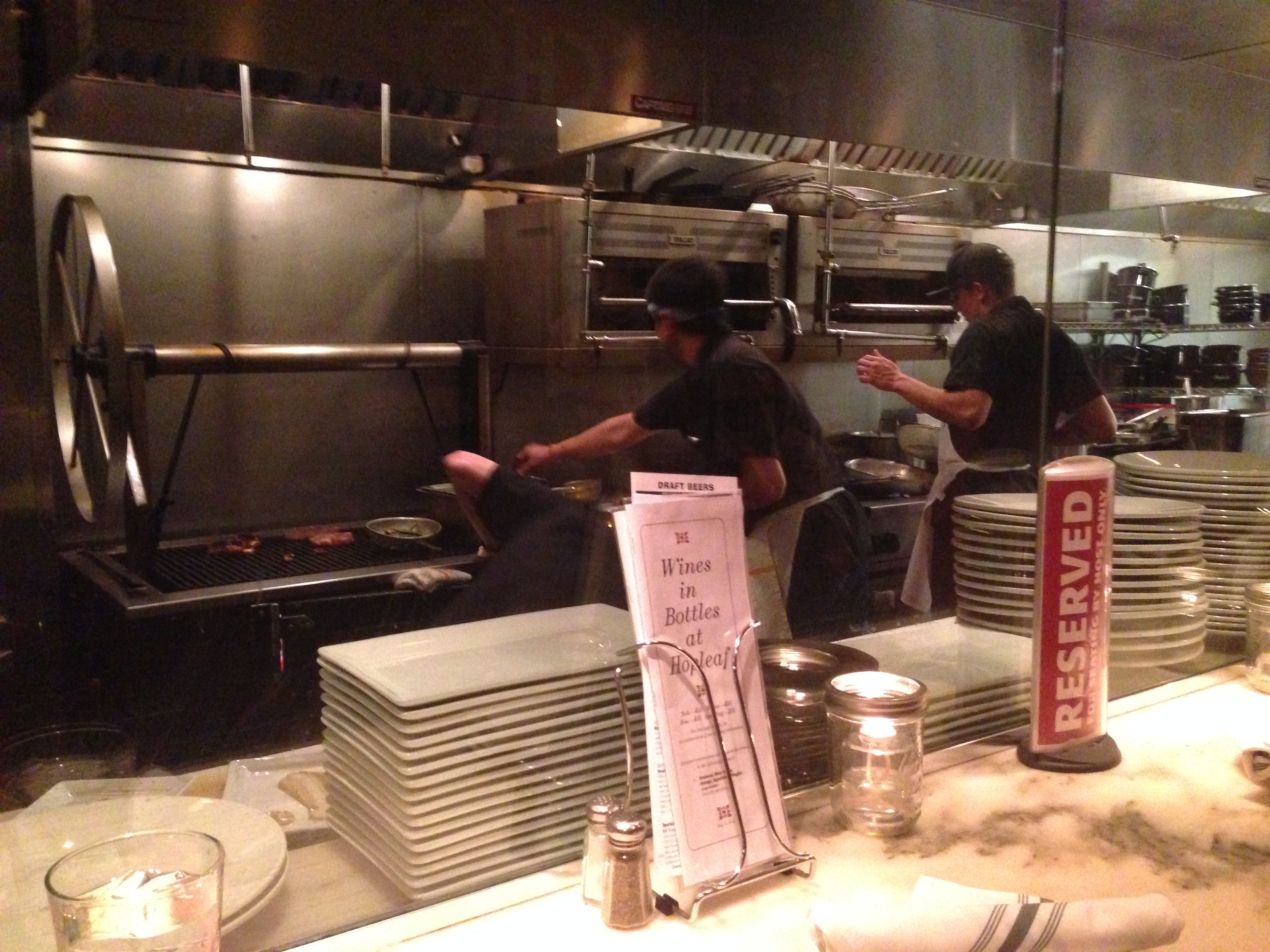
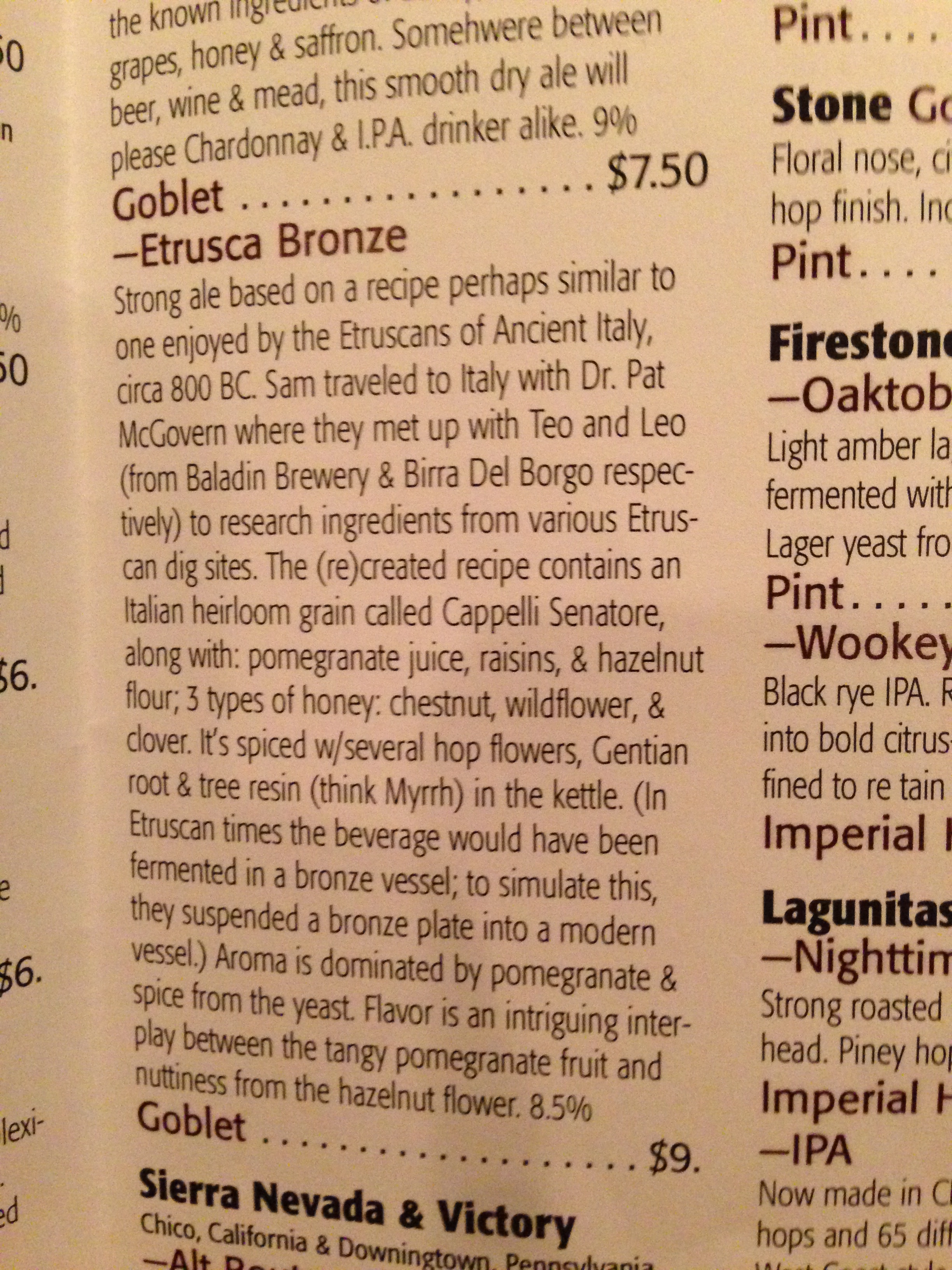
This establishment is located in the quaint Andersonville neighborhood on the North Side of Chicago.  There are a ton of great brunch places up and down Clark Street, but Hopleaf is more of a lunch and dinner establishment.  There is only street parking, but expect plenty to be found.  Given the name of the restaurant, Hopleaf focuses intensely on the pursuit of the best and most unique brews around.  Due to the focus on alcohol, you have to be 21 or over to enter, and that means there are no children allowed (No offense, but huzzah!). IMG_4304 We were a bit surprised about this policy when we walked in, but we also found out that there are no reservations.  So, we had to wait a bit for a table.  Be prepared to wait for a table if it’s a very nice day/night out or if it’s a weekend. IMG_4303 Eventually, we were sat in the bustling back room that gave us a first hand look into the glass-walled kitchen.IMG_4292  We were first presented with a beer menu that was extremely varied in terms of craft beers, but I found one that really caught my eye.  It was called Etrusca Bronze from the Dogfish Head craft beer company ($9).  The description is below, IMG_4293

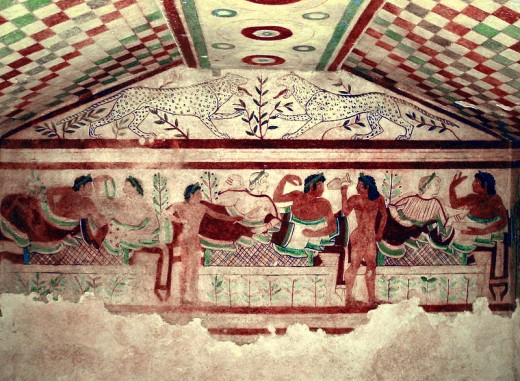
but basically it is part of a series of ancient ales that the company has brewed based on recipes from millenia ago found all over the world.  In this case, my drink was based on a 2,800 year old recipe that was synthesized from analyzing the resins inside drinking vessels found in Etruscan tombs.  I’ve been throwing around this term “Etruscan” like nobody’s business, but who exactly were these people?  Basically, they were the tribe of people who gave birth to Rome after settling on the Tibur, but it is still up for debate where exactly they originated from.

Gettin' crunk since 700 BC!

Gettin’ crunk since 700 BC!

Anyway, I’ll leave that for the history scholars to decide.  Back to the beer.  When it came out, it was served in a goblet, and it looked like a cup of warm cider.

Nectar o' the gods

Nectar o’ the gods

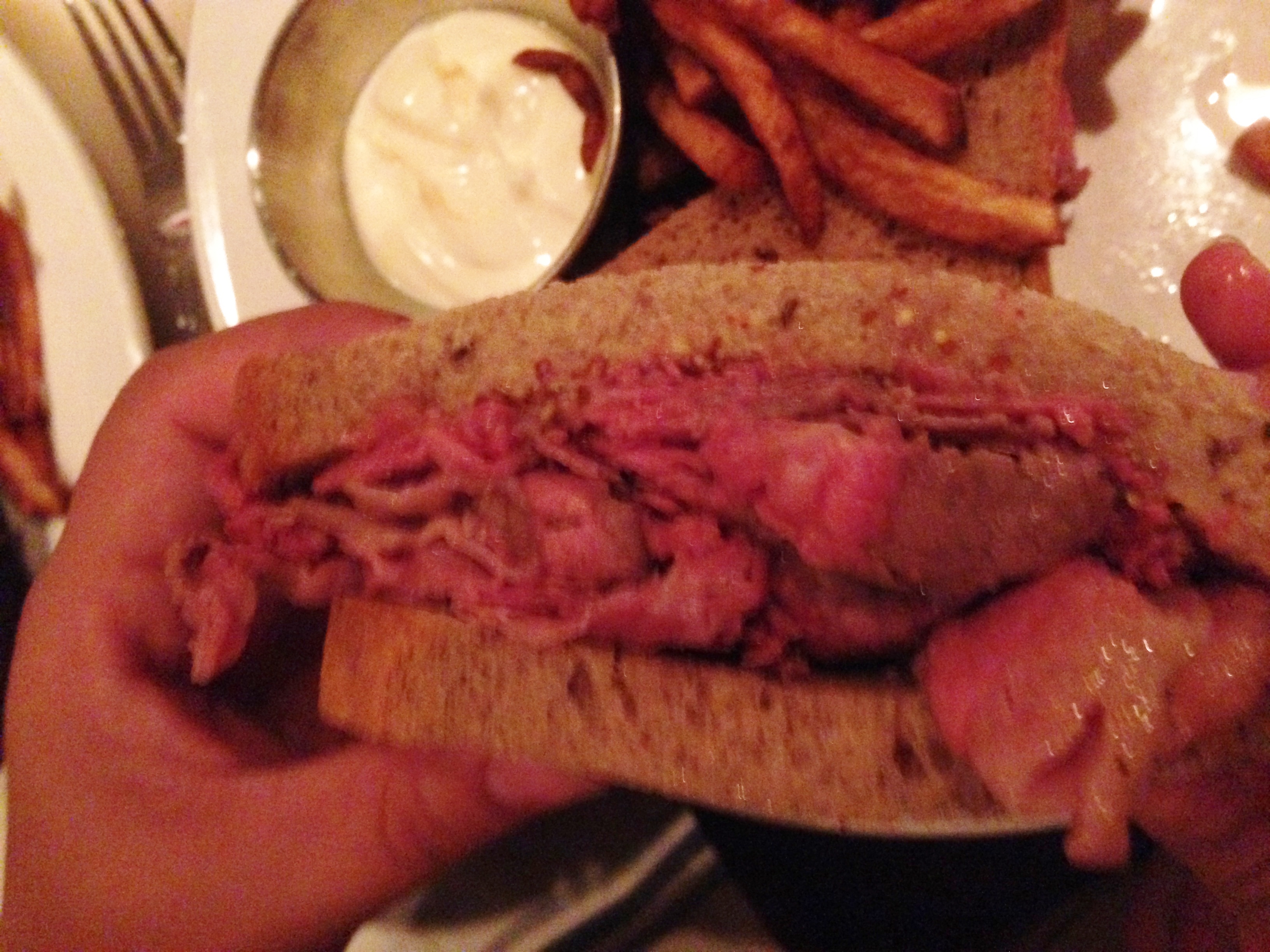
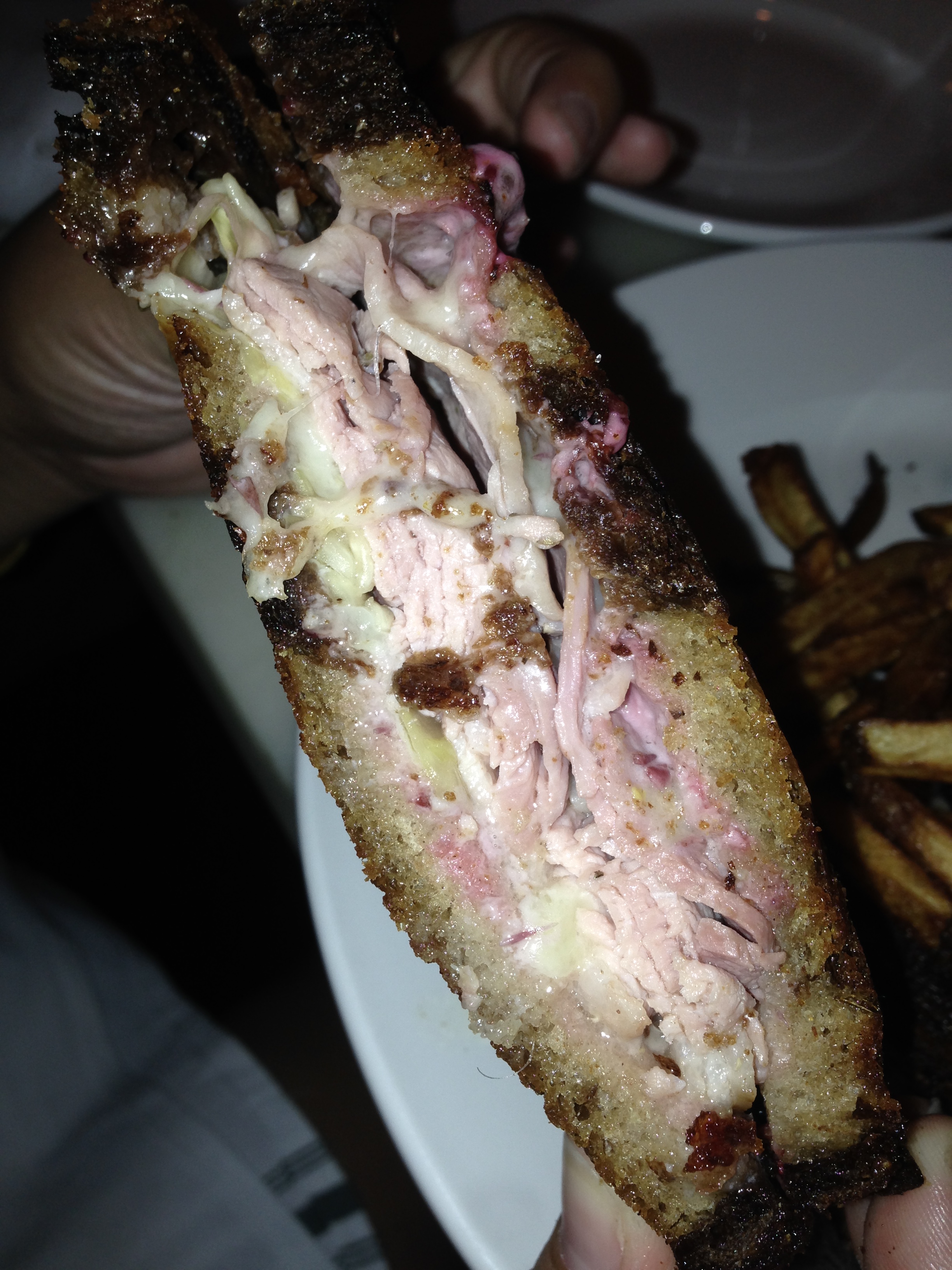
I gave it a sniff before imbibing, and I was taken aback by the aroma that overtook my nostrils.  It made more sense when I looked at the variety of sweet, savory, and aromatic ingredients it was brewed with like pomegranate, clover, wildflower, raisins, chestnuts, and even myrrh, an ancient tree sap that was used as perfume, incense, an embalming agent for Egyptian mummies, and even presented as a gift to Jesus by one of the three kings.  Clearly, I wasn’t in bland lager-land any more.  When I finally took a sip, it was one of the most unique and complex beers I’ve ever tried.  The honey notes were tempered by the pomegranate juice that had a very subtle nuttiness compliments of the chestnut.  This was further embellished by the wispy wildflowers still dancing in my nose that joined the flavor party on my tongue.  Long story short, this isn’t a drink to be pounded during a game of flip cup, but if you appreciate something super unique or are a historically obsessed weirdo, then you found your beer.  This distinguished beverage prefaced one of the most epic meals I’ve ever had.  Unfortunately, Hopleaf’s menu, both beer and food, changes with the seasons, so some of the options I talk about may or may not be served when you visit like my pastrami sandwich ($12), for example.  This was a straight old-school dish from the turn of the 20th Century New York deli culture. IMG_4299 From the rye to the thick layers of beet red meat, it was simple in form but exquisite in flavor. IMG_4302 The combo of herbal caraway with the saltiness of the meat was wonderful, but I would suggest finding a heartier form of rye since it was on the dryer side and crumbled under the pressure of my powerful jaws.  The fries were just my type since they were on the softer side with the occasional crunchy one, but I found their smoky taste intriguing.  Naturally, the pickle on the side was an homage to this deli staple, and it was large, crunchy, and sour.  Yes, please!  Janice’s choice, the duck Reuben ($13), upstaged its fellow New York sandwich.  The origin of the sandwich’s name is a point of contention.  Some parties state that it was named after Reuben Kulakofsky, a Lithuanian born grocer who held poker games at one of Omaha’s premier hotels in the 1920s and 1930s.  Other’s believe that this savory snack came from Arnold Reuben, the owner of the now closed Ruben’s Delicatessen in New York.  Arnold claimed to have come up with the “Reuben special” back in 1914.  Whoever invented it, I doff my proverbial cap to them.  It’s a wonderful combo of meat, bread, and condiments.  First, it was on toasted marble rye that was heartier than my basic brown rye.  IMG_4298Then we got to the heart of the matter.IMG_4300  Instead of finding the typical pastrami, we were greeted with thin slices of slightly fatty Peking duck breast that also possessed traces of caramelization due to its traditional preparation.  This sweetness was further garnished with a cranberry cream cheese spread that took the place of mustard or Russian dressing to give this typically savory sandwich a sweet side.  To top all of it off, there was a moderate helping of acidic sauerkraut to cut through the sweet elements, and the gooey melted Emmenthaler cheese held all of these mouth-watering ingredients together.  I highly recommend both sandwiches!

So if you’re looking for a laid back beer heaven or a date night without the kids, check out Hopleaf Bar!
Click to add a blog post for Hopleaf on Zomato

We’re Bananas for Pork, Puerto Rico, and Perfect Meals

Posted on

Wepa!! That was my reaction when I visited my first Puerto Rican restaurant.  If you don’t know what that means, “wepa” is a common exclamation in the Puerto Rican community to signify happiness or a way to encourage someone.

Basically "Remain calm, Puerto Rican, and scream 'wepa'"

Basically “Remain calm, Puerto Rican, and scream ‘wepa'”

I didn’t need any encouraging when I walked through the doors of hidden Chicago gem, Cafe Central.

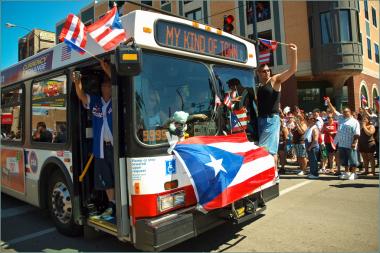
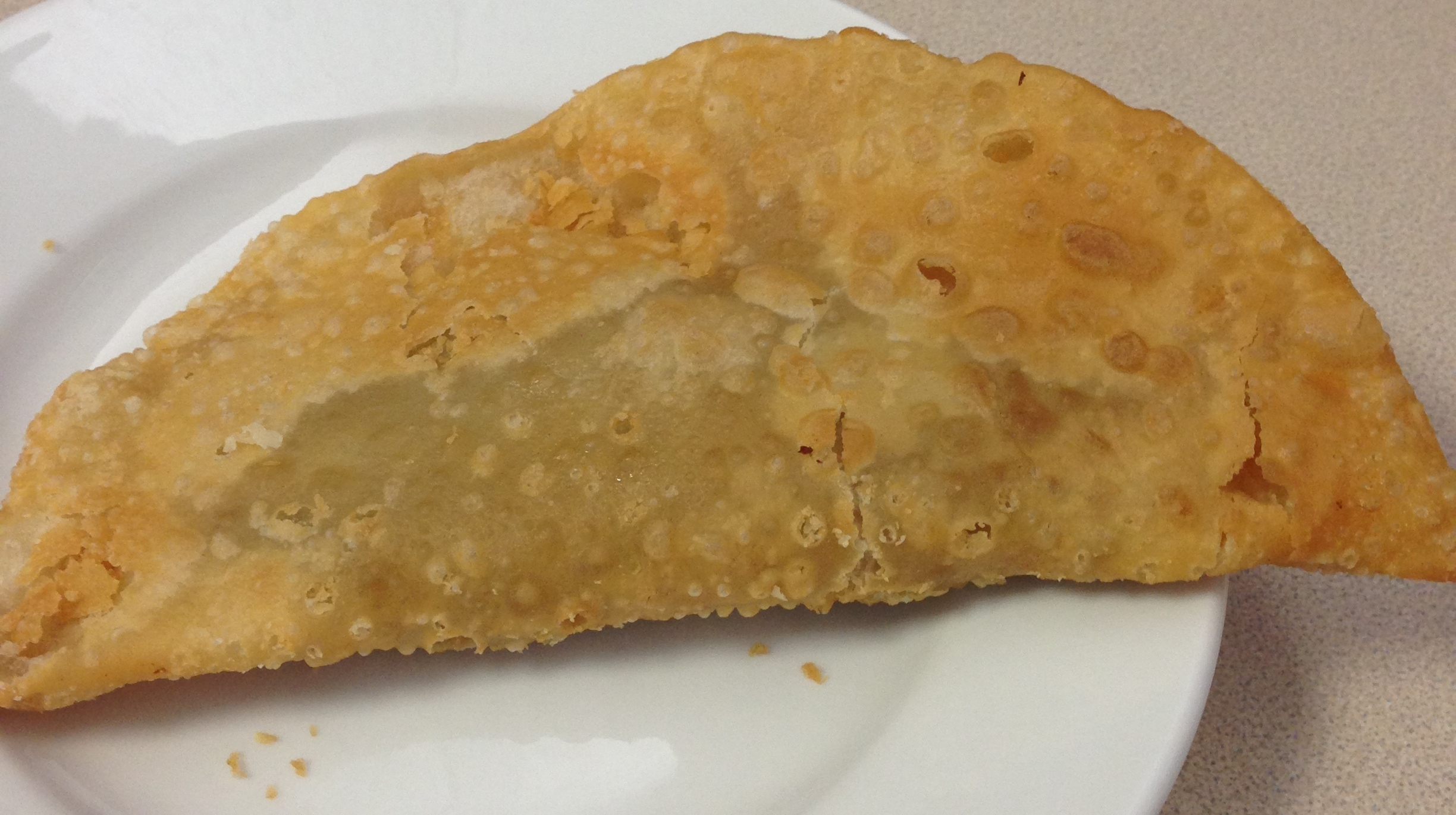
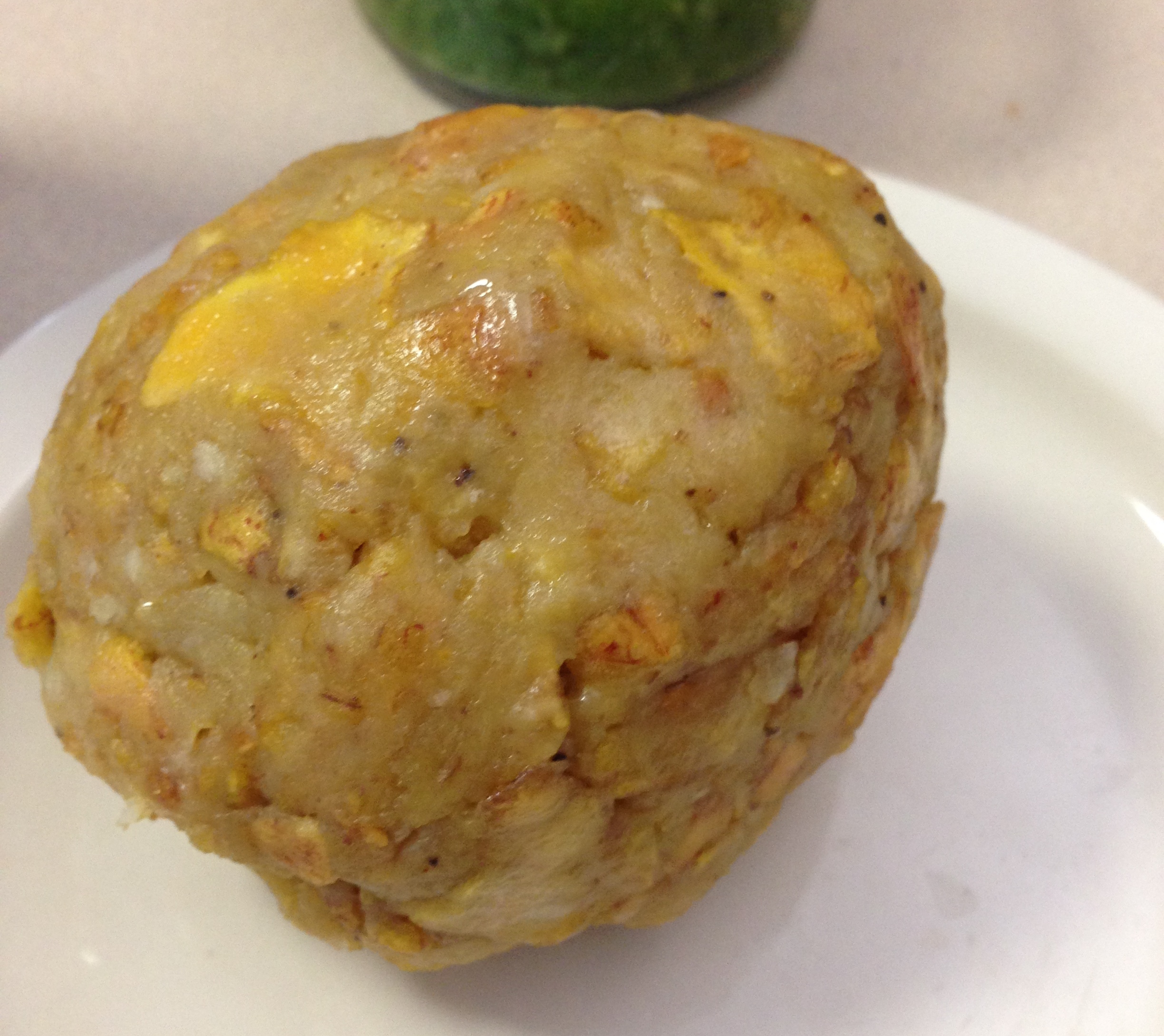
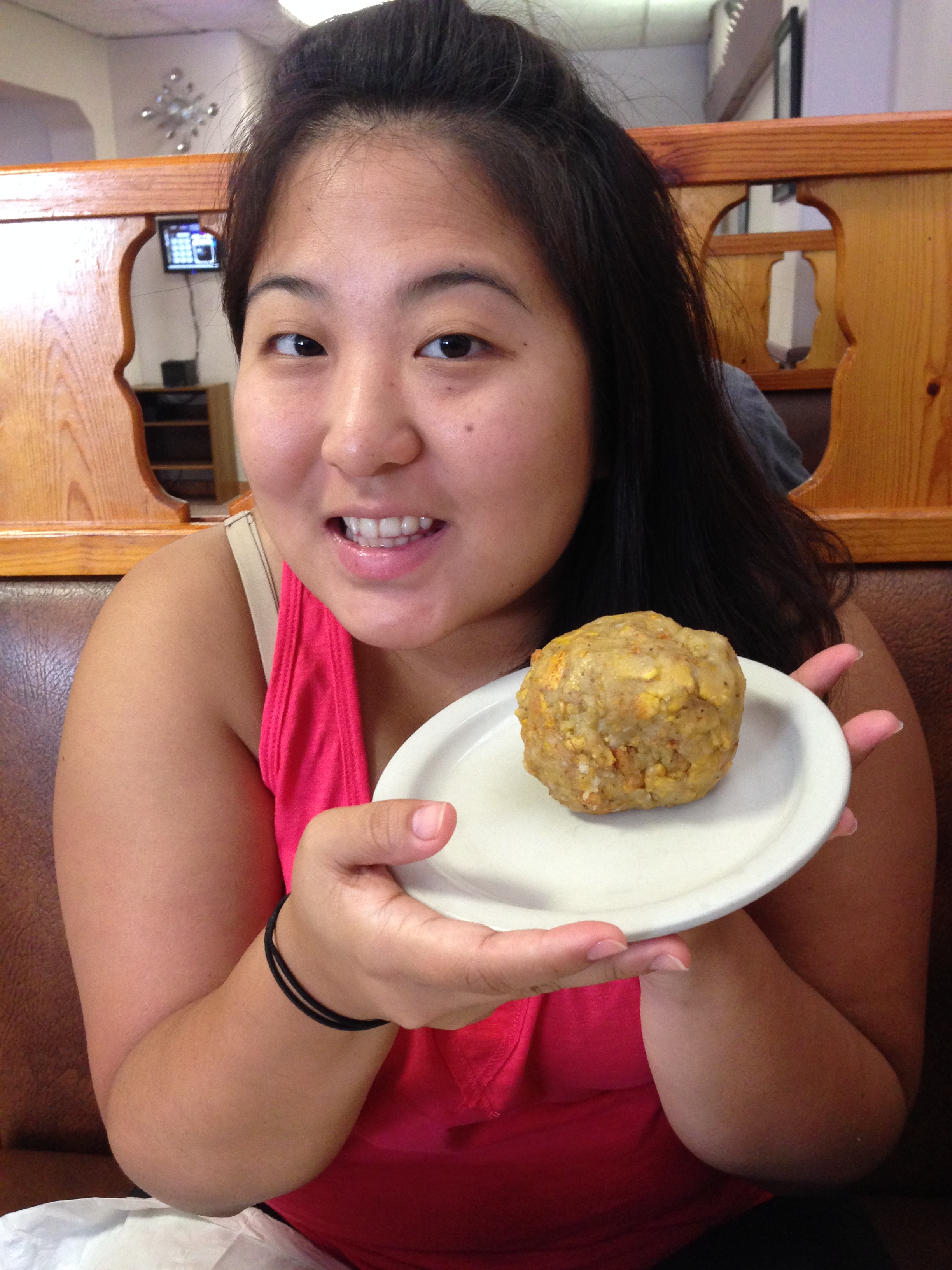
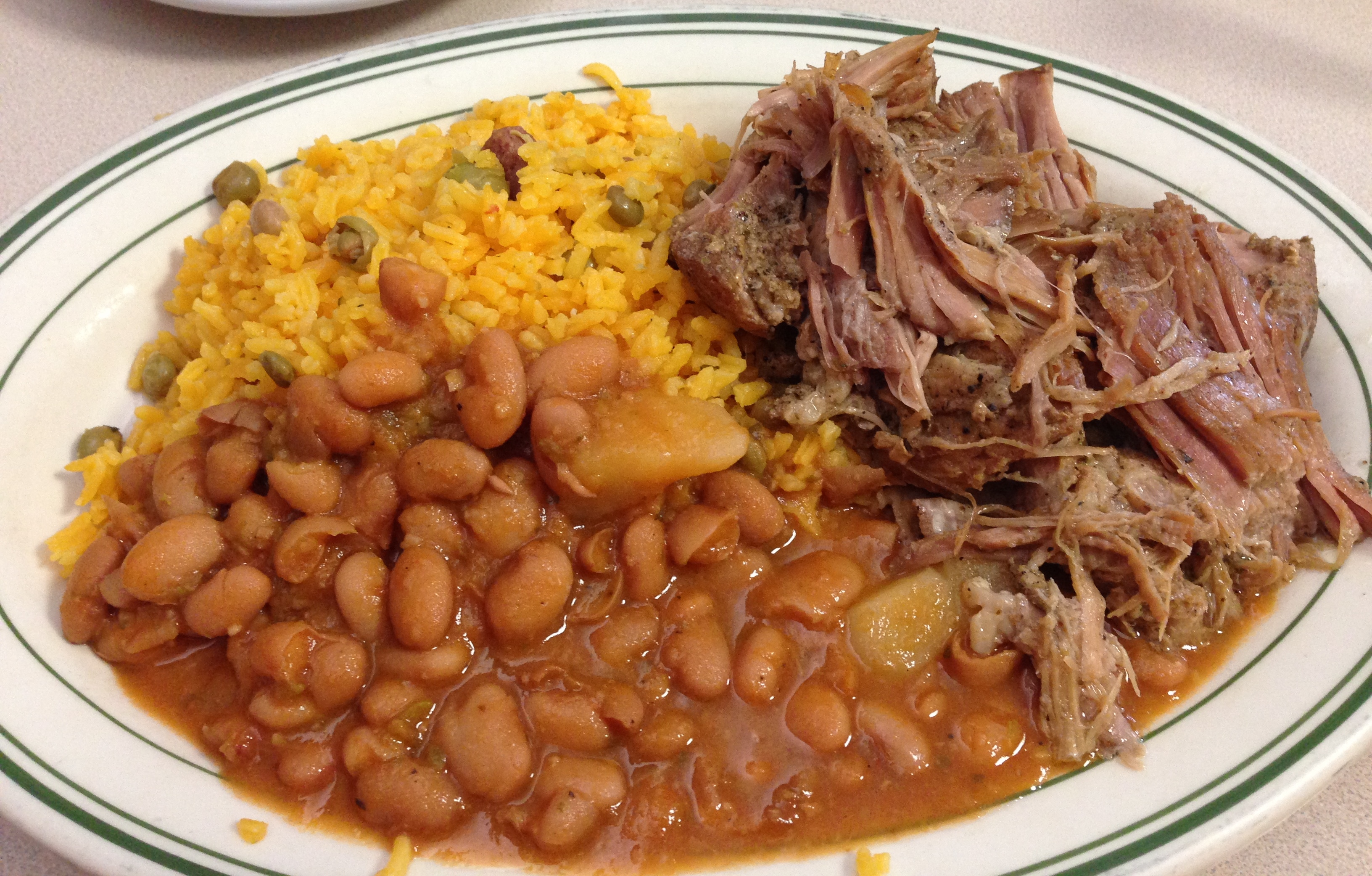
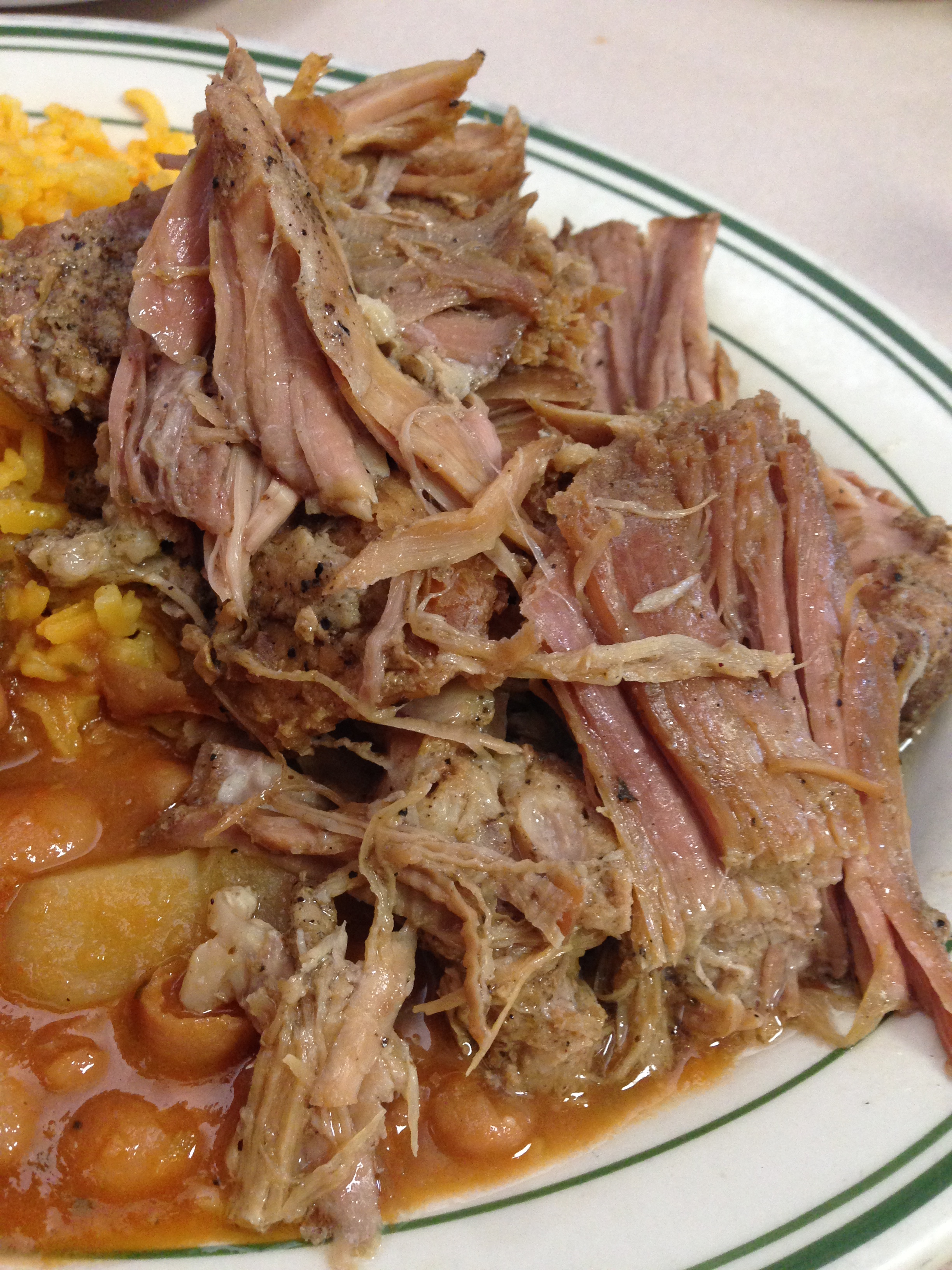
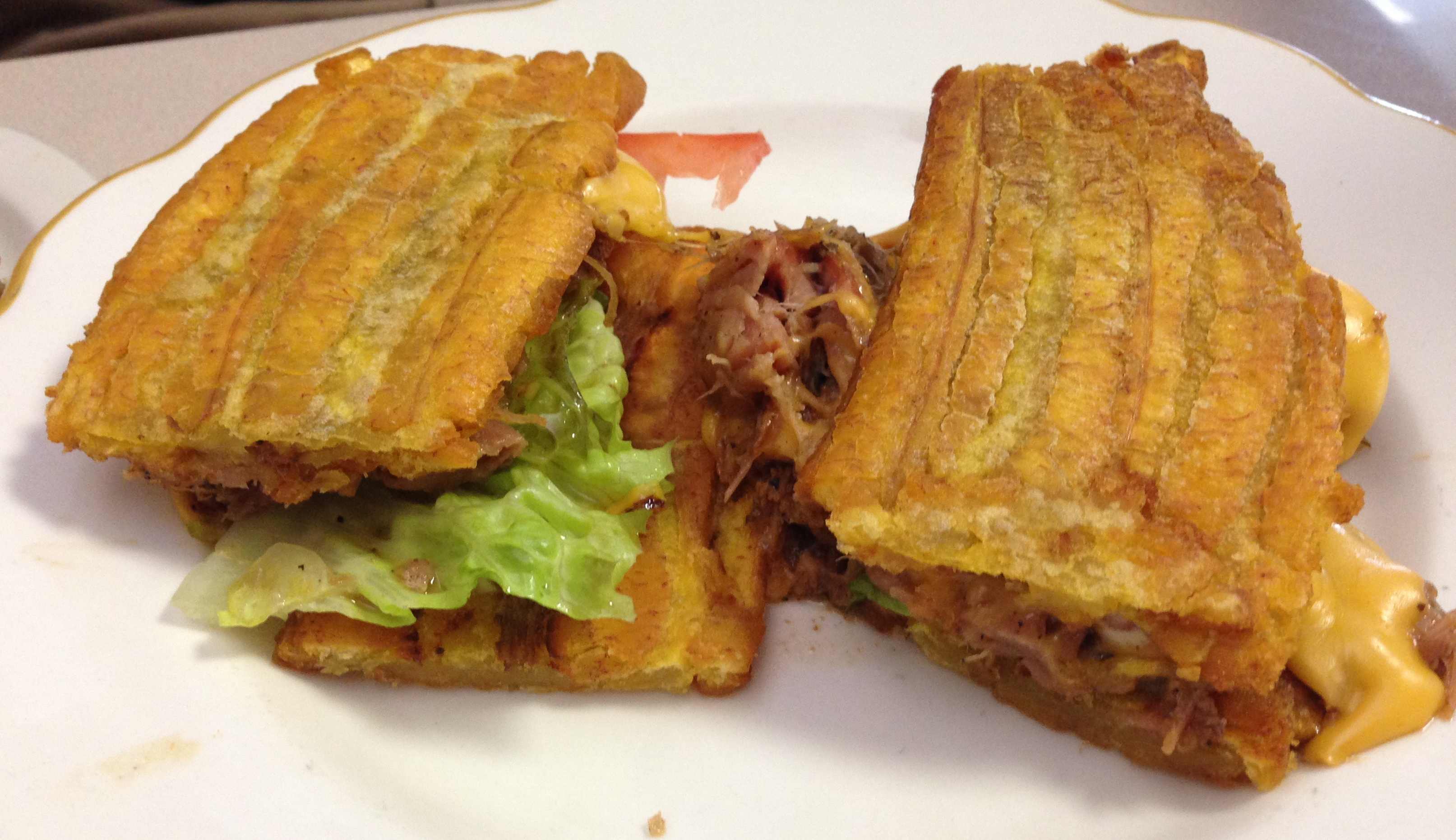
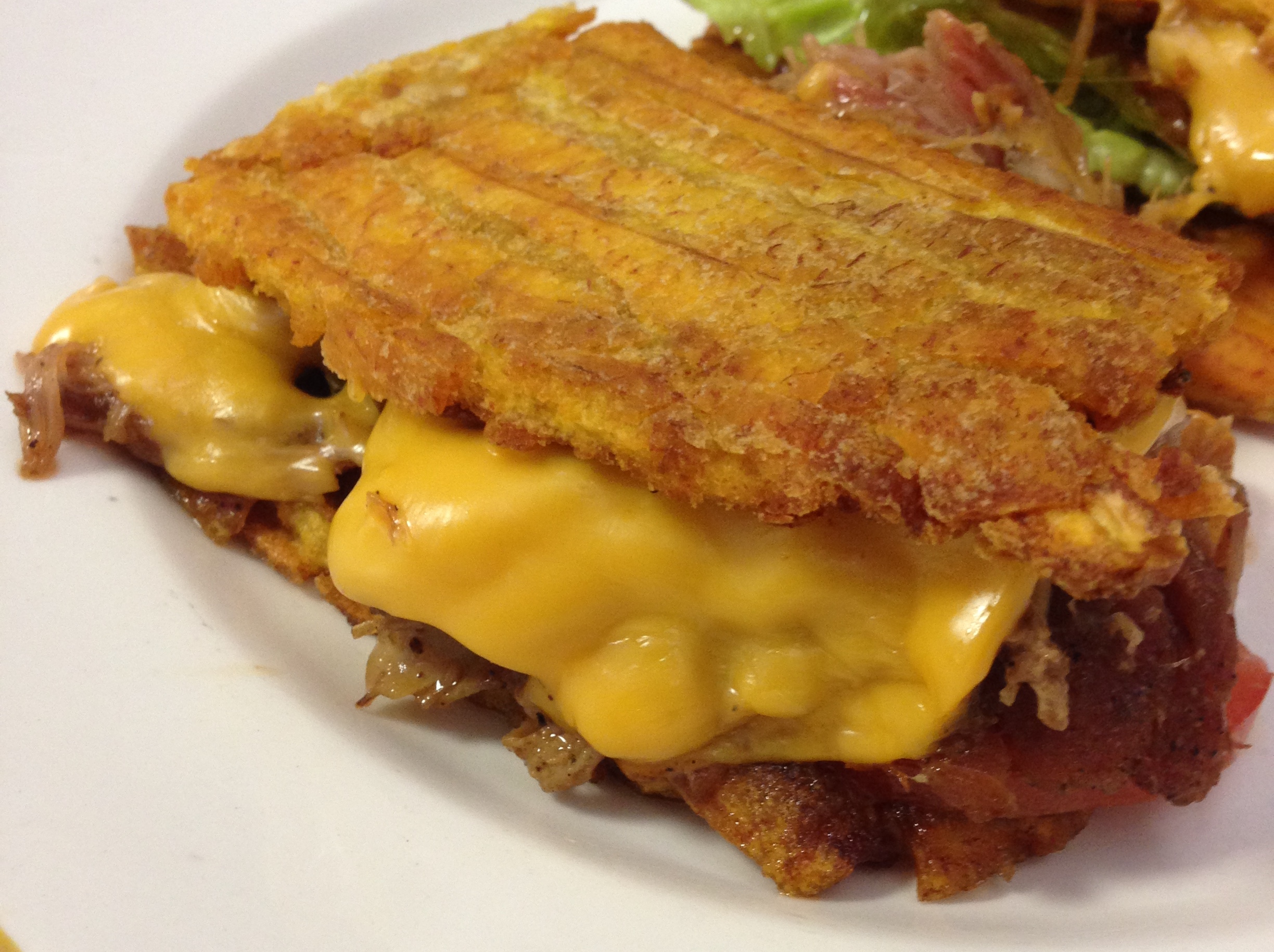
I’ve had my fair share of comida latina that has ranged from Colombian to Cuban, but I had never tried the food from what many consider the United States’ 51st state.  If you’re unaware of this connection, let me drop a bit of historical knowledge.  Puerto Rico was originally inhabited by the Taino tribe who called it Borikén which eventually was transformed into Borinquen in Spanish when Colombus and later Ponce de Leon established the first Spanish run cities.  With the Europeans came the colonization of the island and importation of slaves from Africa.  This system continued up until the late 1890s until the USA beat Spain in the Spanish American War which led to the USA claiming Puerto Rico as a United States territory which has continued to today.IMG_6706  What that means is that all Puerto Ricans from the island are US citizens, but it has also resulted in increased Puerto Rican migration to urban centers on the US mainland like Chicago and NYC, especially.  In Chicago, the hub of all things boricua (Puerto Rican in modern Spanish) is typically Humboldt Park minus the current trend of the usual gentrification. larger However, this symbol of Chicago Puerto Rican roots is still going strong in the West Town neighborhood just west of Humboldt Park.  It was established back in 1952 a bit further south but relocated to its present location in the mid-1960s.  It still exists today as a representative of Puerto Rican culture in diner form.  The exterior doesn’t look like much, and the interior is just as simple but comfortable.IMG_6720IMG_6719  We beat the lunch crowd around 11:30, and the meal started with some fresh bread that seemed to be of the French variety with a magical sauce on the side.  Although Janice and I thought that this verdant food of the gods tasted like the Argentinian steakhouse staple chimichurri sauce, we were misteaken (pun intended!).IMG_6703  Instead, it was Puerto Rican sofrito, a mixture of recao (cilantro), sweet garlic, olive oil, and mild peppers.  It was an oily, herbal, yet garlicky and chunky spread that was wonderful with the fresh bread.  I washed it down with a cool Malta India which is a carbonated barley, hops, and water drink which is like a non-alcoholic beer combined with a root beer with a Caribbean twist.  IMG_6701It has a very distinctive taste, but I would recommend this unique Puerto Rican beverage.  It was similar to its Cuban counterpart I tried when down in Florida.  Then we started the meal for realz.  We looked over the menu, and I could see all of what makes Puerto Ricans I’ve met so proud of their culinary culture.  Pork, rice, and beans are the name of the game for the most part, but there are also sandwiches and caldos or soups to sample.  We started off with the ground pork empanada and two plates of mofongo ($3.60 each).  Empanadas are like your typical stuffed savory pastry, but the ones at Cafe Central are sin igual. IMG_6707 They have less thick pastry dough compared to other varieties I’ve tried and more like thin, crispy dough that was all killer and no filler when it came to the amount of seasoned meat you got.  IMG_6708Then there was mofongo.  I had only heard about it from my dad quoting Sandford and Son or from Puerto Ricans I’ve worked with in the past, but I can see why they loved it so much.  It is a symbol of the African influence on Puerto Rican cuisine as it comes from the West African staple fufu which is a mash of starchy vegetables.  In this case, its a ball of mashed plantains stuffed with pieces of chicarrón or garlic pork rinds. IMG_6709 It’s basically a ball of mashed sweet yet savory starch where we’d occasionally stumble upon a chewy yet crunchy nugget of glory. IMG_6711 Highly recommend this piece of the island.  IMG_6710It’ll feel like you ate a mini-cannonball though, so save room!  As if that wasn’t enough, we then had our main entrees.  Janice ended up getting the house specialty which is off the menu:  el lechón or roast pork ($10).  I can see why they keep it off the menu because they’d be serving nothing but this gigantic plate of soul warming food. IMG_6712 First, the strands of Monte Puerco were super tender and melted in your mouth but also had a hint of a salt and pepper rub to make it just that much more flavorful. IMG_6713 Not bad for an homage to the national dish of the island.  On the side, it was a Puertorriqueño parade on the plate with el arróz con gandules y habichuelas or rice with peas and beans.  Naturally, there were some tiny pork chunks in the rice which pepped up the rice a bit, but the rice itself was super rich with flavor. IMG_6714 The beans were also different than the refried beans in Mexican cuisine, and I liked them a lot better because they were stewed in a pork stock and were light.  As for me, I got the roast pork jibarito ($7.95).  This super Puerto Rican sandwich, meaning “little yokel” in Spanish, was actually introduced to Chicago straight from the Caribbean back in 1996 at Borinquen Restaurant in Humboldt Park.  I’ve always wanted to try this Puerto Rican iconic meal because it combines my love for quirky food and sandwiches.  Think of your typical bread based sandwich, but then take out the slices and replace them with flattened and fried plantains.  IMG_6715Then insert lettuce, tomato, onion, mayo, American cheese (Thanks, Tio Sam), and your choice of meat.  I did like the locals and got, you guessed it, the roast pork.  When in San Juan! (or is it Chicago?)IMG_6716 It looked great, but I didn’t know where to start out of fear of this seemingly delicate work of street art would disappear in my clumsy grasp.  It was actually quite the opposite.  The fried plantains were surprisingly sturdy under pressure from one hungry hungry hippo, i.e. me, and the flavor was out of control.  Basically, take the lechón and combine it with the sweetness of the mofongo and the savory elements of the mayo and cooked onions. IMG_6718 Plus, the texture transitions from the crunch of the plantain to the soft pork, crispy lettuce, and juicy tomatoes blew my mind since they were in quintessential harmony.  If there’s one plate I’d recommend, it would be this.  Even over the lechón I just promoted.  By the end, we were in peak food coma mode.  If only we could then retreat to a cabana in Limón to nap the rest of the day away.  Unfortunately, our food adventure ended there, but we were extremely satisfied.

I can’t emphasize the greatness that is Cafe Central.  It’s a lot of delicious, stick-to-your-ribs food served in huge portions for a reasonable price.  What more could you ask for in a restaurant?  Absolutamente nada.  Buen provecho!
Click to add a blog post for Cafe Central on Zomato

Toronto (Day 1): Sleepless Nights in Hogtown

Posted on

Welcome to another wonderful and interesting edition of Mastication Monologues!  Today I’ll be relating the first day of four of our adventure to the Great White North a.k.a. Canada.  There has always been a sort of brotherly love between the two North American nations compared to the more tension filled links with our southern neighbors like Cuba or Mexico.  We Americans see them as hockey nuts that are also extremely polite while they view us as obese, war mongers,ncbn0ni

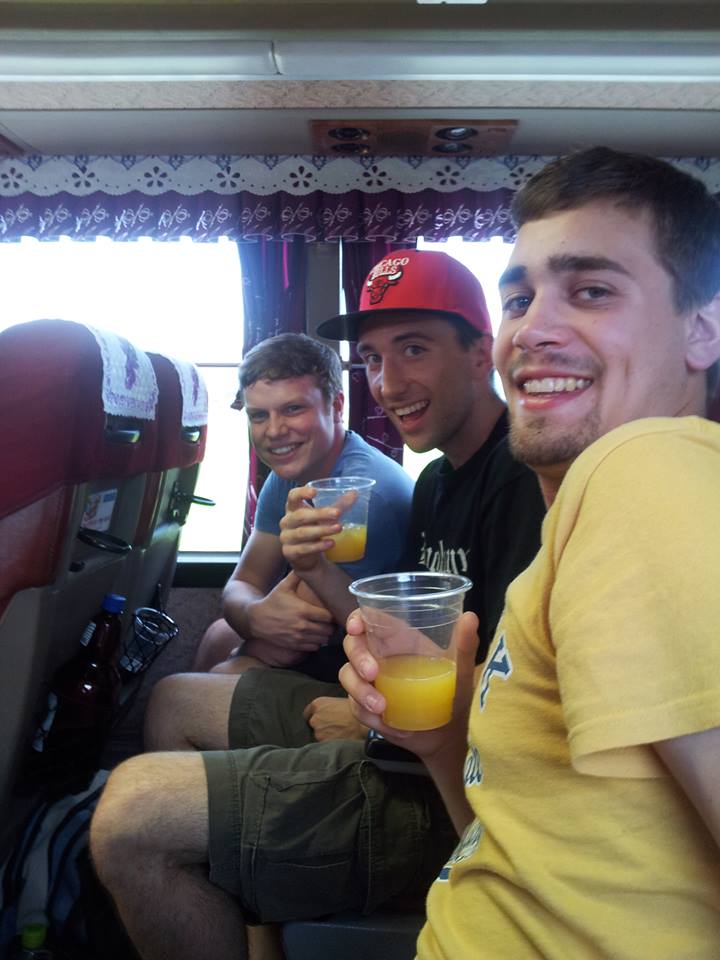
but national stereotypes aside, we manage to get along just fine.  Case and point:  my friend Aaron and I.  We met each other in South Korea of all places in the same teacher orientation group, and we struck up a friendship through long bus rides and making terrible puns together.

Canada (Aaron), America (Me), and France (Jean) just partying it up in Korea

Canada (Aaron), America (Me), and France (Jean) just partying it up in Korea

After Aaron and his gf, Alyssa, visited Chicago, Janice and I decided to pay them a visit up in Toronto, a place neither of us had visited.

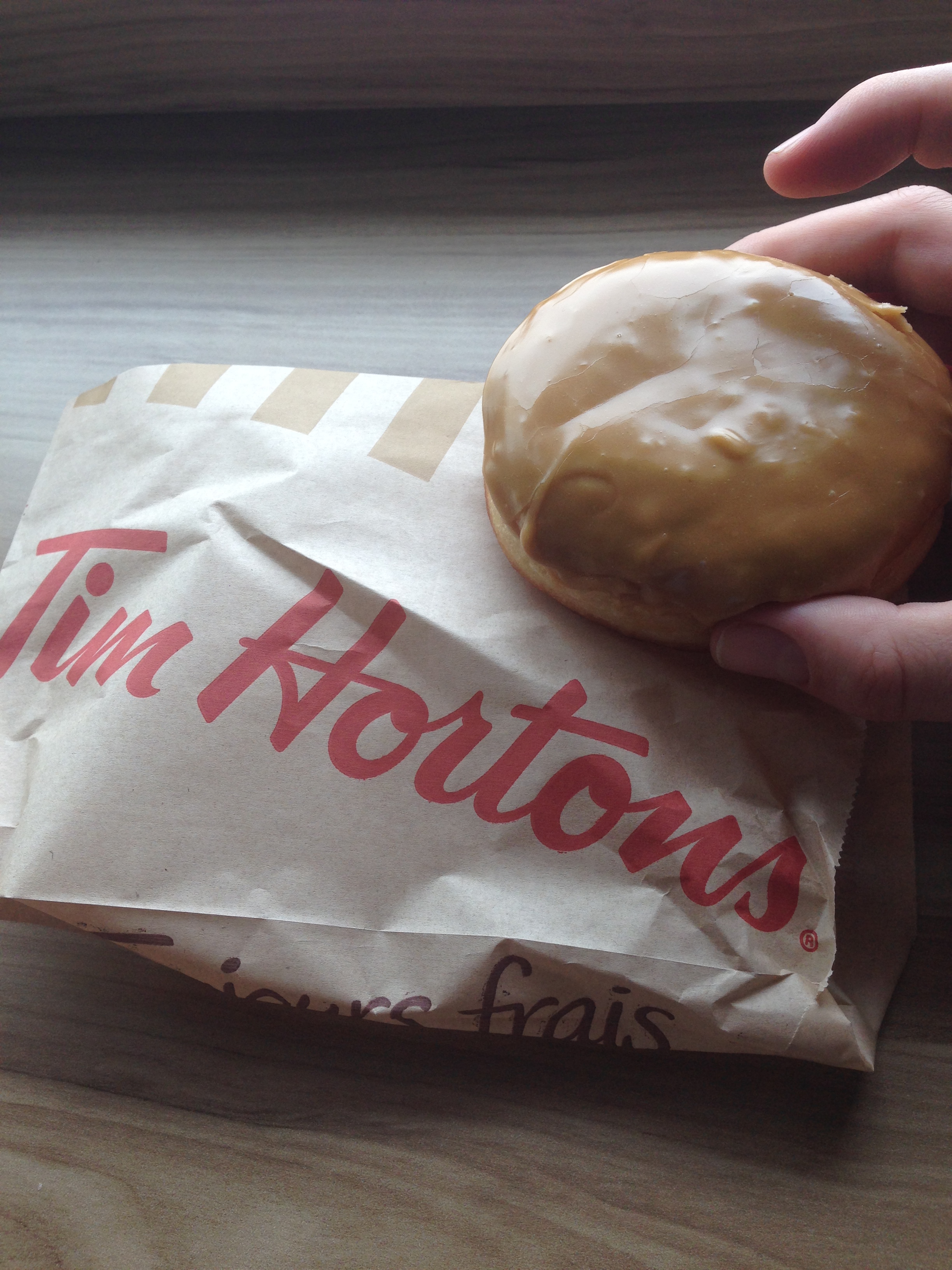
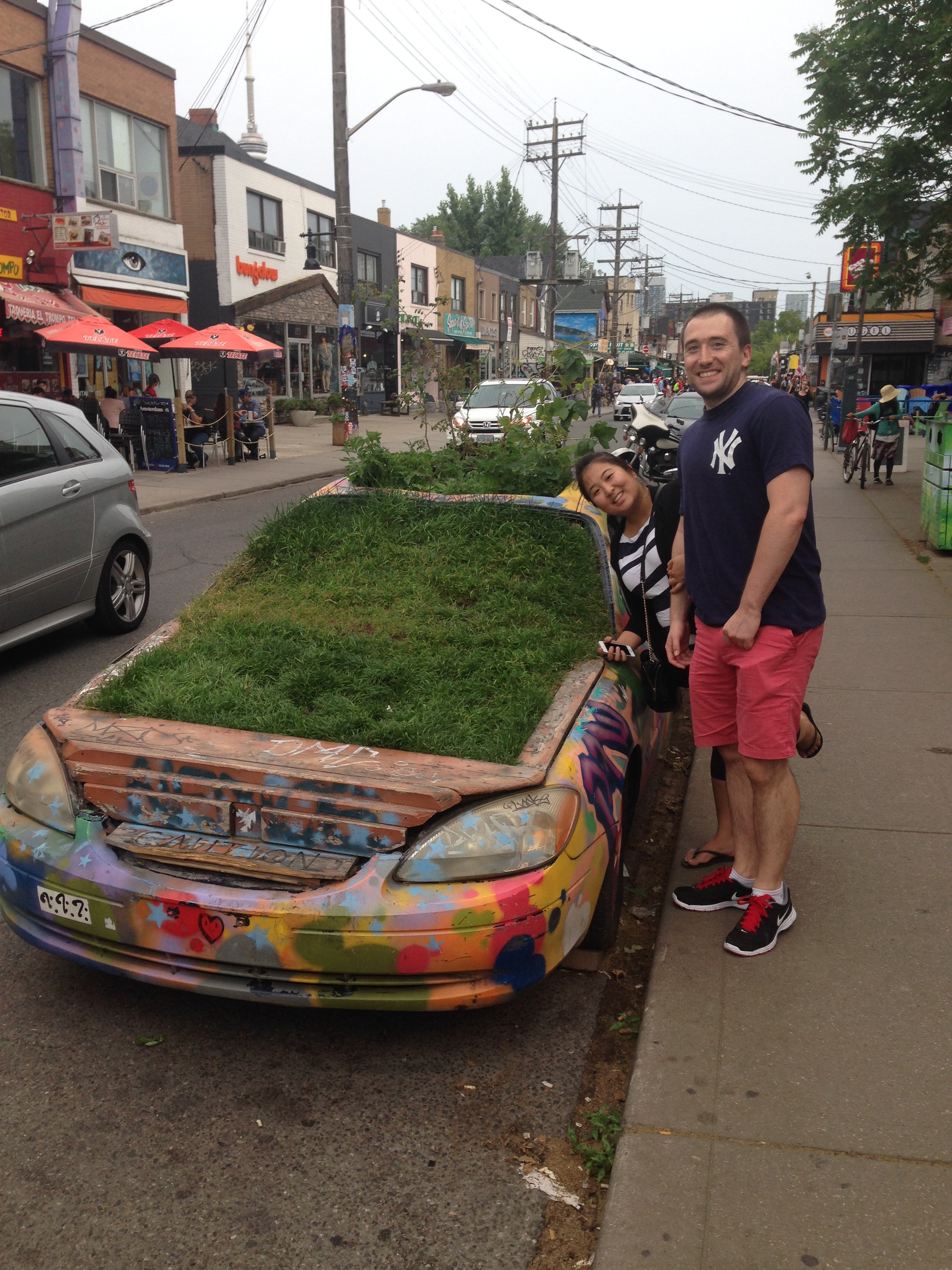
So, our adventure started from Chicago super-early in the morning with driving through a whole lot of nothing until we reached Canada.  Once we crossed the border, we stopped for a sweet piece of Canada in the form of Tim Hortons.  Although there are now branches throughout the Northeastern USA, they haven’t arrived in Chitown.  So, we wanted to see what all the hubbub was about.  it looked like a fancier fast food diner, and I knew that this Canadian institution specialized in having great coffee and doughnuts.  I got a Canadian maple, tres Canadien!, and Janice got the sour cream glazed.  Janice was less than impressed due to the too sugary treat that didn’t match up to a similar, yet less diabetes inducing version in Chicago.  As for mine, I found it to be enjoyable even though I’m not partial to cream filled pastries.  IMG_6878Thankfully there was more fresh, fried dough than cream, and the maple icing was delectable.  Once we finally reached the city and trying not to die with all of the crazy Canuck drivers.  We got to our apartment with a sweet view that would make even Drake jealous, and then proceeded to meet up with Aaron and Alyssa.IMG_6879  We walked all over the town as they showed us the sights that ranged from Korea Town that actually had a lot Aaron and I recognized from our time in the Land of the Morning Calm to the Kensington Market that seemed like a Caribbean island market in the middle of a modern metropolis.

Dude, it's some herbage.

Dude, it’s some herbage.

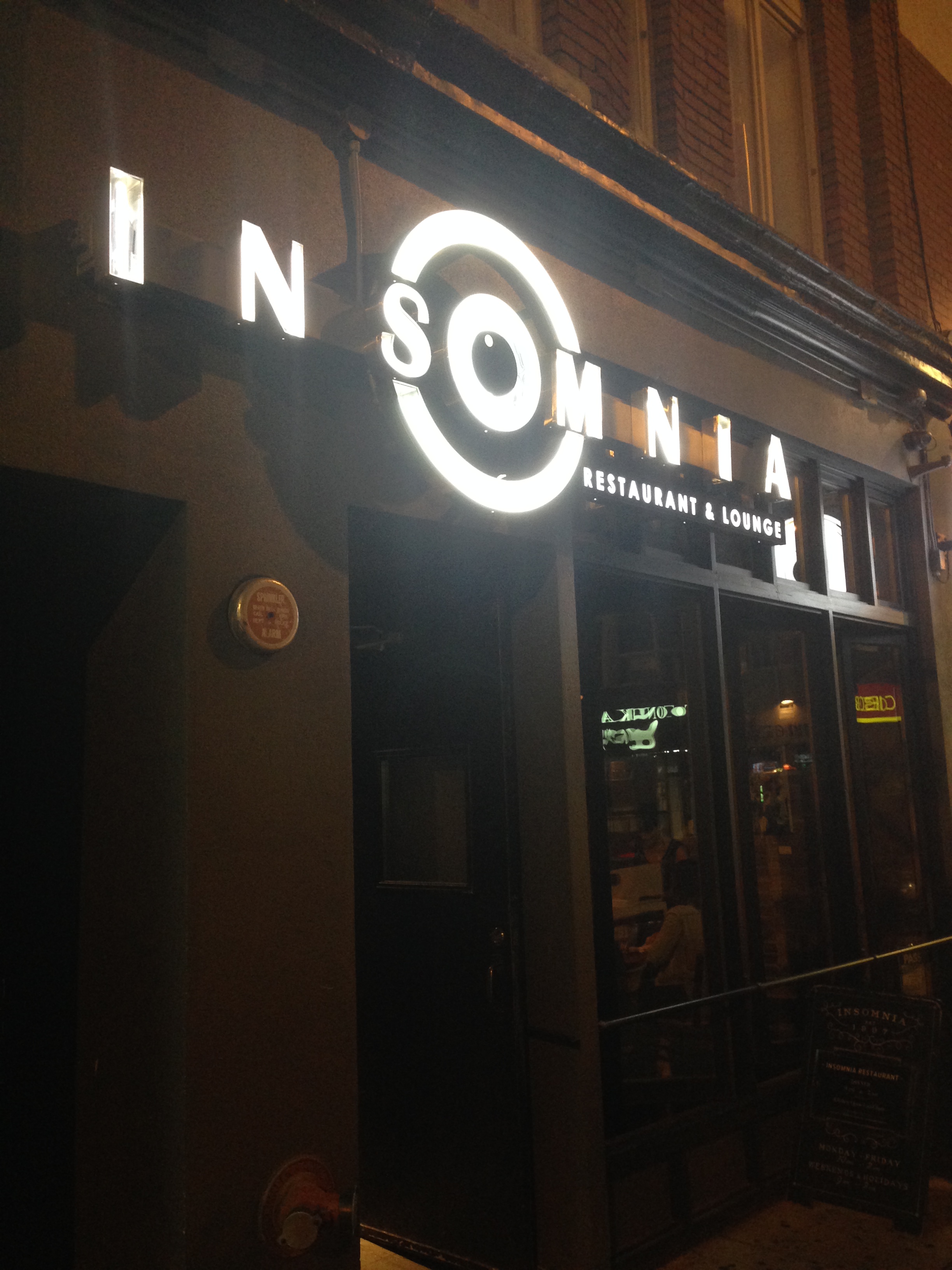
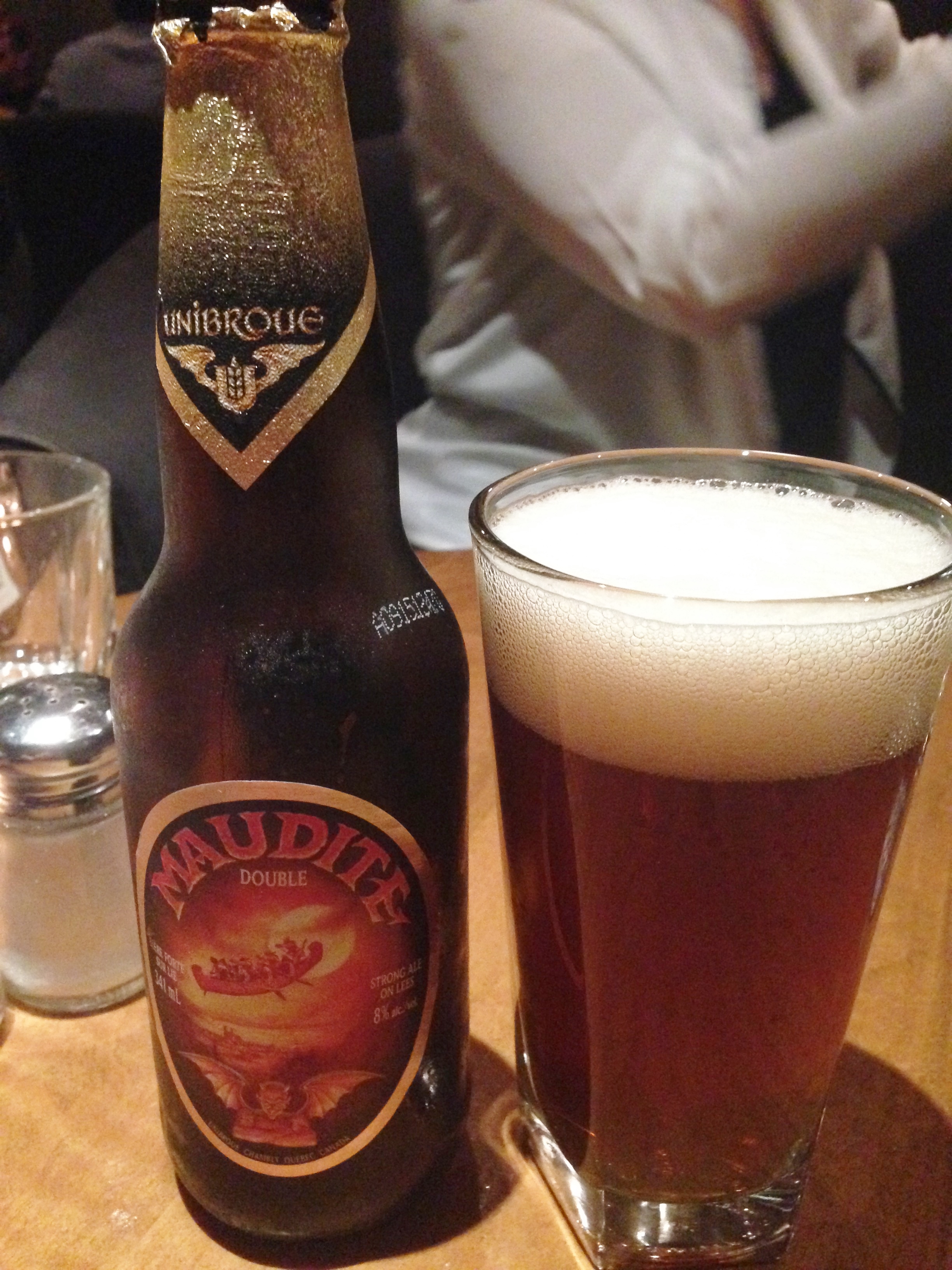
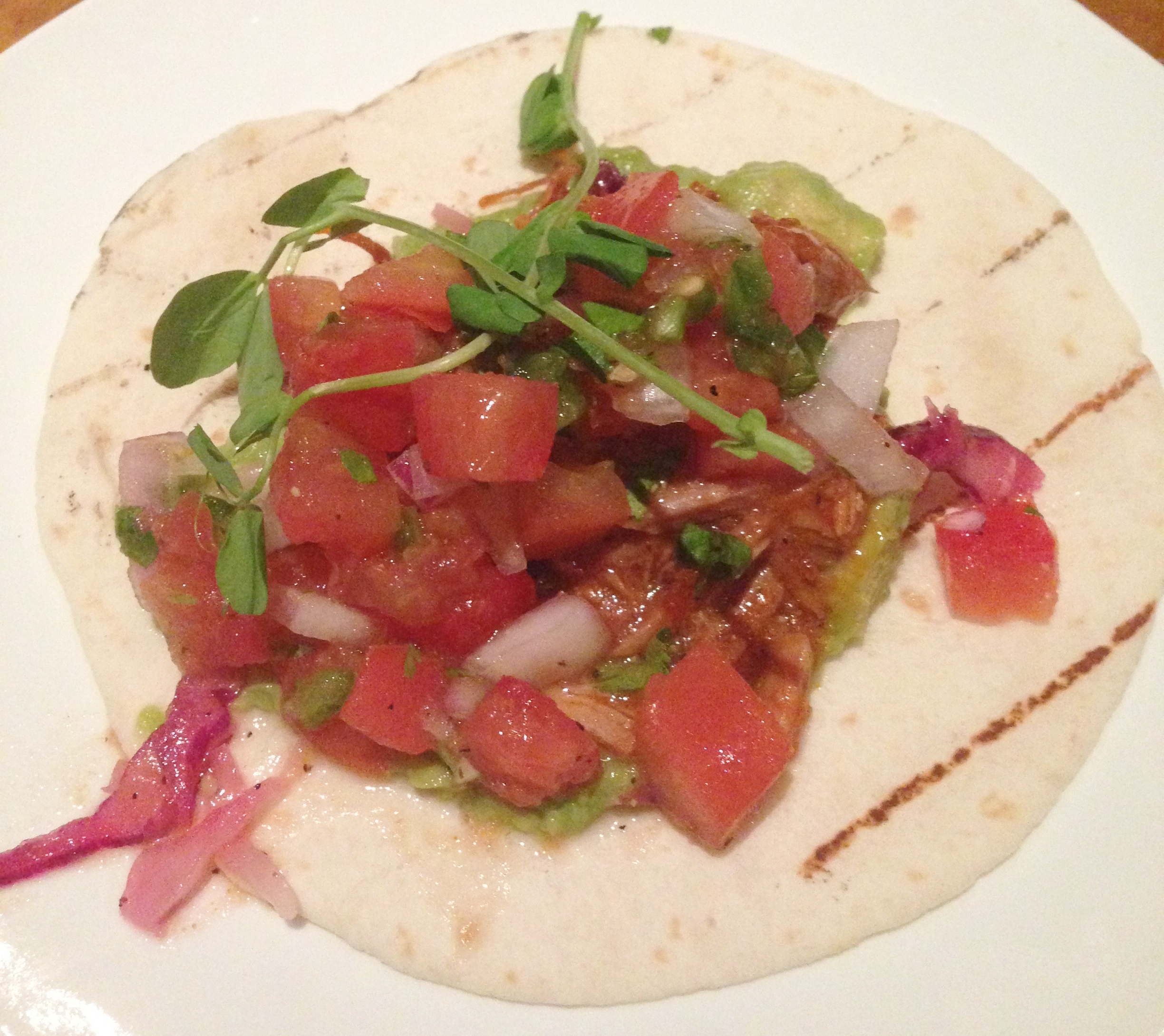
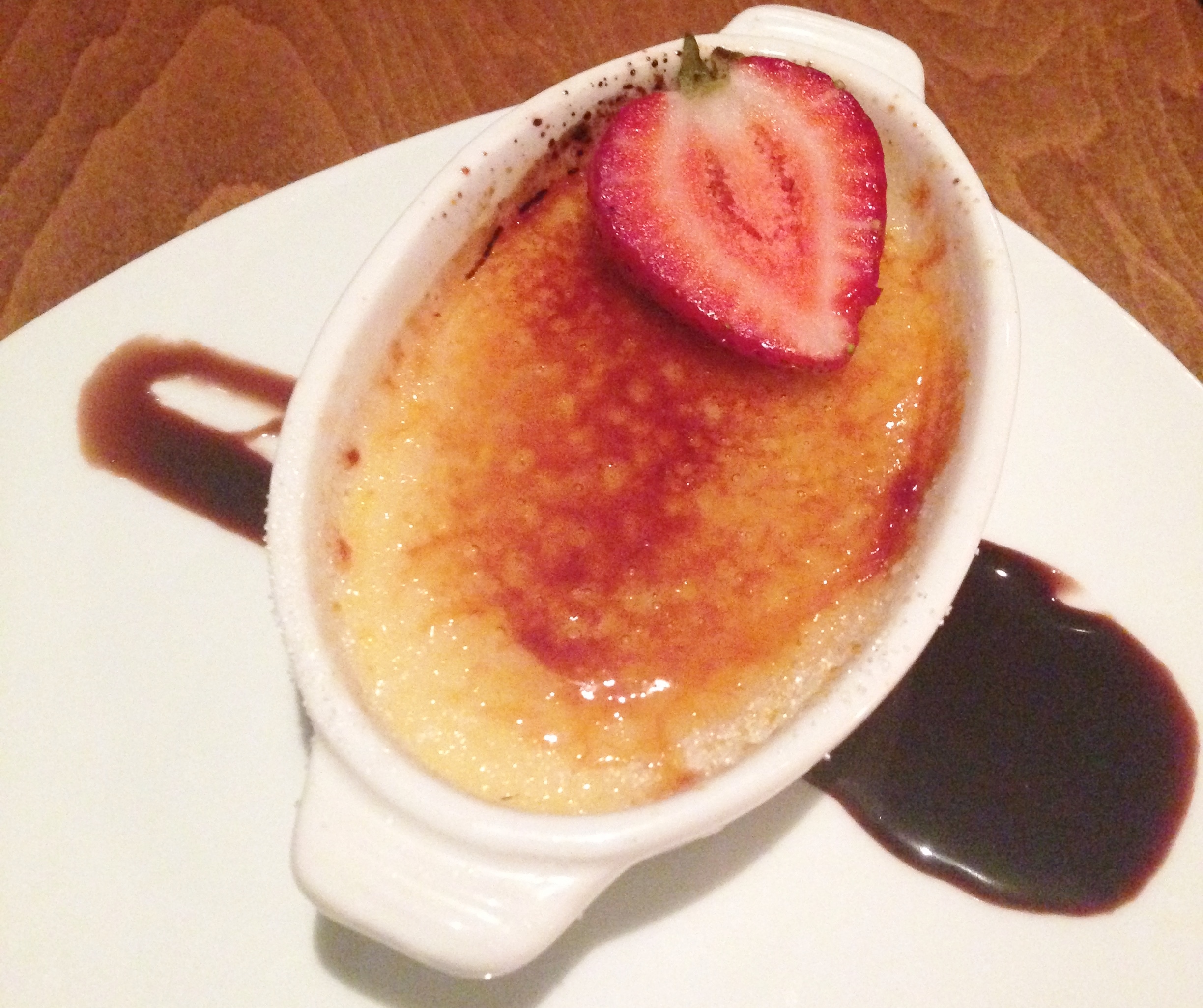
IMG_6887 After traversing what seemed like half the city, we managed to get our final destination (no, not death like the movies), Insomnia Restaurant & Lounge.  Unfortunately, it was super busy, so we had to wait for a table.  We hit up the bar next door, and I tried a new Canadian beer I never heard of:  Hockley dark. IMG_6897 It was a traditional English ale that was full bodied with a clean, caramel aftertaste that my compatriots likened to a lighter Guinness, or as they say on their website, “a brunette with the body of a blonde”.  We eventually got the call to head on over to Insomnia.IMG_6910  It looked like any other gastropub with the addition of some Christmas lights overhead.  IMG_6909However, our table was quite different mainly due to the super comfortable easy chairs that made the dining experience that much more enjoyable.  The reason why we chose Insomnia over all of the restaurants in Toronto is that they were part of the Summerlicious food festival which was similar to Chicago’s restaurant week that Janice and I greatly took advantage of.  Just like Chicago’s restaurant week, there was a set menu that consisted of a starter, entree, and dessert for $25.  I started the meal with a Maudite Belgian Strong Ale.  IMG_6899If you love lambics or dubbels or Belgian beer in general, I highly recommend this spicy yet fruity brew.  Then looking over the menu, there was a ton of great picks for food which made it all the more difficult to choose just one item.  I, along with everyone else I think, got the pork taco since it was the most interesting appetizer.  It looked super fresh yet simple. IMG_6900 All it consisted of was seasoned, tender, yet slightly spicy pork, pico de gallo, some cabbage, and a creamy, rich avocado spread.  The cilantro sprigs made it all the better since I love the controversial herb.  Then came the entrees.  I was torn between the burger since I had a hankering for one, and the Dirty Dirty South fried chicken and waffles.  However, I wanted something a bit different, so I went for the latter.  Funny enough, Janice, Alyssa, and I all got the chicken while Aaron got the burger.  He was greatly satisfied with the juicy Ontario ground chuck, milk bun, and classic lettuce, onion, pickle combo.  Our chicken and waffles, on the other hand, were a different beast all together.  When it came out, it looked like something inspired from the Spanish Inquisition or Vlad the Impaler. IMG_6901 Our waffles were pre-cut into quarters and alternated with the boneless chicken thigh pieces in a large stack that was held together with a series of wooden skewers.  Atop this unique creation was one of my most disliked foods:  cole slaw.  I love my cabbage products like kimchi or kapusta, but I dislike the cream picnic staple.  I slowly took apart the tower o’ food with the precision of playing the popular game Kerplunk and sliced into my meal.  It was a mouth-watering combo of thick, fluffy waffles and non-greasy but still flavorful pieces of all white meat.  The honey maple butter and maple syrup made this plate the ideal mix of savory and sweet.  I highly recommend this entree.  As if you thought that would have been the end of the meal, there still was dessert! This was the toughest part of the night for me since I have a huge sweet tooth, but since everyone was going for the enticing s’more and creme brulee, I went for the sponge cake.  Long story short, it was all good in the hood aside from a couple bumps in the road.  First, there was my financier sponge cake.  The name of the cake comes from either the traditional rectangular pan that made the cake resembling a bar of gold, or the cake became popular in Paris’ financial district.  IMG_6904It was moist, light, and spongy in texture with a strong almond taste that was enhanced with the Coca Cola foam that was the right kind of funk I like in my meal and a classy caramel drizzle.  The cherry on the side was a nice touch.  Then the burnt marshmallow s’more ice cream was an interesting concoction.  IMG_6905It was composed of the vanilla ice cream on top of a layer of burnt marshmallows that then topped a graham cracker cookie which was drenched with Lindt chocolate sauce.  Diabetes?  I haz it.  Alyssa offered me a bit of hers, but I swear the cookie was made of hardtack since neither I nor Aaron could break it.  Thankfully, Aaron’s was more normal, but it might prove to be too sweet for those of you who enjoy more savory plates.  Finally, there was the creme brulee that Janice wasn’t digging too much, IMG_6906but I found it to be good, not great.  As we sunk further into our chairs, food comas coming over us quickly, we ended the our first night in Toronto there, and it was a sign of greater times to come!  I highly recommend Insomnia to those visiting Toronto if you’re looking for delicious comfort food with a twist.
Click to add a blog post for Insomnia on Zomato

Design a site like this with WordPress.com
Get started